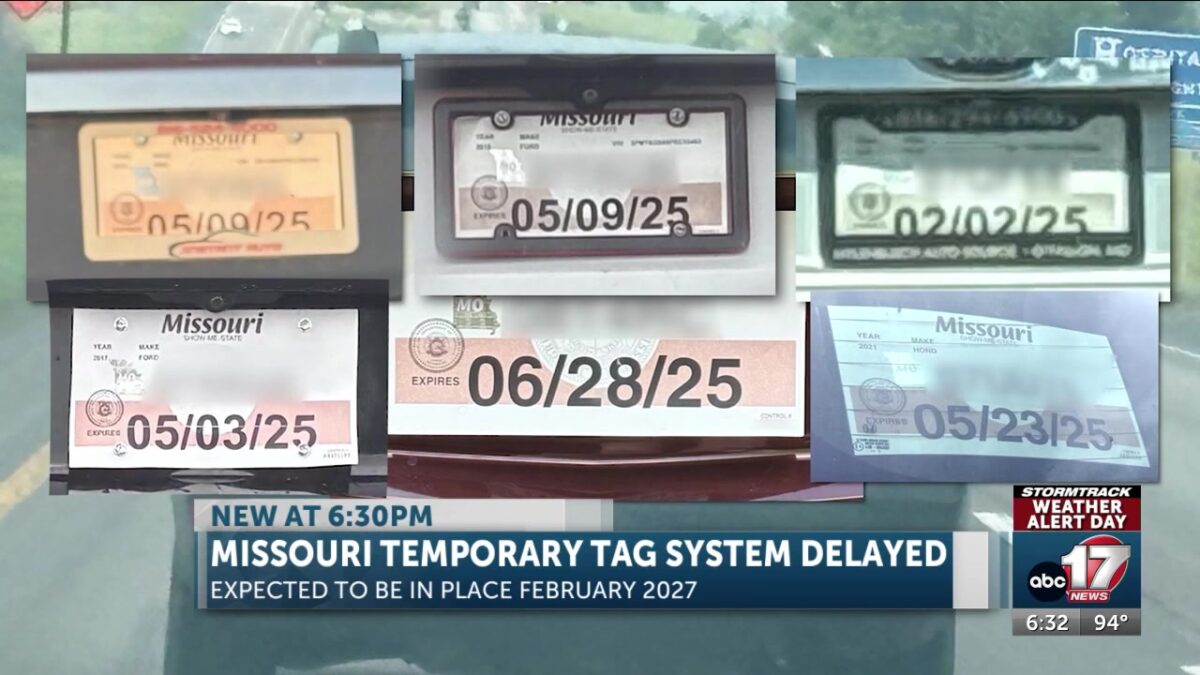
University of Missouri’s Choi reiterates importance of safety after downtown Columbia brawl

Melissa Houston

EDITOR’S NOTE: The number of assaults from May to July 2025 has been corrected.

COLUMBIA, Mo. (KMIZ)

University of Missouri System President Mun Choi said Tuesday in a written statement that concerns about violence near MU’s campus downtown “must be addressed” after a street brawl over the weekend.

This statement comes shortly after a fight in downtown Columbia resulted in seven people getting arrested on suspicion of a variety of crimes and renewed safety concerns for residents. One police officer was hit in the head but refused further medical treatment.

In the statement, Choi wrote, “violence and assaults against law enforcement officers are unacceptable and undermine the safety of our entire community.”

Choi mentioned a survey in which Columbia residents ranked homelessness and crime as the issues that needed the most attention.

“Columbia residents have consistently identified public safety as a top concern,” Choi wrote. “Their voices deserve to be heard, and their concerns must be addressed.”

According to the Columbia Police Department’s crime map, from May 1-July 28, there have been 22 calls for assaults in the downtown area, many of them on Walnut Street, Broadway and Tenth Street. Data on the map is posted with a three-day delay, so it does not capture the early Sunday street fight.

Twenty-three incidents were recorded during the same time frame in 2025. Of those, six were on Walnut Street, where the fight took place early Sunday.

Choi said in his statement that investing in the Columbia Police Department is the best way to achieve a safer downtown. Columbia voters will decide next week on whether to approve a sales tax to increase funding for its police and fire departments.

“Achieving safer communities requires continued investment in the Columbia Police Department,” Choi wrote. “This includes providing the resources needed to recruit and retain qualified officers, deploy advanced technologies, and ensure that city leaders provide officers the support they need to carry out their responsibilities effectively and professionally.”

Matthew McGee, downtown Columbia bar owner of On The Rocks, said he believes CPD being understaffed leads to issues downtown.

“CPD is 50 officers plus behind versus what they need,” McGee said. “So clearly we’re stretched thin, and they’re doing the best job that they can. I’m sure of that.”

McGee has owned his bar located on Broadway for 20 years and said he has seen crime in downtown fluctuate with no particular pattern.

However, McGee said that the crime that happens near his bar isn’t due to all the people leaving the bars at the same time and getting into an altercation; they stem from somewhere else.

“There’s certainly there have been incidences and around this block. I wouldn’t put them on any one bar,” McGee said. “The people who are fighting aren’t coming into the bars. They’re congregating downtown and causing incidents.”

Even with four assault calls coming from Broadway since May, McGee said he still feels safe about his location.

“I do feel safe. And I wouldn’t operate a business downtown if I didn’t say that with confidence. I understand when people have worries. I understand that people have concerns about crime,” McGee said. “I think that certainly we need to all press our city leaders about what we’re doing, about the problem, look for new solutions and try to think outside the box a little bit.”

Click here to follow the original article.

Law enforcement continues looking for suspect on ATV in Callaway County

Matthew Sanders

COLUMBIA, Mo. (KMIZ)

Law enforcement is still looking for a suspect on an ATV in Callaway County after chasing the man from Boone County into Callaway County fields around 10:30 a.m. Tuesday.

Boone County Sheriff’s Captain Brian Leer updated ABC 17 News over email that the chase started near the intersection of East St. Charles Road and Demaret Drive.

The man was allegedly driving on the wrong side of the road and speeding, Leer said. When a sheriff’s deputy attempted a traffic stop, he sped off heading east toward Callaway County.

Leer said the man turned north onto Callaway County Road 269, before turning eastbound onto County Road 284. About halfway down that road, the person allegedly drove into a field and law enforcement lost sight of the suspect.

Leer said the search was broken up around 12:15 p.m.

According to a Callaway County Sheriff’s Office Facebook post, sheriff’s deputies from both agencies were using dogs and drones to follow the suspect near Callaway County Road 284, and Lt. Curtis Hall told ABC 17 News around 1:30 p.m. that the search was broken up at County Road 240.

The Callaway County Sheriff’s Office updated its original post at 2:15 p.m. and said deputies would stay in the area, as service calls allow.

The Callaway County post describes the suspect as having brown hair and wearing a black hat, khaki pants and a light blue shirt.

The man was driving an ATV and went south into a field from County Road 284 near Stephens, according to the post.

Residents in the area were asked to lock their homes and vehicles. It wasn’t clear whether the suspect was armed.

Click here to follow the original article.
Sorrell still leads in fundraising in Columbia Ward 4 race, but Jones closes gap

Ryan Shiner

COLUMBIA, Mo. (KMIZ)

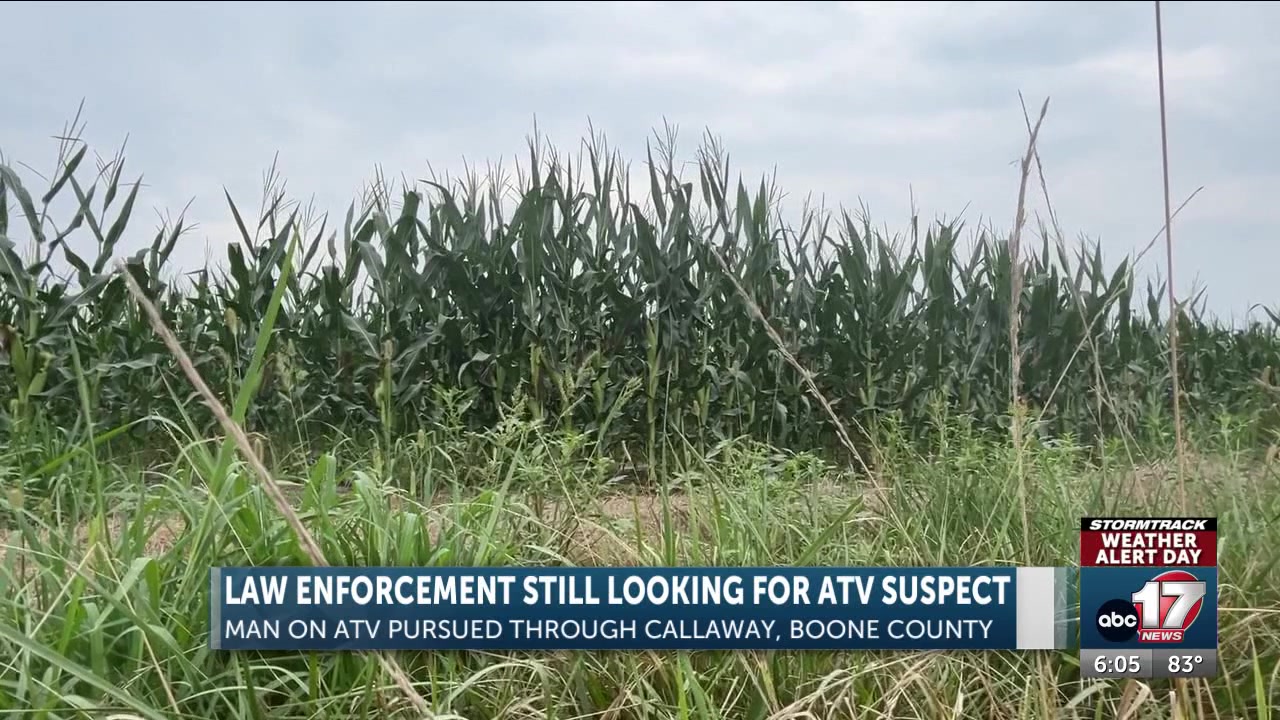
With about a week to go before Election Day, former Columbia Utilities Director David Sorrell is still leading in donations given to campaigns.

Committees needed to submit finance reports to the Missouri Ethics Commission on Monday, eight days before the election.

Sorrell leads funding this cycle with $25,819 in contributions. Some notable donations made to this campaign since the July quarterly report include $2,500 from James Yankee and $1,047.91 from Fred Overton. Russell Duker has given $2,020 in total to the campaign, with the most-recent being a $20 contribution on July 2.

Attorney and lobbyist Sharon Jones has raised $22,115 this election. In the July quarterly report, she had raised just $6,555 compared to Sorrell’s $15,041.70.

That gap was closed thanks in part by a $10,000 donation by the Homefront PAC on July 10, $1,500 from James Yankee and $1,000 from Aaron Smith from the AW Smith Law Firm. Another notable contribution is a $250 donation from Scott Faughn, of Faughn Media, which owns The Missouri Times and the Jefferson City News Tribune.

Attorney Ryan King has raised $1,550, most of which came from his own $1,000 donation.

Sorrell’s campaign has $7,436.66 on hand, while Jones has $12,630.49 and King has $469.38.

Click here to follow the original article.
Long-closed JBS production line expected to reopen after listeria found in April

Sutton Parker

COLUMBIA, Mo. (KMIZ)

A Moberly JBS meat production line is still closed following a USDA notice of suspension in April.

On April 3, the USDA Food Safety and Inspection Service issued a notice of suspension to the JBS Prepared Foods facility in Moberly, immediately suspending inspection services for its Fully Cooked-Not Shelf Stable processes due to producing adulterated product and sanitary failures.

Following a food safety assessment at the JBS plant from March 20-31, the EIAOs conducted an investigation of JBS’ written programs and records that included evidence of Listeria monocytogenes, along with observations of pre-operational and operational activities.

26-146 Final Response Docs (1)Download

The investigation also found JBS failed to keep areas where meat is handled clean enough to prevent Listeria from spreading. Along with this, JBS did not properly carry out their required daily and periodic cleaning procedures designed to control bacteria, documents obtained by ABC 17 News through a records request say.

Additionally, when Listeria was found, JBS failed to figure out where it came from or update their safety plans to make sure it would not happen again, documents show.

According to the USDA Report, FSIS placed a suspension on all Fully Cooked-Not Shelf Stable production, which includes Bits Lines 1, 2 and 3, as well as Slice Lines 4, 5 and 6.

The letter noted the plant cannot resume normal operations until the USDA reviews that plan, finds it adequate, and agrees to lift or ease the suspension.

JBS followed up with a letter on April 12, stating that between April 7-10, the group worked to identify and correct the lines.

Some of those corrected items were: Inspectors must confirm that the new Bits line exhaust has been capped or removed and making sure a physical barrier keeps the Bits and Slice areas separated.

Additionally, it also mandated workers strictly follow daily hygiene rules—such as washing hands, cleaning boots and wearing designated frocks— and that these safety checks are properly recorded.

Following the first set of changes, JBS was able to reopen some of the lines, while others were ordered to remain closed for further repair. Due to redactions on the document, ABC 17 News cannot confirm which lines reopened and which lines stayed closed.

On April 20, another letter was sent from JBS stating that between April 14-18, the company made additional repairs on the lines that were still closed.

Some of the fixes made in the verification plan required that inspectors must observe employee monitoring and review records to ensure proper sanitation procedures, line run-time limits, and corrective actions for elevated test results are strictly maintained.

To make sampling more clear and accurate, JBS updated its environmental monitoring program and will collect food-contact swabs during every cleaning cycle for 30 days.

This document specifically lists that, after review, bit lines 1 and 2 were allowed to start production again, while bit line 3 remained suspended.

According to the documents, Bit Line 3 is still closed. JBS told ABC 17 News the facility is set to reopen soon.

“The facility remains temporarily closed as we complete necessary maintenance and construction-related updates identified through our comprehensive assessment and discussions with the USDA Food Safety and Inspection Service (FSIS). We are in the final stages of these repairs and updates, and anticipate resuming operations as early as next week,” the statement says.

JBS added that when the outbreak was detected, since operations were paused, no product has left the facility, and there is no recall associated with it.

“We remain in continuous communication with FSIS and are working collaboratively to ensure all required adjustments are addressed,” the statement says.

Click here to follow the original article.
Pro-Amendment 5 group spends $12.9 million heading into election

Ryan Shiner

COLUMBIA, Mo. (KMIZ)

A group supporting the elimination of income tax within the state of Missouri has spent $12.9 million this election cycle.

Amendment 5, which would phase out Missouri’s income tax and and expand sales and use taxes, will be decided by voters on Aug. 4. Filings for political campaigns and committees were required to turn in a report on contributions and spending on Monday, eight days before the election.

Missouri Promise PAC – which supports the passage of Amendment 5 – has spent $12.9 million, according to its eight-day report.

Secure Missouri — whose mission statement says it supports Gov. Mike Kehoe — contributed $2.95 million on July 21, while Missouri Action contributed $6.5 million over three dates. America Advancement Inc., gave $1.2 million through a pair of donations, while the American Policy Coalition gave $1 million and the Revitalization Project contributed $900,000.

The committee has about $23,000 on hand. The bulk of spending for the group has been political media buys and purchases for digital advertising.

Missourians for Fair Taxation, the Missouri Realtors-backed group that opposes the amendment – has spent $2.795 million of its $2.84 million it received this election cycle. It has about $166,000 on hand.

The Missouri Association of Realtors contributed $900,000 to the committee on July 17. The PAC’s top purchases are media buys.

Another anti-Amendment 5 group called Missourians for has spent about $27,700 of the $37,500 it grossed.

Click here to follow the original article.
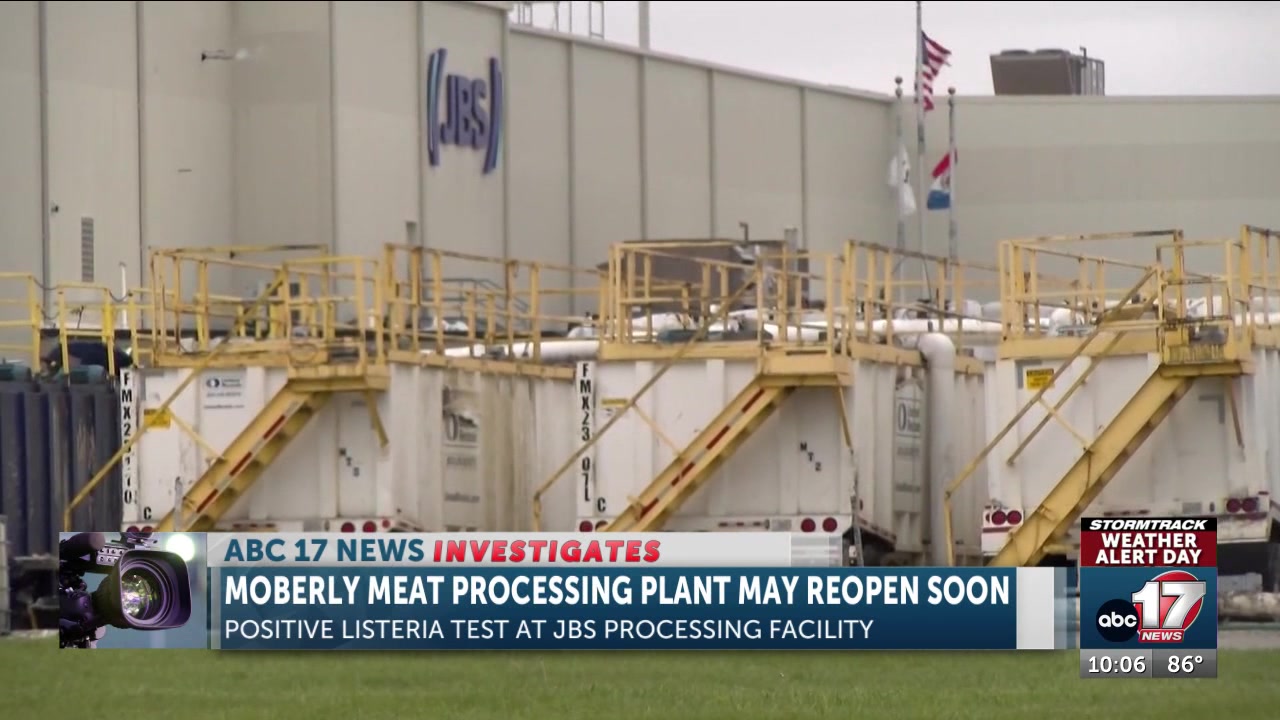
Brattin seeks records on planning of DBRL’s ‘Rainbow Storytime’ event

Ryan Shiner

Editor’s note: A line in reference to a song that was performed at the event has been corrected.

COLUMBIA, Mo. (KMIZ)

One of Missouri’s state senators is looking into an LGBTQ+-themed story time event that occurred this past weekend at the Columbia Public Library.

The library hosted the event on Saturday morning even after Secretary of State Denny Hoskins had threatened Daniel Boone Regional Library’s funding if the event occurred. Sen. Rick Brattin (R-Harrisonville) announced in a Monday press release that he is requesting records relating to how the event was organized.

Another release was sent later on Monday stating that Brattin and Hoskins will hold a joint press conference at 2 p.m. Tuesday to address “their proposed investigation.”

The event included readings of “Rainbowsaurus” and “Big Wig.” “Rainbowsaurus” is about two dads and their three children following a rainbow to find the rainbowsaurus. Along the way, they meet animals of all different colors, according to Simon and Schuster’s website.

“Big Wig” is about youth dressing up in drag to compete in a costume competition, and finding confidence in dressing out of the norm, according to Simon and Schuster’s website.

“I hate that these elected officials are trying to make this a political moment for them because our library is a fantastic example of serving our community and the needs and the interests of our community. And this programming is not of concern,” Rep. Kathy Steinhoff (D-Columbia) said. “It is nowhere near the allegations that they are making, it is not any infringement of our law, it is just good literacy and community engagement happening in our local library.”

Steinhoff adds that she was confused on Hoskin’s threat of pulling funding.

“Money that is spent has to be appropriated through us [the General Assembly],” Steinhoff said. “I serve on the Budget Committee and I know that the General Assembly, along with the governor, we are allowed to appropriate money, I don’t know how the Secretary of State thinks that they can withhold that money that’s been appropriated.”

Brattin wrote in his press release that he requested records about the event, including advertising, materials, personnel and expenditures. The release also says he requested documents “showing whether age-appropriate notices were used and what steps library officials took to comply with laws protecting minors.”

Reporting from over the weekend shows in addition to the readings, singalongs of “Old MacDonald” and “Pink Pony Duck,” a song that is played using the melody of Chappell Roan’s “Pink Pony Club,” occurred and attendees received rainbow scarves and bubbles.

Both books can be viewed below.

Click here to follow the original article.
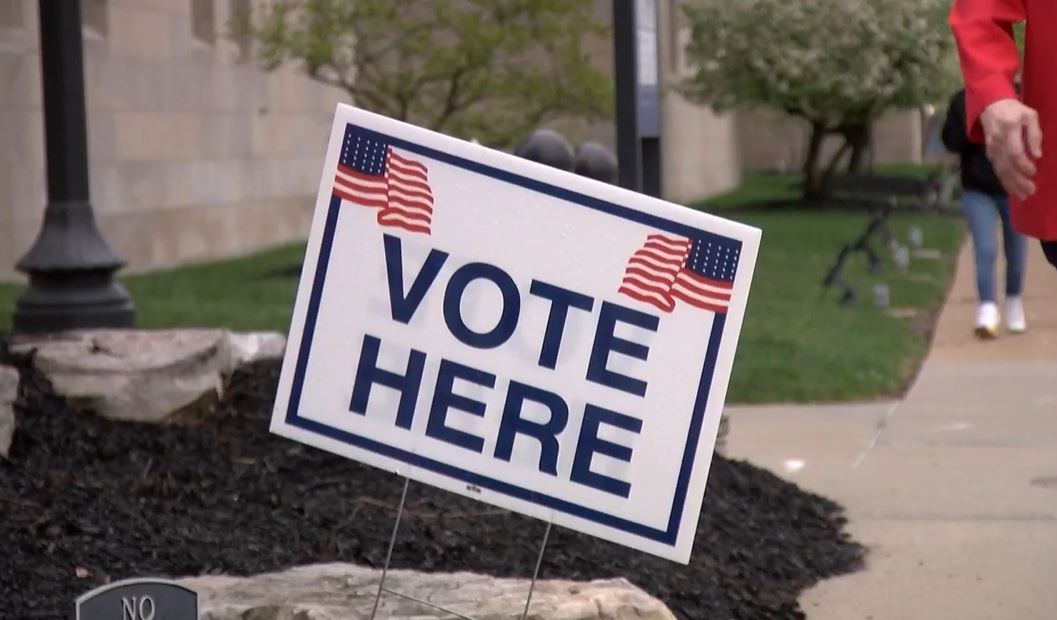
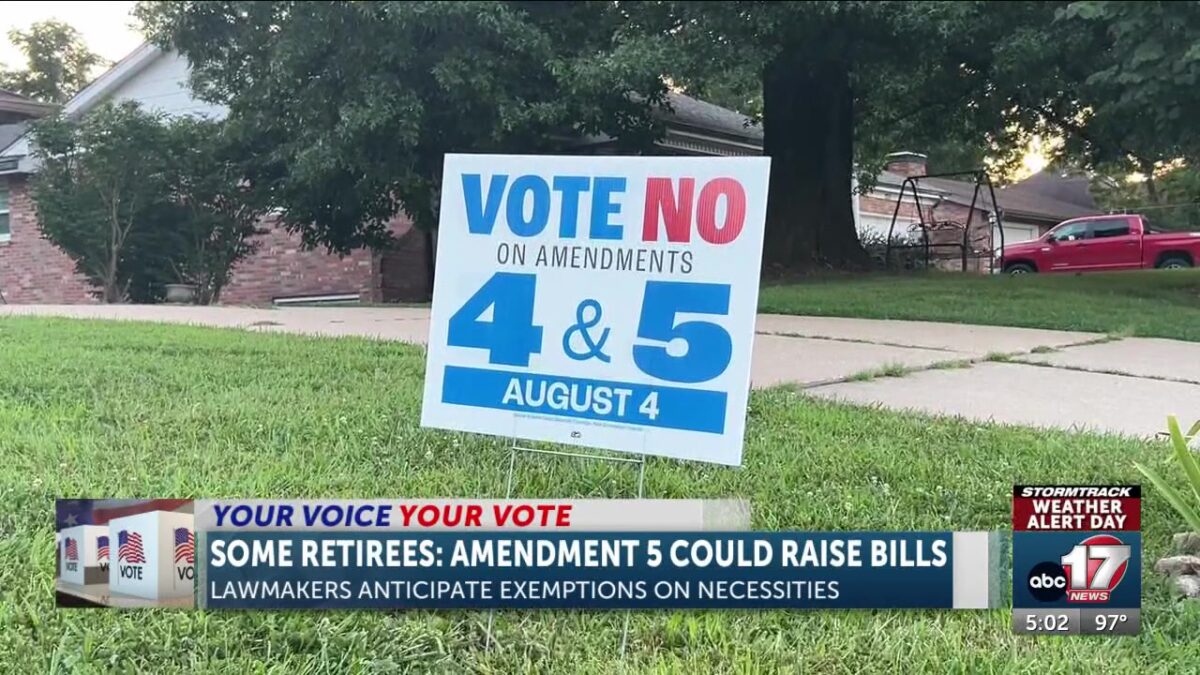
Some retired Missourians push back against Amendment 5 ahead of August election

Alison Patton

COLUMBIA, Mo. (KMIZ)

A majority “yes” vote on Amendment 5 on Aug. 4 would allow lawmakers to lower and eliminate the state income tax over time, but for people on fixed incomes, it could mean tightening their budgets.

“During the legislative session, I looked a it and thought this is going to be bad for Missouri retirees. There’s just no question,” AARP’s advocacy director Jay Hardenbrook said.

Lawmakers have suggested expanding what sales tax applies to, including services, and raising the sales rate, which could mean Missourians pay more at the register. Hardenbrook said retirees typically have to pay for more things after retiring.

Currently, Social Security is exempt from income tax, along with many public pension benefits and some private pensions, Hardenbrook said. Capital gains are also exempt from income tax.

“The vast majority of retirees in the state of Missouri pay little or no personal income tax in the state, so they won’t see really any benefit from that being eliminated,” Hardenbrook said.

State Rep. Bishop Davidson (R-Republic) said how the income tax is eliminated comes down to four factors: Timeline, sales tax base, sales tax rate and the state revenue.

“The Constitutional framework of Amendment 5 creates a predictable place for us to operate within, and so it’s just about kind of tinkering with all of those numbers,” Davidson said.

He was the bill sponsor of HJR 173 and 174, the law behind Amendment 5, which was passed in the spring.

Davidson claims passing Amendment 5 would close loopholes in the current law that restrict what can be included in sales tax. By expanding the sales tax base to include services, it could keep sales tax down while still phasing out income tax.

“If we could only get rid of those loopholes, we could literally eliminate the income tax and lower sales taxes at the exact same time,” Davidson said.

Research director at the Missouri Budget Project Lindsey Baker said if lawmakers rely solely on increasing sales tax, it could jump from 3% to 10.7%. Sales tax could be even higher than that when combined with local sales tax, and the sales tax rate could go from 8% to 16%.

“In order to fully replace the income tax lawmakers would need to dramatically increase the sales tax rate, greatly expand the sales tax base (what is taxed) which would increase net taxes by over $500 for the average Missourian,” Baker said.

Davidson said some things are exempt by law, like real estate, healthcare, groceries, gasoline and nonprofits. Those exemptions aren’t written into the law.

The law also doesn’t have a timeline, which Davidson said would give lawmakers more flexibility, but he’s hoping for it to be phased out between 2032 and 2036. Those details would be determined by the 2027 legislators, and Davidson said it’s likely that the construction of the following laws would be outsourced to “other people to figure out what the best policy would be for our state.”

Previous reporting shows many people are hesitant to back the amendment, mostly because there isn’t a solid plan. Davidson said he talks to Missourians during town halls on the ballot measure, and many people come in hesitant but leave feeling confident.

“I think there’s a lot of skepticism coming into the town hall,” he said. “If that room would vote [on the measure], it would pass.”

Click here to follow the original article.
Former Miller County deputy sentenced to 20 years in prison for child molestation

Ryan Shiner

COLUMBIA, Mo. (KMIZ)

A former Miller County deputy was sentenced to 20 years in prison after he pleaded guilty to first-degree child molestation on Friday.

Kyle Carroll was previously charged with five counts of first-degree child molestation.

Court documents in previous reporting say law enforcement officers were called to Carroll’s residence in September 2025 after he sexually assaulted a minor.

Law enforcement was allegedly told Carroll molested the victim in April or May of that year, court documents say.

Carroll allegedly admitted to having sexual encounters with the youth on several occasions, court documents in previous reporting say.

Click here to follow the original article.
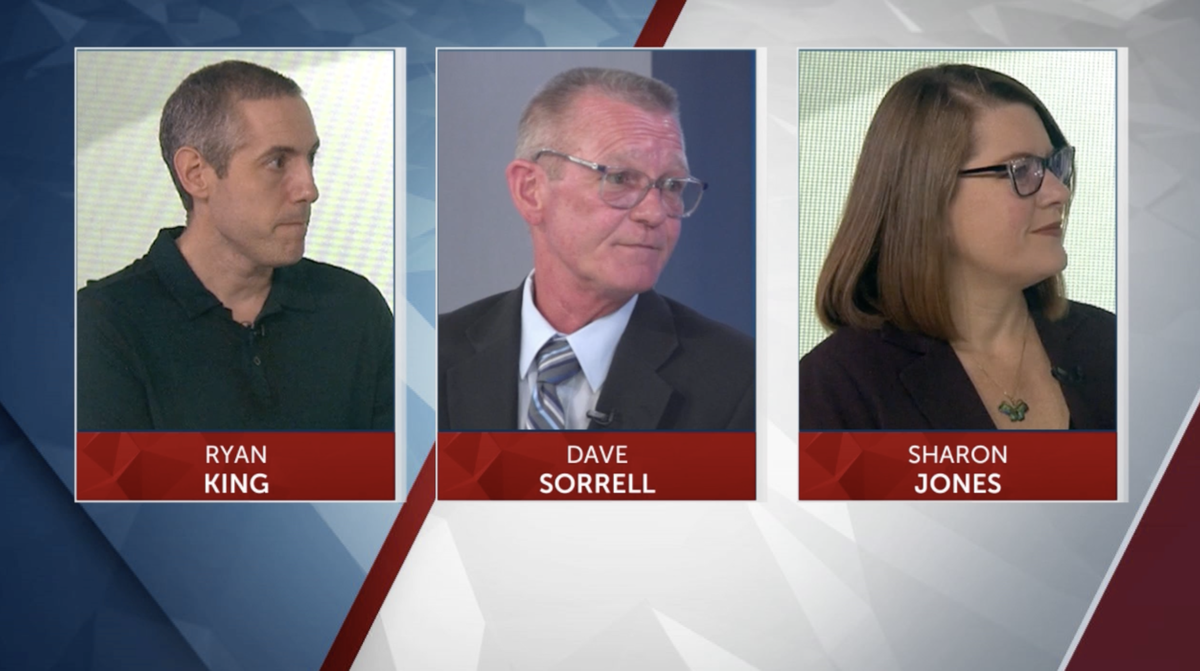
Missouri’s new temporary tag system delayed until February 2027

Demetra Alarcon

JEFFERSON CITY, Mo. (KMIZ)

The Missouri Department of Revenue has delayed the second phase of its FUSION system, which goes in hand with vehicle sales tax and temporary tags.

Missouri Senate Bill 28 was signed into law on July 2, 2025, with its main focuses being changes to vehicle sales tax and temporary license tags.

The biggest change Missourians will see is that they will have to pay vehicle sales tax at the dealership instead of at a licensing office. The law requires a sales tax to be paid at the dealership at the time of purchase, which includes the temporary tags. The new temporary tag expiration date is extended to 90 days.

This change ensures that state and local governments collect sales tax revenue that otherwise would have gone unpaid, according to Department of Revenue Director Trish Vincent.

To implement this change, the DOR came up with its new FUSION system and the second phase will be completed in February 2027. It has not gone completely in effect because the systems are not yet in place.

“Because we’re impacting so many people that are going to have to use the system, we wanted to make sure everything was going to be working properly,” Vincent said.

Vincent then expressed how the department is using the time to educate people on the new changes.

“So we wanted to, again, give ample time, because if you roll something out and you have a lot of problems, that just causes really bad customer service and we want to improve customer service,” Vincent said.

Click here to follow the original article.

Senate District 6 candidate interview: Todd ‘Ike’ Skelton

Haley Swaino

JEFFERSON CITY, Mo. (KMIZ)

The presiding commissioner of Camden County wants the opportunity to serve Mid-Missouri on a larger scale.

Todd “Ike” Skelton is one of the six candidates seeking the Senate District 6 seat after Sen. Mike Bernskoetter’s term is up in January 2027. The state Senate district covers several Mid-Missouri counties, including Cole, Camden, Miller, Moniteau and Morgan.

Skelton’s opponents are Amber Buckles, Derrick Spicer, Lisa Thomas, Rudy Veit and Jake Vogel.

HALEY SWAINO: What would you like voters to know about you as a person and as a candidate?

IKE SKELTON: Well, as a person, I’m just very passionate about the government that we have. I’m passionate about what our nation is founded on. I’m passionate about the blessings that this nation has given so many millions of people. And I just want to see a smaller government, a responsible government to the people. And personally, why I really ran for this office is all of those same reasons, because I don’t see that kind of government coming out of the Capitol. And here in Missouri right now, I see an awful lot of abuses of the Constitution. I see a lot of government largesse, tax breaks and carve-outs for large corporations and other special interest groups. And I want to try to do something to turn that back around for people.

SWAINO: Next question here. What do you see as the top issues facing Senate District 6? And then maybe what specific legislation would you introduce or support to address those issues?

SKELTON: Well, you know, infrastructure is always an issue. And one of the big problems we have right now in Missouri is energy production. And I believe we need to look at a much more robust energy package. It’s sad that we’ve gotten away from coal. It’s sad that we aren’t working on natural gas quite as much. We know that the federal government, especially, has pushed and kind of almost forced through all of the billions of dollars in incentives in wind and solar that’s gobbling up Missouri farmland by the tens and dozens of acres at a time, hundreds of acres at a time. So I really want to do something about that. The Missouri legislature has kind of kicked the solar regulations legislation down the road for the last five years or so, and it’s time that somebody does something about that. I know Missourians are very concerned about their farmland being taken up by these.

And the data centers, obviously, data centers are also a huge concern. And one of the biggest concerns about them is the energy that they consume. And the Department of Natural Resources will tell you: I was in a meeting several months ago, two weeks ago. Most of our energy is brought in from out of the state. We’re just not producing enough energy here in Missouri. And nuclear is a long way out. I really want to see a return to coal. And I don’t understand why we tear down the ones that we have. I know there’s this big environmental thing, but we’ve been burning coal pretty cleanly for a long time now, and Missouri has a big chunk of its own. It might be a dirtier coal, but it’s time we start using some of those resources.

SWAINO: How will you balance economic growth here in Missouri while also preserving the quality of life for people in Missouri communities?

SKELTON: Well, that’s probably one of the places that I differ from a lot of my colleagues in economic development. I don’t believe it is the government’s function to perform economic development. I believe it’s the government’s function, get the heck out of the way of business and let businesses perform the economic development themselves.  

I would also like to see a lot more local control on these issues. As the presiding commissioner in Camden County, I have been often times hands tied and struggle to try to do things in our community to help prevent. We have the lake there so we really need to preserve that. So I would like to see a little more local control on some of those issues. And if, and I think if we have local control, then you’ll have the people in those communities decide whether they want to have this huge industrial base in their community, or maybe they just want to kick back on the front porch or watch the world go by.

SWAINO: How will you work with legislators from both parties when your constituents’ interests are at stake?

SKELTON: I work with anybody literally across the aisles. I’m tired of this left-right paradigm that we have in an awful lot of cases. Anything that is good for our state that doesn’t violate the Constitution, doesn’t violate my principles as a conservative Republican, I will work with those folks. I want to see things changed in Missouri. Our tax code desperately needs to be changed, and [Amendment] 5 is not the way to do it, by the way. But we need some, we need to, we need to do some more innovative things. We do way too much what I call corporate welfare, of cutting different corporations out of the tax base, different industries out of the tax base. So we need to look at all of those different areas. And I’ll work with anybody on any of those types of subjects.

SWAINO: Okay, great. Next question here. How will you stay accountable to the people of District 6, if elected? How can constituents expect to maybe communicate with you throughout your term?

SKELTON: So, I mean, five counties is a lot different than just the one county of Camden. But I am very honored to say and believe that our commission is probably one of the most open and active and transparent commissions, governmental bodies, maybe in the entire state. At the end of every meeting that I have, I ask, ’Is there anybody here that wants to bring something else before the commission that is not otherwise on the agenda?’ And people know that I have an open-door policy in my commission office right now. Anybody can come in and talk to me at any time, and I want to have that same policy here. I know it’s a lot more different people and your time is very limited, but I want to work on that to figure out how we can make more time for the public to come in and speak with us here at this office. You know, we have six months out of the year that we’re not even in office. So making sure that you continue to go around the district and see different folks, have different old meet-and-greets or whatever, and get that feedback from the people. Because Article 1, Section 1 of Missouri’s Constitution says all political power is vested in the people, and the people need to be more involved. And I want them to be involved.

SWAINO: And what should Missouri do to address the rising cost of living? What is kind of your take on it?

SKELTON: Well, unfortunately, an awful lot of that stuff comes down from the federal government. You know, if we had more governors around the country that would just tell the federal government, ‘now, we’re not going to do these sorts of things,’ the money that we spend, the trillions that are being printed in Washington, D.C., and spread out to the states. And then we just take that, and we use it, thinking that we’re bettering ourselves when in reality all of those sorts of things cause inflation. They cause artificial growth where maybe that growth doesn’t need to exist yet or isn’t ready for it, which then strains our infrastructure.

So what can we really do as a state? We can lower taxes and cut our spending at the government level, and try to put more money back in the pockets of taxpayers. As far as price controls, I just think the best thing that we can do is get out of the way of business, once again cut those regulations. You know, we had a great question the other evening in a candidate forum, and they asked about daycare and subsidies for daycare, but we never looked at the regulations that are causing a daycare shortage to begin with. How about we look at some of those things and figure out how to get government out of the way instead of using more taxpayer dollars to try to solve that problem?

SWAINO: Now that was my next follow-up question. What’s your position on state taxes? Would you support raising or lowering them?

SKELTON: Well, we definitely need to cut spending. That’s the very first thing we need to do. And the lieutenant governor said there are some 300 or 3,000 new programs that have been caused by this most recent last few budgets. You know, and I find it interesting as to say that we have a spending problem and then want to give them the ability to raise our taxes however they want to in Amendment 5. But they don’t really talk about cutting spending. As a matter of fact, they even just tell you that Amendment 5 is just kind of a revenue neutral. Well, then what are you trying to do? So no, I want to look at cutting spending. We definitely do not need to raise taxes. I would really like to figure out how we could eliminate the personal property tax statewide. And I will work with folks on that very, very hard. I think that is the one tax other than real estate tax that’s a little tougher nut to crack, but I’d like to get rid of that, too. But personal property tax, we should be able to eliminate that. And I think that would put a ton of money in people’s pockets instead.

SWAINO: Why are you the best candidate for this seat?

SKELTON: Because I truly do have a passion for not just serving people. I’ve been a servant most of my life. I’ve been in some sort of service through the military, through working, and through child support enforcement, family services. I was a corrections officer for a while, so, and then even when I was a locksmith, my last non-government profession, as it were, I still served people and help take care of people, get them out of jams that they were in, lock their keys. And so I have a passion for serving people, and I am very passionate about our Constitution.

I’m very passionate about small government, and I already have that in my heart. I’m not going to be a yes person for any other politician. I’m not going to be a yes person to leadership. I am not getting the big money from lobbyists that I’m then going to be beholden to. I’m not getting big money from corporations that I could maybe be beholden to. I’ll be beholden to the people. I’ll be beholden to the Constitution, and I truly do, I’ve had a lot of different experiences in life, which I believe give me that unique opportunity to understand where an awful lot of people are coming from.

As I said, I was a mechanic in the United States Army for eight years. I was a corrections officer for a while. I worked in child support enforcement, family services. I was an operating engineer, Local 513, operated heavy equipment for a while. So, and then a locksmith, like I said, I, I have this difference experiences that I believe uniquely set me apart to understand the viewpoints of various different constituent groups.

SWAINO: Okay, great. And then what’s something that maybe along this campaign trail, you don’t get asked at candidate forums or something you want to speak on and let viewers know and people, voters, know before they head to the polls that you don’t get asked about often.

SKELTON: Well, you know, quite honestly, it’s the issues in a number themselves. There’s a ton of money being spent against me on personal matters. And, oh, by the way, all my taxes are paid, but you can’t run for office if they’re not. But these are the lies are spreading out around me. So we’re not talking enough about the issues. I appreciate this opportunity to talk about some of those things. I’d love to see in more debates where we really talked to and got deeper in, you know, a one-minute answer on a candidate forum. I appreciate the opportunity, but it really just isn’t enough to dig a little bit deeper into those issues. So that, to me, is kind of unfortunate that, you know, various Republican clubs or civic organizations, they send out questionnaires, problems with yes or no answers on something like that. But that’s probably what I’m missing most, is it’s just not having that opportunity to really discuss with the other candidates about the issues so that people can truly see a difference in how we would, how we can make legislation instead of, I mean, look, most every politician is likable. You need to be likable. Most of us have families that we love and adore, and all of these different things. So getting down to the meat of what’s really going to happen when somebody wins and sits in a seat in a building behind us. What are they truly going to do? And those are the things I’d like to talk about a little bit more.

SWAINO: Okay, great. Last question here. Any last thing that you want people who maybe still are on the fence about where they’re going to cast their vote, they should know about you before heading to the ballot box?

SKELTON: Folks, I am not bought and paid for by anybody. I’m not going to be a rubber stamp for anybody. I truly want to serve the people of my district and the State of Missouri. And it’s not just the Senate District 6 that’s going to matter. Because every decision we make in this building behind us affects the entire state. So we need to be more cognizant of that.

I will not be beholden to special interests. I will not be beholden to the lobbyists and their efforts and money and so forth. I believe that really sets me aside — I have been an activist for small government for a long time. I know how this place operates, and that’s kind of why I want to be on the inside. And they don’t want me there. They’re spending a ton of money to keep me out of it. They’re going after me personally and not talking the issues. Because they know I’m not going to be that rubber stamp. I’d appreciate your vote, Aug. 4, in the Republican primary.

Click here to follow the original article.