New Green Card Rules: What the new public charge rule means

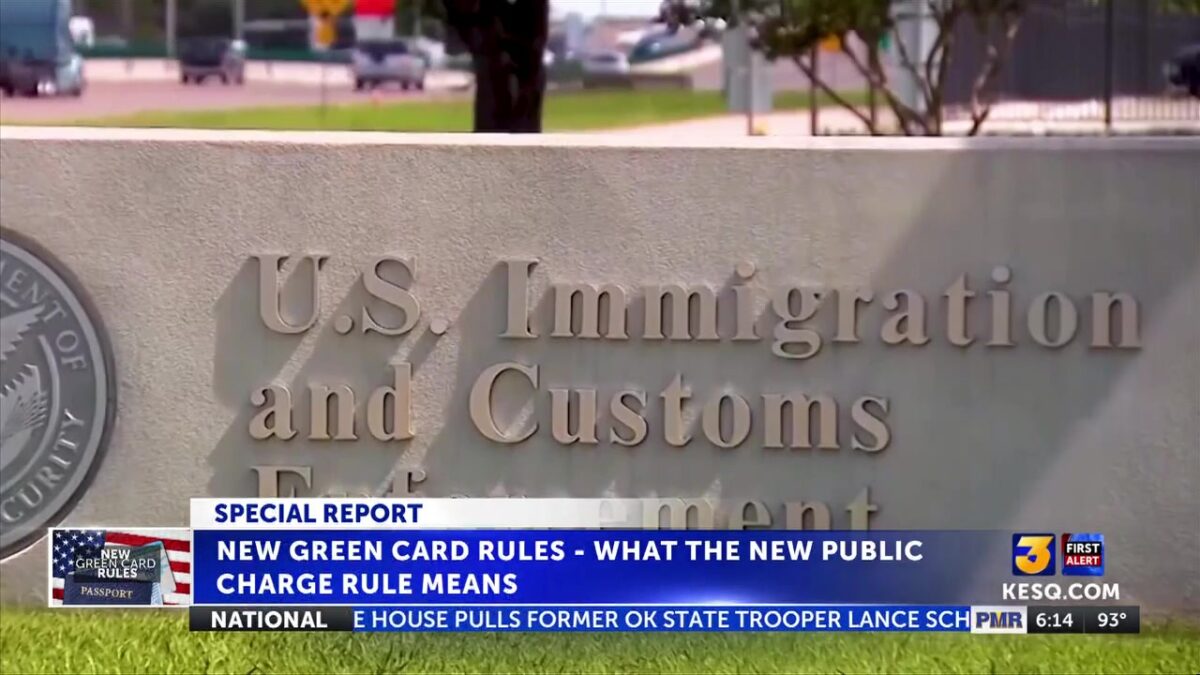
COACHELLA VALLEY, Calif. (KESQ) – A change to the green card process takes effect September 18, changing how U.S. immigration officials evaluate some applicants.
The change involves the federal government’s “public charge” rule, which is used to determine whether someone seeking permanent residency is likely to become primarily dependent on government support.
Under the previous regulation, USCIS generally considered a narrower set of public benefits when making that determination.
Starting September 18, USCIS will give immigration officers more discretion to consider relevant information about an applicant’s overall circumstances.
For some immigrant families, the change is creating new uncertainty around an already lengthy green card process.
Mayeli, who asked to remain anonymous, is currently applying for a green card.
“We’ve been here for a long time with the hope of attaining residency and then the time comes when that opportunity arises but then situations like this arise,” she said.
Mayeli says she is concerned about what the changing immigration rules could mean for her future.
“I’m feeling not happy because there is that uncertainty. Right now, I don’t have a status… with everything going on, with the political climate, I am fearful,” she said.
She also described the green card application process as difficult.
USCIS says the new rule is intended to enforce immigration law and protect taxpayers from supporting people who may become dependent on public benefits.
The agency says officers will review each case individually and consider all relevant information rather than basing a decision on one factor alone.
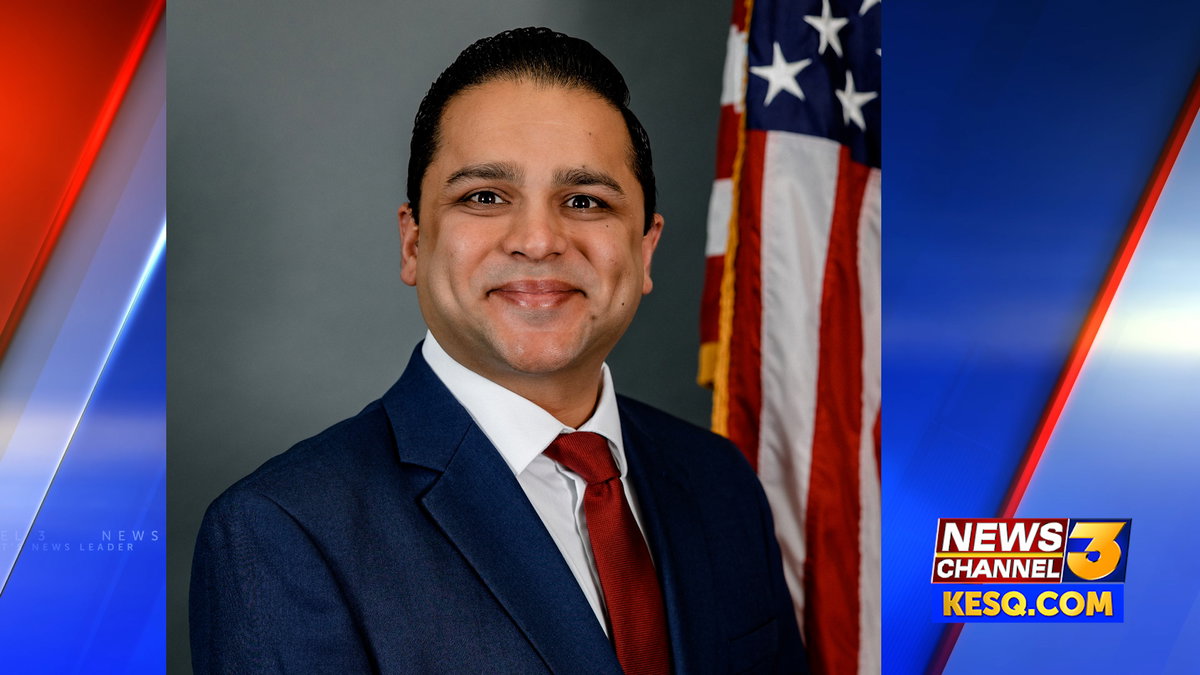
Congressman Raul Ruiz says the change could add another barrier to an already complicated immigration process.
“Our immigration system is broken and putting more barriers is going to lengthen the time and make people get fed up of the actual process of applying for a green card,” Ruiz said.
Ruiz also criticized the Trump administration’s broader immigration enforcement policies, saying he believes the administration’s approach is creating additional fear and hardship for immigrant communities.
Claudio Koren, an immigration attorney with TODEC Legal Center, says the change reflects a broader shift toward stricter reviews of immigration benefits.
“This administration has made very clear what is their position on immigration in general. Situations with applicants, document or with particular status, they want to reconsider if those people are entitled or deserve to receive particular immigration benefits,” Koren said.
Koren says the public-charge determination is not based on one issue alone.
“It’s an analysis that the government says, ‘Okay, you came to me for immigration status, I want to know and be sure that you can sustain yourself, support yourself, that you will not become a public charge,’” Koren said.
USCIS says officers must review the totality of an applicant’s circumstances when making a determination.
“Anybody that will apply today, be very careful because not only the risk is the denial of this particular benefit, is also the consideration if that person can still remain in the country or be removed and deported,” Koren said.
Koren also says there are still multiple legal pathways available for people seeking immigration status, depending on their individual circumstances.
The change does not mean people who already have green cards automatically lose their status.
Lawful permanent residents who are simply renewing their green cards are generally not subject to a public-charge review.
USCIS says receiving a benefit does not automatically mean someone will be denied a green card.
For Mayeli, the goal remains the same despite the uncertainty.
“We are hardworking people. We are not hurting anyone. The only thing we want to do is work and provide for our family and the country,” she said.
For more information, click here.
For resources, click here.
Stay with News Channel 3 for more.
Click here to follow the original article.




 Traffic as of 9:20 p.m.