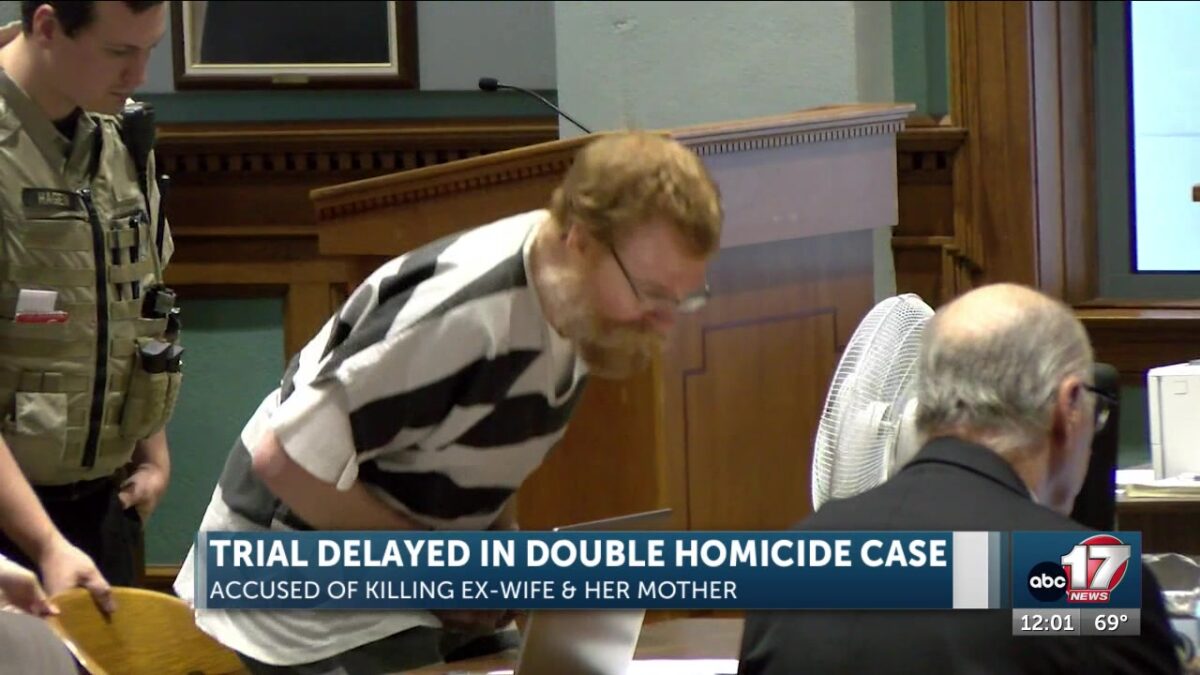
Columbia Board of Education passes 2026-27 budget

Ryan Shiner

COLUMBIA, Mo. (KMIZ)

The Columbia Board of Education unanimously passed the 2026-27 budget at its meeting on Monday evening.

Previous reporting and a presentation from the district show the operating budget projects $309.8 million in revenue compared with $321.5 million in expenditures, resulting in a planned use of approximately $11.7 million in reserves.

Healthcare costs are rising with the continued funding of medical, dental and life insurance for full-time employees and projected increases in health insurance costs, with medical insurance rising from about $7,956 to $9,552 per employee.

Operating expenditures rose $17.2 million for the upcoming school year from last year.

The largest portion of the operating budget includes special programs at $48.13 million (14.97%). Special programs include summer school, vocational programs, ELL, special education, gifted programs, Title I and alternative education.

The next-highest cost in the operating budget is elementary education at $47.95 million (14.92%).

Budget PresentationDownload

Click here to follow the original article.

Columbia considers $42 million utility meter modernization project

Mitchell Kaminski

COLUMBIA, Mo. (KMIZ) 

Columbia is looking to finalize a $42 million project to modernize the city’s electric and water meter infrastructure; replacing and retrofitting tens of thousands of aging meters with advanced technology designed to improve billing accuracy, outage detection and customer access to utility data.

The proposed Advanced Metering Infrastructure project would replace 53,992 electric meters and replace or retrofit 52,747 water meters across the city. The system would allow utility usage data to be collected remotely, replacing the city’s current meter-reading process.

City staff says Columbia faces several challenges with its current system, including manual meter readings, meters that have exceeded their useful life, operational inefficiencies, a lack of data transparency, and meter failures caused by dead, stuck, or inaccurate equipment.

Under the proposal, Columbia would install new solid-state electric and water meters, establish a city-wide Advanced Metering Infrastructure network and integrate new meter data management software with the city’s existing utility billing and customer portal systems.

During a City Council work session Monday, Utilities Director Erin Keys said staff have been working on the proposal for several years. Columbia selected Ameresco in March 2025. The agreement was amended in August 2025 to include the evaluation and development of an AMI solution for the city’s electric and water utilities.

Ameresco conducted an audit of the city’s utility metering systems, reviewed meter databases, performed field surveys and evaluated current operations before developing the recommended project scope.

City Engineering Supervisor Eric Wortz said Columbia has fallen behind other utilities in adopting modern metering technology.

“It’s really important to get done because the technology we have, we’re pretty behind,” Wortz said. “We really need to catch up with the way that other electric utilities around the state and around the country are doing their data collection for metering.”

Representatives from Ameresco called the project “a data, not a plumbing project”. 

According to city documents, residents would gain online access to hourly and daily electric and water usage information, receive leak alerts and benefit from faster responses to service inquiries and billing disputes. The system would automatically notify customers of potential leaks by email.

Ameresco added on Monday that some customers could see rate increases as a result of the change if their current meters were giving inaccurate readings. Wortz said the new technology would allow the city to identify leaks and outages much faster than the current system.

“They’re not able to detect a water leak until a month has passed by. So you might have a leak in your house, so you might not even know it,” Wortz said. “On the electric side we can’t tell when your power is out. We rely on you to call us and let us know that your power is out. With this system, we’ll be notified automatically, and that allows us to respond to your outage faster.”

Staff also cited benefits including more accurate utility data, reduced water loss, high-consumption alerts, theft and tampering detection, outage detection and greater transparency for customers.

Officials say the project would improve outage detection and restoration efforts while reducing unaccounted-for utility consumption. Electrical meter replacements would be completed before water meters because some water meters are buried or located in deep pits that require additional work.

The project carries a one-time cost of approximately $42.1 million, including a $41.97 million turnkey contract with Ameresco, software integration costs and three years of measurement and verification services.

City officials estimate annual software costs will begin at about $600,000 and increase roughly 3% each year.

To pay for the project, the city is working with lenders and expects to use either a loan or special obligation bonds. Debt payments would be spread throughout 10 years, with annual payments gradually increasing to about $5 million.

Staff projections estimate the system would generate more than $71 million in savings and additional revenue over a 15-year period through operational efficiencies, reduced meter-reading costs and increased utility revenue collection.

Julie Ryan, co-founder of the CoMo Safe Water Coalition, said modernizing aging meters has value, but questioned whether the project should be prioritized over other unfinished utility projects.

“Being able to improve upon the metering systems that we have, especially ones that are out of date, is something that is important. However, I think we really need to look at how this fits into the overall structure, the overall plan of what we’re doing with water electric here in Columbia,” Ryan told ABC 17 News. “This isn’t an insignificant expenditure. This is $42 million that we’re looking at in terms of trying to improve the metering infrastructure when we have multiple projects, both on the water and the electric side, that aren’t completed yet.”

Ryan pointed to several ongoing infrastructure projects she believes should remain a priority.

“We have the transmission line that still hasn’t been built. We have multiple water bond projects that aren’t complete, and that was money that voters gave to the city to get these projects done,” she said. “So it’s really hard to look at something like this with this metering and see that they’re talking about potentially getting funding from lenders or going for a bond issue when we have definitely shown historically that the city cannot complete projects that they’ve been given funding for.”

Among the proposed benefits, Ryan said leak detection could provide the greatest value.

“The biggest thing that I would see as a benefit would really be anticipating leaks and being able to see that there’s a lot of revenue that is lost through leakage, and that is something that can happen,” she said. “I think the thing that concerns me, though, is that this is a new toy. It’s a meter, a monitor of what’s still broken.”

But Ryan also cited concerns about the status of other water infrastructure projects.

“One thing is this water tower in the southwest. We still don’t have that. We still don’t have land identified,” Ryan said. “One problem, too, is that we are getting progress on the water treatment plant, but it isn’t really what we wanted holistically to see. There were deferred things that weren’t going to happen under Phase 1. We had to spend more money than what was estimated because of the delay in getting that done.”

City staff plans to continue discussions on the proposal before bringing contracts to the City Council for consideration. If approved, new meter installations are expected to begin in March 2027. Wortz said electric meter replacements are expected to take about 18 months, while water meter installations could take two to three years.

Click here to follow the original article.
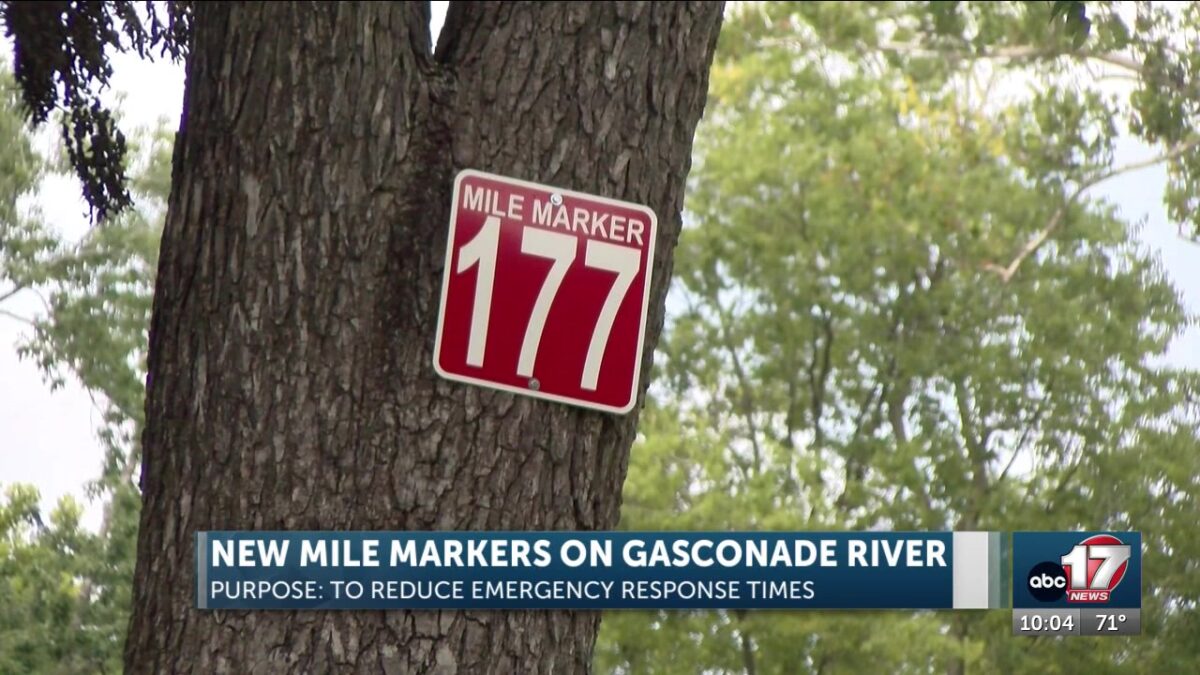
Columbia firefighters train at Hinkson Creek as flooding on roads continue around the area

Sutton Parker

COLUMBIA MO. (KMIZ)

The Columbia Fire Department on Monday completed swift water rescue training at Hinkson Creek as flood waters continue to flow across low water crossings in Mid-Missouri.

Battalion Chief Dan Berlemann said with all of the rain around the area the past few days, it was a good opportunity for firefighters to get out and practice.

“It is important for us to be able to take advantage of the high water, whenever it is high so that we can actually get out there and train realistically,” he said.

Usually the department will go to Six Flags Hurricane Harbor in St. Louis in order to simulate the flood water scenario. The trainings come after overnight the department responded to two water rescues in the area after Columbia set a new daily rainfall record just shy of four inches.

Columbia Fire Chief Jeff Brian Schaeffer said when it comes to water rescues, most of the time they are avoidable.

“The majority of the time I have been exposed to it, it has been somebody who has been over confident and decides to drive into flooded water,” he said.

He says the ground being very saturated right now makes it prone to flash flooding. When it comes to assessing if roadways need to be closed due to flooding, the Boone County Road and Bridge Department says the timing of floods makes it hard to close in enough time.

The department said most of the time, it receives calls from the Joint Communication Office and then dispatch a crew to assess whether or not a closure is needed. Sometimes it may take up to two hours for a crew to check it out, leaving and flooded roadway unblock until they arrive.

Greg Edington, the Director of the Boone County Roadway and Bridge Department, said it is important to be aware when driving in flooded conditions.

Edington noted most low-water crossings in the area have signage put up to warn drivers the roadway is prone to flooding. Additionally, he said another common thing the department deals with is drivers moving or bypassing the barriers.

“Pease do not go try to remove it and go through the flood. Once we put the barriers out across the road we have to constantly go to those areas and pull them back,” he said.

CFD officials also noted if you get stuck on a flooded roadway it could take the department anywhere from five-to-eight minutes to reach the scene.

Most area fire departments have been warning motorists the past several years to not drive through flooded roads with the phrase, “turn around, don’t drown.”

Click here to follow the original article.

MSHP releases video of chase involving man accused of killing man, shooting woman

Ryan Shiner

COLUMBIA, Mo. (KMIZ)

The Missouri State Highway Patrol on Monday released video from a May 7 chase that ended with a man shooting himself.

Law enforcement had chased Steven A. Swanson, 32, after he allegedly shot and killed a 35-year-old man and injured a 65-year-old woman near the 5100 block of North Douglas Drive, outside the Columbia city limits.

The video – which ABC 17 News has filed a records request for – was posted by MSHP to its X page at 3:19 p.m. Monday. The edited video shows dashcam footage and scenes inside the trooper’s car.

05.07.2026 : Pursuit of homicide suspectThis event occurred during a homicide investigation by the Boone County Sheriff’s Office.@MSHPTrooperF pic.twitter.com/HxlfTkvcfv

— MSHP General HQ (@MSHPTrooperGHQ) June 8, 2026

Law enforcement is seen on the video chasing Swanson’s vehicle on Highway 63. Cpl. Harris is seen conducting a pit maneuver on Swanson’s vehicle, which causes it to spin out and Swanson fired a shot at the trooper from the passenger window side, the video shows.

A bullet hole was seen in the passenger window and eventually in the back passenger-side door. At least two vehicles appeared to be hit by gunfire, the video shows.

The chase ends after Swanson’s vehicle was stopped in the median. He was found dead with an apparent self-inflicted gunshot wound, an MSHP spokesman previously stated and is reiterated in text in the video posted to X.

Swanson finished a 120-day shock incarceration program with the Department of Corrections about a week before the shooting, previous reporting shows.

Previous reporting shows Swanson was accused of stabbing his brother in the leg in October 2025. He pleaded guilty in that case on Dec. 22 to third-degree assault. He was ordered to serve five years of probation and to complete a shock program.

Click here to follow the original article.
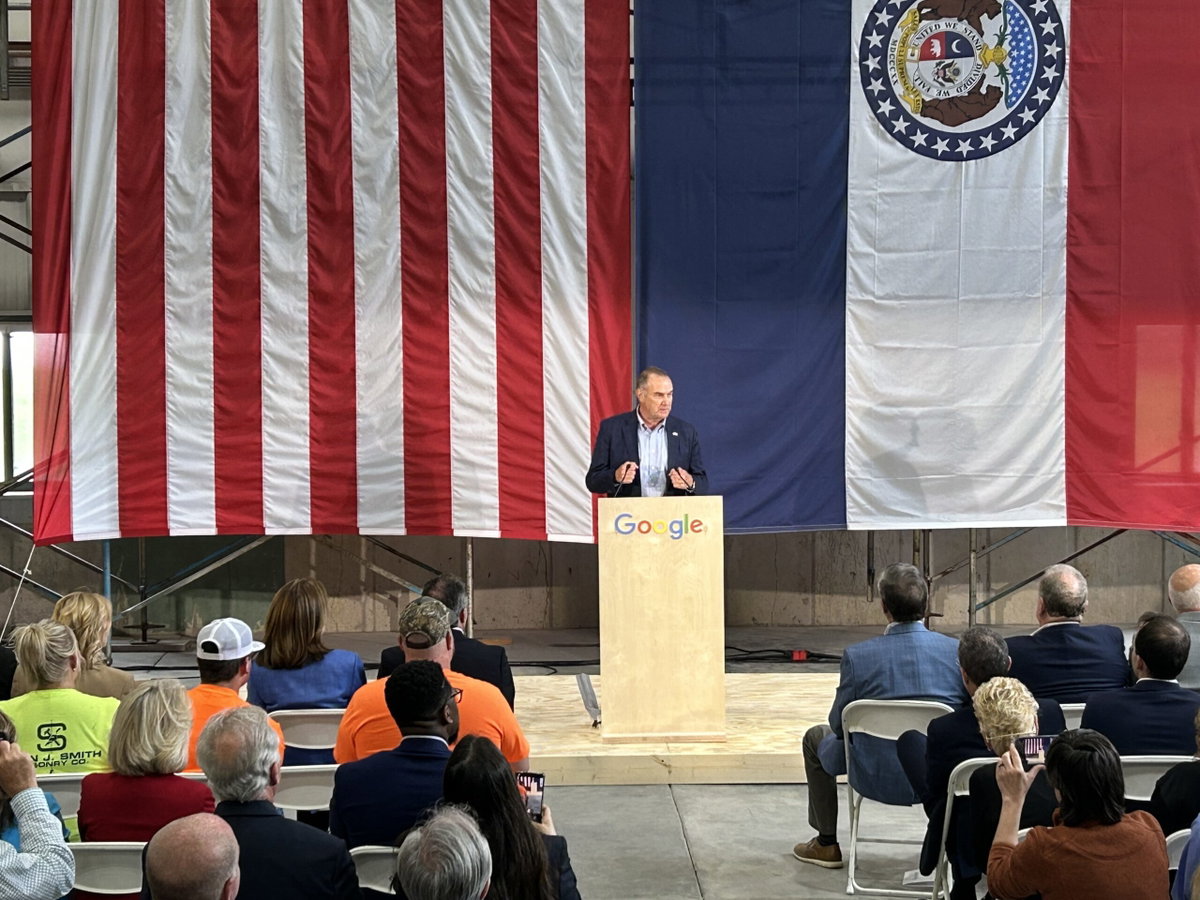
Man on probation for assault plea accused of hitting victim in head with wrench

Ryan Shiner

COLUMBIA, Mo. (KMIZ)

A Jefferson City man who was on probation for a first-degree assault plea from 2024 has been charged again.

Timothy Jerome Dale, 57, was charged on Monday in Cole County with second-degree assault, drug possession and tampering with evidence. He is being held at the Cole County Jail without bond and a court hearing has not been scheduled.

He pleaded guilty on June 20, 2024, on Cole County to first-degree assault and was sentenced on Dec. 6, 2024, to five years of probation and a 12-year suspended sentence.

The probable cause statement in his new case says an argument occurred on Sunday at a residence on Mulberry Street between Dale, the victim and a witness about Dale living with one of the witnesses.

Dale allegedly hit the victim in the head with a socket wrench and one of the witnesses ran for their safety, the statement says.

The victim was seen with a cut to their head that required staples to close and he was brought to Capital Region Medical Center, the statement says. The victim was treated and eventually released, the statement says.

A second witness convinced Dale to leave the home and speak with police when officers arrived, the statement says.

An officer wrote that a “crumpled piece of aluminum foil” was found on Dale and that officers had placed it on the hood of a patrol vehicle. Dale allegedly then bent over and swallowed the aluminum foil, court documents say. Similar pieces of foil were found inside an aluminum wallet, each containing methamphetamine, the statement says. Nearly 5 grams of meth was found, police wrote.

“Under Miranda, the Defendant did not admit to the assault, but stated if he did assault the Victim, it would be out of self-defense, and the Victim would deserve any injury sustained,” the probable cause statement says. “The Defendant stated if he did assault the Victim, he would kill him. The Defendant also stated he was actively under the influence of alcohol and narcotics and has been in an intoxicated state for several days.”

Click here to follow the original article.
Christopher Ave named city’s new communications director

Ryan Shiner

COLUMBIA, Mo. (KMIZ)

Christopher Ave will start a new role later this month.

The Director of the University of Missouri’s media relations and public affairs will become the City of Columbia’s communication director on June 22, the city announced in a Monday press release.

Ave was one of three finalists announced by the city last month and will make $150,000 per year in his new role, the city confirmed with ABC 17 News. The city hired a firm for $28,000 to find its new director after Sydney Olsen left earlier this year for a similar position at Central Bank, previous reporting shows.

The other two finalists for the role included Rob Jones and Shayne Martin. The city held an event last month for residents to meet the finalists.

“I am thrilled at the opportunity to lead communications and engagement efforts for the world-class city of Columbia,” Ave was quoted in the city’s press release.

He has more than 30 years of experience working in journalism and strategic communications, the release says. Ave has also worked as the director of communications with the St. Louis County Department of Public Health and was previously an editor at The St. Louis Post Dispatch, the release says. He has a master’s degree in journalism from Columbia University, according to the release.

“Christopher’s extensive experience in journalism and strategic communications makes him an outstanding addition to our team,” City Manager De’Carlon Seewood was quoted in the release. “We are excited to welcome him to the City and look forward to his leadership in strengthening communication and engagement with our community.”

Click here to follow the original article.

Columbia Public Schools back in court for charter school fight

Marie Moyer

JEFFERSON CITY, Mo. (KMIZ)

Columbia Public Schools will return to Cole County court on Monday as the months-long legal battle over charter schools in Boone County continues.

CPS filed the suit in December after the charter school, Frontier, announced a plan to establish a charter school in the county. The application was later approved by the state’s Board of Education in April.

The case primarily revolves around SB 727, which was signed in Spring 2024.

SB 727 states that charter schools can be operated in counties “between 150,000 and 200,000 inhabitants.” While the bill does not call out Boone County by name, census data shows that Boone County is the only county in the state that falls between these guidelines.

In a revised petition filed in April, CPS argues that SB 727 was unconstitutional since it only affects Boone County. They also argue that when the General Assembly went forward with the bill, it was required by the constitution to publish the provision in Boone County after it was introduced, which they also failed to do. The group also argued that the BOE’s approval of the application was also unconstitutional since it hinged on SB 727 to allow the school in the first place.

In their response, the state argued that the lawsuit is coming too late and CPS had until the end of the legislative session or May 30, 2025, to file the suit.

CPS pushed back against this, arguing they wouldn’t have known to prefile a lawsuit since no charter school applications were sent before the deadline.

“No one knew if there was ever going to be a charter in Boone County,” CPS attorney Natalie Hoernschemeyer said.

The state also argues that they and the Attorney General are not proper defendants for the case since they don’t oversee Board of Education decisions.

“We weren’t involved in it, it was the state Board of Education,” state attorney Ryan Dugan said.

They add that the state also has “sovereign immunity,” which prevents lawsuits from being brought against the state.

CPS initially argued that Frontier had not taken proper steps in its application, like receiving public input from the community.

According to court documents, CPS is requesting that the judge declare that the approval of Frontier’s application was unconstitutional and reject it.

Judge Emily Fretwell, overseeing the case, said she will make a ruling “in the next couple of weeks.”

This is an ongoing story.

Click here to follow the original article.
Alpha-gal syndrome: A growing concern in Missouri and beyond

Gabrielle Teiner

COLUMBIA, Mo. (KMIZ)

A tick-borne allergy might be on the rise across Missouri and the United States. But scientists and researchers can’t really pinpoint how much it may be growing.

Alpha-gal syndrome is a food allergy to products from mammals, like red meat, which contain the alpha-gal molecule, that a person can develop when bitten by the lone star tick (Amblyomma americanum).

Alpha-gal (galactose-a- 1, 3-galactose) is a sugar molecule naturally found in most mammals, but not in humans.

“Alpha-gal syndrome is a food allergy, but it’s a very unusual food allergy,” said Dr. Benjamin Casterline, a dermatologist and immunologist with MU Health Care researching alpha-gal syndrome. “It has delayed symptoms, and the symptoms are very variable.”

According to a Centers for Disease Control and Prevention study, more than 110,000 suspected cases of alpha-gal syndrome were documented between 2010 and 2022. These are classified as suspected cases because not every state tracks cases of alpha-gal syndrome.

Foods that can cause symptoms include beef, pork, lamb, venison, cow’s milk and gelatin.

More common symptoms include abdominal pain, nausea, vomiting, diarrhea and hives. More severe symptoms include anaphylaxis, arthritis, neurological symptoms, headaches, brain fog and in the most extreme cases, death. Some people may not have any symptoms at all.

Symptoms often start a few hours after eating something containing the alpha-gal molecule, but can start sooner or later.

Alpha-gal syndrome isn’t unique to the United States. Cases have been discovered in Europe, Asia and Australia.

Since the condition was discovered in 2009, the Centers for Disease Control and Prevention also estimates that up to 450,000 people in the United States may have alpha-gal syndrome, with many not even knowing they have it.

In May, the Missouri General Assembly passed HB 1855, tacked onto HB 2372, which makes alpha-gal syndrome a reportable condition, requiring labs to send positive results to the Department of Health and Human Services within seven days to keep better track of where more cases are popping up.

The law is pending a signature from Gov. Mike Kehoe.

From 2017 to 2022, every Missouri county but five reported at least one suspected case of alpha-gal syndrome, with 71% out of the 114 Missouri counties and St. Louis city having more than 87 suspected cases per 1 million people.

Most of the states with the most suspected cases are in the Midwest and the South, like Missouri, Arkansas, Tennessee, Oklahoma, Kentucky and eastern Oklahoma and Kansas. There are also states on the East Coast with high levels of suspected cases, like Virginia, Delaware and North Carolina.

Credit: Centers for Disease Control and Prevention

According to the CDC, this year, 67 out of 100,000 visits to the emergency department were for tick bites in the Midwest. Emergency department visits for tick bites more than tripled from March to April 2026.

“Unfortunately, we don’t really have any breakthrough treatments for alpha-gal syndrome,” said Casterline. “Nothing has been specifically studied for alpha-gal syndrome except for lifelong dietary avoidance, which is a tall order for people.”

And for some, like Rebecca McCorkle, who has been living with alpha-gal syndrome for around two decades, it is an order that dictates almost every decision she makes every day.

“When we go to visit family, we take our own pots and pans, when we go on vacation, we stay in Airbnbs, and we take our own pots and pans. When we do anything, that’s what we have to think about,” said McCorkle. “Every time that I turned around, I was having to pull out this laundry list of do’s and don’ts, I thought, ‘gosh, I’m not the fun, easy person that I used to be.'”

Watch ABC 17 News at 6 on Wednesday to hear more about how alpha-gal is changing life for some Mid-Missourians.

Click here to follow the original article.

Missouri Supreme Court denies appeal in income tax ballot language case

Matthew Sanders

JEFFERSON CITY, Mo. (KMIZ)

The Missouri Supreme Court on Monday denied the state’s appeal on a ruling last week that tweaked the ballot language on a question asking voters to eliminate the state income tax.

Chief Justice W. Brent Powell denied the appeal by state officials to challenge the rewritten ballot language in an order posted Monday morning.

“Missouri’s highest court is allowing voters to see a more truthful ballot summary of the power grab behind the politician’s Amendment 5,” Scott Charton, a spokesman for the group Missourians for Fair Taxation, said in a news release Monday.

The Missouri Western District Court of Appeals denied an attempt last week to take the question off the ballot, but rewrote the language that will appear with the question on the August primary ballot.

The court stated in the decision that its rewrite cleared up that a “no” vote would still allow for future changes to the tax system.

The court also changed the ballot summary to note that the amendment would require local tax rate cuts without reducing school funding if sales tax revenue increases.

Amendment 5 would allow the state to phase out the current income tax, while increasing sales taxes to make up for the loss, and was a major priority of the Republican majority in Jefferson City this past legislative session. Gov. Mike Kehoe decided in May to put the measure on the August primary election ballot. Other ballot issues were certified last week.

The lawsuit was originally brought by private citizen Jill Owens against Secretary of State Denny Hoskins and other state officials.

Click here to follow the original article.

One person rescued from floodwaters in Cole County

Madison Stuerman

COLUMBIA, Mo. (KMIZ)

One person was rescued after their vehicle was swept away in floodwaters in Cole County early Monday morning.

Jefferson City Fire Department said its crews were called around 5 a.m. to assist the Russellville-Lohman Fire Protection District near Scrivner Road and South Moreau Creek.

Russellville-Lohman crews arrived to find the car had tried to cross floodwaters but was swept from the road. The vehicle was completely submerged in the creek and the driver was on top of it.

Jefferson City Fire responded with a water rescue team, including a rescue boat with three Water Rescue Technicians. The person was rescued and brought safely to shore.

JCFD said Cole County EMS crews evaluated the person.

Click here to follow the original article.