Fire reported on natural gas platform off Santa Barbara coast


By Katherine Worsham , Gianella Ghiglino

Click here for updates on this story

    SANTA BARBARA, California (KSBY) — A fire was reported Monday morning on the natural gas platform “Habitat” off the coast of Santa Barbara.

According to the U.S. Coast Guard, the fire was reported just before 7:15 a.m.

There were 26 people on board the platform at the time. Coast Guard officials say everyone made it back to shore safely with just two minor injuries reported.

The Coast Guard established a 1,000-yard safety zone around the platform while crews worked to extinguish the fire. Officials say the fire was contained by 11:40 a.m.

Platform Habitat is operated in federal waters by DCOR, LLC.

According to the City of Carpinteria, it was installed in 1981, about eight miles from shore.

It produced natural gas but is now in the process of being decommissioned.

Environmentalists say the incident is a reminder of the potential dangers of offshore oil drilling.

“The entire process of drilling in our oceans risks horrible accidents that can injure or kill workers, spill oil that washes up on coastlines, and harm fish and wildlife,” said Joseph Gordon, campaign director for the organization Oceana. “Despite these threats, the Trump administration is considering a massive expansion of offshore drilling in California’s ocean, including using old, deteriorating infrastructure like the rig that caught fire today, putting more communities and coasts at risk. We must stop the cycle of destruction and protect both our oceans and those who work and live by them.”

KSBY News reached out to DCOR for comment but has not received a response.

Officials say there are no indications that any oil leaked from the platform into the water, and there are no impacts to wildlife or the public at this time.

Fire departments and harbor patrol from Santa Barbara and Ventura counties assisted during Monday’s fire.

“The entire process of drilling in our oceans risks horrible accidents that can injure or kill workers, spill oil that washes up on coastlines, and harm fish and wildlife,” said Joseph Gordon, campaign director for the organization Oceana. “Despite these threats, the Trump administration is considering a massive expansion of offshore drilling in California’s ocean, including using old, deteriorating infrastructure like the rig that caught fire today, putting more communities and coasts at risk. We must stop the cycle of destruction and protect both our oceans and those who work and live by them.”

KSBY News reached out to DCOR for comment but has not received a response.

Officials say there are no indications that any oil leaked from the platform into the water, and there are no impacts to wildlife or the public at this time.

Fire departments and harbor patrol from Santa Barbara and Ventura counties assisted during Monday’s fire.

Please note: This story was provided to CNN Wire by an affiliate and does not contain original CNN reporting. This content carries a strict local market embargo. If you share the same market as the contributor of this article, you may not use it on any platform.
New Orleans icon Neuty the Nutria dies after cancer battle

By Metia Carroll

Click here for updates on this story

    NEW ORLEANS (WDSU) — A beloved New Orleans animal known for bringing smiles to thousands of people across social media has died.

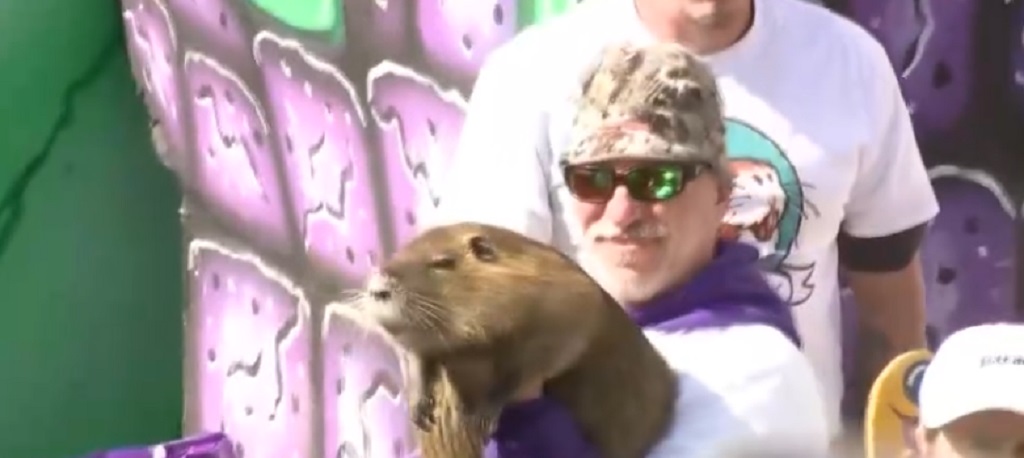
Neuty the nutria, a local fan favorite who has become something of a New Orleans internet icon, passed away peacefully in his sleep on Saturday morning.

In March, Neuty underwent medical tests after his owners revealed he had a malignant mass.

His owners say he tried to fight the cancer, but it was too aggressive and spread quickly. He continued to be active and not in pain during his last three months.

The update was shared on Tuesday on Neuty’s official Instagram page. In the post, his owners said they were taking him to the LSU Veterinary Teaching Hospital for further testing.

Neuty has gained a large following online and throughout the New Orleans community, where photos and videos of the unusual pet nutria have brought joy to thousands of people.

Please note: This story was provided to CNN Wire by an affiliate and does not contain original CNN reporting. This content carries a strict local market embargo. If you share the same market as the contributor of this article, you may not use it on any platform.
Police searching for man who stole over $9,000 worth of Pokemon cards from Pennsylvania shop

By Joe Brandt

Click here for updates on this story

    TRAPPE, Pennsylvania (KYW) — Authorities are searching for a man accused of stealing over $9,000 worth of Pokémon cards from a Pennsylvania card store earlier this month.

The theft happened just before noon on Monday, May 4, at Nashcards, on West Main Street in Trappe, Pennsylvania, according to state police.

The man went into the trading card shop and asked to examine multiple pieces of Pokémon merchandise for sale. When the store handed them to him, he ran away, according to a news release.

In dashcam video shared on the PSP Tips Facebook page, the man can be seen running through the parking lot, looking over his shoulder.

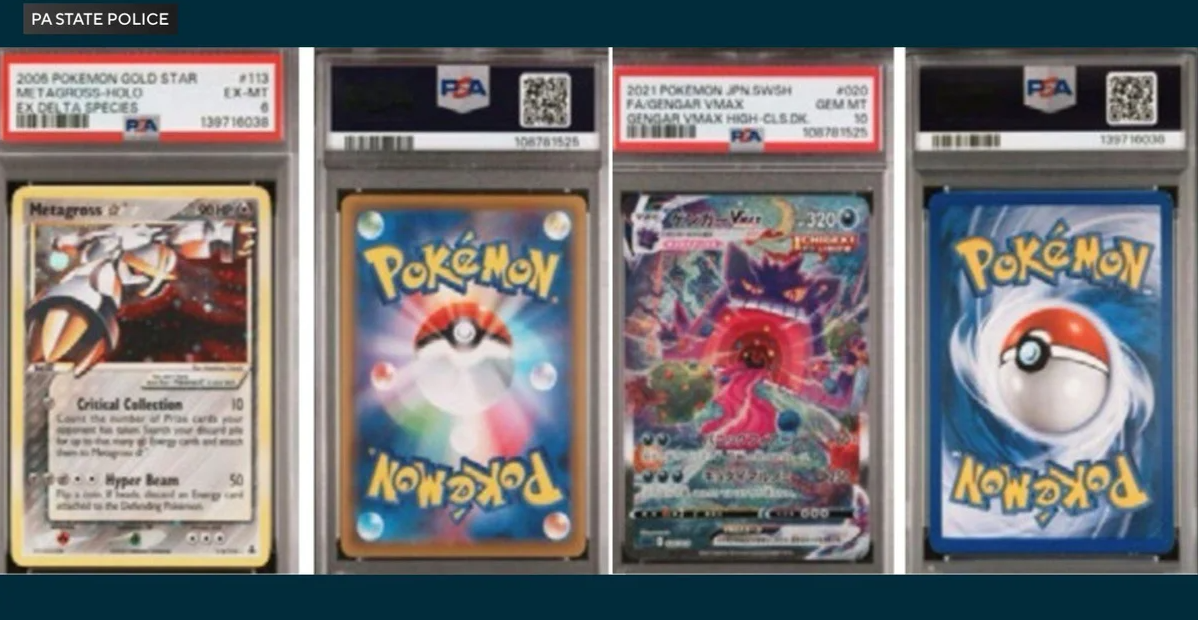
Police say the stolen items include a box of Base Set XY booster packs worth more than $4,200, and two cards that have been graded — meaning a collectible authentication service has verified they are legitimate cards and assigned them a rating based on their condition. Graded cards like these come in a special case labeled with details including their name and rating.

One of the cards is a Japanese-language Gengar VMAX printed in 2021 and graded as a PSA 10. The card is valued at $2,500. The other is a Gold Star Metagross Delta Species printed in 2005 and graded as a PSA 6, worth about $2,850.

The suspect was described as a man in his 20s, wearing a light-colored shirt and black pants, with a bag and an over-the-shoulder strap.

Anyone who reports information to PSP Tips that leads to an arrest could be eligible for a cash reward.

Please note: This story was provided to CNN Wire by an affiliate and does not contain original CNN reporting. This content carries a strict local market embargo. If you share the same market as the contributor of this article, you may not use it on any platform.
Family of nurses continues generations of saving lives at Christ Hospital

By Ashley Kirklen

Click here for updates on this story

    CINCINNATI (WLWT) — As National Nurses Week comes to a close, a West Side family is celebrating their remarkable three-generation legacy in nursing, with over 275 years of combined service in the field.

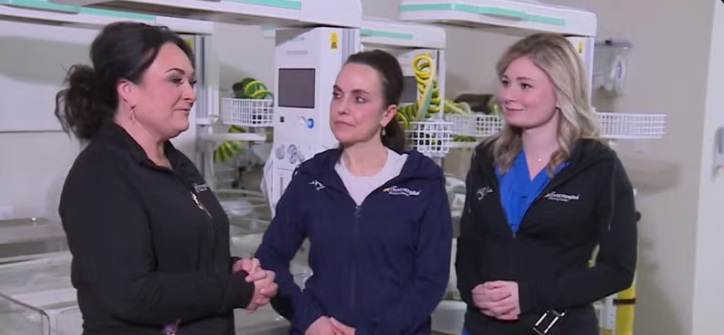
Sisters Charla Payne and Megan Henley, along with Charla’s daughter Madison McCreary, have dedicated their careers to helping deliver babies in the area, making nursing a calling that defines their family.

Charla Payne, clinical nursing director of the women’s health service line at The Christ Hospital, said this year will be No. 31 for her.

Megan Henley, assistant manager at Liberty Birthing Center, has been in the field for 26 years.

Madison McCreary, a labor and delivery staff RN at The Christ Hospital, has been a nurse for five years.

Together, the three women have over 50 years of nursing experience, but their family’s connection to the profession goes back even further.

“Our mom is a nurse and her sister is a nurse, and her sister is a nurse, and they both worked in the NICU at Christ and then out here at Liberty,” Payne said.

For the family, nursing was always a natural choice.

“Yeah, I knew what I was doing from the time I was itty-bitty. Yes,” McCreary said.

Beyond the family legacy, their passion for nursing is fueled by the honor of supporting patients during life’s most significant moments.

“It was just always kind of understood and, and viewed as an honor to sort of walk with people through that space. If someone was having a baby or, you know, after delivery or something like that, it was viewed as a very important thing, or even if they had lost a baby that, you know, it’s an honor to be in that space with them,” Henley said.

The nursing tradition extends to nearly a dozen other family members, including Charla and Megan’s other sister, her husband, and others who have joined the profession. Even those who marry into the family are expected to embrace the nursing culture, which can lead to lively discussions during weekly Friday night dinners.

The legacy will continue, as Megan’s 18-year-old child is set to start at Miami University in the fall, beginning their journey in nursing.

Please note: This story was provided to CNN Wire by an affiliate and does not contain original CNN reporting. This content carries a strict local market embargo. If you share the same market as the contributor of this article, you may not use it on any platform.
Rare dinosaur species being studied at the Cincinnati Museum Center

By Adam Burniston

Click here for updates on this story

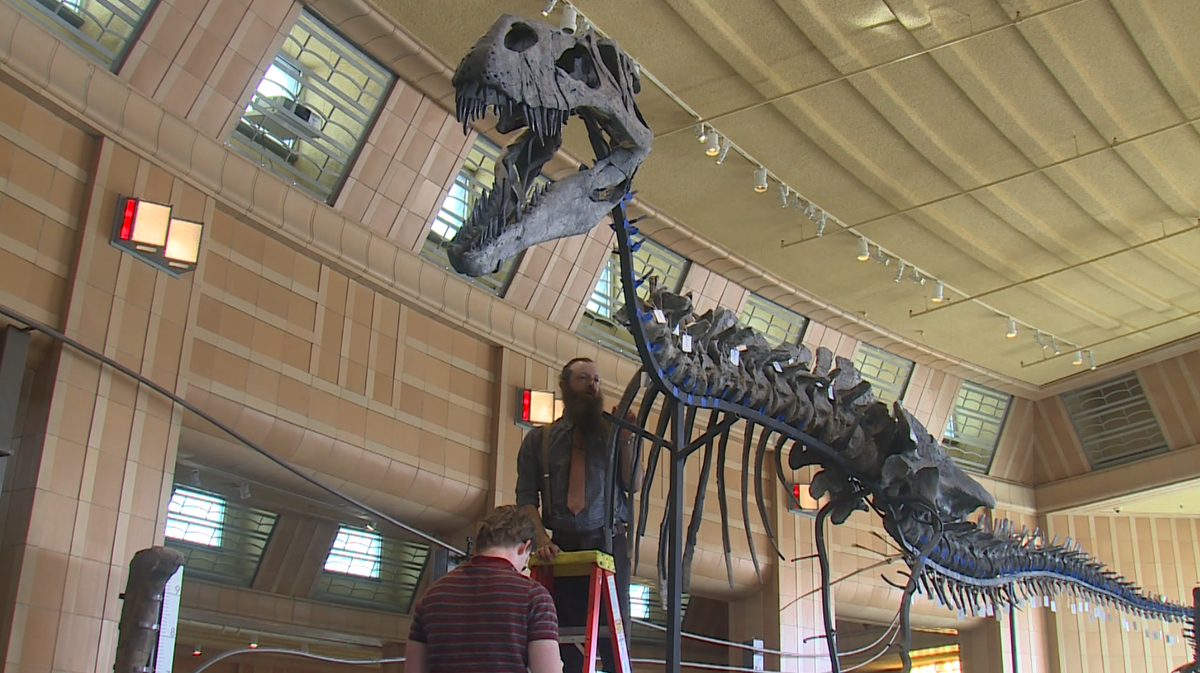
    CINCINNATI (WLWT) — Paleontologists and researchers at the Cincinnati Museum Center are leading new scientific research about an extremely rare dinosaur species they have on display. However, to complete the important research, they had to take their display apart piece by piece.

The dinosaur at the center of their research is the museum’s Torvosaurus, the only one of its kind in the world. Because of its rarity and to make it more accessible for even further extensive research, the museum partnered with a team from the Carnegie Museum of Natural History. Matt Lamanna, a paleontologist at the Carnegie Museum of Natural History, said it’s special to have the chance to work on this rare display.

“Dinosaur skeletons are almost never found complete, and that’s especially true with predatory dinosaurs, in particular, the giant ones. So, having about 50% of a skeleton of a dinosaur that’s about two-thirds the size of a T-Rex is a really rare and remarkable thing, ” said Lamanna.

Over four days, teams from both museums worked together to meticulously take apart the Torovsaurus, bone by bone, for 3D scanning. These scans will provide three-dimensional, high-resolution imagery integral to ongoing research.

“Having models of the skeleton that we can spin around on the computer, measure from all sides, look at it from all angles, it’s almost better than the original itself, because we don’t have to worry about harming the original fossils when we’re doing this,” said Lamanna.

The Torvosaurus, a giant carnivore and apex predator, lived during the Late Jurassic period 153 to 148 million years ago. While it bears some resemblance to the Tyrannosaurus, it predates it by over 80 million years.

“A good example of this is T-Rex is famous for having its little short arms. Torvosaurus is almost the opposite. It’s got, on top of a big skull like T-Rex, very well-developed forelimbs, very powerful arms that would have played probably a bigger role in prey capture than it would have in T-Rex,” said Lamanna.

You can view the Torvosaurus on display along with several other dinosaur fossils at the Cincinnati Museum Center, open daily 10 a.m. to 5 p.m.

Please note: This story was provided to CNN Wire by an affiliate and does not contain original CNN reporting. This content carries a strict local market embargo. If you share the same market as the contributor of this article, you may not use it on any platform.
Tennessee golf legend Lou Graham, 1975 U.S. Open champion, dies at 88

By WTVF News Staff

Click here for updates on this story

    NASHVILLE, Tennessee (WTVF) — Tennessee golf legend Lou Graham, the 1975 U.S. Open champion and longtime PGA TOUR player, died May 11 at the age of 88.

The Nashville native built a successful professional golf career across more than two decades, earning six PGA TOUR victories and becoming known for his precision off the tee and consistent iron play.

Graham’s biggest victory came at the 1975 U.S. Open at Medinah Country Club, where he defeated John Mahaffey in an 18-hole playoff to capture his only major championship. After struggling early in the tournament, Graham rallied from 11 shots back after two rounds — still the largest 36-hole comeback in U.S. Open history.

Born Jan. 7, 1938, Graham began playing golf as a child in Nashville. After competing at Memphis State, now the University of Memphis, he served in the U.S. Army, including with the regiment responsible for guarding the Tomb of the Unknown Soldier at Arlington National Cemetery.

Graham joined the PGA TOUR full-time in 1965 and earned his first victory two years later at the Minnesota Golf Classic. His most successful stretch came in 1979, when he won three tournaments over a span of just 71 days.

He also represented the United States on three Ryder Cup-winning teams and teamed with Johnny Miller to win the 1975 World Cup.

Over his career, Graham made 623 PGA TOUR starts before later competing on the senior tour after turning 50.

Please note: This story was provided to CNN Wire by an affiliate and does not contain original CNN reporting. This content carries a strict local market embargo. If you share the same market as the contributor of this article, you may not use it on any platform.
Remembering the Virginia leader who helped bring MLK to Peanut Park

By Jessica Davis

Click here for updates on this story

    SUFFOLK, Virginia (WTKR) — Peanut Park in Suffolk is home to a piece of American history. In 1963, Dr. Martin Luther King Jr. came to speak to thousands there, just months before his March on Washington.

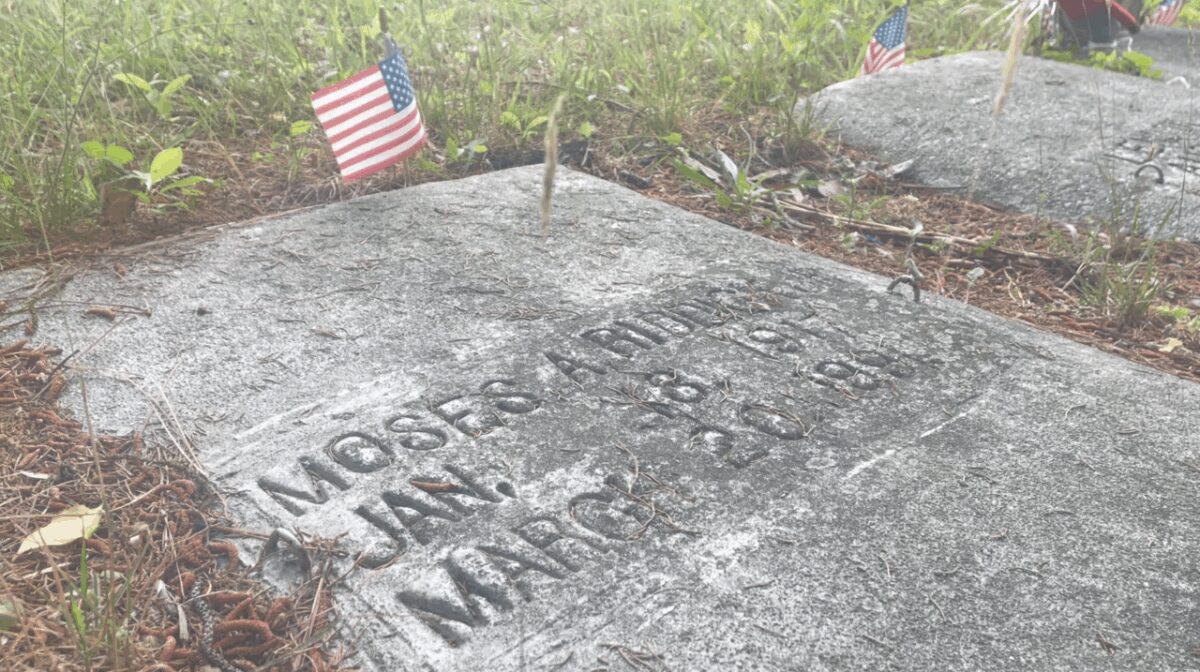
Moses A. Riddick Jr., a prominent civil rights activist and politician in Suffolk, played a key role in making that happen. Riddick founded the Independent Voters League in 1946 and helped bring Dr. King to Peanut Park for a freedom rally.

His nephew, John Riddick, says all it took was one phone call.

“One phone call, King was on a plane, they went to the airport, they all came here to Peanut Park,” John Riddick said.

There, Dr. King spoke to thousands about voting rights and his plans for Washington.

A few years later, Riddick became the first Black delegate from Virginia to attend the Democratic National Convention in 1968. John Riddick says his uncle dedicated his life to the movement.

“He was an advocate, he got out, put his boots on the ground, even had me when I was 5 or 6 years old, me and my sister Angela passing out flyers going door to door urging people to vote. I mean he put all his heart in it,” John Riddick said.

Years after helping bring Dr. King to Suffolk, Riddick became the city’s first Black vice mayor following the merger with Nansemond County in 1974.

“He was the grassroots for a lot of things in the community that had happened. I mean we used to have ditches, now we have sidewalks,” John Riddick said.

Moses Riddick passed away in 1991, but his family says his work helped shape the future of Suffolk through civic engagement and redevelopment efforts.

Please note: This story was provided to CNN Wire by an affiliate and does not contain original CNN reporting. This content carries a strict local market embargo. If you share the same market as the contributor of this article, you may not use it on any platform.
New Smithsonian exhibit traces bison’s rise, near extinction and comeback

By Luke Lukert

Click here for updates on this story

    WASHINGTON, D.C. (WTOP) — Move over bald eagle — another American symbol is taking center stage at the Smithsonian’s National Museum of Natural History in D.C. A new exhibit, “Bison: Standing Strong,” explores the origins of the American bison, their near extinction and their comeback.

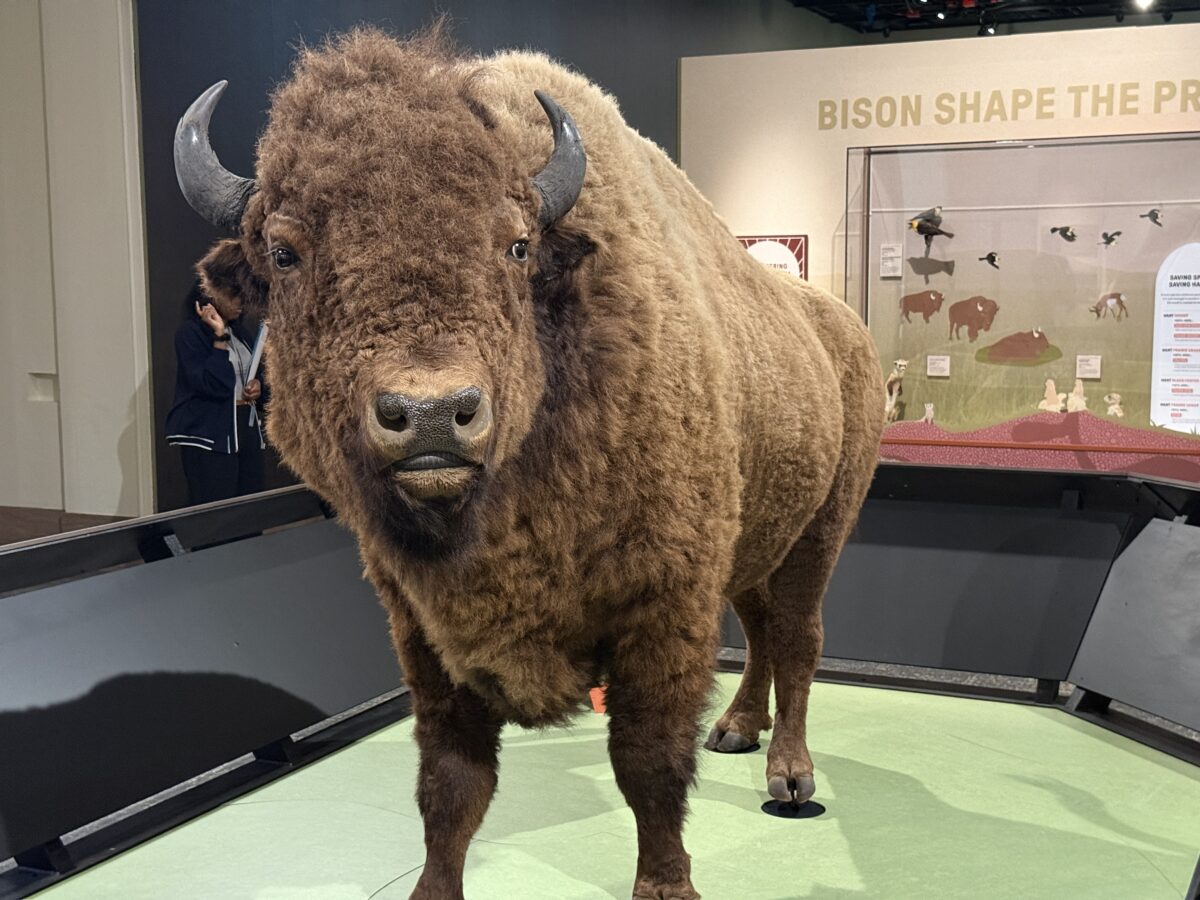
A large taxidermized bison greets visitors as they enter the exhibit, standing on ground that may have once been part of the animals’ historic range.

“There were bison all the way to the Potomac,” said Siobhan Starrs, a senior exhibition developer at the museum. “There were bison in New England, bison in Georgia, South Carolina, all the way down to Florida on the Panhandle. Bison really shaped this country in a profound way.”

Kirk Johnson, Sant Director at the Smithsonian’s National Museum of Natural History, said even George Washington is believed to have shot a buffalo in the 1770s in what is now West Virginia.

Bison are the national mammal of the United States, and Starrs said their presence still shows up across American culture.

“Buffalo Bills, Buffalo Sabres, even here in D.C., there are two universities with bison as their logo, both Howard University and Gallaudet. They’re on our postage stamps. They’re on our currency. Even the ‘America 250’ stamp this year will be a bison stamp,” Starrs said.

Hundreds of years ago, bison populations reached as many as an estimated 35 to 45 million animals roaming across much of North America. Starrs said their migratory patterns helped shape the land.

“They literally shaped the land that we now walk on today,” she said.

The exhibit also looks further back, spotlighting Bison latifrons, an ancient ancestor that lived alongside woolly mammoths and saber‑toothed cats. A fossil on display shows horns stretching nearly six feet across. Starrs said the animal stood about eight feet tall, roughly two feet taller than modern bison.

A central section of the exhibit details the bison’s rapid decline in the 19th century, including a towering image of piled buffalo skulls in Michigan from the late 1800s.

“That image shows the scale of devastation,” Starrs said, adding that the population “in the many millions (fell) all the way down to less than 1,000.”

She said westward expansion, railroad development, commercial hunting and government policies aimed at displacing Native Americans pushed the animals to the brink.

“And then, this amazing moment happened between 1885 and 1905: people realized, ‘wait a minute, we got to do something here. We can’t let the bison go extinct.’ And thus begins the story of the bison conservation and bison recovery.”

Today, bison are found in every U.S. state, including Hawaii, with a population of about 500,000. Most live in managed herds, though wild herds live in Yellowstone National Park, and parts of South Dakota and Wyoming.

The Smithsonian’s own history with bison is also featured in the exhibit. In the 1880s, Smithsonian taxidermist William Hornaday collected 22 bison for a groundbreaking diorama that later inspired the bison image on currency, stamps and the Interior Department seal.

In 1888, Hornaday opened up a diorama of a half dozen bison with Montana dirt and sagebrush on the National Mall, which Johnson called “his big magnum opus, if you will.”

That diorama remained in D.C. until 1957.

Johnson said the specimens led to the museum to some new discoveries about bison, and specifically about the bison that were collected in the 1880s.

“It gives us, actually a great genetic sample of what the bison were like when there were millions of them. Because now, all the bison that are alive today are the descendants of probably less than 100 or so animals that went through the bottleneck,” Johnson said.

Johnson said modern bison are from a “very small fraction of the genetic diversity that would have been present when there” when an estimated 40 million bison were on the plains.

“Bison: Standing Strong” is open now and runs through May 2029.

Please note: This story was provided to CNN Wire by an affiliate and does not contain original CNN reporting. This content carries a strict local market embargo. If you share the same market as the contributor of this article, you may not use it on any platform.

Man who helped shape Oklahoma’s civil rights history being honored with public memorial

By Shanice Hopkins

Click here for updates on this story

    OKLAHOMA CITY (KOCO) — A man who helped shape Oklahoma’s civil rights history will be honored during a public memorial on Tuesday.

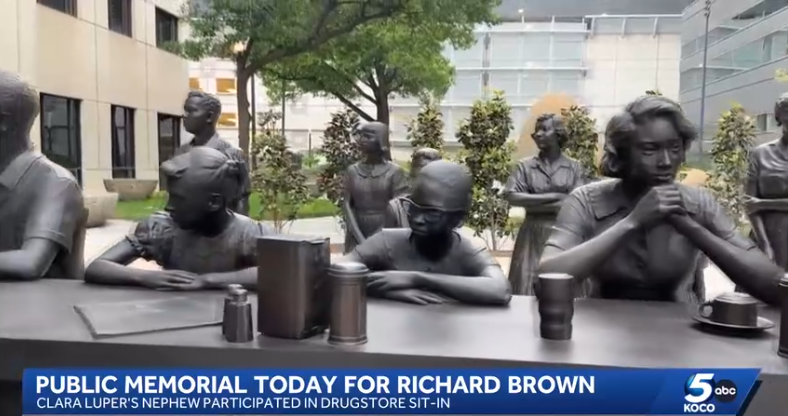
Richard Brown, who was the nephew of civil rights icon Clara Luper and one of the students who took part in the original Katz Drug Store sit-in, has died.

In 1958, Luper led 13 students, including her daughter and nephew, during the sit-in. Brown, who was 15 at the time, helped define the fight for equality in Oklahoma.

They staged a peaceful sit-in and protested racial inequalities. The protest became a pivotal moment in Oklahoma’s civil rights movement.

Brown’s legacy lives on at the Clara Luper National Sit-In Plaza. The newly completed monument honors the original sit-in participants.

Brown, who later became an educator, is survived by his wife and son. A public memorial to honor Brown’s life will be held starting at 11 a.m. Tuesday at the sit-in monument in downtown Oklahoma City.

Please note: This story was provided to CNN Wire by an affiliate and does not contain original CNN reporting. This content carries a strict local market embargo. If you share the same market as the contributor of this article, you may not use it on any platform.

Suspect in stolen motorcycle case found hiding in hospital ceiling, police say

By Stephanie Moore

Click here for updates on this story

    GASTONIA, North Carolina (WYFF) — One of the suspects wanted in a stolen motorcycle investigation was found hiding in the ceiling of a hospital in North Carolina, according to police.

The Gastonia Police Department said they got an alert just after noon on Sunday from a Flock camera about two stolen motorcycles spotted.

Officers said they spotted the motorcycles near the intersection of New Hope Road and East Franklin Boulevard and tried to pull them over.

Authorities said both riders took off and the motorcycles were found wrecked and abandoned at the dead end of Melvin Drive, just east of New Hope Road.

A Gastonia police K-9 was called to track the suspects.

During the search, one suspect was located and arrested nearby in the bushes. He is identified as Payton Beatty.

The K-9 tracked the other suspect to CaroMont Regional Medical Center.

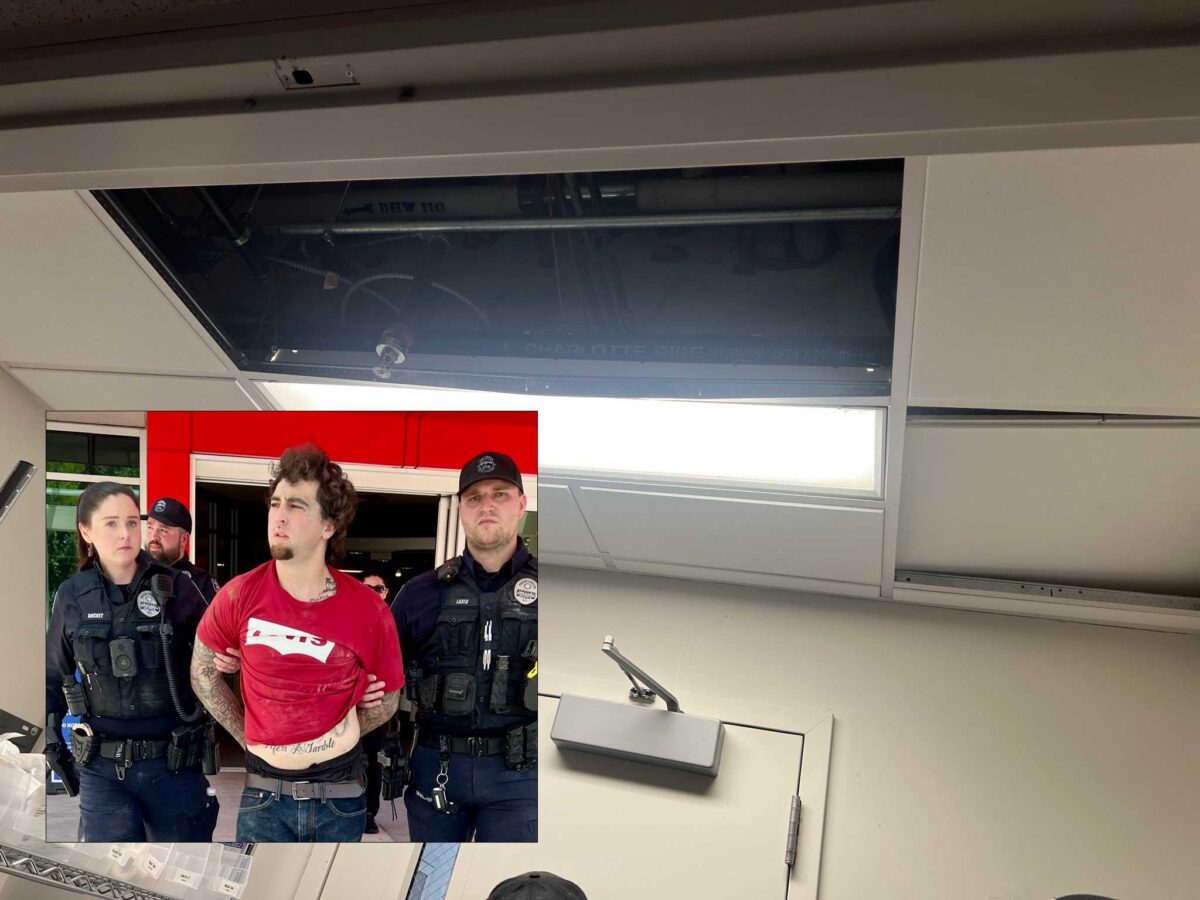
After an extensive search, authorities said Christopher Adam Hooper, of Dallas, was found hiding in a drop-down ceiling of the hospital.

Please note: This story was provided to CNN Wire by an affiliate and does not contain original CNN reporting. This content carries a strict local market embargo. If you share the same market as the contributor of this article, you may not use it on any platform.