JFAC approves spending cuts, placing higher ed on the chopping block

Kevin Richert

Originally posted on IdahoEdNews.org on February 6, 2026

by Kevin Richert and Ryan Suppe, IdahoEdNews.org

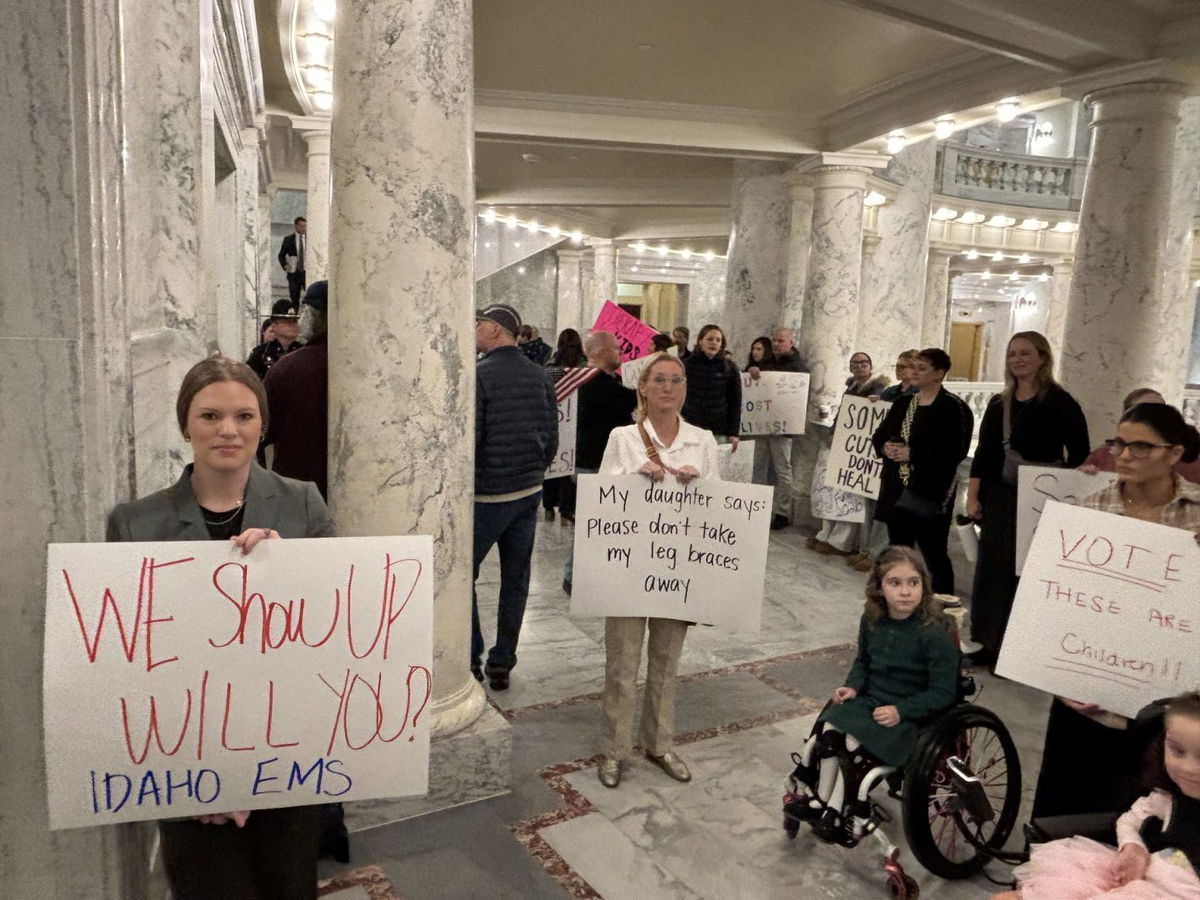
The Joint Finance-Appropriations Committee’s cramped meeting room was filled to capacity Friday, and an overflow crowd stood outside the meeting room to protest possible state budget cuts. (Kevin Richert/Idaho EdNews)

The Legislature’s budget committee Friday endorsed $46.3 million of additional spending cuts for the next two years, which could come largely from higher education budgets.

Several big budgets are exempt from the sweeping proposals — including K-12, which accounts for nearly half of all state spending. But with K-12, Medicaid, prisons and Idaho State Police off the table, a disproportionate share of the cuts could fall to the public colleges and universities.

The Joint Finance-Appropriations Committee’s proposals would further carve into the budget, on top of the midyear, 3% cuts Gov. Brad Little ordered in August. Like JFAC, Little shielded K-12 from his cuts; he also imposed his cuts on higher education.

Eagle Republican Rep. Josh Tanner, JFAC’s House co-chair, conceded the committee will face “a lot of hard decisions,” with several large budgets insulated from the cuts. But JFAC leaders say they are trying to put some cushion into the 2026 and 2027 budgets, while Republican lawmakers race to immediately adopt the tax cuts in President Donald Trump’s One Big Beautiful Bill.

“We’re trying to be very measured here,” said Sen. C. Scott Grow, R-Eagle, JFAC’s Senate co-chair. “It’s a slight tweak to what the governor has already done.”

JFAC’s proposed tweaks work this way:

For the current budget year, which ends June 30, JFAC wants to go along with Little’s 3% cut, and slice another $15.3 million off the budget.

For 2026-27, JFAC would fold Little’s 3% cuts into the budget base, as he called for in September. JFAC would put an additional 2% of cuts into the base, or close to $31 million.

Sen. Kevin Cook argued against the across-the-board approach.

“Months ago, this committee knew that we had a revenue shortfall,” said Cook, R-Idaho Falls, noting that he and fellow budget-writers have spent that time looking for thoughtful spending cuts. “We’re about to lay aside everything we have done. … It is taking a chainsaw to the budget.”

Sen. Melissa Wintrow, D-Boise, said the 2025 Legislature put itself in a bind by approving $453 million in tax cuts and credits, which could force JFAC to undo some of the programs the state has created in recent years. “I just wish we would have made those hard decisions last year.”

Rep. Rod Furniss chided Grow and Tanner for ordering state agencies to spell out their plans for possible 1% and 2% cuts — in letters last week, which went out without JFAC members’ knowledge. “This committee wasn’t advised of that.”

But Furniss, R-Rigby, voted in favor of the proposed budget cuts.

Higher education has the most to lose from the proposed cuts — and it would be out of whack with state higher ed funding.

As things now stand, JFAC’s proposals would cut $13.5 million from the state’s two- and four-year colleges and universities, or nearly 30% of the cuts. Higher education receives 8% of the state general fund.

But it’s unclear whether things will look the same at the end of the legislative session.

JFAC will be able to write up — and propose to the full Legislature — “enhancement” budget bills. These bills would allow committee members to add money back into agency budgets, or make additional budget cuts. Most of that work will be done by JFAC “working groups,” which meet behind closed doors to work on budget legislation.

The cuts passed Friday do not usurp this process, and will not keep JFAC members from making specific spending decisions, Tanner said. Instead, he said, it gives the groups “a fighting chance” to do this job.

“We’re not trying to take anything away from any working group,” he said. “Nor should we.”

From here, a flurry of budget bills will come out of JFAC, and go to the House and Senate floors:

A “2026 Idaho Budget Rescission Act,” a bill to finalize this year’s cuts, could be the first bill out of committee.

JFAC is expected to work next week on so-called “maintenance” budgets — a battery of spending bills that would roll this year’s spending into the next year. K-12 and higher education are usually covered in separate maintenance budgets.

After that would come any enhancement budget bills. But JFAC isn’t required to write an enhancement spending bill for any agency, and the Legislature isn’t obligated to pass such a bill. If that happens, the spending cuts JFAC passed Friday could basically go into effect intact.

Trump tax conformity bill heads to governor

A bill to immediately conform to most tax cuts in the One Big Beautiful Bill Act is heading to the governor’s desk — with a veto-proof majority. 

The Senate approved House Bill 559 nearly along party lines Friday. The fast-tracked legislation would make President Donald Trump’s tax cuts retroactive to the 2025 tax year. This would cost the state an estimated $155 million for this budget year, which ends June 30. The cost could rise to $175 million next year.

“There’s some unknowns here, because this is new,” said sponsoring Sen. Doug Ricks, R-Rexburg.
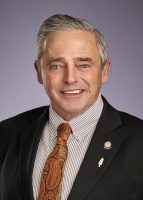
Sen. Jim Guthrie, R-McCammon

Republican Gov. Brad Little proposed implementing the federal changes in 2026. But HB 559 easily cleared the House and Senate, garnering support from all GOP lawmakers but one. 

Sen. Jim Guthrie argued Friday that the bill should go further, fully conforming to the tax changes and avoiding tax filing headaches for corporations and the State Tax Commission. HB 559 would only partially adopt federal changes to research and experimental (R&E) expenditures, and some businesses withheld taxes assuming the state would fully conform.

“We should rip the Band-Aid off now,” said Guthrie, R-McCammon. 

All other Republican senators supported the bill. 

“This conformity bill is about providing relief to Idahoans, working-class Idahoans,” said Sen. Joshua Kohl, R-Twin Falls. 

Democrats, meanwhile, took a rare step in opposition. They demanded a “minority report” be published in the Senate journal.

The report, from Sens. Ali Rabe of Boise and Ron Taylor of Hailey, is a formal dissent from the Senate Local Government and Taxation Committee’s decision to advance HB 559. The letter argues that the state doesn’t have enough revenue to absorb the federal tax changes without cutting services and employees.

“House Bill 559 compounds the detrimental fiscal impact of earlier policy choices, cutting revenue too deeply without a clear plan to stabilize revenues or protect essential services,” Rabe and Taylor wrote. 

Little will have five days (excluding Sunday) to sign the bill, veto it or allow it to become law without his signature.
Click here to follow the original article.

Idaho AG issues urgent warning over new jail bond scam

Seth Ratliff

BOISE, Idaho (KIFI) — The Idaho attorney general’s office is warning families about a new scam targeting people with loved ones in jail.

Idaho Attorney General Raúl Labrador says scammers are pulling names from public jail lists, then calling family members and pretending to be law enforcement or court officials. The scammers make their schemes appear legitimate by faking caller IDs, using official-looking logos, and referencing names of local sheriffs, judges, and court staff.

“These scammers target families at their most vulnerable moments,” said Attorney General Labrador. “They exploit a parent’s or grandparent’s instinct to help by manufacturing fear, creating false urgency, and demanding immediate payment. It’s cruel, deliberate, and wrong. Idaho families deserve to be protected from those who would steal hard-earned money through lies and intimidation.”

The Attorney General’s Consumer Protection Division says it’s almost certainly a scam if the caller:

Demands for immediate payment through gift cards or cryptocurrency

Claims that fees must be paid to the sheriff’s office or court

Pressure tactics, creating urgency, or making you feel guilty for being cautious

Requests to keep the payment confidential or not contact the jail directly

If you get a call like this, hang up and contact the jail directly. To report a scam, click HERE.

Click here to follow the original article.

Sunny Friday bringing warm temperatures around the region

Danielle Mullenix

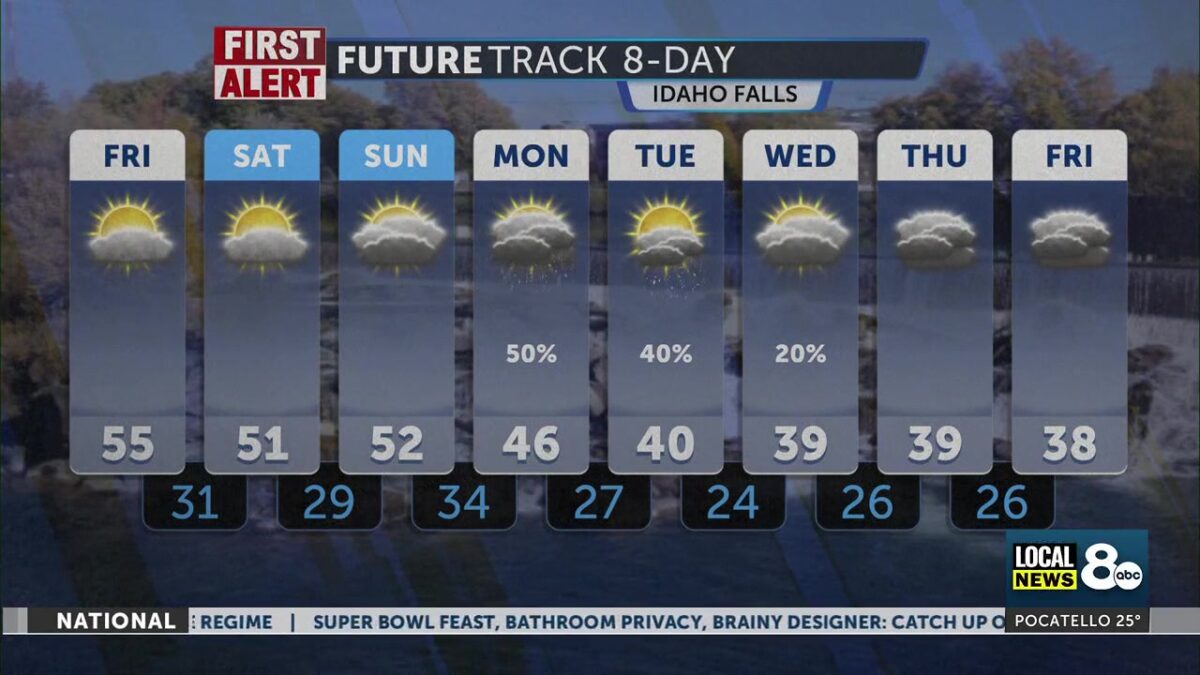
High pressure remains in control this Friday, bringing sunny conditions to the start of the weekend. As this large ridge of high pressure is overhead, it is keeping conditions across the region dry and clear. Precipitation is not expected to return to the area until later Sunday evening and Monday morning.

This Friday, light winds from the northeast are forecast, resulting in a slight breeze. This especially applies to the lower Snake River Plain, where gusts only reach the teens in the afternoon. High temperatures will climb into the upper 40s and mid-50s by this afternoon.

Temperatures today and throughout tomorrow will remain above average, with our lows averaging around 10 degrees above the norm for this time of year. Increasing cloud coverage should start moving into our area by Sunday.

AIR STAGNATION ADVISORY REMAINS IN EFFECT UNTIL 11 AM MONDAY: 

* WHAT…Poor air quality will continue. This is due to an inversion and stagnant air near the surface, which will continue to trap pollutants. 

* WHERE…Franklin/Eastern Oneida Region and Lower Snake River Plain. 

* WHEN…Until 11 AM MST Monday. 

 IMPACTS…Periods of air stagnation can lead to the buildup of pollutants near the surface. 

Inversions are expected to strengthen again, trapping some of the haze closer to the foothills and bench areas. Air stagnation advisories will remain in effect throughout the weekend. This high-pressure system will begin to weaken late in the weekend. With low pressure moving in from the south, there is a possibility of rain and snow early next week. At this time, it seems likely that we will mainly see snow in the mountains when the precipitation begins.

Click here to follow the original article.

‘Roger’s Revue: Drawn to Music’ features songs from your favorite animated shows

David Pace

IDAHO FALLS, Idaho (KIFI) – Bright lights and songs from your favorite animated movies will be on the stage this weekend at the Frontier Center for the Performing Arts.

“Roger’s Revue: Drawn to Music” is the Idaho Falls Youth Arts Centre’s annual benefit concert.

“We’re going to sing a lot of the favorite songs from the animated films that you’ve either grown up with or current,” saids Roger Evans, the director and mastermind behind the event.

About 50 talented performers – featuring fantastic local singers and an orchestra –  will perform your favorite songs from Disney, Pixar, DreamWorks, Studio Ghibli and Sony classics. 

“There’s a lot of fun ones. There’s some sad ones, you know, like from Toy Story and what not, but it’s a great thing to bring the kids to and, and you’ll connect with all kinds of things throughout the show,” Evans said.

Two $2,500 scholarships will also be awarded Friday to local youth performers who have participated with the group.

Twenty-three songs from Tarzan, Frozen, Mulan, Tangled and Toy Story and more will be featured.

Take a sneak peak in the video above.

Performances will be at 7 P.M. on Friday, Saturday and Monday.

You can purchase tickets at ifyac.org/tickets.

Click here to follow the original article.

Local Law Enforcement honored at Appreciation Luncheon

Par Kermani

IDAHO FALLS, Idaho (KIFI) — The Greater Idaho Falls Police Foundation honored regional law enforcement officers Thursday during an appreciation luncheon at Melaleuca Headquarters. The event highlighted law enforcement excellence across various jurisdictions.

Award Recipients

Leader in Law Enforcement Award: Chief Bryce JohnsonLaw Enforcement Officer of the Year: Sergeant Brian Lovell Idaho State Police (ISP) MVP: Sergeant Amanda Ward.Bonneville County Sheriff’s Office MVP: Deputy Reily Foster.Idaho Falls Police Department MVP: Officer Dustin Cook.

The Greater Idaho Falls Police Foundation luncheon served as more than an awards ceremony; it highlighted the support the foundation provides to local law enforcement.

It has equipped Idaho State Police (ISP) troopers with essential specialized gear, including cold-weather search gloves and cooling vests, and bolstered the “Ten Counties of Christmas” initiative.

An achievement showcased was the launch of the Sheriff’s Office therapy K-9 program. Strider, a certified therapy dog working at Thunder Ridge High School, was present at the event.

The $30-per-person event generates proceeds that will continue to fund crucial training for regional officers, such as hand-to-hand combat and crisis intervention programs.

Click here to follow the original article.

Idaho House passes bill to nullify local LGBTQ+ protections

Seth Ratliff

BOISE, Idaho (KIFI) — The Idaho House of Representatives approved legislation Thursday that would strip 13 cities of their ability to enforce local anti-discrimination ordinances protecting LGBTQ+ residents. House Bill 557, titled the “Uniformity in Local Antidiscrimination Ordinances Act,” passed in a 53-16 vote and now heads to the State Senate for consideration.

If passed, the bill would prohibit cities and counties from enforcing civil rights protections that exceed those recognized under state law. Because Idaho’s state-level Human Rights Act does not currently include sexual orientation or gender identity as protected classes, the move would effectively nullify existing local protections across the state.

RELATED: Idaho Bill seeks to nullify local LGBTQ+ anti-discrimination ordinances

Religious Freedom vs. Public Accommodations

The bill, sponsored by Rep. Bruce Skaug (R-Nampa) and drafted by the conservative Idaho Family Policy Center, was framed by supporters as a necessary shield for religious liberty and local business owners.

In debate, Representative Barbra Ehardt (R-Idaho Falls) reflected on her time running for the Idaho Falls City Council in 2013, as the City first passed a non-discrimination ordinance protecting against LGBTQ+ discrimination. She argued that while original advocates for these ordinances focused on housing and employment, the real goal was forcing business owners to violate their beliefs in the public sphere.

“As it was being pushed forward, everybody pushing it only addressed employment and housing because they wanted us to believe that somehow those of our friends who are LGBT would be kicked out of their housing or removed from their employment,” said Ehardt. “What they really wanted was public accommodations.”

Public accommodation laws ensure that businesses providing goods or services to the general public—such as restaurants, hotels, and retail shops—must provide equal access regardless of disability, race, color, religion, or national origin.

In the case of LGBTQ+ protections, public accommodations laws became the central issue in the 2018 U.S. Supreme Court case involving Colorado’s Masterpiece Cakeshop, where a baker refused to create a wedding cake for a same-sex couple. The Supreme Court found that Colorado Anti-Discrimination Act violated the store owner’s constitutional rights.

Ehardt’s arguments echo statements by the Idaho Family Policy Center, arguing that such ordinances are frequently weaponized against small business owners who don’t want to participate in events that violate their sincerely held religious beliefs.

“That’s what public accommodation does. It raises rights that I would say are not there to usurp a person’s deeply held religious beliefs,” Ehardt told lawmakers.

Perceived Hostility to the LGBTQ+ Community

Opponents warned that the bill sends a damaging message to those outside the state. House Democratic Rep. Ilana Rubel argued that her contacts in the business world have struggled to recruit top talent to the state because of perceived hostility to the LGBTQ community.

“One of the things that gives them that comfort is that we have these municipal nondiscrimination ordinances. This is actually extremely helpful to our business community in being able to recruit and retain top talent,” Rubel told lawmakers. “Stripping these protections away at the municipal level will send a very hostile message.”

Debate over Local Control

All nine house democrats and a handful of republicans opposed the bill. Dissenting House Republicans expressed concerns over a perceived overreach of state power. Rep. Mark Sauter, R-Sandpoint, argued that “local control is a pillar of our state.”

“It just feels like this bill is really using a sledgehammer to kill a fly. And honestly, I don’t feel like we need to have a belt and suspenders,” Sauter told lawmakers.

According to reports by the Idaho Capital Sun, Sandpoint repealed its own anti-discrimination ordinance in November after complaints about a transgender woman allegedly using the women’s facilities at the local YMCA. He noted the city recently managed the difficult choice through community hearings and a council vote.

“We have local control. Sandpoint showed that it worked,” stated Sauter.

Rep. Skaug defended the measure by stating that local governments only hold the authority delegated to them by the state. He argued that the Idaho Legislature has already established a comprehensive framework and that local governments “should not independently meddle with that framework.”

State Democrat, Rep. Monica Church, called the argument for the supreme authority of the state by state Republicans, a “Fever Dream.”

“If we are truly worried that Idaho would fall prey to the urban majority rule, as many of our neighboring states have done, this is literally the worst thing that we could do,” said Church. “Removing local power. This kind of law makes statists and communists salivate.”

Click here to follow the original article.

Supreme Court upholds private education tax credit

Ryan Suppe

Originally posted on IdahoEdNews.org on February 5, 2026

by Ryan Suppe, IdahoEdNews.org

BOISE, Idaho — The Idaho Supreme Court upheld the state’s private education tax credit Thursday. 

The five-member court unanimously agreed that challengers failed to show the Parental Choice Tax Credit violates the state constitution’s mandate that the Legislature fund public schools. The credit is Idaho’s first private school choice program, enacted last year through House Bill 93.

The court also granted attorney fees to the Idaho State Tax Commission, which defended the credit and was represented by Attorney General Raúl Labrador’s office. 

Chief Justice G. Richard Bevan wrote Thursday’s opinion. Justices Robyn Brody, Colleen Zahn and Cynthia Meyer concurred. While Justice Gregory Moeller also concurred, he wrote a separate opinion.

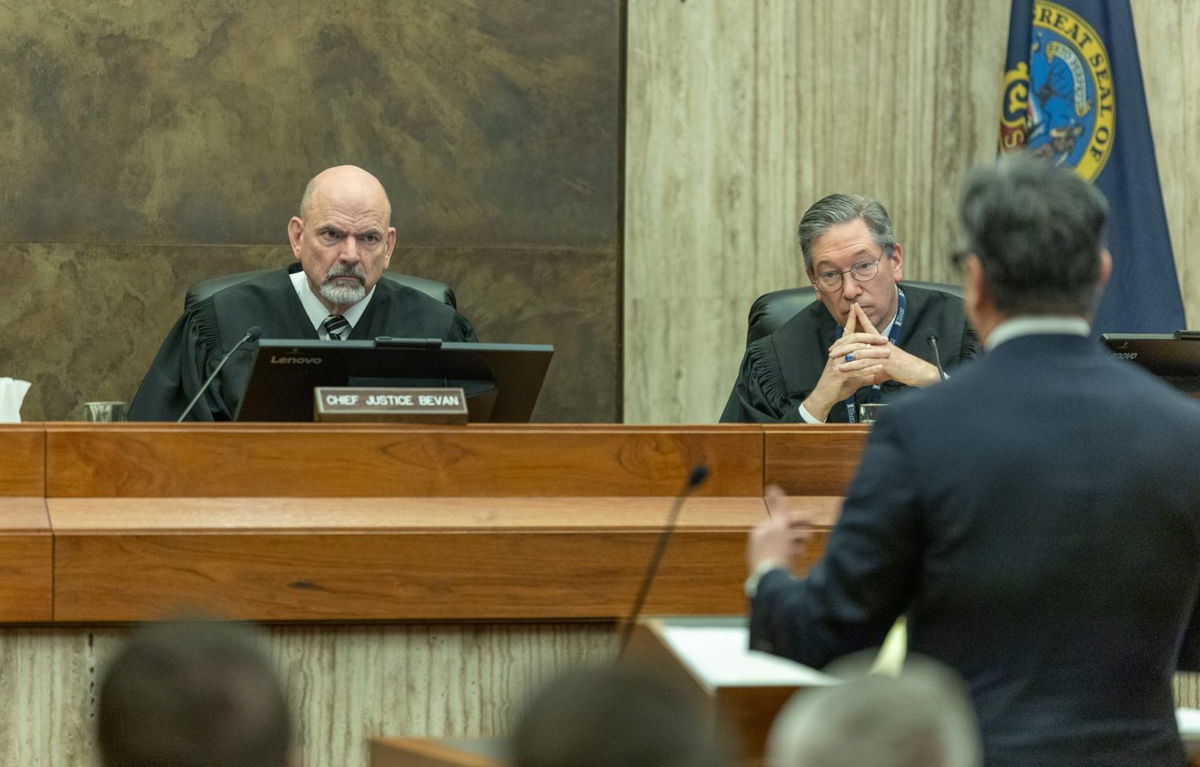
Chief Justice G. Richard Bevan listens to oral arguments at the Idaho Supreme Court on Friday, Jan. 23, 2026, in Boise. (Sean Dolan/EdNews)
The court ruled that a coalition of challengers — including the Idaho Education Association (IEA) and Moscow School District — failed to show that the tax credit violated Article IX Section 1 of the Idaho Constitution. The provision says that the Legislature has a “duty” to “establish and maintain a general, uniform and thorough system of public, free common schools.”

The coalition argued that taxpayer funding for private education creates a separate system that’s tuition-based and not open to all students. 

The court concluded that this reading of the constitution is “inapt.” The interpretation is “unduly restrictive” and disregards the Legislature’s “plenary power” to enact laws that aren’t prohibited by the state or federal constitutions, Bevan wrote in the opinion. 

“Rather, it establishes a floor, and not a ceiling,” Bevan wrote. “When a constitutional provision mandates the legislature do something that it has authority to do, it is not reasonable to read that mandate as restricting the legislature’s broader power to do something more.”

The opinion comes less than two weeks since the court heard oral arguments in the case.

In a joint statement Thursday, the coalition said that while the court found the tax credits “are not unconstitutional,” this “does not mean that they are good policy.”

“Despite this setback, our organizations will continue to advocate for Idaho’s students and public education and believe the Legislature and the voters of Idaho should look critically at this program,” the coalition said.

Justices also rejected the coalition’s argument that the tax credit violates the “public purpose doctrine” implicit in the Idaho Constitution. This legal principle requires that the state spend taxpayer dollars in the public interest, not in private interests. 

The tax credit may “incidentally benefit private enterprise,” Bevan wrote, but this doesn’t transform its purpose into a private one. The chief justice noted that the credit covers more than private-school tuition — it also can be claimed for books, curriculum and other expenses in private- and home-school settings. 

“The fact that some educational services are provided by private actors who may limit the scope of admission to their schools does not make the educational services less beneficial to the public as a whole,” Bevan wrote.

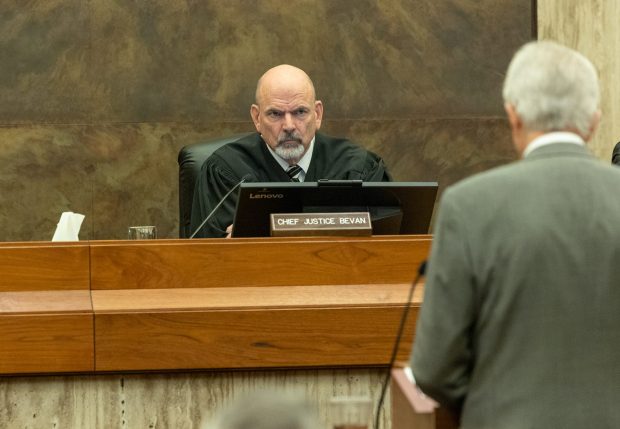
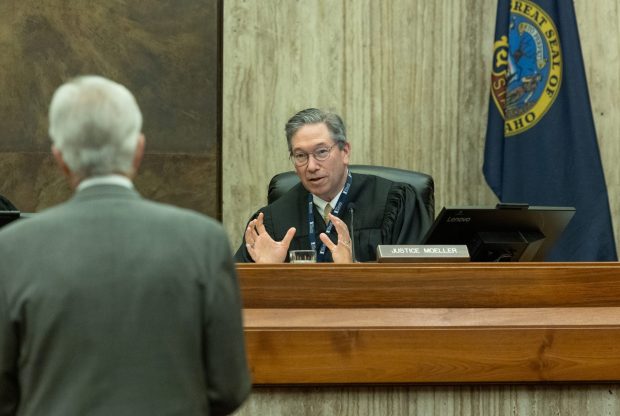
Justice Gregory Moeller speaks during oral arguments at the Idaho Supreme Court on Friday, Jan. 23, 2026, in Boise. (Sean Dolan/EdNews)

Moeller agreed with the other four justices. But he also penned an addendum directed at court-watchers who might call the decision a “landmark” or “watershed” that would make a “fundamental change in the constitutional landscape.”  

“I wish to stress that I do not believe that is what has occurred today,” Moeller wrote. 

He went on to write that the “constitutional foundation for public education…remains firmly intact.” The coalition brought its challenge before the tax credits have been distributed, and the harms they claimed were “hypothetical and speculative.” 

“(Y)et they may be reexamined in the future when the impact of this legislation can be properly ascertained,” Moeller wrote. 

This is a breaking story and will be updated.

Click here to follow the original article.

9 hospitalized in West Idaho with serious illnesses linked to raw milk

Seth Ratliff

ADA COUNTY, Idaho (KIFI) — Health officials in West Idaho are investigating a slew of serious illnesses after several Ada County residents were hospitalized this week, after consuming raw milk. Central District Health (CDH) confirmed this week that nine residents, including two children, are suffering from foodborne illnesses.

The CDH is currently interviewing the affected individuals and testing raw milk samples as part of the ongoing investigation.

After interviewing the affected individuals and testing raw milk samples, laboratory results have confirmed several cases of Shiga toxin–producing Escherichia coli (STEC). This bacteria cause severe symptoms, including bloody diarrhea and vomiting, and may lead to serious complications, particularly in children, older adults, and people with weakened immune systems.

According to CDH, the two children are currently hospitalized with hemolytic uremic syndrome (HUS), a serious complication of E. coli that can lead to kidney failure and long-term health problems.

While the investigation remains active, every individual affected reported consuming raw cow milk from R Bar H before falling ill. In response, the dairy has voluntarily pulled all products from stores and suspended production while the investigation continues.

“Out of an abundance of caution, consumers who have purchased these products should avoid consumption and discard any remaining product immediately,” CDH stated in a news release. “Anyone who has consumed raw milk and develops symptoms such as severe stomach cramps, diarrhea, or vomiting should seek medical care and report the illness to their local health district.”

While Idaho law allows the sale of raw milk, health officials emphasize that it carries inherent risks, particularly for vulnerable populations such as young children, pregnant women, and the elderly.

If you choose to consume raw milk, it is important to follow these guidelines:

Always refrigerate raw milk within 30 minutes of purchase

Raw milk should be kept at 32-36°F in the refrigerator to prevent bacterial growth

Check for signs of spoilage, such as changes in smell, texture, or taste, and discard any milk that shows signs of spoilage

Wash your hands thoroughly before handling raw milk and minimize splashing when transferring it to another container

For more information, click HERE.

Click here to follow the original article.

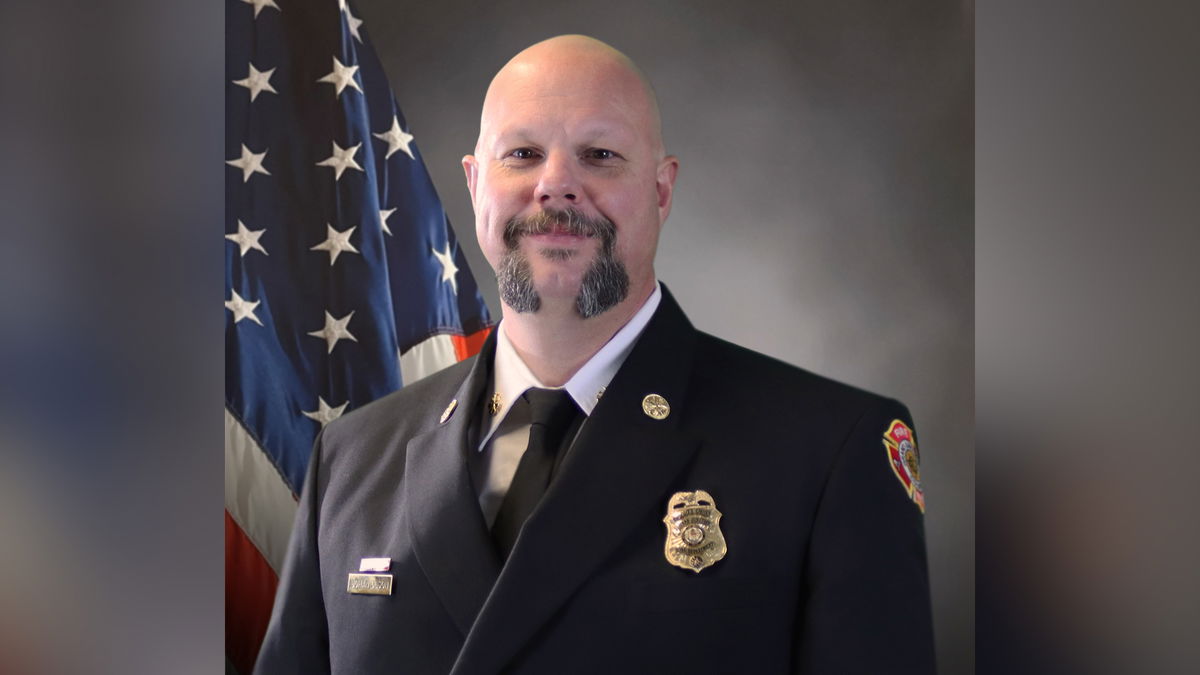
Former IFFD Captain Johan Olson selected as new Fire Chief

News Release

The following is a news release from the City of Idaho Falls:

IDAHO FALLS, Idaho — After a comprehensive recruitment process, the City of Idaho Falls has selected Johan Olson to serve as the next Fire Chief of the Idaho Falls Fire Department, pending City Council confirmation.

“Chief Olson brings years of prior experience at the Idaho Falls Fire Department, combined with broad leadership experience and a clear commitment to public service,” said Mayor Lisa Burtenshaw. “He has demonstrated the ability to lead complex operations, support firefighter development and engage meaningfully with the community. His experience, both here in Idaho Falls and in leadership roles elsewhere, positions him well to guide the department into the future.”

Olson currently serves as Deputy Fire Chief for the Grand Junction Fire Department, where he oversees department operations, participates in countywide emergency management, leads strategic planning efforts and manages multiple divisions, including training, EMS, technical rescue teams and hazardous materials operations, while also engaging in public outreach. Previously, he served as Assistant Fire Chief for the Buckley Fire Department, where he managed daily operations, developed and maintained training programs, served as the city’s emergency manager and played a key role in regional emergency response efforts, including participation on a Type 3 Incident Management Team.

From 2007 to 2021, Olson served with the Idaho Falls Fire Department, holding roles ranging from firefighter to captain and move-up battalion chief. During his tenure, he participated in numerous specialty teams, including swift water rescue, hazardous materials and aircraft rescue and firefighting. He also served as a state hazardous materials instructor and led the department’s swift water team.

Olson holds a master’s degree in emergency management and a bachelor’s degree in fire administration, along with multiple associate degrees in fire science and related fields. He also holds numerous professional certifications, including Fire Officer, Instructor, Driver Operator and advanced incident command qualifications.

“I am honored to return to Idaho Falls and serve as Fire Chief for a department that means so much to me and to serve a community that truly feels like home,” Olson said. “I look forward to supporting our firefighters, continuing to strengthen safety and operational excellence, and building on the strong relationships the department has within the community.”

The appointment will be presented to the Idaho Falls City Council for consideration at the City Council meeting on Thursday, Feb. 12, at 6:30 p.m.

Click here to follow the original article.

Idaho Falls Regional Airport receives $12 million in federal funding for terminal expansion project

News Release

The following is a news release from the Idaho Falls Regional Airport:

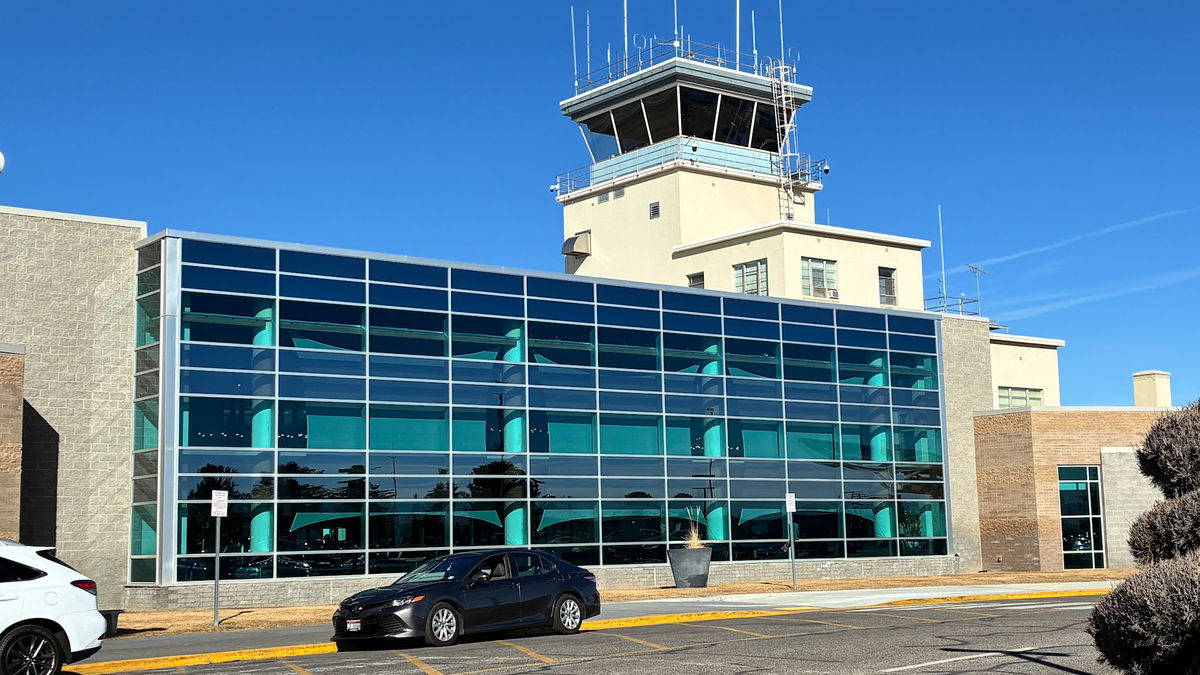
IDAHO FALLS, Idaho — The City of Idaho Falls has secured $12 million in federal Community Project Funding to support the Idaho Falls Regional Airport terminal expansion, a critical infrastructure project focused on improving safety, efficiency and capacity at the airport.

The funding, included in the Consolidated Appropriations Act, 2026 at the request of Congressman Mike Simpson, will support the first phase of a multi-phase terminal expansion project at the Idaho Falls Regional Airport.

“This investment allows us to address some of the most pressing space and operational challenges inside the terminal,” said Idaho Falls Regional Airport Director Ian Turner. “We are grateful for the support of Congressman Simpson and our federal partners. This phase of work improves safety and efficiency today while positioning the airport to adapt to growth we anticipate to continue.”

Current improvements focus on improvements to baggage screening and ticketing operations. The project includes an expanded baggage screening area, safer loading areas for baggage carts, expanded ticket counter and queueing space, and structural modifications that allow for future growth.

The improvements planned under this terminal expansion are estimated at $60 million and will be funded through a combination of federal aviation grants, passenger facility charges, and airport revenue sources. Construction is anticipated to take approximately 27 months, pending the final design and project phasing.

The Idaho Falls Regional Airport terminal expansion is included in the Consolidated Appropriations Act, 2026, which was passed by Congress and signed into law by the President in February 2026.

Click here to follow the original article.