The hidden danger of gifting Easter Rabbits

Par Kermani

IDAHO FALLS, Idaho (KIFI) — Local animal advocates and rescue groups in Idaho are issuing an urgent warning to families this week as Easter Sunday approaches: A live rabbit, chick, or duckling is a decade-long commitment, not a holiday toy.

The annual tradition of placing live animals in Easter baskets often leads to a surge in abandoned pets once the novelty wears off. Experts note that while these animals appear low-maintenance, they require specialized care that many households are unprepared to provide.

“The problem is that if you see them at the store, they’re tiny little cute little bunnies and people don’t think about it. It’s a spur of the moment. They see the bunny and they buy it,” said Karin Manery, owner and founder of East Idaho Bunnies and Friends. “It’s cheap. They’re 25, $30. So it’s not a big commitment. They get a tiny little cage with them that’s usually sold at the pet store. And then when they are at home, they notice that bunnies are a lot of commitment. They’re first of all, a long term commitment. They live 10 to 12 years.”

Rabbits require a specific diet of timothy hay and fresh vegetables. Beyond environmental needs, Manery said the daily maintenance is often underestimated by new owners. “One bunny… think about it, up to 300 little poops a day. That’s a lot to clean up. It’s daily.”

Chicks present a similar, often more fragile, challenge for families. “I think they are even worse because they are so fragile and they’re so tiny and they’re even cheaper to buy,” Manery said. “They need the right temperature, they need the right food, and they grow up really, really fast. So I think a lot of those tiny little chicks, they die fast. Unfortunately, people are just not prepared.”

A common and dangerous misconception is that a domesticated rabbit can be “returned to nature” if a family can no longer care for it. Jenean Hammer-Huber, director of Save A Bun Rabbit Rescue, said “Domesticated rabbits and wild rabbits in the state of Idaho… actually have a chromosome that is different than a domestic rabbit,” Hammer-Huber said. “So cottontails and domesticated rabbits cannot breed… some people think that domesticated rabbits can live just like cottontails can. And that is not true.”

The legal status of rabbits in the state also impacts how they are treated when families grow tired of them. “In the state of Idaho, rabbits are not only deemed livestock, but also they put a little slash behind that and deem them, as, kind of nuisance animals,” Hammer-Huber said. “That opens up the ability to allow people to, hurt them or not provide proper care for them… that just allows them to just be treated like trash.”

To prevent this cycle of abandonment, advocates suggest parents buy stuffed animals or chocolate treats for Easter morning. For those serious about ownership, Manery suggests a different route. “If you’re not sure if a bunny is right for you, you can foster one. That would be, would be ideal, actually, that would help us out and the bunnies.”

How to Help or Adopt:

East Idaho Bunnies and Friends To learn more about fostering or adoption in the Idaho Falls area, visit their Facebook page.

Save A Bun Rabbit Rescue For adoption applications, educational resources, or to donate, visit www.saveabunrabbitrescue.org or follow @saveabunrabbitrescue on Facebook.

Donations: Venmo @saveabunrabbitrescue

Email: Saveabunrabbitrescue@gmail.com

Click here to follow the original article.

School districts to ask voters for $181 million on May ballots

Emma Epperly

Originally posted on IdahoEdNews.org on March 30, 2026

By: Emma Epperly

Idaho school districts are asking voters for more than $181 million this May.

The asks range from a $57 million bond in Kimberly to build a performing arts center to a $200,000 supplemental levy in Mackay to pay for athletics and building utilities over the course of two years.

The asks are more than double that of May 2025, where voters considered $75 million in ballot measures. It dwarfs November’s ballot measure asks, which came in at $159 million. 

School districts can only ask voters for additional funding from property taxes in May and November. Election dates for schools were reduced from four to two by the legislature over the course of the 2023 and 2024 sessions.

EdNews reached out to county election offices statewide to compile this comprehensive list of school ballot measures.

The estimated tax burdens on sample ballots do not take into account property tax relief passed by the Legislature in 2024. Those funds must first be applied to any bonds, then plant facility levies, and then supplemental levies. If school districts do not have any tax measures on the books, the funds go into an account for facility projects. The amount of property tax relief districts receive varies year to year.

The below estimated tax rates, therefore, are the highest possible tax amount for the listed ballot measures. Learn more on the basics of bonds and levies here.

Bonds

Two districts sought bonds this May, totaling $61.6 million. Idaho is one of two states that require a supermajority of 66.7% or 2/3 in support for a bond to pass. A bond has not passed in Idaho since May 2024.

Kimberly

What: A $57.8 million, 30-year bond.

What’s at stake? The bond would pay for a new fine arts center and auditorium, gym, community field house, and athletic fields at Kimberly High School. The parking lots at both the high school and middle school would also be refinished.

Superintendent Luke Schroeder said the facilities would serve the whole community with community recreational space where the public can come play pick-up basketball, pickleball or walk on the track.

Impact:  The bond would cost taxpayers $277 per $100,000 of taxable assessed value. See sample ballot here.

Rockland

What: A $3.8 million, 10-year bond.

What’s at stake? The bond would pay for building renovations and the construction of a Career Technical Education and agriculture building. It would also cover a football field with a track and new lighting.

Impact: The bond would cost taxpayers $592 per $100,000 of taxable assessed value. See sample ballot here.

Plant facilities levies

Four districts are seeking plant facilities levies — adding up to more than $47 million — for school facility maintenance and updates. Plant facility levies typically need 55% of the votes in favor to pass. They are listed alphabetically below.

American Falls

What: An average of $7.8 million, 10-year levy.

What’s at stake? The levy would pay for school maintenance, including lighting, heating and maintenance equipment. The levy would increase each year, starting at $695,564 the first year, up to $887,736, with an average of $788,528 per year. The district built in that 6% increase each year to cover the cost of inflation, said Superintendent Randy Jensen.

Jensen said that while the district isn’t behind on maintenance, these funds are essential for keeping up buildings and making them last. When state lawmakers gave schools capital project funds two years ago, they also took away districts’ lottery funds that were often used for building maintenance, Jensen noted. That change made the plant facilities levy more integral to the district’s budget.

“It’s probably more important than ever this year,” Jensen said.Impact: The levy would cost taxpayers $44 per $100,000 of taxable assessed value. The levy would replace an expiring plant facility levy. See sample ballot here.

Kimberly

What: A $5 million, 10-year levy.

What’s at stake? The levy would pay for facility maintenance, including new HVAC units, resealing parking lots, and replacing school buses as they age out.

Superintendent Luke Schroeder said some upcoming expenses include replacing the high school’s 41-year-old stadium lights and bleachers in both the middle and high school gyms. The new levy would be a $200,000 per year increase from the expiring plant facility levy.

Schroeder said the increase is to cover inflated costs for things like HVAC units that have doubled in price from $5,000 to $10,000 over the law few years.

Impact: The levy would cost taxpayers $40 per $100,000 of taxable assessed value an increase of $16 from the expiring plant facility levy. See sample ballot here.

Lakeland

What: A $15 million, 5-year levy.

What’s at stake? The levy would pay for building maintenance and updates like new flooring, playground repairs, repairing cracks in gym walls, a new backup generator at replacing roofs.

Impact: The levy would cost taxpayers $30.24 per $100,000 of taxable assessed value. See sample ballot here.

Payette

What: A $19.5 million, 10-year levy.

What’s at stake? The funds would largely pay for school updates like a new security vestibule at Payette Primary, resealing and repairing the McCain Middle parking lot and updating classrooms at Payette High School. The funds would also update the district’s sports facilities like adding a scoreboard and bleachers at the middle school, remodeling Dome gymnasium, and replacing stadium lights at Payette High.

Passing the new levy would revoke the levy’s current $495,000-a-year plant facility levy and replace it with the new, more expensive levy.

See the full plan here. Impact: The levy would cost taxpayers $157.44 per $100,000. See sample ballot here.

Supplemental levies

Twenty-seven districts are seeking supplemental levies — adding up to about $72 million. The levies largely pay the salaries and benefits of staff, above state allocations. Levies also commonly cover extracurricular activities. They require a simple majority or 50% to pass. The levies are listed alphabetically below.

Aberdeen

What: A $1.9 million, two-year levy.

What’s at stake? The levy would largely pay for staff salaries and benefits at $700,000 a year. It would also pay for maintenance and custodial supplies, technology, School Resource Officer and safety/ security, classroom supplies and curriculum.

Impact? The levy would cost taxpayers $201.78 per $100,000 of taxable assessed value. The levy replaces an expiring levy of the same cost. See sample ballot here.

Bonneville

What: A $19.2 million, two-year levy.

What’s at stake? The levy would largely pay for staff salaries and benefits with $2.5 million a year slated for support staff like paraeducators and another $990,000 for teachers and counselors. Another $1.2 million would pay for full-day kindergarten. Other big-ticket items include $900,000 for classroom supplies, $950,000 for coaches and other extracurricular activity advisors, and $950,000 for physical education and music programs.

Superintendent Scott Woolstenhulme said the increase in the supplemental levy is due in part to a return to an average daily attendance funding model after schools received funding based on enrollment during COVID.

Impact? The levy would cost taxpayers $119.24 per $100,000 of taxable assessed property value. The levy would be an increase of $47.20 from the expiring supplemental levy. See sample ballot here.

Cassia

What: A $5.9 million, two-year levy.

What’s at stake? The levy would largely pay for curriculum adoption and classroom supplies at just over $1 million per year. The rest of the funds would go to extracurricular activities at $1 million, safety and security at $745,000 and classroom equipment at $200,000.

Impact? The levy would cost taxpayers $73.18 per $100,000 of taxable assessed value. See sample ballot here.

Cottonwood

What: A $275,000, one-year levy.

What’s at stake? The levy would largely pay for virtual speech, language pathologist services that also require an in-person paraeducator to supervise students at $100,000 per year. The levy would also pay for utilities, technology, substitute teachers, maintenance and subsidize the district’s food services.

Impact? The levy would cost taxpayers $86.91 per $100,000 of taxable assessed value, an increase of $27.65 from the expiring supplemental levy. See sample ballot here.

Culdesac

What: A $500,000, two-year levy.

What’s at stake? The levy would largely pay for building maintenance at $104,015 per year. The levy would also cover student activities and clubs, supplies and materials, curriculum, technology, property and liability insurance, and purchased services.

Impact? The levy would cost taxpayers $243.18 per $100,000 of taxable assessed value, the same as the expiring supplemental levy. See sample ballot here.

Emmett

What: A $4.6 million, two-year levy.

What’s at stake? The levy would largely pay for routine and emergency building maintenance at $1 million per year, with another $700,000 toward custodial services. The levy would also pay for nursing, K-5 behavioral support personnel, and supplemental curriculum and supplies.

Impact? The levy would cost taxpayers $72.03 per $100,000 of taxable assessed value. See sample ballot here.

Filer

What: A $1.3 million, two-year levy.

What’s at stake? The levy would largely pay for staff salaries and benefits at $520,000. Extracurricular activities and supplies would receive $65,000 each.

Impact? The levy would cost taxpayers $62.97 per $100,000 of taxable assessed value. See sample ballot here.

Glenns Ferry

What: A $780,000, two-year levy.

What’s at stake? The levy would largely go to staff salaries and benefits at $245,000 per year. The rest of the funds would pay for curriculum, facility maintenance and technology.

Impact? The levy would cost taxpayers $63 per $100,000 of taxable assessed value, the same as the expiring supplemental levy. See sample ballot here.

Grangeville

What: A $805,000, one-year levy.

What’s at stake? The levy would largely pay for extracurricular activities at $550,000. The levy funds would also purchase two vans for transporting small groups to extracurricular activities at $120,000. The rest of the funds would cover library staffing and discipline support staff.

The levy ask comes after a failed November ballot measure and ahead of the first year of Grangeville operating as its own school district.

Impact? The levy would cost taxpayers $83.67 per $100,000 of taxable assessed property value, a reduction of $98.49 from the expiring supplemental levy. See sample ballot here.

Highland

What: A $1.2 million, two-year levy.

What’s at stake? The levy would largely pay for classified staff salaries and benefits at $212,000 per year. Busing is the second largest expense at $150,000 per year. The rest of the levy funds would cover full-day kindergarten, extracurricular activities and the associated busing costs, career technical education programs, and curriculum.

Impact? The levy would cost taxpayers $253.49 per $100,000 of taxable assessed value, the same as the expiring supplemental levy. See sample ballot here.

Kellogg

What: A $7 million, two-year levy.

What’s at stake? The levy would largely pay for staff salaries and benefits at $1.1 million per year. The funds would also cover transportation, nursing staff, janitorial services, and utilities for another $1.7 million. Another $694,000 would go to covering student programs like Junior ROTC, foreign language, athletics, full-day kindergarten, music and physical education.

The levy is for the same amount as a failed November 2025 supplemental levy request. Impact? The levy would cost taxpayers $238.58 per $100,000 of taxable assessed valued, an increase of $93.26 from the expiring supplemental levy. See sample ballot here.

Mackay

What: A $200,000, two-year levy.

What’s at stake? The levy would largely pay for athletics at $50,000 per year. The rest of the funds would cover classroom supplies, classified staff salaries and benefits and building utilities.

Impact? The levy would cost taxpayers $32.90 per $100,000 of taxable assessed value. See sample ballot here.

Madison

What: A $3.9 million, two-year levy.

What’s at stake? The levy would largely pay for staff salaries and benefits at $995,000 per year. The rest of the funds would cover safety and technology, curriculum, and transportation.

Impact? The levy would cost taxpayers $52.97 per $100,000 of taxable assessed value, the same as the expiring supplemental levy. See sample ballot here.

Marsh Valley

What: A $2 million, two-year levy.

What’s at stake? The levy would largely cover curriculum at $350,000 per year. Other allocations include special education services at $240,000 and extracurricular activities at $250,000. Literary intervention and career technical education also would receive levy funds.

Impact? The levy would cost taxpayers $42.10 per $100,000 of taxable assessed value. See sample ballot here.

Middleton

What: A $3.9 million, two-year levy.

What’s at stake? The majority of levy funds would pay staff salaries and benefits with $402,016 set aside for certified teachers and another $374,193 for classified staff, like paraeducators. Other line items include curriculum adoption, a school resource officer, transportation, technology, building maintenance, and covering a portion of pay-to-play extracurricular fees.

The ask comes after Middleton trustees decided to pursue a new state grant to build a new elementary school after years of failed bond measures. Impact? The levy would cost taxpayers $31 per $100,000 of taxable assessed value, an increase of $10 from the expiring levy. See sample ballot here.

Minidoka

What: A $7.7 million, two-year levy.

What’s at stake? The majority of levy funds would pay for student activities and athletics at $1 million per year. The rest would cover student safety, academic programs and classroom support, school operations and maintenance, and transportation.

Impact? The levy would cost tax payers $122.71 per $100,000 of taxable assessed value. See sample ballot here.

Nez Perce

What: A $445,000, one-year levy.

What’s at stake? The levy would largely pay for staff salaries and benefits at $285,000. The rest of the funds would cover maintenance and transportation, and utilities.

Impact? The levy would cost taxpayers $251 per $100,000 of taxable assessed value, the same as the expiring supplemental levy. See sample ballot here.

Payette

What: A $1 million, two-year levy.

What’s at stake? The levy would largely cover a classified staff pay increase at $200,000. The rest would cover curriculum and technology and special education expenses at $150,000 each.

Impact? The levy would cost taxpayers $40.37 per $100,000 of taxable assessed value. See sample ballot here.

Preston

What: A $2.2 million, two-year levy

What’s at stake? The levy would largely pay classified staff and substitute teacher salaries at $630,000 per year. Technology and nurse/ mental health services are also big-ticket items. The rest of the levy funds would pay for a school resource officer and extracurricular activities.

Impact? The levy would cost taxpayers  $81.50 per $100,000 of taxable assessed value. See sample ballot here.

Richfield

What: A $360,000, two-year levy.

What’s at stake? The levy would largely pay for classified staff, like paraprofessionals, salary and benefits at $100,000 per year. The rest would cover extra-curricular programs at $80,000.

Impact? The levy would cost taxpayers $129.86 per $100,000 of taxable assessed value, the same as the expiring supplemental levy. See sample ballot here.

Ririe

What: A $1 million, two-year levy.

What’s at stake? The levy would largely pay for staff salaries and benefits at $222,000 per year. Another $110,000 each year would pay for a school resource officer. The rest of the levy would go toward purchasing a new bus, maintenance and curriculum.

Impact? The levy would cost taxpayers $111 per $100,000 of taxable assessed value, an increase of $17 from the expiring levy. See sample ballot here.

Salmon River

What: A $525,000, one-year levy.

What’s at stake? The levy would largely pay teacher staff salaries and benefits budgeted at $250,000. The rest would cover classified staff, including aides, janitorial staff, and coaches, at $150,000.

Impact? The levy would cost taxpayers $148.69 per $100,000 of taxable assessed value. See sample ballot here.

Shoshone

What: A $600,000, two-year levy.

What’s at stake? The levy would largely pay for certified staff at $170,000 per year. The rest of the funds would cover athletics/ activities, transportation, supplies, and classified staff.

Impact? The levy would cost taxpayers $74.54 per $100,000 of taxable assessed value, the same as the expiring supplemental levy. See sample ballot here.

Soda Springs

What: A $993,000, one-year levy.

What’s at stake? The levy would pay for teacher and staff salaries and a school resource officer.

Impact? The levy would cost taxpayers $61.39 per $100,000 of taxable assessed value, a reduction of $7.33 from the expiring levy. The reduction is due to an increase in property values. The total cost of the proposed levy and the expiring levy is $993,000. See sample ballot here.

Snake River

What: A $1.4 million, two-year levy.

What’s at stake? The levy would largely cover staff salaries at $225,000, as well as curriculum and technology, safety, literacy interventions and all-day kindergarten and supplemental classes programs like music, FFA and athletics.

Impact? The levy would cost taxpayers $67 per $100,000 of taxable assessed value, the same as the expiring supplemental levy. See sample ballot here.

Wendell

What: A $1.2 million, two-year levy

What’s at stake? The levy would largely pay for building maintenance at $355,000 per year. The rest would cover staff salaries and benefits and curriculum adoption.

Impact? The levy would cost taxpayers $81.36 per $100,000 of taxable assessed value. See sample ballot here.

Whitepine

What: A $880,000, one-year levy.

What’s at stake? The levy would largely pay staff salaries and benefits at $595,000. The rest of the funds would cover security and technology, maintenance and operations, transportation, supplies and curriculum, and extracurricular programs.

Impact? The levy would cost taxpayers $256.12 per $100,000 of taxable assessed value a $2.32 decrease from the expiring supplemental levy. See sample ballot here.If your school district’s ballot measure is missing from this list email emma@idahoednews.org.Ed News Data Analyst Randy Schrader contributed to this story.

Click here to follow the original article.
Idaho Fish and Game Commissioner pleads not guilty to poaching charges

Maile Sipraseuth

ST. ANTHONY, Idaho (KIFI) — Brody Harshbarger, a sitting member of the Idaho Fish and Game Commission, has pleaded not guilty to seven hunting-related misdemeanor charges following a poaching investigation in Fremont County. Investigators allege that Harshbarger, along with another suspected poacher, illegally shot and abandoned two elk near the Spring Hollow boat ramp in December 2025.

Hunters React

The local hunting community say the case is raising concerns about accountability and trust.

“Idaho fish and game think they are above the law, I don’t have a single good thing to say about them. The only thing that surprises me about this is that someone within their circle turned the commissioner in,” Casey, a hunter, said. The fish and game commissioner is appointed also, we the people don’t vote them into power, this commissioner is a huge advocate on big changes they have been making to restrict the use of trail cameras, thermal imaging and anything that could give the hunter a leg up.”

Another hunter, who chose to remain anonymous, say their frustrations with Idaho Fish and Game go beyond this case… pointing to their own personal experiences with the agency.

“…I was cited by Idaho Fish and Game, hired an attorney, went through the whole process, and was found not guilty. After going through that — the stress, the cost, the time — it is genuinely hard to be a supporter of this agency. I want to be. I care about conservation and wildlife management. But when you’ve been on the wrong end of what feels like a gotcha approach to enforcement, and then you watch a Commissioner himself get charged with something like this, the goodwill runs out fast,” they said.

Despite the uproar across the area, some hunters aren’t surprised.

“The story is Idaho hunters are shocked to learn that the rule makers aren’t following the rules, right? What’s the story? Nobody’s surprised. It’s emblematic of everything that we deal with. Where we’ve got rule upon rule foisted upon us. When are the rule makers actually going to follow it?” Jordan McCullough, a hunter in Idaho Falls, said.

Hailey Staggie, who has hunted since she was eight years old says this case is especially frustrating… pointing to what she believes is unfair treatment by Idaho Fish and Game.

“It’s frustrating that they would shoot animals and just let them lay when there’s times when people in my opinion, I’ve witnessed with the Fish and Game people legally taking animals and then confiscating their animals and their gun for stuff that they didn’t even do. But they’re sitting behind our backs doing poaching,” Staggie said. “If they’re doing that themselves, then why should we trust them with anything?”

Investigation

The investigation began on December 20, 2025, after a property owner contacted the Citizens Against Poaching (CAP) hotline. Conservation officers arriving at the scene found a 6-point bull elk on private property and an antlerless elk on nearby Bureau of Reclamation land.

According to court documents, Eric Murphy of Fremont County confessed to officers that he and Harshbarger had been shooting at elk in the area, leading to the unlawful harvest of both animals.

Court records outline several serious violations of Idaho hunting and safety codes. The documents allege that Hashbarger illegally shot at the elk from the driver’s seat of his pickup across Spring Hollow Road, while Murphy fired from outside the truck. Investigators also found that Harshbarger had already filled his elk tag for the season, leaving him with no legal right to target additional animals.

Evidence at the scene suggests the 6-point bull was hit and ran onto private property before collapsing. Despite this, investigators say that neither men contacted the landowner for permission to retrieve the animal nor made a reasonable effort to recover the meat. The documents further suggest Harshbarger acted as a leader in the incident by driving the vehicle and telling Murphy where to shoot.

Both men now face charges including trespassing to hunt or retrieve, shooting from a public highway, and aiding in an unlawful harvest. Murphy faces six misdemeanor counts and is scheduled for arraignment on April 2, 2026.

Meanwhile, Harshbarger, through his attorney, pleaded not guilty on March 13. He’s set to appear in a pretrial hearing on April 29 in Fremont County. If convicted, Harshbarger could face possible jail time, heavy fines, civil penalties, and the loss of hunting privileges.

The case is compounded by Harshbarger’s position within the state’s wildlife management system. Appointed by the governor, a Fish and Game Commissioner is responsible for setting hunting seasons, approving regulations, and overseeing the department’s budget.

Following the allegations, the Governor’s Office confirmed in a letter dated March 10 that Harshbarger has voluntarily agreed to step back from his official duties until the case is resolved, according to reports by the Idaho Capital Sun. His current term is set to run through June 2027.

Local News 8 reached out to Idaho Fish and Game for a statement, but they declined to comment as it is an active case. We also reached out to Brad Little’s office, but are still waiting to hear back.

Click here to follow the original article.

Coalition that challenged tax credit settles attorney fees with state

Ryan Suppe

Originally posted on IdahoEdNews.org on March 27, 2026

By: Ryan Suppe

BOISE, Idaho — The coalition that unsuccessfully challenged Idaho’s private education tax credit has settled attorney fees with the state — but it’s unclear at what amount. 

Last month, the Idaho Supreme Court rejected the coalition’s petition seeking to block the Parental Choice Tax Credit from taking effect. The court’s five justices unanimously agreed that the challengers failed to convince them that the state’s first private school choice program, enacted last year through House Bill 93, is unconstitutional. 

The justices also awarded “reasonable” attorney fees to the Idaho State Tax Commission, compensating the state for successfully defending the program in a lawsuit that spanned more than four months. 

Attorney General Raúl Labrador’s office requested $106,827.50 for defending the Tax Commission. The coalition agreed to an amount that was settled in negotiations between the two parties, according to court filings this week. 

A spokesman for Labrador’s office did not immediately respond to a request for comment Friday. Mike Journee, spokesman for the coalition, said he was tracking down details.  

In a Feb. 19 filing, Labrador’s office said that its attorneys spent about 435 hours on the lawsuit — excluding work by six other attorneys, many of them supervisory attorneys, who do not typically track their time. 

“Opposing the petition was no small endeavor,” the filing said.

A breakdown of the attorney general’s request for legal fees.

On Wednesday, the Supreme Court published an order that said “parties have come to an agreement” resolving the Tax Commission’s request for attorney fees, and “there is no need for the court to issue a ruling.”

The coalition that challenged the tax credit includes the Idaho Education Association (IEA), Moscow School District, two advocacy groups — Mormon Women for Ethical Government and the Idaho Committee to Preserve and Protect the Constitution — and several individuals. 

Journee, spokesman for the IEA and the coalition, declined previous requests from Idaho Education News to explain which members are financially responsible for the lawsuit. “Members of the coalition” will pay the attorney fees, he said last month.

EdNews previously sought details on how the coalition was paying its own attorneys but was similarly stonewalled. The group hired Hawley Troxell, a Boise law firm, to argue its case. 

The coalition divided “responsibilities of payment,” according to an attorney engagement agreement with the firm, obtained by EdNews through a public records request with the Moscow School District. 

But the agreement only shows that Moscow’s payment responsibility is 0%. The district redacted all other details, citing an exemption in the Idaho Public Records Act that shields privileged information between attorneys and their clients. 

Applications for the tax credit closed on March 15. The Tax Commission received 6,069 applications covering 13,568 students.

Click here to follow the original article.

ISP investigating Sunday afternoon semi-truck rollover near Butte City

Seth Ratliff

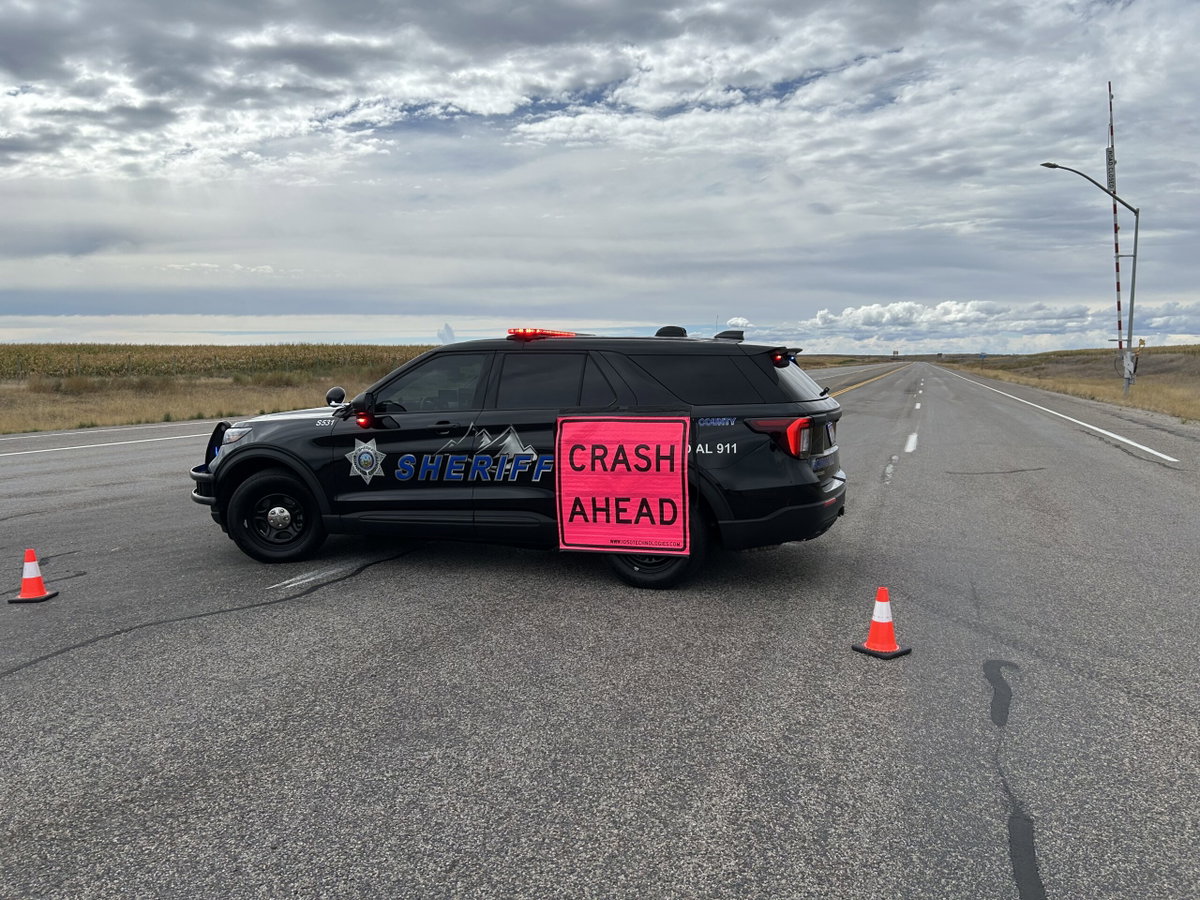
BUTTE COUNTY, Idaho (KIFI) — A semi-truck crash on State Highway 33 caused major delays on Sunday afternoon. Fortunately, first responders say the driver involved walked away with only minor injuries.

According to Idaho State Police (ISP), the accident happened around 2:45 Sunday afternoon near milepost 6. A 48-year-old Twin Falls man was driving a Western Star Auto Car hauling a trailer eastbound when he lost control of the vehicle.

The truck tipped on its side, but ISP says the 48-year-old driver from Twin Falls was wearing his seatbelt and preventing serious harm.

The crash blocked the eastbound lanes for about eight hours as crews worked to clear the wreckage. The cause of the accident remains under investigation.

Click here to follow the original article.

High gas prices continue to affect the community

Kaelyn Blessinger

IDAHO FALLS, Idaho- High gas prices are affecting people and how they budget.

Although gas prices are going down, they are still nearly double from February. These higher costs are creating strains in people’s spending, causing stress, and forcing budget cuts as the prices show no signs of going down.

Bob Nisbet and his wife are traveling from Alberta, Canada. He said he’d spent over $140 to fill up his truck. This price would be cut in half this time last month.

“The prices have gone up here and in Canada, no matter where you are. I don’t like it but, you know what? Life’s not always fair, right?” Bob said. “It’s more expensive, but we had to come down here to pick up her trailer in Arizona.”

Locals are also struggling with the high costs, like Lori Clark, who lives far away from town.

“[The prices] definitely affects me as a rural school teacher. And I live 50 miles away and Idaho Falls is town for us. So for anything, yeah, it gets a little costly,” Lori said. “It is difficult… for people who live in very small towns and where there’s not a lot of resources… And a lot of the people that live in my community drive every day to work, closer to Idaho Falls.”

About 70% of Americans drive to work, making cars an essential part of daily life. So many are forced to cut down on spending on groceries, personal items, or even saving their earnings.

To find the best price for your budget, you can check out Local News 8’s Gas Tracker and save your hard earned money.

Click here to follow the original article.

‘We’re not going to be quiet’: thousands join ‘No Kings’ rallies in Idaho Falls and Rexburg

Maile Sipraseuth

IDAHO FALLS, Idaho (KIFI)– Thousands of people took to the streets across Southeast Idaho, including Idaho Falls and Rexburg on Saturday as part of nationwide “No Kings” rallies, organized to push back against what participants call government overreach.

RELATED: “No Kings” Protest fills streets from Caldwell Park to Bannock Courthouse

In Idaho Falls, roughly 1,100 protesters lined the Broadway Bridge and surrounding sidewalks, waving signs as passing cars honked in support.

“So I think it’s important nationwide and specifically southeast Idaho, because I think it really reflects the the people of this community are very dissatisfied with the current administration at the national level, and they see how that is mirrored in our own state legislator and our own state government,” Chance Marshall, one of the organizers, said.

In Idaho Falls, roughly 1,100 protesters lined the Broadway Bridge and surrounding sidewalks, waving signs as passing cars honked in support.

“This is really us just showing that, you know, we’re not going to stand for politicians and administrations that are going to take away rights of individuals, and we’re going to let our voice be heard,” Marshall said.

In Rexburg, one of the organizers said the rally matters especially in smaller communities.

“A big reason for having it is to bring people together in this area, which can be super isolating,” said Rebecca T., an organizer. “If you have a more liberal standpoint or more democratic standpoint, or even just in the middle, it can be pretty isolating. So this serves as a way to share resources, build camaraderie, and to show our representatives like, hey, we’re not going to be quiet. We are going to make some noise.”

Some attendees said they came simply to show support and connect with others. Lillian Bridenthal, one attendee, shared her perspective:

“I’m just here to support. This is what I believe in. I love these people here. I like the community. I want to meet new friends. I just don’t think what’s going on right now is quite right,” said Bridenthal.

Counter protesters also attended across the street, one expressed surprise with the turnout but emphasized the importance civil discussion.

“It kind of shocks me that this many people showed up in Rexburg, Idaho to protest Trump. But after talking to some of them, I kind of understand where they’re coming from,” said Aiden McArthur, a counter-protester and podcaster on “Young Patriots USA”. “Personally, unaffiliated with the podcast, but I do support Trump more than the average person here. We’re here to promote civil discussion, talk to people, and help them realize that we’re divided for a reason. You know, we argue about things, but it’s all crafted by the people above us, and we’re trying to fight that power.”

Click here to follow the original article.

Madison Fire urges residents to register controlled burns for safety

Maile Sipraseuth

MADISON COUNTY, Idaho (KIFI)– The Madison Fire Department is urging residents to take extra precautions when conducting controlled burns, as crews respond to a growing number of fires that have gotten out of control.

In a recent press statement, officials emphasized their “Don’t Burn and Turn” campaign, a reminder that anyone starting a fire should never leave it unattended.

According to the department, Madison County has seen a significant spike in controlled burns spreading beyond their intended areas. These incidents are putting pressure on local fire and EMS resources and creating dangerous conditions across the community.

Over the past several weeks, crews have responded to fires caused by burns that were not properly managed. They say many of these incidents are preventable and often linked to:

Controlled burns not being registered

Burns conducted during poor weather or wind conditions

Fires being left unattended

Fires not fully extinguished before leaving

Attempting to burn piles, or start fires, that are too large

Spring weather is also playing a role. Fire officials warn that winds can quickly pick up in the afternoon, carrying embers long distances and sparking new fires in grass, brush, or even structures. In one recent case, a controlled burn spread and ignited an abandoned house.

Madison Fire says crews are frequently pulled from stations to respond to burn-related incidents, forcing off-duty personnel to return to work and requiring assistance from neighboring departments.

This can delay response times to other emergencies, including medical calls and structure fires.

Madison county is asking all residents to follow these critical safety steps before conducting a controlledburn:

Avoid burning on windy days, especially in the afternoon.

Register your controlled burn – there is no cost to do this. Doing so simply notifiesMadison Fire Department and Madison County Dispatch of your burn and outlines theguidelines for burning safely.

Follow all burn guidelines.

Never leave a fire unattended.

Ensure the fire is completely extinguished and cold to the touch before leaving.

Burn small piles or areas that can be easily controlled.

Check the weather for the day(s) you will be burning.

For questions, please contact Madison Fire Department at (208) 359-3010.

Click here to follow the original article.

“No Kings” Protest fills streets from Caldwell Park to Bannock Courthouse

Kaelyn Blessinger

POCATELLO, Idaho (KIFI) – Marching from Caldwell Park to Bannock Courthouse, Protestors lined the streets to have their voices heard.

There were 17 No Kings Protests going on across Idaho and many more across the nation.

“I really, I just also love when this happens. You see someone driving by who may be from out of the country, and as an immigrant, and realizes, oh, there are people that care. There are a lot of people who care more people that care than you know,” said Joseph Foxbourough, one of the protest organizers.

There have been protests every 3 protests in the last 9 months, and the organizers believed there were more to come.

Click here to follow the original article.

Governor signs bill cutting $21.8 million from disability housing; funding still exceeds 2022 levels

David Pace

BOISE, Idaho (KIFI) – Gov. Brad Little made the difficult decision to sign legislation impacting disabled Idahoans on Thursday – cutting the Medicaid budget by $21.8 million dollars.

The cuts impact housing programs and services for people with disabilities – reducing the rates paid to residential habilitation providers by 10 percent.

“It’s been a tough year, and it’s not easy for anybody in the Statehouse to make these cuts or to make these decisions,” said State Sen. Julie VanOrden, R-District 30, who serves as Health and Welfare Committee Chairwoman.

The program serves disabled individuals who require various levels of care, including people with Down Syndrome or severe mental illnesses whose families can’t care for them.

Many of these individuals require intensive, 24-hour care, but the program also benefits individuals who simply require additional help to be independent.

“The money flows from the state to the providers to either the caregivers directly or to the clients, and then they pay their caregivers. I would hope somewhere along that line that if a reduction was going to be made, that it would not be to the caregivers or the clients,” VanOrden said. “I would hope it would be made somewhere else, so they would not be affected by these reductions.

Idaho spends more than $176 million each year on residential habilitation.

The 10 percent cut includes last year’s four percent holdback on Medicaid.

But even with the reduction, overall funding is 33 percent higher than it was four years ago, VanOrden said.

In 2022, the Legislature allocated an additional $70 million to the program, plus $22 million to provide additional services.

In passing House Bill 863, the Idaho House and Senate voted to advance the Governor’s original budget recommendations.

“I would hope that people understand that if we receive more income, I would like to be able to take those funds and use them to restore some of these reductions that are being made,” she said.

VanOrden has a record of restoring programs if funding is available.

This year, she succeeded in securing opioid settlement funds to bring back funding for the ACT mental health program that had been cut earlier in the session.

Local News 8 will follow up with next week with providers who offer housing to individuals with disabilities to learn more about how the cuts will impact those they serve.

In this file image, Gov. Brad Little signs a bill into law.

Click here to follow the original article.