Olympian reflects on competing in Cortina 70 years ago as games return to Italy

CNN Newsource

Originally Published: 10 FEB 26 12:42 ET

By John Franchi

Click here for updates on this story

    SALT LAKE CITY, Utah (KSTU) — As the Olympic Games unfold in Milan and Cortina, Italy, the slopes of Cortina are once again hosting Olympic alpine skiing. But this isn’t the first time these Italian mountains have welcomed the world’s best skiers.

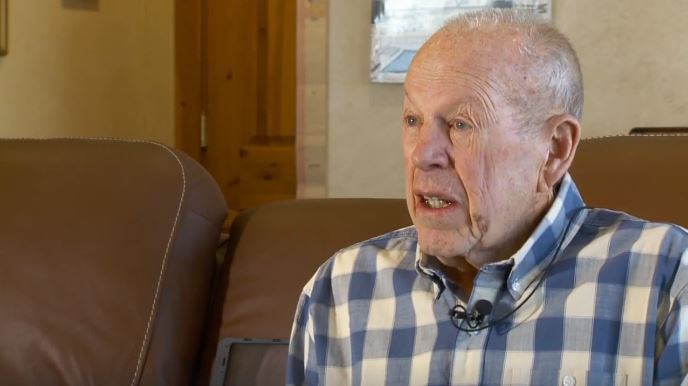
For 90-year-old Marvin Melville, a Utah native and two-time Olympian, watching the games return to Cortina brings back vivid memories from seven decades ago when he competed there as a 20-year-old in 1956.

“The parade, being a part of the team and representing the United States, there’s nothing quite like that,” Melville said.

The 1956 Olympics were the seventh iteration of the Winter Games, featuring only 32 countries compared to the 93 expected to compete this year. Melville’s experience represents a simpler era of Olympic competition, captured in his family’s home movies that transport viewers back 70 years.

His memories of skiing the treacherous Olympic downhill course in Cortina remain as vivid as those classic home movie reels. “I got halfway down the mountain and crashed and broke my skis and couldn’t finish,” Melville said. “But there were probably 80 competitors, maybe more, and there was only about 20 that got to the finish line.”

The Olympics provided Melville with unexpected moments of human connection that transcended Cold War tensions. While watching a U.S.-Russia hockey game, he stood next to a Russian cross-country skier. “The Russians scored a goal, and she took her fist and slammed me in the shoulder. All of a sudden I had a strong, warm affiliation with the Russians, which previously, you know, I thought they were the enemy,” Melville said.

Four years later, Melville competed again at the 1960 Olympics in California at what is now known as Palisades Tahoe, where he finished in 22nd place. “It makes you very patriotic. And I was also served in the military for two years. So yeah, I feel like I’m a patriotic citizen,” Melville said.

Melville has donated his Olympic mementos to the Alf Engen Ski Museum, though he borrowed them back to share his story. His official team jacket still fits after all these years. “Having this on your ski uniform was a big deal,” Melville said, referring to the Olympic patches.

Now battling polycythemia vera, a form of blood cancer, Melville reflects on his life on the slopes and the family he raised in Utah. He has five daughters, 29 grandchildren, and 56 great-grandchildren.

Surprisingly, skiing wasn’t always his passion. “No, no, I did not think that. I didn’t even like it the first few times we went up to Alta,” Melville said when asked if he always planned to be a skier.

This story was reported on-air by a journalist and has been converted to this platform with the assistance of AI. KSTU verifies all reporting on all platforms for fairness and accuracy.

Please note: This story was provided to CNN Wire by an affiliate and does not contain original CNN reporting. This content carries a strict local market embargo. If you share the same market as the contributor of this article, you may not use it on any platform.

The-CNN-Wire™ & © 2026 Cable News Network, Inc., a Warner Bros. Discovery Company. All rights reserved.

Click here to follow the original article.

ACLU files class action lawsuit, alleging civil rights abuses and agressive force in Wilder immigration Raid

News Team

BOISE, Idaho (KIFI) — The American Civil Liberties Union (ACLU) has filed a class action lawsuit following the controversial immigration raid in Wilder, Idaho, last year. The lawsuit, filed on behalf of three Latino families who are U.S. citizens or lawful residents, alleges that authorities used excessive force and violated the constitutional rights of hundreds of spectators.

According to the ACLU, the lawsuit represents the first major challenge in the second Trump administration to ICE tactics that discriminate based on ethnicity. 

“Our plaintiffs were treated as less than human because ICE and their willing partners think they can disregard fundamental rights if it gets them immigration arrests,” said Jenn Rolnick Borchetta, an attorney involved in the case.

Wilder Raid Background

According to federal reports, the October 19th raid was the culmination of a multi-agency federal investigation into an alleged illegal gambling and money laundering operation tied to horse racing. However, defendants represented by the ACLU of Idaho maintain that the popular racing arena has long been a place for the local Latino community to celebrate Mexican culture throughout family-friendly events.

More than 200 officers from multiple local and federal agencies are detaining approximately 400 spectators. In the wake of the raid, witnesses reported the use of aggressive tactics to detain the crowd, including reports of flashbangs thrown into occupied vehicles, the use of rubber bullets, and children being zip-tied at gunpoint.

In an initial statement to the Idaho Capital Sun, FBI spokesperson Sandra Yi Barker denied that children were zip-tied or hit with rubber bullets. However, Barker would go on to amend that statement, adding the word “young” before children.

While the Department of Homeland Security initially reported 105 arrests of “illegal aliens,” immigration attorney Nikki Ramirez-Smith noted that many detainees signed voluntary departure agreements before they could consult with legal counsel.

In late November, U.S. District Judge B. Lynn Winmill intervened, ordering the release of 16 detainees. In his ruling, Winmill emphasized that all individuals on U.S. soil are entitled to due process rights, regardless of their immigration status, according to reports by KTVB in Boise.

Alleging that the raid violated the spectator’s Fourth and Fifth Amendment rights, the lawsuit asks a federal judge to declare the raid was unconstitutional. The plaintiffs are also pursuing damages for the emotional and physical harm allegedly inflicted during the operation.

“While nothing can undo what these families endured, we can hold those in power to account and ensure no one else has to endure this treatment in the future,” said Leo Morales, executive director of the ACLU of Idaho. 

Click here to follow the original article.

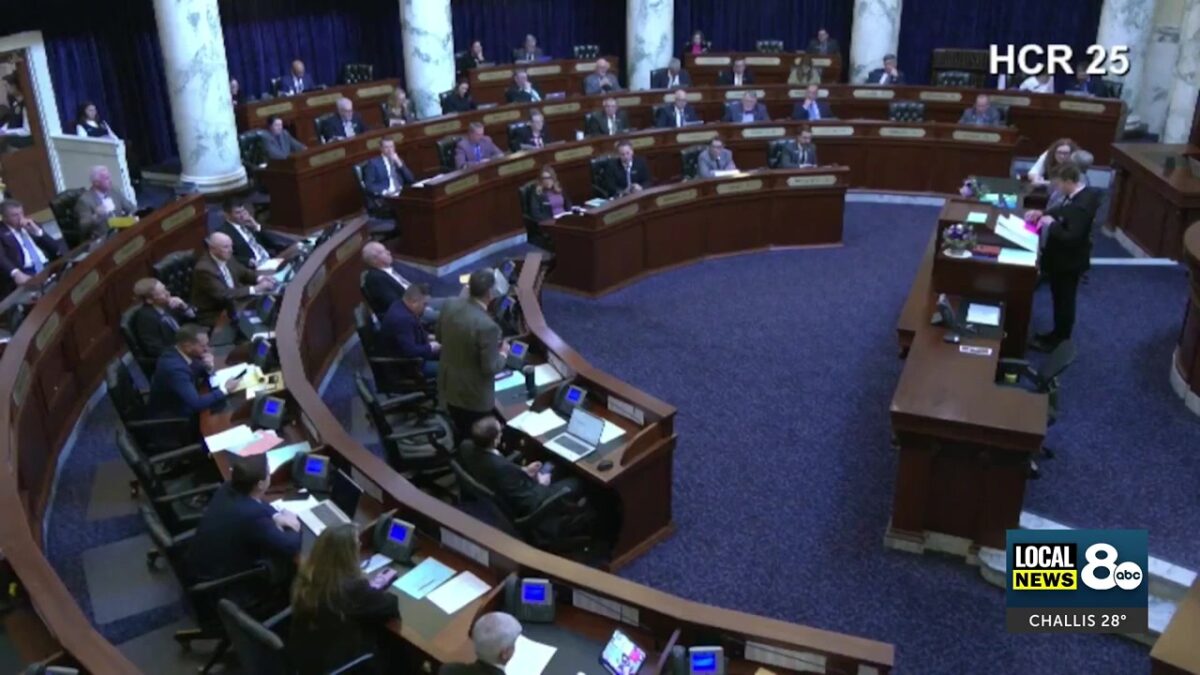
Statehouse roundup, 2.10.26: Launch fund transfers will cut student aid, director says

Kevin Richert

Originally posted on IdahoEdNews.org on February 10, 2026

by Kevin Richert and Ryan Suppe:

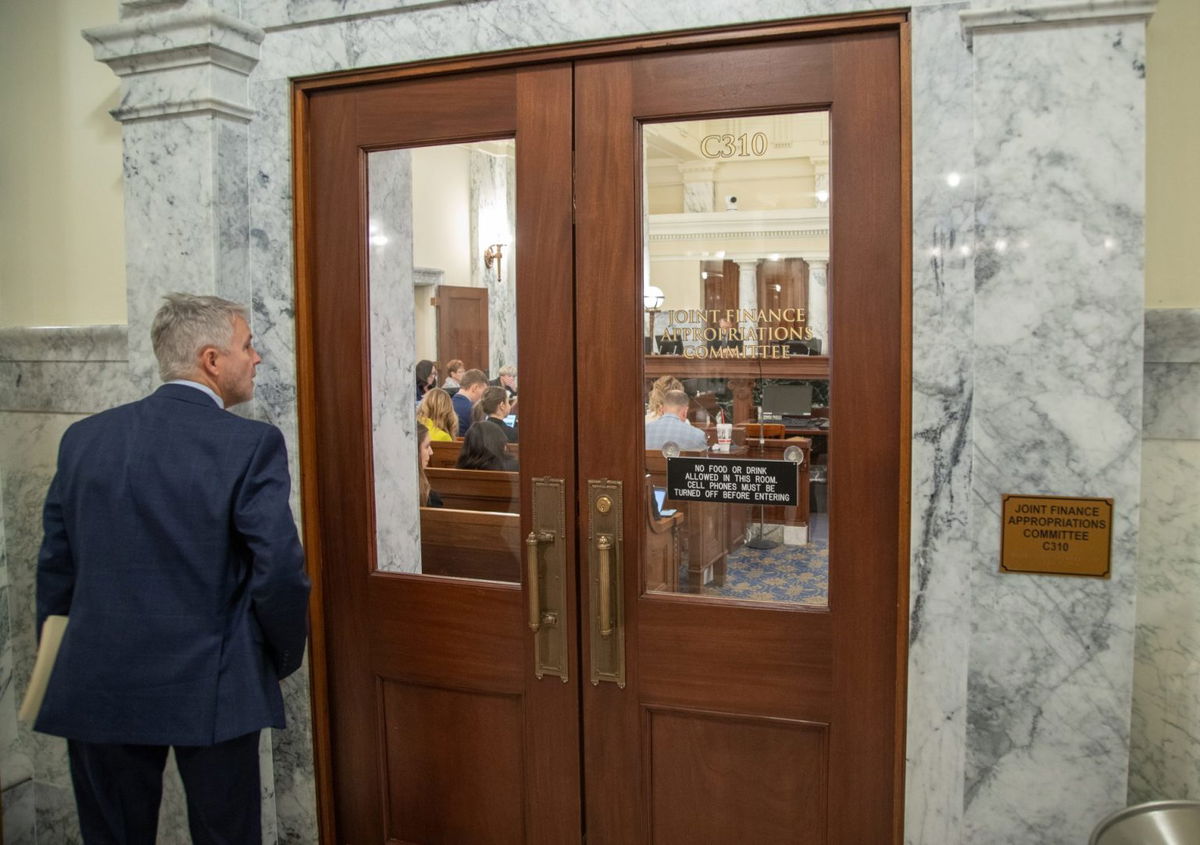
A $10 million transfer from the Idaho Launch fund would cut into student aid this year, the program’s director said Tuesday.

“We would have to curtail the number of awards that we make,” Wendi Secrist, executive director of the Workforce Development Council, told EdNews after a Joint Finance-Appropriations Committee presentation.
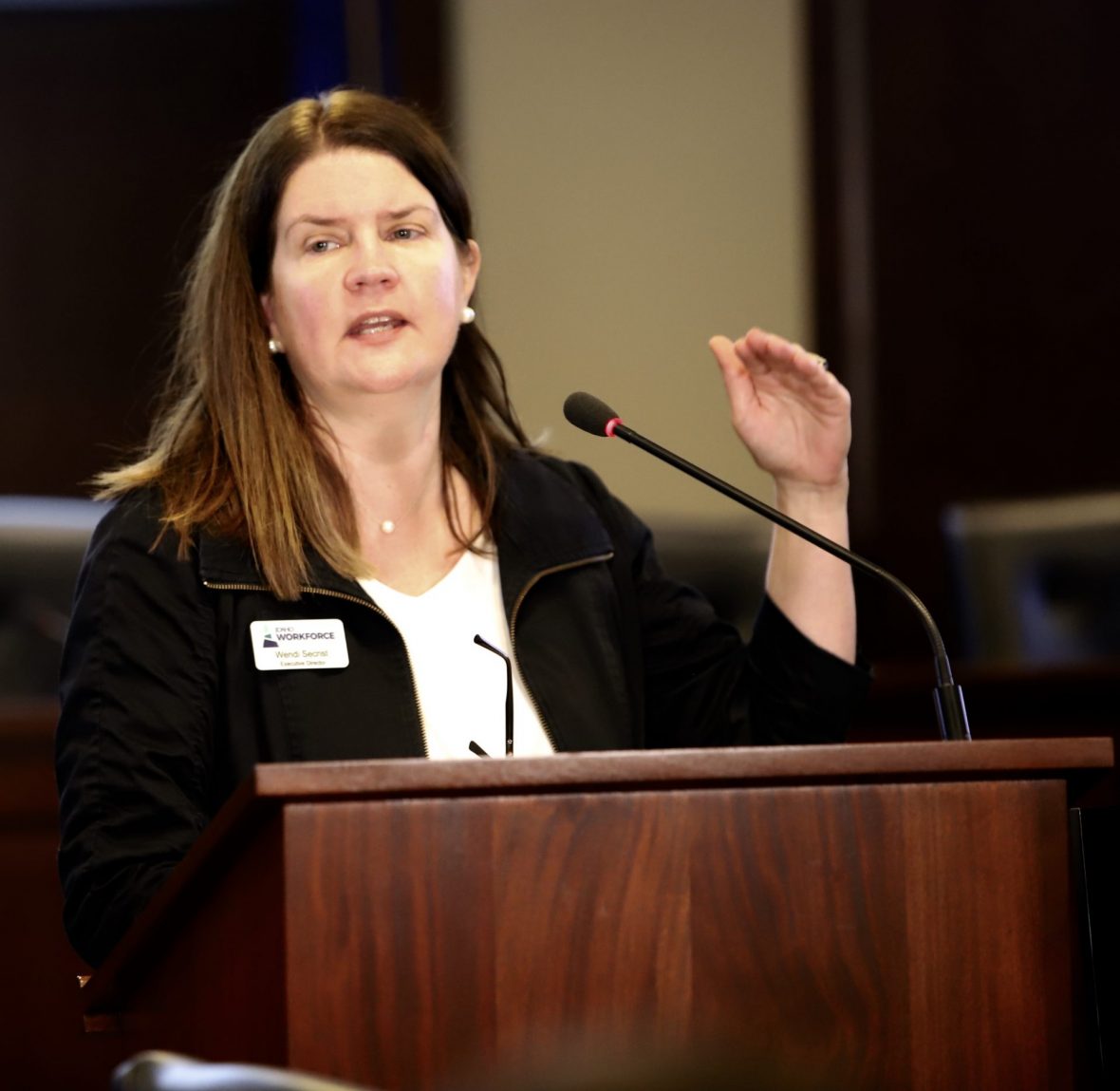
Wendi Secrist, executive director, Workforce Development Council

The $75 million-a-year Launch program provides high school graduates with up to $8,000 for college or career training. But Launch has long been a target of Statehouse conservatives — and in a cash-strapped 2026 session, the program will likely face another round of scrutiny.

On Monday, JFAC approved a pair of transfers from the In-Demand Careers Fund, which finances the Launch program. The first $10 million transfer would cover the current budget year, which ends June 30. The second $10 million would cover the next budget year — and the next round of Launch awards.

Secrist indicated that her department could cover the $10 million transfer this year, from personnel savings and from unused awards money. For next year, however, the timing and the math is more complicated.

Next year’s Launch budget covers awards for this year’s high school seniors. They can apply for Launch grants until April 15. So far, about 10,200 seniors have applied, Secrist said Tuesday.

If the state winds up awarding 9,000 grants — a reasonable forecast, based on how many applicants have used Launch money in past years — this would come to about $72.4 million. And this would exhaust the money in the fund for next year, Secrist said.

A $10 million fund transfer would come off the top, and that means the Workforce Development Council would award fewer grants this summer, Secrist said Tuesday.

“That’s what I was afraid of,” Sen. Janie Ward-Engelking, D-Boise, said during Tuesday’s JFAC hearing.

Ward-Engelking was one of two JFAC members who opposed Monday’s transfers. They passed on identical 18-2 votes.

Rep. Elaine Price, R-Coeur d’Alene

While Ward-Engelking decried a possible Launch budget cut, another JFAC member cast a skeptical eye toward continued funding. “Why should JFAC treat Launch as a proven?” said Rep. Elaine Price, R-Coeur d’Alene.

While Launch is in its infancy, Secrist said the program is already making a difference. She cited State Board of Education research which says Launch has improved Idaho’s post-high school go-on rates, while encouraging students to stay in state. But it will take time to measure outcomes — such as the number of Launch graduates who have gone into the workplace and stayed in Idaho.

“Right now, we’re showing outputs for the most part,” Secrist said.

Virtual school regulations easily clear House committee 

A bipartisan bill overhauling state regulations of virtual public schools cleared the House Education Committee with little debate Tuesday. 

Among other things, the proposal would limit eligible expenses for the “supplemental learning funds” that virtual schools offer parents. It comes after the Office of Performance Evaluations last year released a report that highlighted questionable uses of the funds by patrons of the Idaho Home Learning Academy (IHLA), the state’s largest virtual school. 

A handful of virtual school leaders spoke in support of the bill during a public hearing Tuesday. IHLA Superintendent Terri Sorensen said it balances accountability, transparency and parent choice, and she lauded the “collaborative spirit” of its legislative sponsors. 

“IHLA has been such a great, willing partner to recognize their need to change,” said sponsoring Rep. Douglas Pickett, “to change their policies, to gain wide, broad acceptance for what they’re doing.”
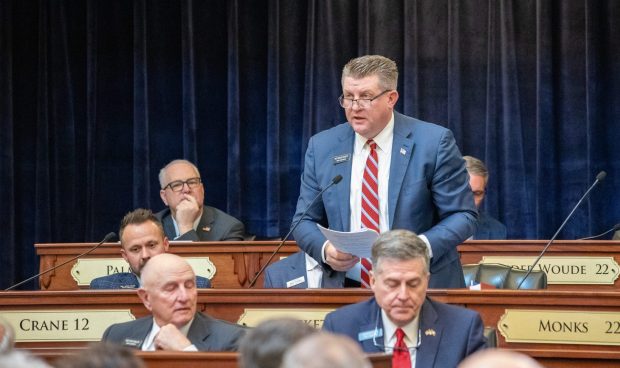
Rep. Doug Pickett, R-Oakley, speaks before the 2026 State of the State address. (Sean Dolan/EdNews)

Pickett, R-Oakley, is co-sponsoring the bill with Rep. Soñia Galaviz, a Boise Democrat and public school teacher, along with Rep. Clay Handy, R-Burley. 

The proposal, originally House Bill 588, will have a new bill number when it reaches the House floor. The co-sponsors introduced a replacement Tuesday that tweaked the language defining “supplemental learning funds.”

The new version would still limit eligible fund uses. Parents would be allowed to use them for education-related technology like laptops along with books, test fees, therapies and other expenses approved by the State Board of Education. 

The bill would also require additional transparency around private vendors that virtual schools contract with for online classes. Virtual schools would have to publicize the services the vendors provide, along with their costs. 

The bill would also require that virtual classes align with state content standards and that they’re taught by a state-certified instructor. 

One person — former state Sen. Steven Thayn of Emmett — spoke against the bill Tuesday. Thayn argued that the bill would restrict flexibility around the type of classes virtual schools offer. 

“The gold standard of school choice is parents being able to choose the curriculum,” he said. “Parents have more say into what curriculum is used. It might be more patriotic curriculum. They still have to meet the standards.”
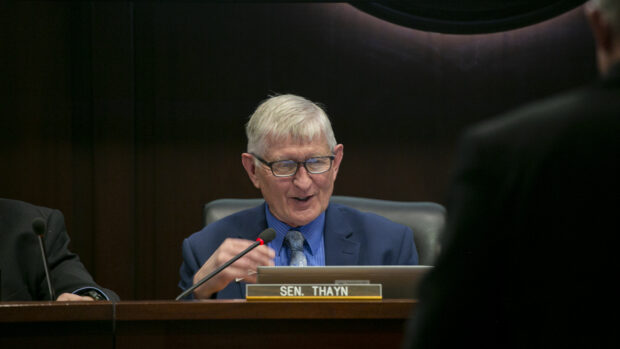
Former Sen. Steven Thayn, R-Emmett

Galaviz said that the bill protects local control of curriculum. But, like any other public school, virtual school curriculum must be guided by state content standards, and virtuals must conduct standardized testing. 

“I feel very confident in saying that the Idaho Home Learning Academy wants to focus on kids,” she said. “We all want to make sure that we are ensuring academic success and growth.”

The committee unanimously voted to send the bill to the full House. 

House rejects Blaine Amendment repeal

The House voted down a proposal to use public dollars to fund religious education.

House Joint Resolution 7 would have repealed Idaho’s “Blaine Amendment,” which prohibits taxpayer support of religious-based schools or enterprises. The amendment, and similar language in other state constitutions, has become a focal point in the debate over private school choice.
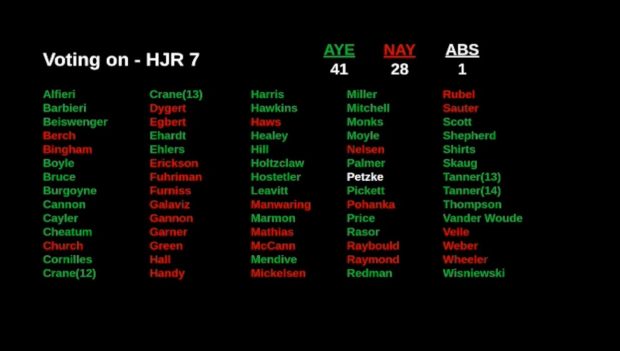
“This is discrimination based on religion,” sponsoring Rep. Elaine Price, R-Coeur d’Alene, said of the Blaine Amendment.

However, Price also said the repeal itself wouldn’t affect any public funding; this would only occur later. She added that the amendment would simply put the question before voters, who must ratify any constitutional amendment.

No House member debated for or against the repeal, and it came up for an unexpectedly quick vote.

In the end, 41 House members voted for repeal, while 28 members voted no. However, constitutional amendments must pass each house with a two-thirds majority.

Nineteen Republicans joined the House’s nine Democrats in opposition.

IDLA budget cuts debut in House

Lawmakers got their first look Tuesday at a proposal to scale back state support for the Idaho Digital Learning Alliance. Gov. Brad Little proposed cutting 39% from the online learning platform. 

Rep. James Petzke’s proposal would make a hodgepodge of changes to IDLA’s $26 million state budget. It would: 

Reduce IDLA’s per-enrollment state allocation from $445 to $427. 

Limit yearly course enrollments to three per student.

Eliminate state funding for IDLA’s Elementary Launchpad program and driver’s education courses.

Prohibit private- and home-school students from receiving state funds for IDLA courses.

Cut state funding for “custom” IDLA sections in urban districts — courses in which all enrollments come from a single district in cities with more than 50,000 people. 

“It rightsizes their budget while minimizing the hurt to their core mission,” Petzke, R-Meridian, told the House Education Committee. “We’re not getting rid of the things that we think that IDLA does really well.”

Districts and charter schools could continue offering the courses targeted for cuts, Petzke noted. But the local school would take on responsibility for paying the fees — or passing on the costs to parents. 

The proposed reforms would reduce IDLA’s state funding by $8.96 million. This doesn’t include savings from excluding home-schoolers from the platform. These savings are difficult to project, Petzke said.
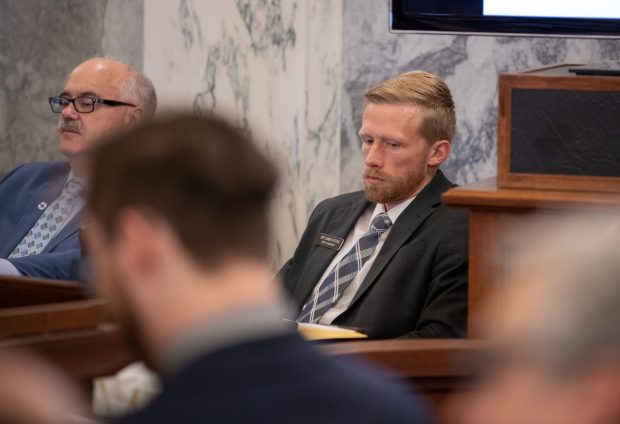
Rep. James Petzke, R-Meridian, listens to a presentation during at a Jan. 15 Joint Finance-Appropriations Committee meeting. (Sean Dolan/Idaho EdNews)

But the bill doesn’t explicitly address the IDLA budget issue that drawn scrutiny from lawmakers and Little. Rep. Kent Marmon, R-Caldwell, asked whether the bill tackles “double-dipping” — when brick-and-mortar schools collect state funds for a student who’s logged into an online course through IDLA. 

Petzke responded that the proposed changes will pull out some of the “double-funding.” But IDLA provides the content and teachers for the courses it offers to districts and charters, he said, so concerns should be addressed in the budgets for brick-and-mortar schools. 

“IDLA should be getting the money, not the districts,” Petzke said. “That’s a broader funding-formula question that I think that we need to tackle at some point.”

Petzke’s bill may not be the only one tackling IDLA’s budget this session. Rep. Clint Hostetler, R-Twin Falls, said Rep. Elaine Price, R-Coeur d’Alene, is working on a separate proposal. 

IDLA’s superintendent, Jeff Simmons, and other administrators from the agency worked with Petzke on the bill introduced Tuesday. 

“They don’t love it, as no agency would, right?” Petzke said. “This is a massive, massive cut to their budget. But they have seen it, and they do think this is the best path forward given the circumstances.”

New bill directs public schools to hold daily periods of silence

Public schools could soon be required to hold daily, one-minute periods of silence allowing students to “reflect, meditate, pray or engage in another silent activity.” 

Sponsoring Rep. Bruce Skaug told the House Education Committee that dozens of other states have enacted similar laws. A pastor and a rabbi approached Skaug with the proposal, the Nampa Republican said. 

“The silence isn’t religious or irreligious,” Skaug said. “You can pray, you can meditate or just think about your day.”

Committee members debated whether the bill should mandate the time of day that each period of silence must occur. The bill requires they be “at or near the beginning of each school day.”

Rep. Bruce Skaug, R-Nampa

Rep. Chris Mathias, D-Boise, moved to take out this provision of the bill and allow schools to conduct the exercise at any time of day. The motion failed on a 5-9 vote. 

Rep. Tony Wisniewski argued that a morning period of silence would “set the tone for the whole day.” Wisniewski, R-Post Falls, compared it to the House and Senate praying and reciting the Pledge of Allegiance at the beginning of each floor session, which establishes an “atmosphere” and “reverence.”

“If we leave it up to the teacher, and if a teacher is not in agreement with this principle, what could happen?” he said. “I have often said that if you can’t think like a criminal, you don’t belong in the Legislature.”

The committee voted to introduce Skaug’s bill, setting the stage for a future public hearing.

A divided House makes an appeal for special education funding

A nonbinding request for federal special education funding passed Tuesday, but over significant opposition.

House Joint Memorial 11 calls on Uncle Sam to cover 40% of special education costs — as promised with the 1975 passage of the federal Individuals with Disabilities Education Act. The feds cover about 12% of Idaho’s special education costs, leaving the state and local schools to pick up the balance.

“This is a long overdue collection notice,” said Rep. Ben Fuhriman, R-Shelley, the memorial’s sponsor.

During brief debate, Rep. Lucas Cayler said the state shouldn’t demand more money from a federal government more than $38 trillion in the red. “I think everyone would agree that our federal debt is in a very, very bad place,” said Cayler, R-Caldwell.
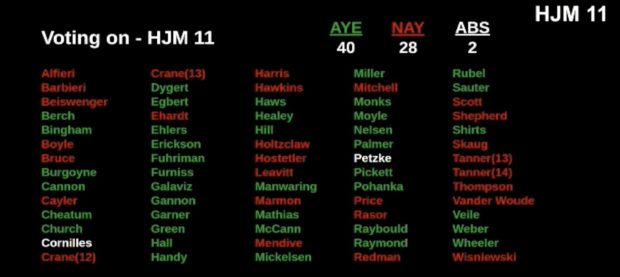
The memorial passed on a 40-28 vote. Notably, five of the 10 members of the House Appropriations Committee — the budget-writing panel that writes up spending bills for K-12 — were among the opponents.

The memorial now heads to the Senate.

Click here to follow the original article.

New Hulu Docuseries revisits Pocatello killing of Cassie Stoddart; “The Scream Murder” to debut Wednesday

Curtis Jackson

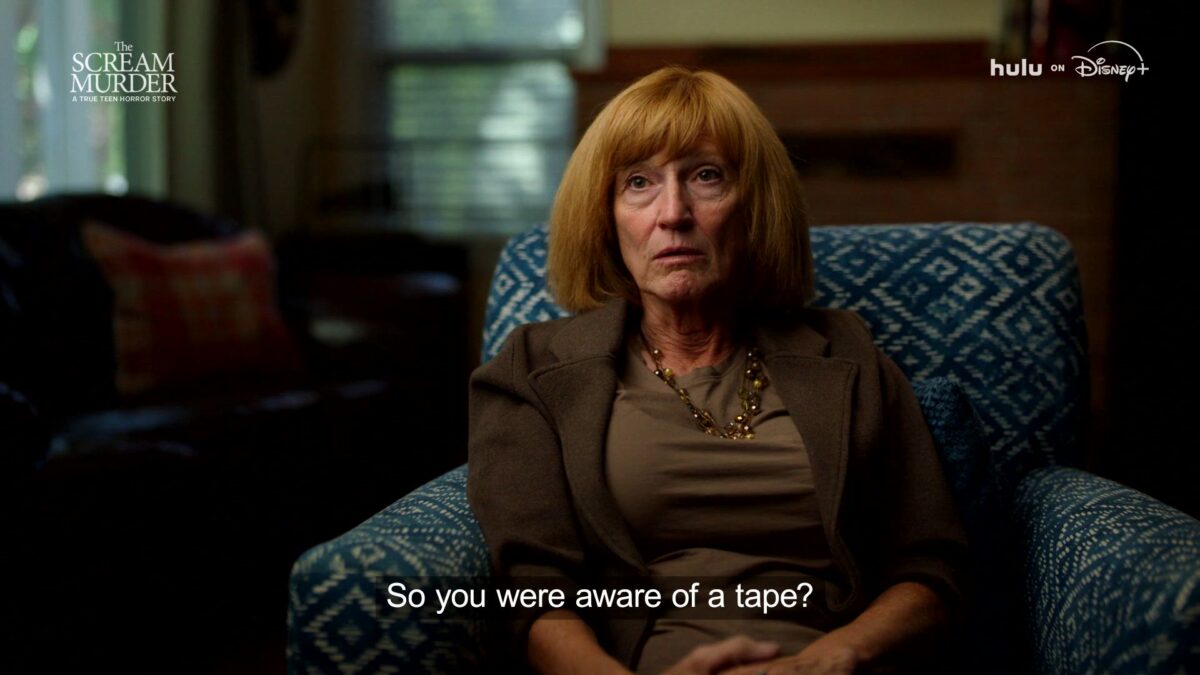
POCATELLO, Idaho (KIFI)— Hulu is set to premiere a gripping three-part true‑crime documentary examining the 2006 murder of Pocatello teenager Cassie Stoddart — a case that shocked the region and drew national attention for its chilling connection to horror‑movie obsession.

“The Scream Murder: A True Teen Horror Story” is set to debut on Wednesday, Feb. 11, on Hulu retraces the final hours of 16-year-old Stoddart, who was found stabbed to death while house‑sitting on the outskirts of Pocatello. As fear of a random killer spread through the community, investigators focused on the last people to see her alive: her boyfriend Matt, later cleared of involvement, and classmates Brian Draper and Torey Adamcik.

Detectives eventually uncovered a disturbing videotape recorded by Draper and Adamcik — evidence that prosecutors say revealed the teens planning and later attempting to document the murder. The series follows their arrests, trials, and ultimate convictions, exploring how the pair’s fixation on horror films, particularly the 1996 slasher Scream, shaped their deadly plot.

Beyond the investigation, the documentary highlights the lasting trauma for Stoddart’s family, the painful reckoning faced by the boys’ parents, and the ongoing debate over sentencing minors to life in prison. Nearly two decades later, the series returns to Pocatello as Draper and Adamcik reflect from behind bars on the night that changed multiple families forever.

View the trailer above.

Click here to follow the original article.
Idaho lawmakers move to curb local control over short-term rentals

Seth Ratliff

BOISE, Idaho (KIFI) — Idaho legislators introduced two pivotal bills last week aimed at stripping local governments of their power to regulate short-term rentals (STRs). The legislative push follows a wave of local crackdowns, new taxes, and zoning restrictions in Idaho’s most popular resort towns and vacation destinations, where the explosion of platforms like Airbnb and VRBO has sparked fierce community debate.

Limiting the Scope of Local Regulation

The first proposal, House Bill 583, introduced on February 3rd in the House Business Committee, seeks to limit local STR ordinances strictly to matters of public health and safety.

The bill’s sponsor, Representative Jordan Redman (R-District 3B), cited a 2025 Idaho Supreme Court decision affirming strong protections for short-term rental owners. That ruling struck down a 2006 Lava Hot Springs ordinance that had barred non-owner-occupied STRs from residential zones.

“Property owners should be able to decide how to use their homes,” Redman stated. “This bill is a much-needed piece of legislation to affirm owner choice and market freedom.”

A Narrow Definition for “Professional” Rentals

A second piece of legislation, introduced in the Senate Commerce and Human Resources Committee, takes a different tack. Senate Bill 1263 aims to prevent cities from adopting STR-specific ordinances beyond basic safety.

Notably, the bill would also prohibit local governments from requiring business licenses for STRs unless the rentals are owned by professional investors who operate four or more STRs in the same jurisdiction or a rental generates greater than $10,000 per year.”

Senator Mark Harris argued the bill is intended to balance the competing private property rights of STR owners and local families.

“These ordinances should balance the private property rights of families and long-term residents with those of STR owners,” Harris said. “But in some areas of the state, we’ve seen ordinances go too far, disregarding the rights of one group over another.”

Pushback from Idaho’s Resort Towns

The legislative proposals have sounded alarms in communities like McCall and Island Park, where STRs often outnumber year-round residents.

McCall: A “Critical Crossroads

In a letter to city residents, McCall Mayor Colby Nielsen warned that the bills put the area at a “critical crossroads.” McCall currently hosts over 400 registered STRs—a significant figure for a town with only 1,400 year-round households.

Nielsen pointed to a July 2025 court victory that upheld McCall’s right to set occupancy limits, parking requirements, and fire safety standards. He cautioned that these hard-won local protections are being targeted by interests far removed from McCall.

“We expect more attempts this year with large out-of-state online STR platforms and real estate lobbying groups pushing for rules that support their business model, not Idaho neighborhoods,” wrote Nielsen. “These proposals can strip local communities of the ability to manage STRs in ways that best serve residents, replacing local solutions with a ‘one-size-fits-all’ mandate.”

Mayor Nielsen pushed McCall’s residents to contact their State legislators to oppose the “efforts to preempt local authority.”

Island Park: Infrastructure Under Strain

In Island Park, the ratio is even more lopsided: over 1,600 STRs serve a community with fewer than 1,000 residents, less than 200 of which are year-round residents. Residents have complained that the massive influx of seasonal visitors is buckling the area’s limited infrastructure and emergency services.

“We do not have the infrastructure for the many people we have during the summer months,” said resident Teri Ehresman. “What works for the Boise area does not work for large rural communities like Island Park. Our Island Park residents, who are neighbors to these constant visitors, also have property rights.”

The debate in Island Park is further complicated by recent legal drama. Several STR owners were recently charged with voter fraud following allegations that they illegally voted in a local election to defeat a proposed Auditorium District. The district would have imposed a 5% lodging tax on short-term stays to fund local services.

RELATED: Island Park Voter Fraud Investigation

Interestingly, neither of the two bills currently before the legislature would prevent communities from enacting such taxing districts. Both bills have cleared their respective committees and are headed to the House and Senate floors for full debate.

Click here to follow the original article.
Idaho death row inmate Erick Hall dies of natural causes

Seth Ratliff

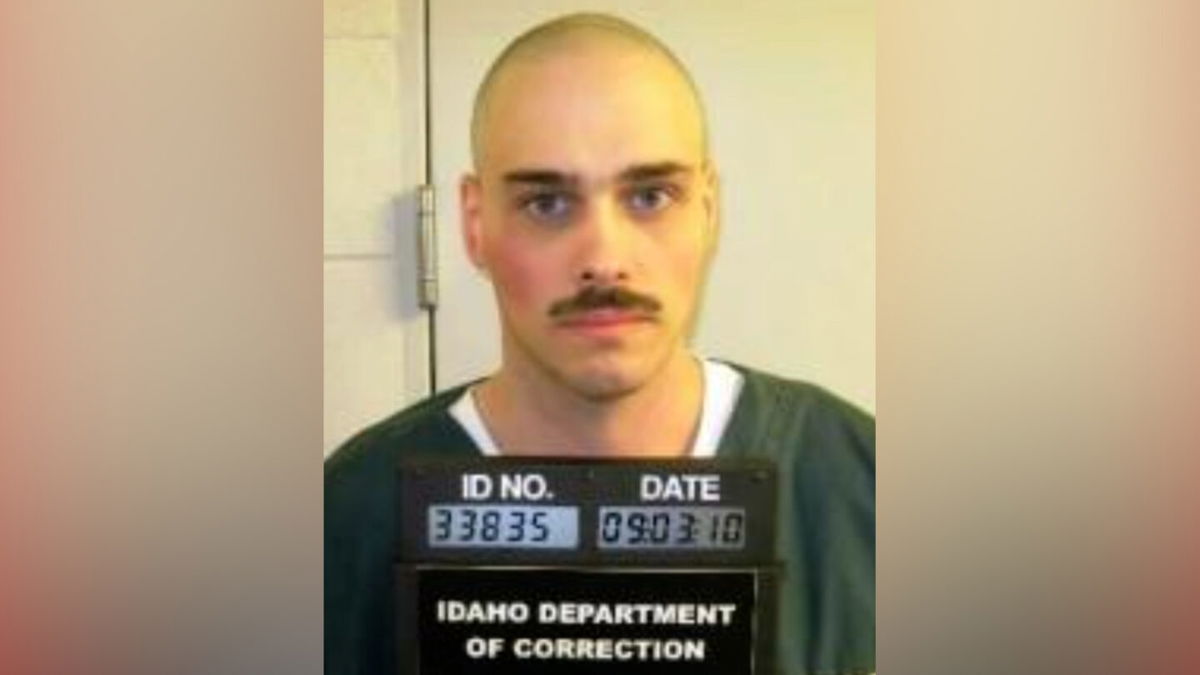
BOISE, Idaho (KIFI) — Erick Hall, the convicted murderer behind two of Idaho’s most notorious cold cases, will not face the state’s execution chamber. The Idaho Department of Correction announced Tuesday that Hall passed away from natural causes at a local hospital on Feb. 9, 2026, at 9:58 p.m.

At the time of his death, Hall was serving two death sentences for the first-degree murders of Lynn Henneman and Cheryl Ann Hanlon in Ada County.

The Crimes that Haunted Boise

In 2000, Hall raped and murdered flight attendant Lynn Henneman, originally from Bozeman, Montana. Adding to the tragedy, the murder took place less than a month after the young flight attendant had married Walter Us.

According to the Bozeman Daily Chronicle, Henneman was in Boise on a layover for United Airlines when she went missing for two weeks before her body was discovered in the river on Oct. 7, 2000.

It unfortunately took yet another tragedy to solve the case. In March 2003, a teenager found the body of Cheryl Ann Hanlon of Boise along a trail in the foothills. According to reports by the Spokesman Review, Hanlon had been raped and beaten so severely that she looked like the victim of a traffic accident.

The breakthrough came after a witness reported seeing Hanlon walking with a man in downtown Boise the night before her death. The resulting composite sketch led to Hall’s arrest. Once in custody, investigators used DNA evidence to definitively link the then-transient Hall to the 2000 murder of Henneman.

Hall spent decades fighting the sentences. In 2018, he appealed to the Idaho Supreme Court, claiming he had received an unfair trial. However, the justices upheld the death sentence in a majority ruling, stating Hall had been provided with adequate representation and a fair legal process.

Click here to follow the original article.
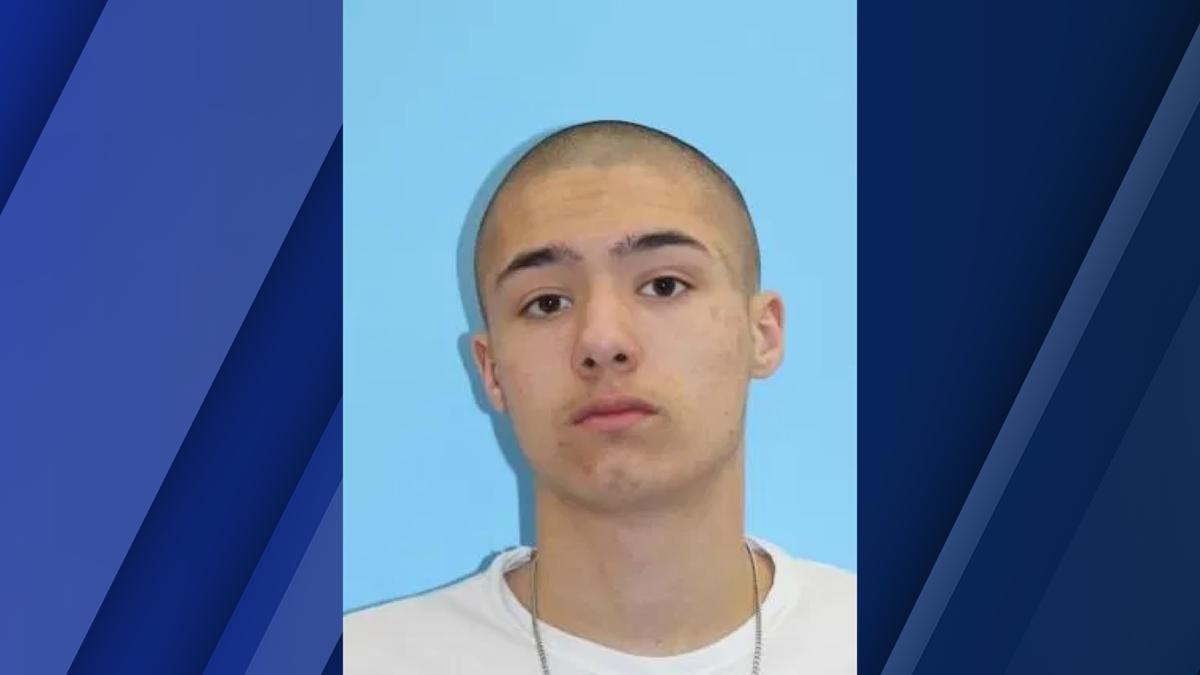
Teen pleads guilty to murder of Blackfoot woman

Curtis Jackson

BLACKFOOT, Idaho (KIFI)—A teen who was charged in the killing of a woman last fall in Blackfoot has entered a guilty plea in court.

Bobby Grant Jackson pleaded guilty to second-degree murder for the death of Rebecca Rivera. The plea was submitted on January 29, 2026, as part of a binding agreement with prosecutors. If the judge accepts the deal, Jackson will serve at least 20 years in prison.  

Rivera’s body was found dead on October 23, 2025, at a trailer park at 1159 Broadway in Blackfoot. According to investigators, preliminary findings indicated that before the shooting, Jackson had stolen a firearm and had been reported as a teen runaway.

Police say Jackson arrived at Rivera’s home sometime after 12:40 PM on October 23, where he allegedly shot her in the head before leaving the home.

Following the shooting, investigators say Jackson traveled to Chubbuck and eventually to Pocatello, where he was located at a home and taken into custody without incident that night.

Because Jackson was a minor at the time of the crime, he is not eligible for the death penalty. Sentencing is scheduled for March 4 at 9 a.m.

Click here to follow the original article.
Bannock County announces property tax relief Open Houses for eligible residents

Maile Sipraseuth

BANNOCK COUNTY, Idaho (KIFI) — Eligible Bannock County residents can save up to $1,500 on their property taxes, and the Bannock County Assessor’s Office is encouraging those who may qualify to apply for the 2026 Property Tax Reduction program.

The Property Tax Reduction (PTR) program, formerly the “circuit breaker,” helps lower property taxes for qualifying Idahoans, including seniors, widows and widowers, recognized disabled individuals, disabled veterans, former prisoners of war, and the visually impaired. To qualify, applicants must have an annual income of $39,130 or less.

For more information about applying, the Bannock County Assessor’s Office will host multiple open houses throughout the community, where staff will be available to answer questions and help with applications.

Residents who think they may qualify are also welcome to call the Assessor’s Office for help at 208-236-7260 or visit bannockcounty.gov/assessor.

Upcoming PTR Open House Schedule:

Feb. 24, 9-10 a.m. – Arimo City Hall – 115 Henderson Rd. 

Feb. 26, 9-10 a.m. – Downey Community Center – 15 S Main St. 

March 3, 9-10 a.m. – Lava Hot Springs Senior Center — 150 N Center St. 

March 5, 9-10 a.m. – McCammon City Office – 100 Center St. 

March 10, 9-10 a.m. – Inkom City Hall — 365 N Rapid Creek Rd. 

March 12, 9-10 a.m. – Chubbuck City Hall — 290 E Linden Ave. 

March 19, 9-10 a.m. – Pocatello Senior Activity Center — 427 N 6th Ave

The application deadline for 2026 is Wednesday, April 15.

Click here to follow the original article.
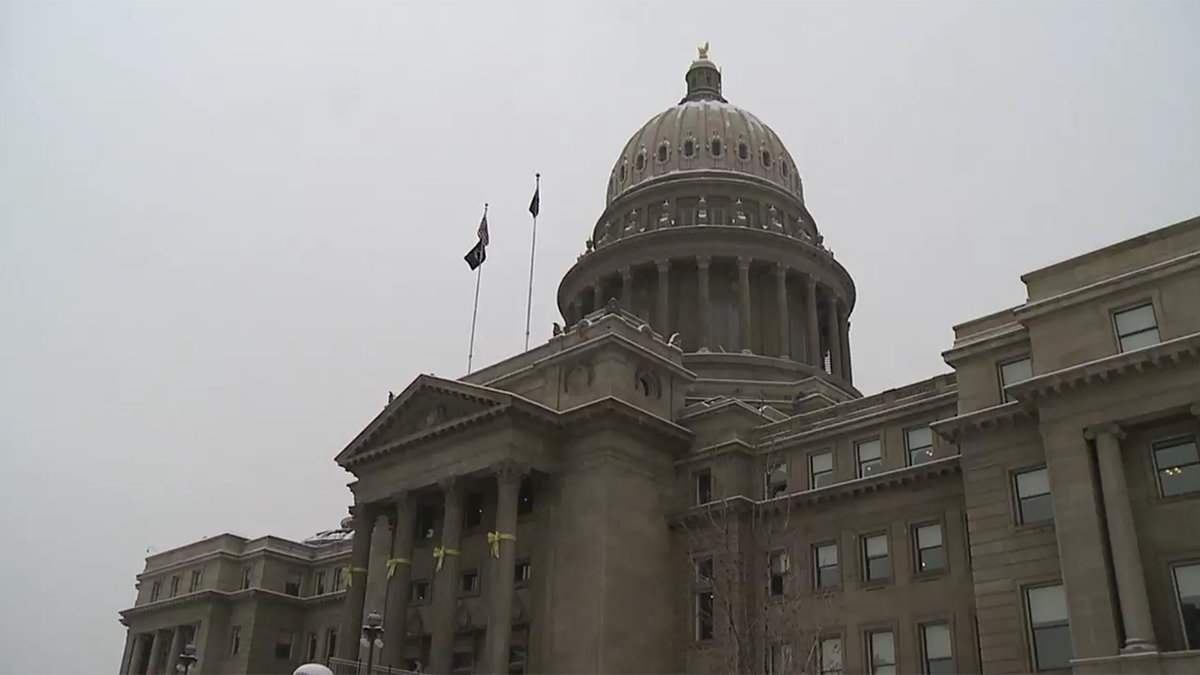
‘Convention of States’ debate broils in Boise

David Pace

BOISE, Idaho (KIFI) – Idaho is closely debating whether to join a coalition of states calling for a balanced budget amendment on the national level. 

The proposal, if passed, would include Idaho in a push to hold a convention of states.

The amendment would require the U.S. Congress to balance its budget and ensure that its expenditures do not exceed income.

“We have a $38.5 trillion debt with only $5.3 trillion of revenue every year,” said Rep. John Shirts, R-Weiser. “That’s like making $53,000 a year, and having $385,000 in credit card debt. This affects our national security, our national sovereignty, and most importantly, it affects our children and our grandchildren who will be saddled with this massive amount of debt.”

But the 36-34 vote divided Republicans, with 25 GOP legislators joining nine Democratic representatives in opposition.

“I know you want just a Constitutional convention for a balanced budget. I submit to you that that will not happen today,” said Rep. Cornel Rasor, R-Sandpoint. “It will be overturned. They will use necessity, they will use precedent, and we will come out of that with something so foreign to our worldview and way of thinking that our children will never forgive us.”

A convention of states is provided for by Article V of the U.S. Constitution, which says that 34 state legislatures can call for a convention to propose amendments to the Constitution. Any amendments would then need to be ratified by 38 of the state legislatures. 

Proponents say this is one of the states’ best tools to reign in federal spending and the national debt.

“Congress needs to reopen up the autopilot, actually do their job, balance this thing down to where they actually have something to work with,” said Rep. Josh Tanner, R-Eagle.

However, opponents argue that a convention of states has never occurred before and could lead to unintended consequences.

“I am not, necessarily against the convention of states, but I am worried about a runaway convention,” said Sen. Kevin Cook, R-Idaho Falls. “Supporters say that there’s rules in place, there’s laws in place that it just won’t happen – that there’s no way that it can be a runaway. But my experience in local and state politics suggest otherwise.”

Cook cited Platform Enforcement Hearings, in which local GOP committees attempted to remove elected officials from the Republican party for not following the GOP platform, as an example of small groups of people changing political rules to achieve their aims.

The convention of states proposal is supported by Florida Gov. Ron DeSantis, who visited with Idaho legislators in January, but is opposed by the Idaho GOP party, including Chairwoman Dorothy Moon. Idaho Democrats also voted unitedly against the resolution.

The measure now advances to the Idaho Senate for a vote.

Click here to follow the original article.
Motorcycles in February? ISP urges extra caution

Ariel Jensen

IDAHO FALLS, Idaho (KIFI) – Idaho’s warm winter season is throwing a lot of people off, and lately, winter driving hasn’t been very winter-like. Local News 8 visited with the Idaho State Police to see what they see on the roads during the unseasonably warm days.

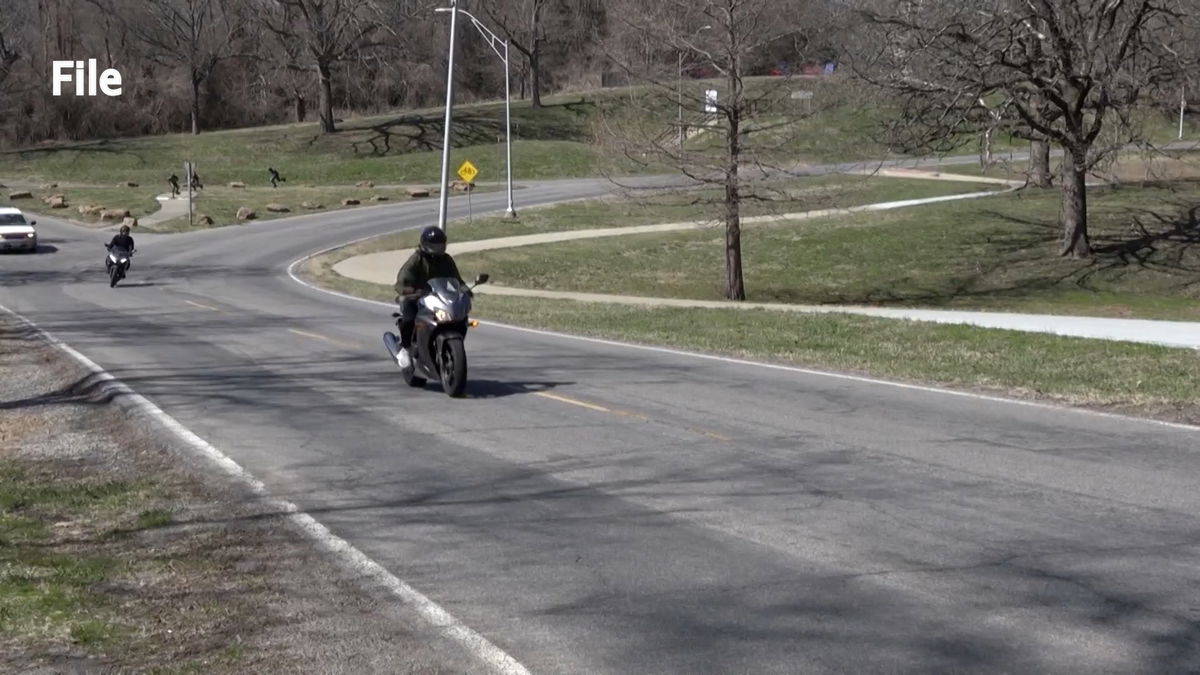
Normally, ISP would be warning drivers to look out for snow plows, but lately, there’s an unusual sight – motorcycles on the roads. While Idaho State Police say they haven’t had any reports of accidents involving motorcycles, they say to be mindful of the two-wheeled vehicles on the roads.

“We’re just trying to get that message out now, where we have seen more motorcycles out, which is not typical for this time of year,” said Sergeant Amanda Ward with ISP. “So, we just want to remind the public to share the roads with them and watch for them.”

While it’s been dry enough for bikers, we’re still waking up to frost on the windows. If ISP sees you driving with mostly icy windows and only a small portion cleared up, that’ll be a $67 fine. So until the snow plows come out, watch out for motorcyclists, and always keep those windows clear, snowplows or not.

Click here to follow the original article.