Local veterans and leaders call for peace as a part of International Day of Peace


Gavin Nguyen

DESERT HOT SPRINGS, Calif. (KESQ) – Monday, September 21st marks the International Day of Peace.

Conflict rages on in the Middle East. The war in Ukraine continues. A number of civil wars and armed conflicts are happening in Africa. These conflicts are all being tracked with the Council on Foreign Relations’ Global Conflict Tracker, found here.

27 conflicts being tracked on the Global Conflict Tracker as of 09/21/2026

Amidst the backdrop of these conflicts, this year’s International Day of Peace brought a renewed call for an end to such wars.

On the local front, a number of veterans and local leaders gathered in Desert Hot Springs to call for change. The event entered its 21st year and took place at the Miracle Springs Resort & Spa. It was a way to honor those in the military, present and past, and to call for peace. From prayers to songs, the veterans and local leaders in attendance had a common goal.

Tom Swann Hernandez, who worked to organize Monday night’s ceremony, acknowledged the ongoing conflict in Iran.

“America’s at war again. And you see our banner over here to support the troops,” he said, motioning to a large banner taped to the wall that read “SUPPORT THE TROOPS” and “BRING THEM HOME.”

He echoed, “Bring them home. We’d like for them to come home, they’ve been gone a long time.”

“We support our country. We committed to defend our country, but all in the name of peace. We would love to have peace, to end war and to get along,” said Josephine Keller, a veteran of the Air Force and a Junior Past Commander within AMVETS. She was at the ceremony with her husband, also an Air Force veteran.

“I’ve already put in my time in service, I am here to support those that are going out to continue defend our country and to do the job that they have sworn to do. And I will continue to support them until they all come home,” she continued.

Keynote speakers, including Reverend Mark Kotlarczyk of Yucca Valley’s St. Mary of the Valley Catholic Church, offered a message of peace – not just on the global scale, but in our own homes.

“It’s got to start with me, and it’s got to start with you,” he emphasized.

He said finding ways to be sincere to the people around us – from neighbors to family – is the key: “If we can have a peaceful home, peaceful neighborhood, a peaceful place of work, you know, then we can see that begin.”

A subsequent awards ceremony honored leaders of local cities and nonprofits.

Honorees included the following:

Rita Lamb, Cathedral City Council Janet Weil, Code Pink Mark Westwood, Yucaipa Mobile Home Residents Association Lynn Mallotto, Rancho Mirage Mayor Faye Chow, National Active & Retired Federal Employees Barbra Matis, Tesla & Pop Up Protests Tom Swann Hernandez, AMVETS CA. Post Commander of the Year

Singer and actor Prince Fleet Easton, who sang the national anthem and other songs advocating for peace during the ceremony, put it plainly: “We all are in this game together here on this planet, and we need to all come together and work together and not be adversaries, but work together as companions.”

Click here to follow the original article.
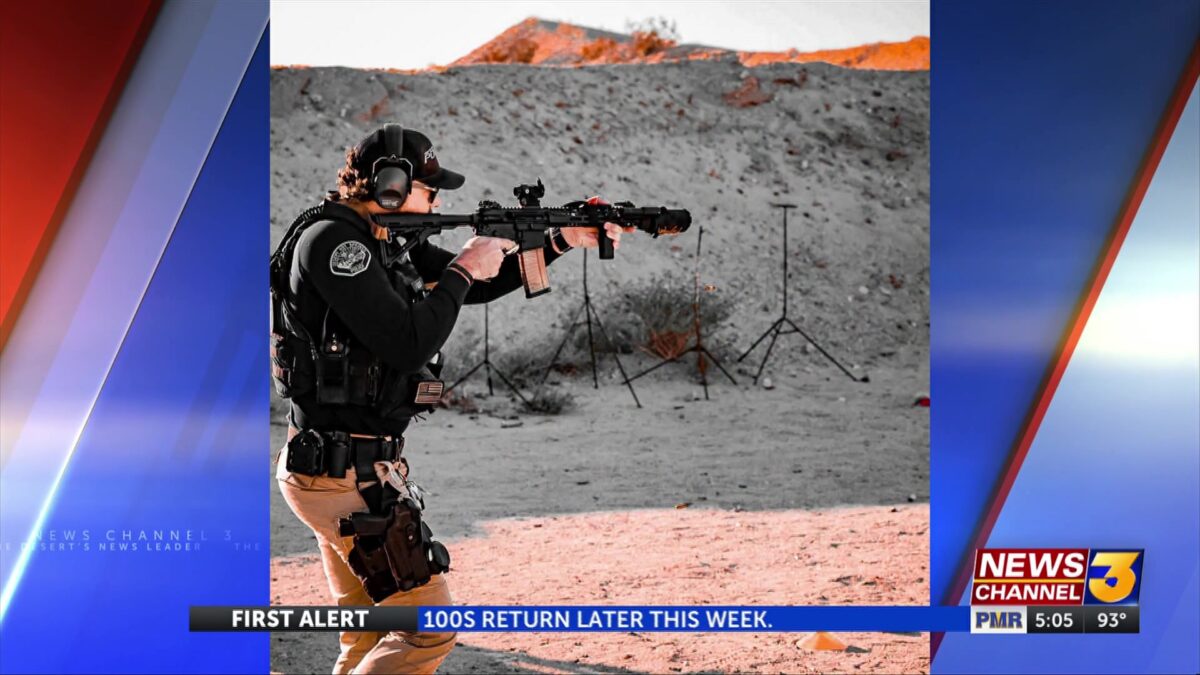
Desert Hot Springs police open $7.26 million annex Tuesday. Chief Shaw: ‘They’re actually going to have their own locker room now’

KESQ News Team

DESERT HOT SPRINGS, Calif. (KESQ) The Desert Hot Springs Police Department will open a $7.26 million annex building Tuesday, giving officers their first locker room in years as the city moves to expand its police force for the first time in roughly two decades.

The ribbon cutting is set for 9 a.m. Tuesday at 65950 Pierson Blvd., next to the department’s main station. An open house will follow, and the public can tour both the annex and the main building, Police Chief Steven Shaw said.

“Most of our officers here have never even worked where they’ve had a locker room, and they’re actually going to have their own locker room now,” Shaw told News Channel 3 on Monday. “Something real basic that most police departments have.”

Shaw said the department has gone without a locker room for several years because of construction. The annex also adds a training and briefing room and office space for detectives and other staff, he said.

A long wait for detectives

The city broke ground on the annex in March 2025. City officials have said the building gives detectives a permanent home after more than 14 years in temporary trailers, along with added storage and parking. It is the first phase of a planned public safety campus that is also slated to include a fire station.

The project was paid for with the city’s public safety bond, federal American Rescue Plan Act money and development impact fees, according to the city.

New hires headed to patrol

The opening comes three weeks after the City Council voted unanimously Sept. 1 to raise the department’s authorized staffing from 33 sworn officers to 45 over the next five years.

“You’ve got to have the force to be able to not be overworked,” Mayor Scott Matas said of the vote.

Shaw said incoming officers are being assigned to patrol.

“The ones that are coming, they’re going straight to patrol,” Shaw said. “We’ve beefed up our patrols, our patrol staffing.”

Shaw said the added patrol staffing has brought response times down.

The department has also been highlighting its training. In a Facebook post last week, the department said officers “continually train to sharpen their skills,” with work ranging from firearms to tactics and decision-making.

Fentanyl still a top concern

Asked what officers are seeing on the streets, Shaw said violent crime is down and the department is focused on property crime. He said fentanyl remains the biggest drug problem in the city.

“Fentanyl is still the thing that is huge out there,” Shaw said. “It’s laced in almost everything.”

Shaw credited residents with helping hold down burglaries and car thefts by locking their doors and vehicles.

If you go

What: Desert Hot Springs Police Department annex ribbon cutting and open houseWhen: 9 a.m. Tuesday, Sept. 22Where: 65950 Pierson Blvd., Desert Hot Springs

Click here to follow the original article.

Average Riverside County gas price rises to highest amount since 2023

City News Service

RIVERSIDE (CNS) – The average price of a gallon of self-serve regular gasoline in Riverside County rose today to its highest amount since Oct. 2, 2023, increasing 1.9 cents to $6.112, extending its streak of increases to 34 consecutive days.

The average price has risen 59.2 cents over the past 34 days, including 1.8 cents Sunday, according to figures from the AAA and Oil Price Information Service. It is 17.7 cents more than one week ago, 57.3 cents higher than one month ago and $1.507 greater than one year ago.

The average price has increased $1.561 since the start of the joint U.S./Israel war on Iran on Feb. 28, which sent oil prices higher and drastically accelerated increases at the gas pump.

An increase of two-tenths of a cent to $4.786 extended the run of rising national average prices to 21 in 22 days. It has risen 40.1 cents over the past 22 days, including one-tenth of a cent Sunday.

The national average price increased five consecutive days, dropped two-tenths of a cent Sept. 5 and resumed rising the following day. It is 16.2 cents more than one week ago, 36.9 cents higher than one month ago and $1.295 greater than one year ago.

The national average price has increased $1.496 since the attack on Iran.

The national average price is at its highest amount this late in the calendar year, according to Patrick De Haan, head of petroleum analysis at GasBuddy, which provides real-time gas price information from more than 150,000 stations.

Click here to follow the original article.

20 arrested during Mongols Motorcycle Club gathering in Cathedral City

Matthew Pearce

CATHEDRAL CITY, Calif. (KESQ)— Cathedral City police arrested 20 people during a high-visibility enforcement operation tied to a weekend gathering of the Mongols Motorcycle Club, authorities said.

The operation was conducted Friday and Saturday in partnership with several local and state law enforcement agencies while the Mongols held a gathering at the DoubleTree by Hilton Golf Resort Palm Springs.

According to Cathedral City police, officers made 15 arrests Friday involving suspected narcotics and weapons violations, possession of stolen property, suspended licenses and outstanding warrants. Three handguns were recovered, 42 citations were issued and five vehicles were stored or impounded.

On Saturday, officers made five additional arrests involving suspected weapons offenses and seized three more handguns. Police also issued 35 citations and stored or impounded nine vehicles.

“We ensured that there was going to be public safety, that was a priority for our community,” Commander Jon Enos said. “So overall, it was successful operation.”

The enforcement effort involved the California Highway Patrol, Riverside County Sheriff’s Department, Desert Hot Springs Police Department, Palm Springs Police Department, Indio Police Department and California Department of Corrections and Rehabilitation parole agents.

The U.S. Department of Justice identifies the Mongols as an outlaw motorcycle gang. Cathedral City Police Chief Rick Sanchez previously said the department was treating the gathering accordingly.

We are speaking with Cathedral City police to learn more about the department’s enforcement effort, including what prompted the operation and what officers encountered during the weekend. We’ll have more details tonight on News Channel 3 at 4pm, 5pm and 6pm.

Click here to follow the original article.
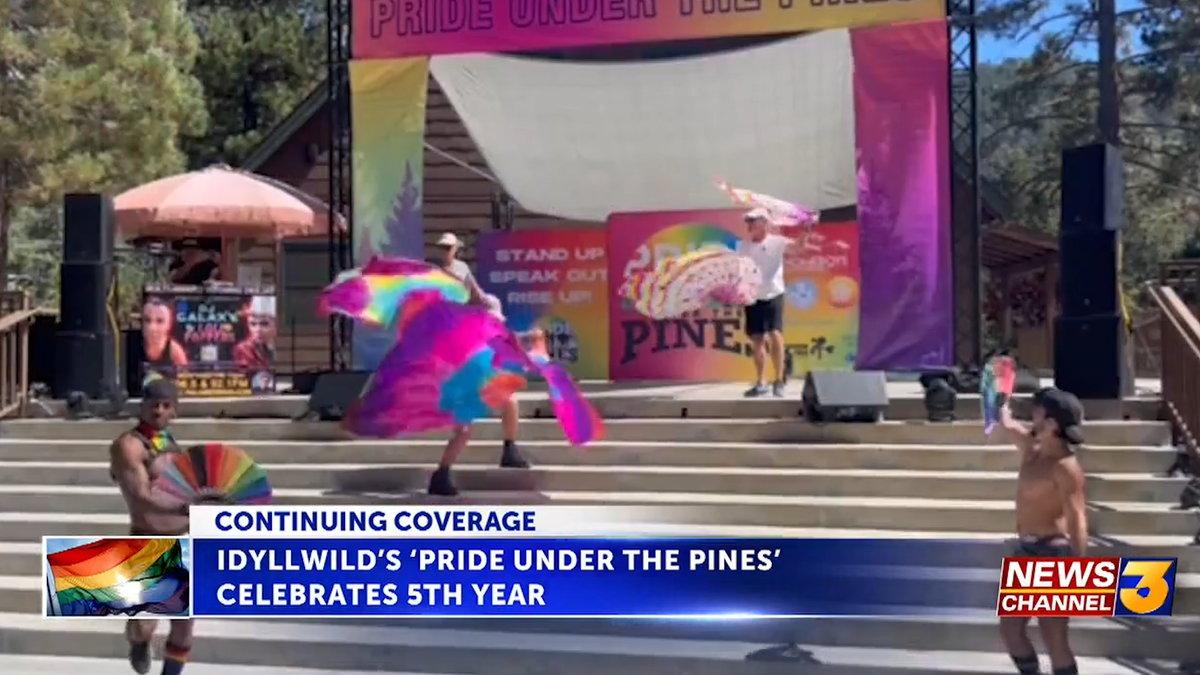
Should AI be regulated? Local students, professor weigh in as debate grows in Washington

Raymond Kalra

PALM DESERT, Calif. (KESQ) – As artificial intelligence becomes increasingly integrated into everyday life, questions about how the technology should be regulated and who should be responsible for keeping it safe are becoming more urgent.

From completing schoolwork and organizing daily tasks to generating realistic images, videos and voices, AI tools are giving users capabilities that were difficult to imagine just a few years ago.

News Channel 3 is taking the question to the Coachella Valley: Do you think artificial intelligence needs regulations?

News Channel 3 spoke with College of the Desert students and professors, along with a local artificial intelligence expert, about whether AI needs additional guardrails and what those safeguards could look like.

For College of the Desert student Shayna Alexander, artificial intelligence has already become part of her routine.

“I am using AI almost every day due to getting summarization for my homework templates, or helping me out at home with my daughter’s daily needs,” Alexander said.

She sees AI as a useful tool, but believes there should be limits on how much people depend on it.

“I believe we definitely need guardrails because I like to say if you’re having open heart surgery tomorrow, would you want someone who just only learned AI?” Alexander said. “AI can’t be empathetic and AI cannot use discernment. So I think that we need to definitely have some guardrails.”

Alexander said AI can make certain tasks easier, but she does not believe it should replace human judgment.

“I believe we can use it as a tool, a helpful tool, but not something we need to rely on,” she said.

Balancing innovation and safety

Sat Singh, founder of AI Coachella Valley, said the debate over regulating artificial intelligence is complicated by how quickly the technology is developing.

He said safeguards should not come at the expense of innovation, but that development should still happen in a safe and ethical way.

“You want innovation. That’s… you want that to happen, but you want to do it in the same safe and ethical manner,” Singh said. “I think we need more understanding right now.”

One potential guardrail Singh pointed to is transparency.

As AI generated images, videos and other content become increasingly realistic, Singh said people should know when what they are seeing was created or altered using artificial intelligence.

“As a consumer, I want to know when AI is put in front of me, whether that’s AI video, AI images, AI content, AI anything,” Singh said.

Concerns over deepfakes

College of the Desert student Colin Rhodes said one of his biggest concerns is the ability to use artificial intelligence to create realistic content involving actual people.

“I think it definitely needs guardrails, because I’ve seen some of the scary things that people can do with it,” Rhodes said. “I’ve seen people make images of like actual people doing things that they would never do.”

Rhodes said he uses AI primarily for brainstorming and planning rather than having the technology complete assignments for him.

He also raised concerns about the material used to develop AI systems, including whether creators consented to their work being used.

Professor Felix Marhuenda Donate, who teaches computer information systems at College of the Desert, said advances in AI generated video and audio are also making deepfakes easier to create and more difficult to recognize.

“The effects are getting a lot easier nowadays. Video deepfakes, voice deepfakes,” Marhuenda Donate said.

He said families should consider establishing a safe word that can be used to verify someone’s identity if they receive a suspicious call appearing to come from a loved one.

“These deepfakes sound real, they look real, and they’re fooling a lot of folks out there,” Marhuenda Donate said. “So talk to your loved ones so that if in case they get an awkward phone call saying that they’re in trouble or something, they can use that safe word.”

Drawing lines in the classroom

The debate over AI guardrails is also already playing out inside classrooms.

Patrick Jacobs, an assistant professor of computer information systems at College of the Desert, allows students to use AI in his classes, but requires them to follow academic standards and cite work that is not their own.

For beginning programmers, Jacobs compares relying too heavily on artificial intelligence to bringing a forklift into a gym.

“The purpose of going to the gym is to get stronger muscles, not to lift the weights,” Jacobs said. “So I just ask to see work from them, from their brains.”

Jacobs said the goal in an educational setting is not simply reaching the final answer. Students also need to develop the skills required to reach it themselves.

Marhuenda Donate expressed a similar view, saying AI can help students understand material but should not replace learning.

“It’s okay to use it as a tool, just like I use Google and Wikipedia as a tool, AI is nothing but a tool to help you with understanding,” Marhuenda Donate said.

He warned students who allow the technology to replace the learning process could ultimately enter the workforce without the skills their education was intended to develop.

What could AI guardrails look like?

There was no single safeguard identified by everyone News Channel 3 spoke with.

But several themes repeatedly emerged from the conversations: greater transparency about when people are interacting with AI generated content, accountability when AI systems cause harm, protections against deceptive uses such as deepfakes and boundaries that keep humans involved in important decisions.

Alexander said responsibility should not fall on only one group.

“It shouldn’t be AI’s responsibility,” Alexander said. “It’s all of our responsibility.”

Singh said the challenge will be finding ways to address the risks while still allowing artificial intelligence to develop and be used productively.

As AI technology continues to change, the students, educators and expert News Channel 3 spoke with agreed on one fundamental point: artificial intelligence can be a useful tool, but how people build it, use it and set boundaries around it will matter just as much as what the technology itself can do.

Click here to follow the original article.

Pride Under the Pines event moved to May 2027

Tommy Gallegos

Idyllwild, Calif. (KESQ)— Pride Under The Pines has announced that its next celebration will be postponed from October to May 2027, with an exact date to be announced soon.

The annual Idyllwild celebration has become a beloved gathering for LGBTQ+ visibility, community, love, and belonging. Organizers say the decision to move the event was made after careful consideration of increasingly busy October schedules, including conflicts involving talent, venue and production crews, and members of the event team.

“Our mission has always been to bring you the best Pride experience we can produce,” organizers said. “We would rather move our date than compromise that promise.”

Existing tickets will automatically be honored for the new May 2027 date, and no action is required.

Ticket holders who cannot attend the new date may request a refund by emailing celebrate@prideunderthepines.com by October 17, 2026. After that deadline, tickets will automatically remain valid for the May 2027 celebration.

Organizers thanked the Pride Under The Pines community for its continued support and said they look forward to returning to the mountain in May 2027 for a celebration that will be “bigger, brighter, and full of PRIDE.”

Click here to follow the original article.
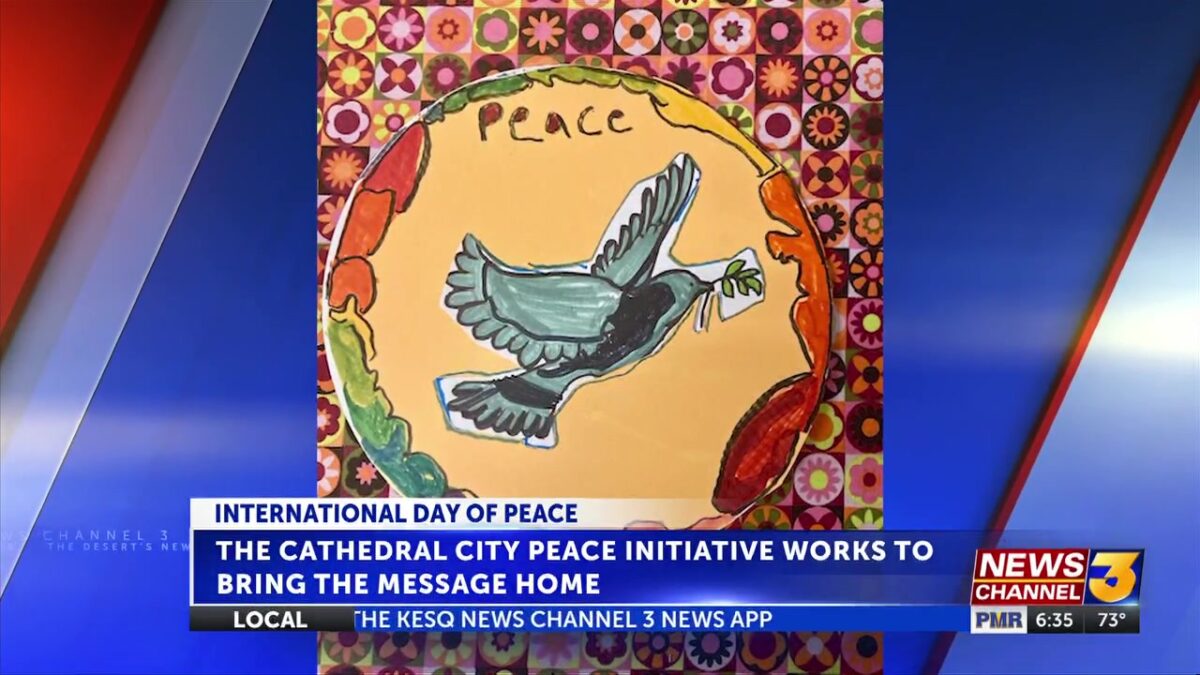
Gene Autry back open at the Whitewater Wash following sand removal, maintenance

Isaiah Mora

PALM SPRINGS, Calif. (KESQ) – N Gene Autry Trail was reopened Tuesday afternoon at the Whitewater Trail in Palm Springs.

Gene Autry was originally closed between E Via Escuela and Salvia at 5:30 a.m. on Tuesday for sand removal and maintenance. The roadway was opened just after 5:00 p.m.

Palm Springs police initially issued an alert Monday morning that Gene Autry was closed, however, the road was opened for the day just after 3 p.m.

Make sure to stick with News Channel 3 to learn when the roadway reopens.

Click here to follow the original article.
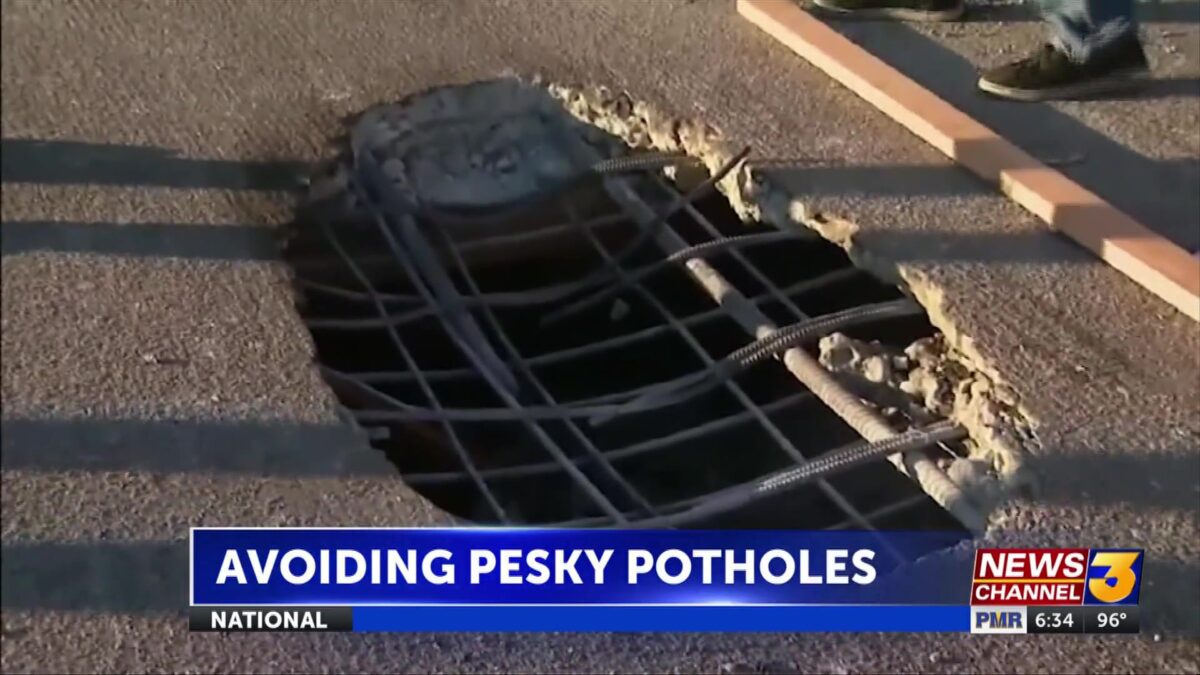
Cathedral City Peace Initiative marks International Day of Peace

Dakota Makinen

COACHELLA VALLEY, Calif. (KESQ) – Today is the International Day of Peace, and the Cathedral City Peace Initiative is bringing the message of peace to the local community.

The initiative is holding an International Day of Peace observance this afternoon from 4 to 6 p.m. at the Cathedral City Library.

The event will include a global art exhibition featuring children’s artwork from the United Nations Mine Action Service.

Organizers Bob McKechnie and Karen Riley say peace can start at the local level through everyday actions that bring people together and encourage understanding.

Click here to follow the original article.
What drivers should know about pothole damage and safety

Matthew Pearce

THOUSAND PALMS, Calif. (KESQ) — Potholes on roadways create immediate safety concerns for drivers and can cause severe damage to vehicles.

Potholes form when water seeps through cracks in the road and erodes the underlying soil beneath the asphalt. Over time, heavy vehicles passing over the compromised asphalt cause the road surface to give out and collapse.

Beyond standard tire damage, hitting a pothole can cause misaligned wheels and dented rims. Drivers who hit a pothole while traveling at high speeds are advised by experts to pull over and inspect their vehicle to confirm it is still safe to drive.

For more information, stay with News Channel 3 live tonight.

Click here to follow the original article.

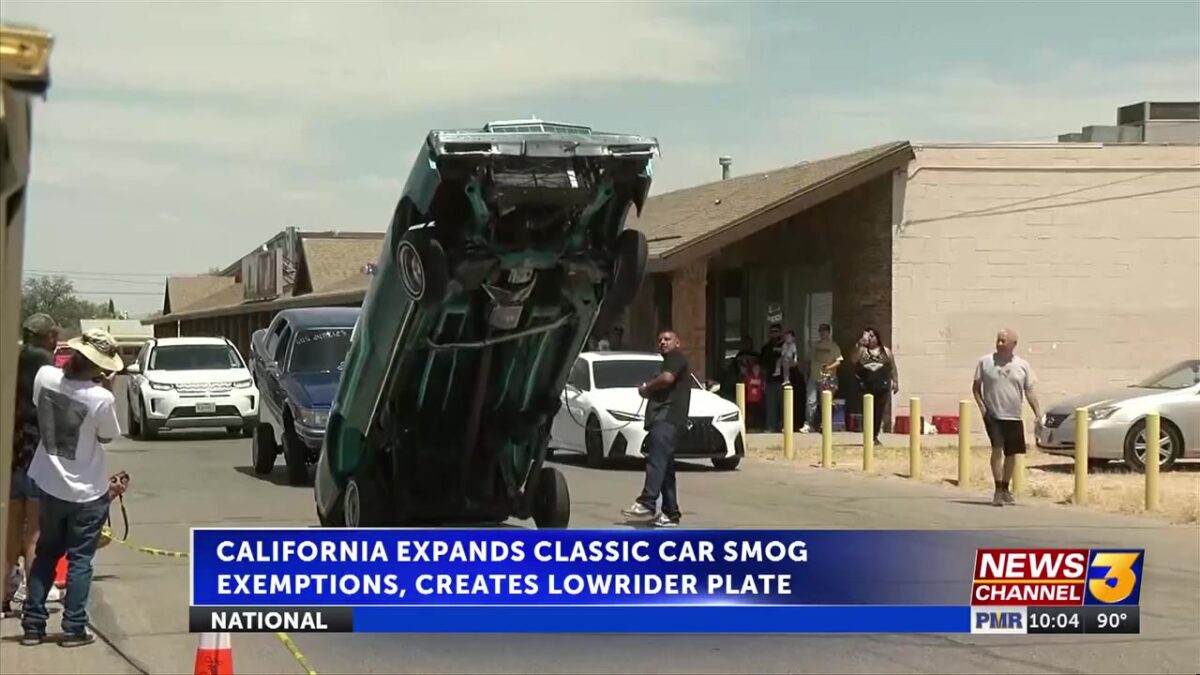
California expands classic car smog exemptions, creates lowrider plate

Kiera McKinney

THOUSAND PALMS, Calif. (KESQ)— California is making changes aimed at classic car owners and the state’s lowrider community, with two new laws signed by Governor Gavin Newsom.

Newsom signed Senate Bill 1392, known as Jay Leno’s Law, and Assembly Bill 2541 on September 16. One changes smog-check requirements for certain collector cars, while the other establishes a specialty license plate honoring California’s lowrider heritage.

Jay Leno’s Law

Jay Leno’s Law creates a phased-in smog-check exemption for qualifying collector vehicles from the 1976 through 1985 model years.

The changes will not happen all at once. The first phase begins January 1, 2028, with additional model years becoming eligible over the following years.

The exemption is limited to qualifying collector vehicles. According to the state, eligible cars must be insured as collector vehicles or driven fewer than 1,000 miles per year. The law is aimed at vehicles preserved for limited use rather than everyday transportation.

Local master auto technician Kyle Lafond said the change could have an impact on classic car owners in the Coachella Valley.

Lafond said some owners may be more willing to repair older vehicles that have been sitting in garages if they are able to qualify for the exemption and get those cars back on the road.

He also said that could mean additional work for local mechanics and auto shops that service older vehicles.

California creates lowrider specialty plate

A second new law, Assembly Bill 2541, establishes a specialized California license plate honoring lowrider culture.

State officials describe lowriding as a tradition with deep roots in Latino and Chicano art, identity and community across California. Money generated through the program will help support youth engagement along with lowrider-related arts and cultural programs.

The new law follows legislation signed in 2023 that removed state restrictions allowing local governments to ban lowrider cruising.

Lafond said lowriders have long been part of car culture in the Coachella Valley and said he already knows local car enthusiasts interested in getting the specialty plate once it becomes available.

Together, the two new laws could bring changes for classic car owners, local auto shops and lowrider enthusiasts throughout the Coachella Valley.

Stay tuned for the full story tonight at 10 and 11 on News Channel 3.

Click here to follow the original article.