2026 Salton Sea Summit: Discussing ways to improve impacts of the Salton Sea

Angela Chen

PALM DESERT, Calif. (KESQ) – For those who have written off the Salton Sea as an environmental ticking time bomb — or stink bomb — as it may be — the tide may now be turning.

Millions of dollars poured into restoration projects around the Salton Sea are bringing life back.

“This moment is different. It’s backed by real dollars, three-quarters of a billion dollars. It’s backed by projects that are basically a year old, where we’re already seeing so many birds come out that you can’t even see the ground,” said Joe Shea of the California Natural Resources Agency.

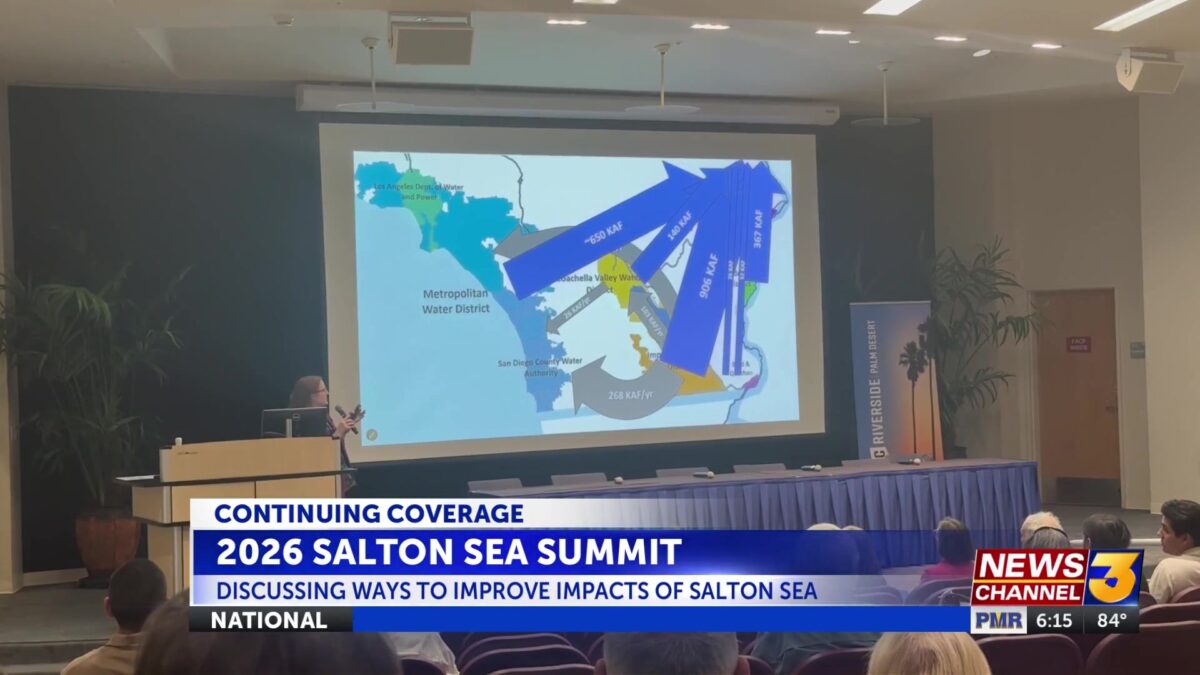
At the 2026 Salton Sea Summit — government leaders, think tanks, researchers, and more gathered at UCR Palm Desert to hear about the latest efforts to tackle the toxicity of the sea.

The theme this year, “Spotlight on Solutions.”

“The Salton Sea is not this intractable, insolvable problem. There’s absolutely work that we can do, and we have to reject the idea that it’s just something that’s going to happen to us. We’ve shown just in the last couple of years that if you put real dollars in, you can get real projects out that are on the ground making a difference,” Shea said.

Check Out: Angela Chen’s Multi-Part Series on the Salton Sea

Hundreds of people came to hear about the latest mitigation projects as well as the impact of the Colorado River drought. But how is a river that never touches the Salton Sea connected to it?

“Some of that water goes to the Salton Sea. The irrigation runoff from farming in Imperial Valley goes to the Salton Sea, and so everything’s connected. That’s to say, everything is connected in this Colorado River system,” Sarah Porter, director of the Kyl Center for Water Policy.

The Colorado River is the main source of water for all of the farms in the East Valley and beyond.

And the Salton Sea is almost entirely replenished by farm water runoff.

Part of the summit — focused on the current fight and standoff between states, including California, Arizona, and Colorado — over their share of water from the river.

“We don’t have an agreement among the seven states that share Colorado River water right at this point to figure out how to share the shortage into the future to get us out of crisis. So we’re in a really bad way on the river,” Porter said.

Check Out: Angela Chen’s Multi-Part Series on the Colorado River

“The scale of this problem is so big that it’s going to require all hands on deck, and that means that California is going to have to participate. But just making sure that we’re doing it on our terms and in a way that your average citizen, your average farmer or resident can live with,” said Jessica Neuwerth of the Colorado River Board of California.

The deadline ticks ever closer — because past 2028 — there is currently no agreement in place between the states.

The push is always to reduce water use from the Colorado River — all while trying to save the Salton Sea.

Officials say the projects — like putting in native plants and wetland restoration — have helped tamp down the windblown dust stirring up the exposed playa — which is responsible for nearby residents’ respiratory problems.

“What we’ve seen from our air quality monitoring in the project areas that we have is that we’re actually suppressing dust at 75 to 90 percent in our project areas,” Shea said.

The takeaway from the summit? Bringing more life — both wild and human — back to the Salton Sea is possible — if people keep the pressure.

“This community is worth it. They’ve waited long and had some really tough decades of just inaction, but we’re showing that action is possible,” Shea said.

Click here to follow the original article.
Cathedral City High students put emergency training to the test during ‘Great ShakeOut’

Karen Devine

CATHEDRAL CITY, Calif. (KESQ) — Cathedral City High students put rescue skills to work during The Great California ShakeOut.

An injured student on the stairs. Another appearing bloodied. Teams searching buildings and helping people who could not walk.

The injuries were simulated, but the hands-on training at Cathedral City High School had a serious purpose: preparing students to respond when a real earthquake strikes.

Students participated by taking cover under classroom desks before moving into a larger emergency response exercise.

For students in the school’s HEAL Academy, the drill went well beyond practicing “Drop, Cover, and Hold On.” They searched for simulated victims, coordinated transportation and helped get injured people to a triage area, where their injuries could be assessed.

“It shows us what to do and not to be scared when something big happens like this,” said Julian, a senior who participated in search and rescue.

The HEAL Academy prepares students interested in healthcare careers through instruction that includes emergency medicine, public health and disaster response. Lead teacher Kyle Bashore said students train over several weeks and earn certification through the fire department.

Thursday’s exercise gave them an opportunity to put those lessons into practice alongside firefighters and students from College of the Desert.

Bashore said that preparation matters because a major disaster could damage infrastructure and stretch emergency services.

With limited personnel available to respond, students who understand how to help—and how to request help—could make a difference on campus and in their neighborhoods.

Click here to follow the original article.
DOJ sues California over alleged 20,000 suspected noncitizen voter registrations

Tommy Gallegos

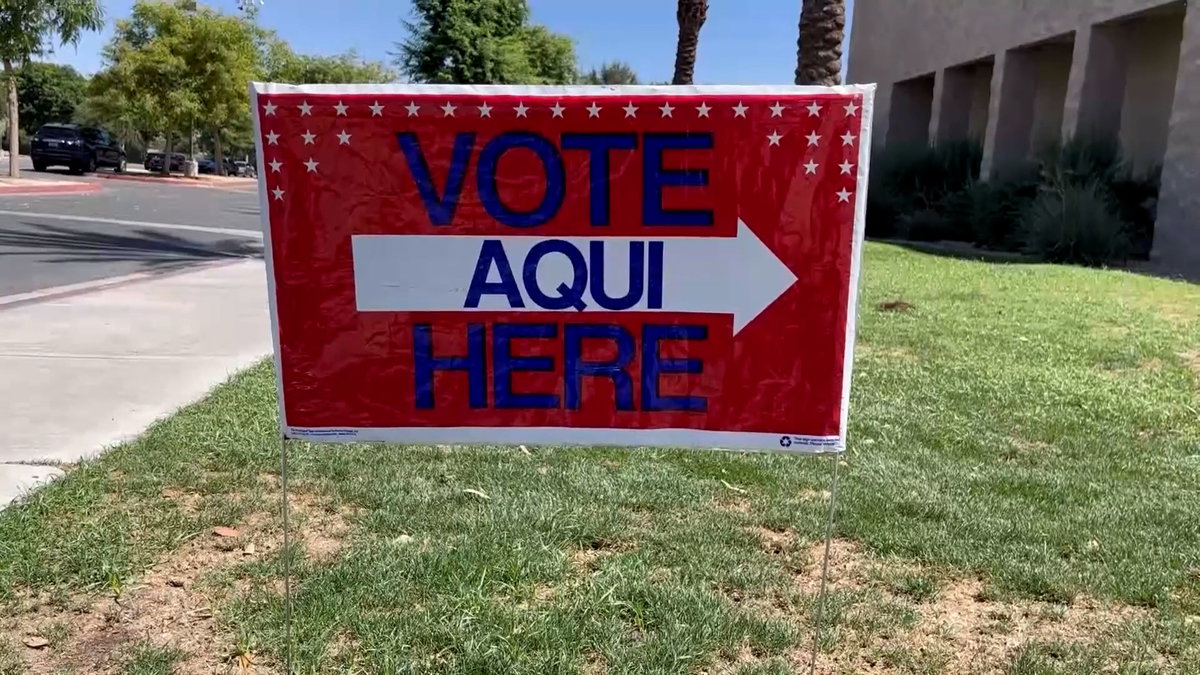
CALIFORNIA (KESQ) – The U.S. Department of Justice has sued California, alleging that more than 20,000 individuals believed to be noncitizens are registered to vote and may have received mail-in ballots for the November 3, 2026, federal election.

Federal officials say they identified the individuals by analyzing voter registration records and comparing them with federal immigration data. The Justice Department asked California election officials to verify the individuals’ citizenship status and set aside ballots from those whose eligibility could not be confirmed.

California officials have also disputed broader federal claims about noncitizen registrations, saying previous allegations were not supported by sufficient evidence.

The lawsuit seeks a court order requiring California to verify citizenship before counting the flagged ballots. Federal officials argue the action is necessary to protect election integrity, noting that noncitizens are prohibited from voting in federal elections.

California officials have pushed back against the federal demands. Governor Gavin Newsom’s press office called the administration’s request inappropriate, while Secretary of State Shirley Weber said California has established procedures to ensure only eligible citizens register to vote.

Los Angeles County Registrar-Recorder, County Clerk Dean Logan also raised concerns about data security, saying his office had not accessed a password-protected thumb drive containing the federal government’s list because it did not meet established security protocols. He emphasized that voter eligibility decisions must rely on verifiable information rather than unconfirmed data matches.

The dispute now places election integrity, voter privacy and federal oversight of state-run elections at the center of a legal battle ahead of the November election. The allegations remain subject to judicial review, and the number of individuals ultimately confirmed to be ineligible to vote has not been established.

Click here to follow the original article.
Millions take part in ‘Great California ShakeOut’ as officials urge earthquake preparedness

Peter Daut

PALM DESERT, CALIF. (KESQ) – Millions of people across California participated in this year’s Great California ShakeOut on Thursday, practicing earthquake safety as officials remind residents of the importance of being prepared for a major quake.

With the Coachella Valley’s proximity to the San Andreas Fault, emergency management officials say residents should take steps now to protect themselves, their families and their homes.

At 10:15 a.m., earthquake drills were held across the state at schools, businesses and homes, giving participants an opportunity to practice what to do when the ground begins to shake.

Riverside County emergency management officials say the annual drill is also a reminder to review emergency plans, update disaster supplies and secure items inside homes and workplaces that could fall or cause injuries during an earthquake.

Shane Reichardt, senior public information specialist with the Riverside County Emergency Management Department, says residents should not wait for the annual drill to take preparedness seriously.

“I understand that not everyone observes it on the day that is the Great ShakeOut, but the message should be the same, and really we don’t want people to wait until it’s too late,” Reichardt said.

Reichardt says that while many people understand the possibility of a major earthquake, not everyone takes the necessary steps to prepare.

“Earthquake preparedness is something that we talk about. It’s unfortunate that a lot of people know that it’s possible, but just don’t take those steps to be prepared,” he said.

Officials recommend that every household have an emergency kit with at least three days’ worth of essential supplies, including food, water, medications and other necessities.

Residents are also encouraged to identify safe places in their homes, practice earthquake response procedures and make sure family members know how to communicate and reunite after an emergency.

While the Great California ShakeOut provides an annual opportunity to practice, officials emphasize that earthquake preparedness should be an ongoing effort.

Click here to follow the original article.
One person dead after vehicle strikes pedestrian in Cathedral City

Tommy Gallegos

CATHEDRAL CITY, Calif. — A pedestrian was killed Wednesday night after being struck by a vehicle on East Palm Canyon Drive in Cathedral City, according to the Cathedral City Police Department.

Police said officers and Cathedral City Fire Department personnel responded to the 67700 block of East Palm Canyon Drive at approximately 9:42 p.m. on Oct. 14, 2026, after receiving multiple 911 calls reporting a traffic collision.

Upon arrival, emergency personnel found that a vehicle had struck a pedestrian in the roadway. Firefighters attempted life-saving measures, but the pedestrian was pronounced dead at the scene.

The victim’s identity has not been released pending notification of next of kin by the Riverside County Coroner’s Office.

According to preliminary findings from Cathedral City Traffic Bureau investigators, the pedestrian was crossing northbound across East Palm Canyon Drive outside of a crosswalk when they were struck by a vehicle traveling westbound.

Police said the driver remained at the scene and cooperated with investigators.

Whether impairment played a role in the collision remains undetermined and is pending toxicology results, according to police.

Those wishing to remain anonymous may contact Coachella Valley Crime Stoppers at (760) 341-STOP or WeTip at 1-800-78-CRIME or wetip.com.

Click here to follow the original article.
Coachella breaks ground on $50 million Avenue 50 bridge project aimed at improving safety, boosting economic growth

Raymond Kalra

COACHELLA, Calif. (KESQ) – A decades-long flooding concern in Coachella could soon become a thing of the past as city leaders officially broke ground Thursday on a roughly $50 million bridge project along Avenue 50.

The project will replace an existing low-water crossing over the Coachella Valley Stormwater Channel, which has been prone to flooding and road closures during major storms.

But city officials say the investment is about more than improving public safety. They believe it could help reshape Coachella’s future by improving transportation connections, attracting new businesses, creating opportunities for economic development, and supporting the city’s continued growth.

The groundbreaking ceremony took place Thursday morning at Sierra Vista Park, with Mayor Frank Figueroa, city councilmembers, regional transportation representatives, and community leaders in attendance.

Addressing decades of flooding concerns

For years, flooding along Avenue 50 has forced the city to close the roadway during significant storms, creating challenges for residents, commuters, and emergency vehicles.

City Councilmember Denise said the flooding has been a longstanding concern for the community.

“For many, many years, for decades, this area here floods and floods enormously, to the point that we have to shut down the street,” she explained.

The new bridge will allow drivers to cross above the stormwater channel instead of traveling through the existing low-water crossing.

The project also includes widening and realigning Avenue 50, along with improvements to Tyler Street.

Mayor Frank Figueroa said the project will provide a safer, more reliable connection for residents, agricultural workers, and visitors traveling through the eastern Coachella Valley.

Figueroa, who regularly uses Avenue 50 to commute to work, said the existing roadway can create challenges for drivers trying to access Expressway 86.

He believes the new bridge will help eliminate a major obstacle for those traveling through the area during storms.

A major investment in Coachella’s economic future

Beyond flood protection, city officials see the bridge as a critical investment in Coachella’s economic development.

The improvements are expected to provide better connections between Expressway 86, nearby industrial areas, and downtown Coachella.

“This is going to be an economic driver for our city, because this is going to signal to people, this is where Coachella is open for business,” Figueroa said.

City Engineer and Public Works Director Andrew Simmons explained that limited transportation infrastructure has historically presented challenges for certain types of development.

According to Simmons, industrial areas near Avenue 52 have significant potential for growth, but access to major transportation routes remains an important consideration for developers.

He believes the Avenue 50 improvements could help attract new investment while supporting housing, industrial development, tourism, and job opportunities.

“So a project like this is really going to help with jobs, with industrial growth, with housing growth, and with the whole tourism aspect of being able to come in and access our downtown area,” Simmons said.

Simmons also pointed to the proposed passenger rail connection between Los Angeles and Coachella as another reason transportation infrastructure will be increasingly important.

The planned rail service would connect the eastern Coachella Valley to Southern California’s broader passenger transportation network, with Coachella envisioned as a future station location.

City officials believe improving access to downtown and surrounding areas now could help position Coachella for additional economic opportunities in the years ahead.

More than a decade in the making

Although Thursday marked the official groundbreaking, work to bring the bridge project to life began more than a decade ago.

Simmons said the project dates back to 2014, when the city began the environmental review process.

He joined the project in 2019, following approximately five years of environmental work.

Since then, the city has worked through property acquisitions, design requirements, and coordination with multiple agencies.

Simmons explained that the project required cooperation among the City of Coachella, the Cabazon Band of Indians, the Coachella Valley Water District, and Caltrans because of their respective interests and jurisdictions in the surrounding area.

The process also included eminent domain proceedings as the city worked to secure property needed for construction.

City Councilmember Juan Martinez said Thursday’s ceremony represented years of work by city leaders, regional partners, and those who originally envisioned the project.

Martinez emphasized that the bridge will improve connections for residents while also providing better access for emergency vehicles responding to calls.

What drivers can expect during construction

While construction is expected to take approximately two years, city officials say drivers will still be able to use the existing Avenue 50 crossing while work is underway.

According to Simmons, the new bridge will be constructed approximately 600 feet south of the current low-water crossing.

That design will allow crews to build the new roadway without requiring a complete closure of the existing crossing throughout construction.

“The main thing just for the community to remember is that Avenue 50 low-water crossing will remain open during the construction,” Simmons said.

The city also plans to repave the existing crossing to help minimize traffic impacts during the construction period.

Officials are still encouraging drivers to remain alert around construction zones, follow posted traffic signs, and watch for crews working near the roadway.

Although the existing crossing is expected to remain available during construction, it may still be subject to weather-related restrictions when flooding occurs.

Part of a larger infrastructure investment

The Avenue 50 bridge is one component of a broader infrastructure effort across Coachella.

Figueroa said the city is pursuing roughly $200 million in infrastructure investments involving roads, water and sewer systems, transportation connections, and other improvements.

He described the projects as part of a phased effort to connect different areas of the city and prepare for future growth.

Other improvements discussed by city leaders include additional roadway work, future bridge planning, and upgrades to nearby community facilities.

The mayor also emphasized that the bridge project is being funded through grants and other funding sources rather than the city’s general fund.

He credited partnerships with regional, state, and federal transportation agencies for helping make the project possible.

For city leaders, Thursday’s groundbreaking represents more than the beginning of construction.

It marks the start of a long-awaited effort to improve public safety, strengthen transportation connections, and create new opportunities for one of the Coachella Valley’s growing communities.

Construction is expected to continue over the next two years.

Stay with News Channel 3 for continuing coverage of the Avenue 50 bridge project and other major developments across the Coachella Valley

Click here to follow the original article.
Agua Caliente opens new gas station in Cathedral City

Dakota Makinen

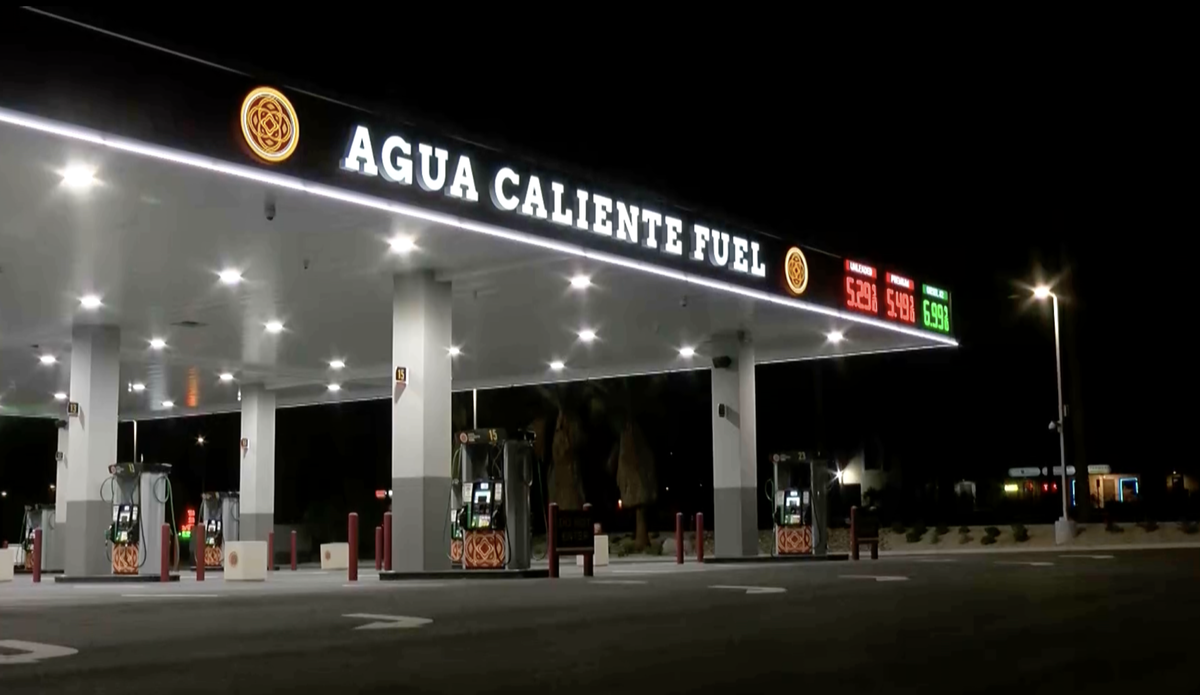
CATHEDRAL CITY, Calif. (KESQ)- A new Agua Caliente fuel station opened this morning in Cathedral City, adding another gas station option for Coachella Valley drivers as high fuel costs continue to strain household budgets.

The station is Agua Caliente’s third fuel location in the valley. Company officials say it is designed to help drivers fuel up quickly, with lights indicating which pumps are available.

For opening day, Agua Caliente also provided gas gift cards after News Channel 3 asked the company to help give drivers some relief at the pump. Drivers were randomly selected to receive the cards.

Anette Flores, a Cathedral City resident, said the gift card would help with the cost of gas.

“It is so helpful, especially now,” Flores said.

Jenny, who drove to the station from Yucaipa, called the gift card “a godsend,” saying gas prices can affect whether she and her family feel able to go places.

“It’s a big relief because it’s like we’re not going anywhere. We’re stuck, you know? … It helps us get out,” she said.

Agua Caliente officials say they monitor fuel prices in the area and aim to remain competitive.

Drivers can compare prices at the new Cathedral City station with other gas stations nearby.

More information on the lowest gas prices in the valley can be found on our Gas Gauge page on our website.

Click here to follow the original article.
Former Palm Springs CEO William Rodriguez back in court as defense moves to toss refiled murder charge

Garrett Hottle

INDIO, Calif. (KESQ) William “Billy” Rodriguez was back in court Thursday morning, where his attorney is asking a judge to throw out the murder charge prosecutors refiled against him last month.

The hearing was pushed to Monday at 8:30 a.m. after the Riverside County District Attorney’s Office asked for more time. Defense attorney Molly Tucker objected to the delay in a written filing.

Rodriguez, the former CEO of Silvercrest Advertising, is accused of hitting 60-year-old Christina Barrington from behind as she rode her scooter on East Palm Canyon Drive in Cathedral City in October 2024 and driving off. She died the next day. He has pleaded not guilty.

Judge John Ryan dismissed the murder count in August at the end of the preliminary hearing, ruling there wasn’t enough evidence to for Rodriguez to stand trial for second degree murder.

He ordered Rodriguez to stand trial on felony hit-and-run causing death and driving on a suspended license. Prosecutors refiled the murder charge two weeks later, saying they still believe the evidence supports it.

Tucker’s motion asks the court to review the preliminary hearing testimony and dismiss the charge again. If a judge agrees, state law would make it very difficult for prosecutors to bring it a third time.

There was also a brief discussion in court Thursday about whether Ryan, who already ruled on the evidence once, should be the one to decide the motion.

Rodriguez remains free on $2 million bail. He is required to wear a GPS monitor and an alcohol-monitoring device and has surrendered his passport.

Click here to follow the original article.
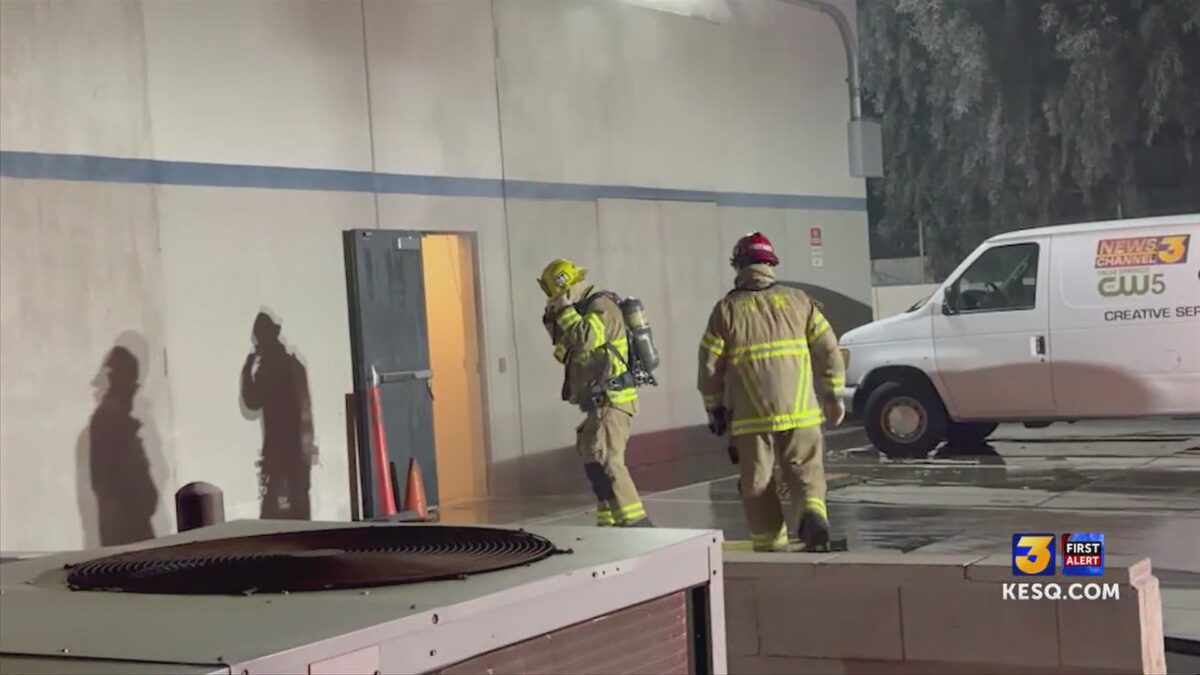
Fire breaks out at News Channel 3 station early Thursday morning

Jeff Stahl

THOUSAND PALMS, Calif. — A fire broke out at the News Channel 3 television station just after 5 a.m. Thursday.

Everyone at the station is safe, and no injuries have been reported.

The cause of the fire remains unknown.

News Channel 3 has returned to regularly planned newscasts and are pleased that the flames were controlled quickly, with minimal damage outside of our news studios.

View this post on Instagram

A post shared by KESQ News Channel 3 (@kesq_news_channel_3)

View this post on Instagram

A post shared by Angela Chen (@angelachenonair)

Click here to follow the original article.

Avian Influenza identified as primary underlying cause of Big Bear bald eagle Jackie’s decline

Jesus Reyes

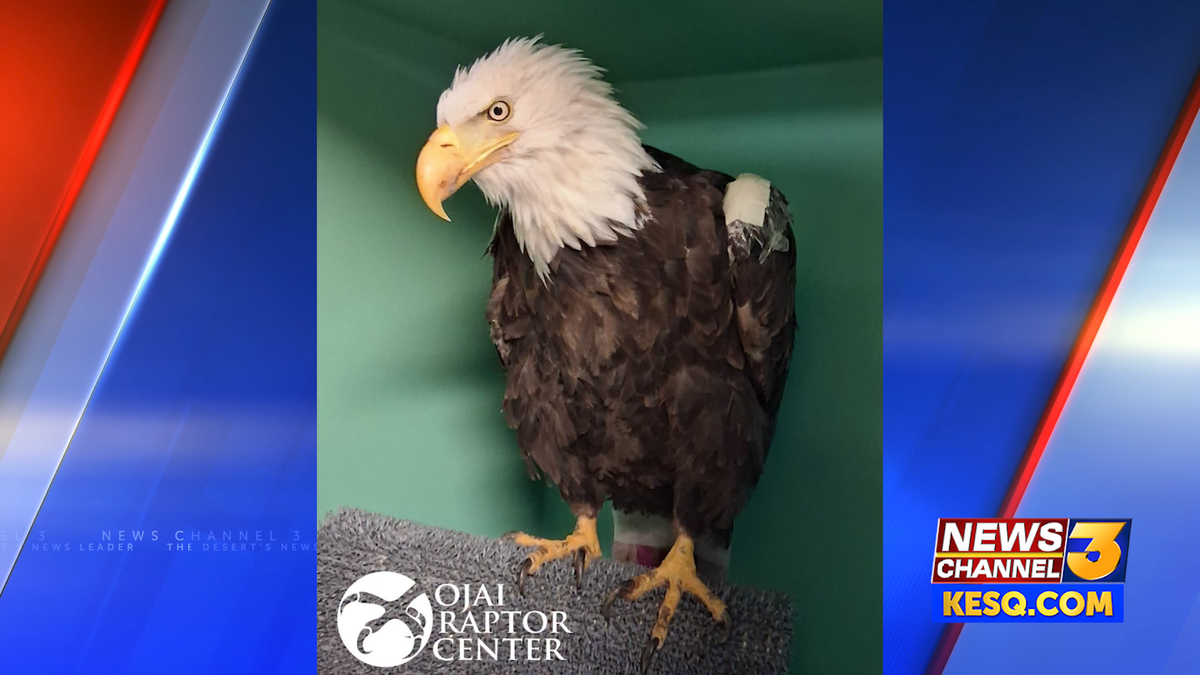
BIG BEAR, Calif. (KESQ) – The final necropsy report on Jackie the Big Bear bald eagle’s death was released on Wednesday, revealing Highly Pathogenic Avian Influenza as the underlying primary cause of her decline.

“The necropsy, performed by veterinary pathologists at the San Diego Zoo Wildlife Alliance, along with extensive additional laboratory and toxicology testing, provided new information about the complex medical condition that led to Jackie’s decline and death,” reads a news release by the California Department of Fish and Wildlife (CDFW).

Jackie died on August 10 after more than three weeks of intensive medical care at the Ojai Raptor Center.

Officials said the “necropsy revealed a complex and unusual disease process involving severe, chronic inflammation and ulceration of the stomach, persistent internal bleeding, anemia and secondary bacterial sepsis.”

Further diagnostic testing confirmed Highly Pathogenic Avian Influenza (HPAI) within the affected tissues.

HPAI is an infectious disease that primarily affects birds and has been circulating in wild bird populations throughout the United States, the CDFW reports. Waterfowl and shorebirds are natural hosts of avian influenza viruses, while eagles and other raptors may be exposed through contact with infected birds or by consuming infected prey.

Officials identified HPAI as an underlying cause of Jackie’s severe stomach ulceration. Multiple complications developed over time and ultimately contributed to her decline and death.

“Jackie’s necropsy confirmed Highly Pathogenic Avian Influenza (HPAI) as the primary underlying cause of her decline,” said Steve Kubiski, Director of Disease Investigations, San Diego Zoo Wildlife Alliance. “In an uncommon presentation of the virus, the infection caused a severe ulcer in her stomach that led to persistent internal bleeding, anemia, and the development of bacterial sepsis.”

The agency added that Jackie showed signs of chronic disease involving the ventriculus, the muscular portion of a bird’s stomach, commonly called the gizzard. The damaged and ulcerated tissue contributed to ongoing blood loss and her persistent severe anemia.

It also allowed bacteria to enter the body, resulting in a serious secondary bacterial infection.

Severe inflammation and blood clot formation were also found in the heart and several major blood vessels. Follow-up testing showed that HPAI virus genetic material was present in several tissues throughout her body, including the ulcerated tissue in the ventriculus.

Together, the findings showed that Jackie was suffering from multiple severe and interconnected disease processes that had been developing over time and ultimately led to her decline and death.

“The necropsy results have helped connect many of the findings we were seeing throughout the eagle’s hospitalization,” said Chris Eksteen, Executive Director of Ojai Raptor Center. “We are grateful to the many veterinary specialists, laboratories, wildlife agencies and partner organizations who worked alongside our team to understand her illness and provide her with the best possible care. Caring for her was an extraordinary privilege for our entire team.”

Consistent with established procedures intended to prevent the transmission of HPAI to wildlife or humans, Jackie’s remains were cremated by the U.S. Fish and Wildlife Service’s National Eagle Repository.

Click here to follow the original article.