LA judge blocks suspicionless, discriminatory stops by DHS

City News Service

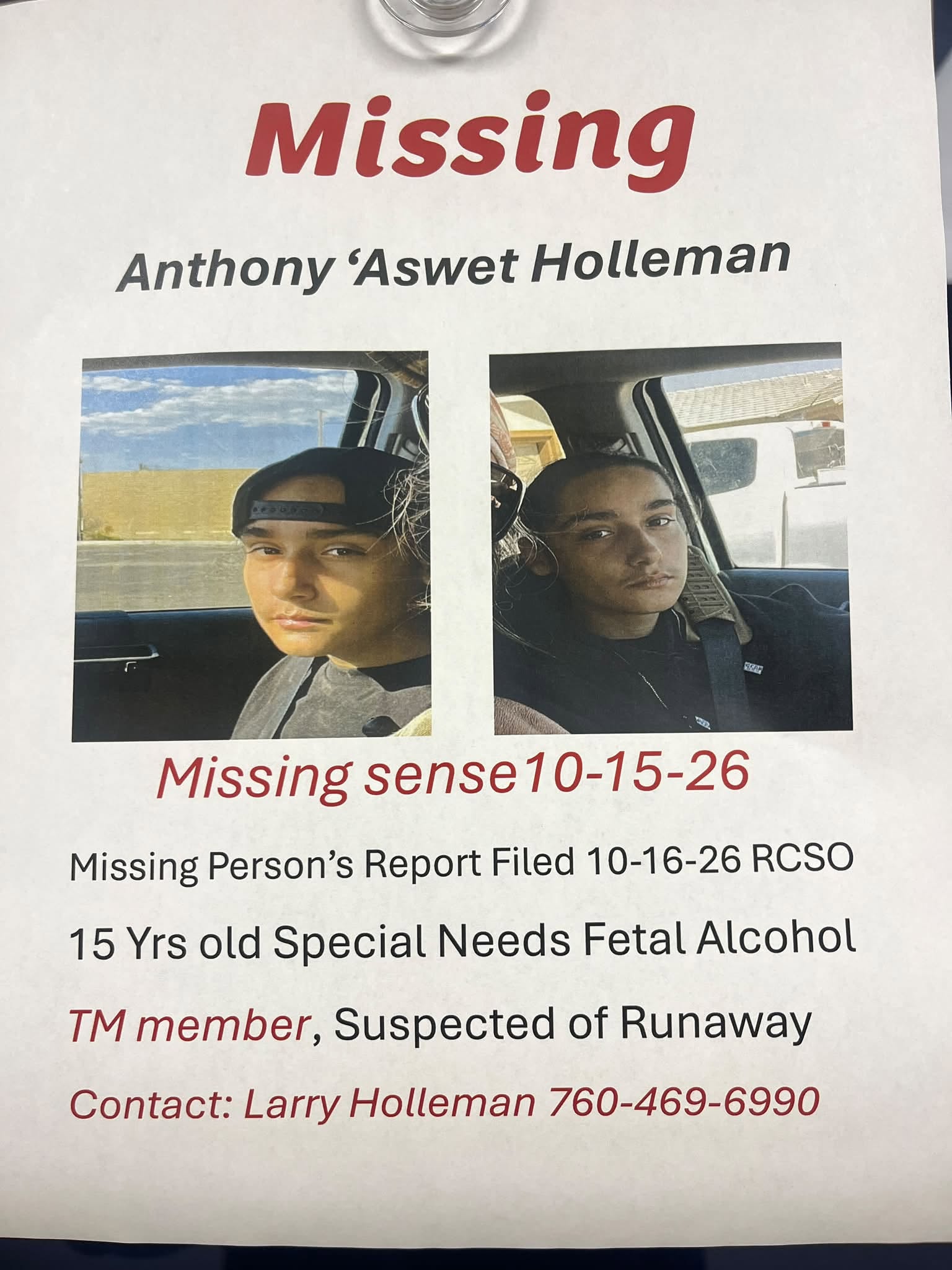
LOS ANGELES (KESQ) – A Los Angeles federal judge granted a preliminary injunction blocking the Trump administration from conducting suspicionless and racially discriminatory immigration stops across Southern California, court papers obtained today show.

U.S. District Judge Maame Frimpong also partly certified a class of individuals who have been affected by the practice.

Following evidence presented in the case, the court order prohibits defendants from enforcing the policy and practice of conducting detention stops in the Central District of California based on racial stereotyping except when such a stop is conducted at a port of entry, checkpoint or other functional equivalent of the border.

The ruling applies to the Central District of California, which includes the seven counties of Los Angeles, Orange, Riverside, San Bernardino, San Luis Obispo, Santa Barbara and Ventura.

The order was issued Friday, but largely sealed from public view until the following week.

The order specifies that in developing reasonable suspicion, “an immigration agent or officer must consider the totality of circumstances and may not rely solely on apparent status as low-income or working-class and Latino, even when an identified target is allegedly low-income or working-class and Latino.”

Evidence showed federal agents were carrying out an ongoing campaign of warrantless and discriminatory immigration enforcement stops in the region since the summer of 2025.

The request for a preliminary injunction stemmed from a case in which residents, Latino workers and immigration advocacy groups sued the U.S. Department of Homeland Security, alleging unconstitutional detention practices.

According to the ACLU of Southern California, which is representing plaintiffs in the case, the Trump administration is targeting “people who appear Latino and low-income or working-class.”

In a video discussed in the plaintiffs’ motion for a block on the alleged stops, a DHS agent is captured saying to another: “Yeah, just plug us in wherever you see some tonks,” while other agents guessed whether people were “wet” simply based on appearance.

The complaint says “tonks” is a derogatory and violent term understood to refer to the sound of a flashlight striking a migrant’s head. “Wet” is short for “wetback” and is a racist slur historically directed at Mexican and other Latino immigrants crossing the Rio Grande.

In response to the suit, the DHS has frequently insisted federal agents in the field are operating within the law to protect American citizens.

“Our agents are focused on protecting the American people — not entertaining performative outrage,” according to a statement from DHS. “Where is the media’s outrage for Angel families who lost a loved one to illegal alien crime?”

“Angel families” refers to the relatives of those killed by undocumented individuals present in the United States.

Frimpong heard arguments in September in Los Angeles federal court.

“This order recognizes that the armed goons who targeted and abducted Latino community members in Southern California were in fact simply racially profiling as many people as they could get handcuffs on, a practice that violates multiple provisions of the U.S. Constitution,” Mohammad Tajsar, director of immigrants’ rights at the ACLU Foundation of Southern California, said in a statement.

“Having spent more than a year amassing reams of evidence of widespread illegal behavior, we will now closely monitor compliance with this court order to make sure we end this project of racist immigration enforcement once and for all.”

The July motion for restrictions on immigration stops includes body camera footage and depositions of federal agents as part of evidence ordered by Frimpong after the U.S. Supreme Court stayed an earlier temporary restraining order last year which allowed the challenged practices to continue unabated.

Plaintiffs argue the Constitution prohibits law enforcement from using race as a substitute for individualized suspicion. The motion alleges the stops violate both the Fourth Amendment and the Fifth Amendment’s guarantee of equal protection.

“For over a year, agents have been showing up at car washes and taking people without a warrant, never asking whether they have a family and a home to return to,” said Flor Melendrez, executive director of CLEAN Carwash Worker Center, a member of the Los Angeles Worker Center Network, a plaintiff in the case.

“The law requires more than a biased guess about someone’s status, and today the court made the government follow it. Our community fought for this protection, and we will hold the government to it on every street and at every car wash.”

County Board of Supervisors Chair Hilda Solis also applauded the ruling.

“Today’s ruling confirms what we have known to be true: The Trump administration’s federal immigration enforcement has violated the law by making racially discriminatory stops in Southern California to unlawfully detain individuals,” Solis said in a statement.

“Over the last year and a half, federal immigration enforcement has terrorized communities, including residents in Los Angeles County, sowing fear and instability in the lives of working people and families,” she said. “The injunction set by the court’s decision recognizes the federal government’s insistence on an unlawful policy and a growing record of an administration that continues to find opportunity to undermine the constitutional rights of the people. While the ruling is being challenged again, Los Angeles County remains firmly committed to standing with Angelenos and their civil liberties.”

County Supervisor Janice Hahn also commended the ruling.

“ICE agents are not targeting violent criminals,” Hahn said in a statement. “They are racially profiling our Latino residents — grabbing people because of how they look, the way they speak or where they work. This is an assault on our entire Latino community and this federal judge cites a ‘mountain of evidence’ proving it.

“I welcome the judge’s order, but we all know that as long as ICE roams our streets, our residents’ rights will continue to be violated.”

Click here to follow the original article.
DOJ attempted to stop more than 1,300 Riverside County ballots from being counted

Jesus Reyes

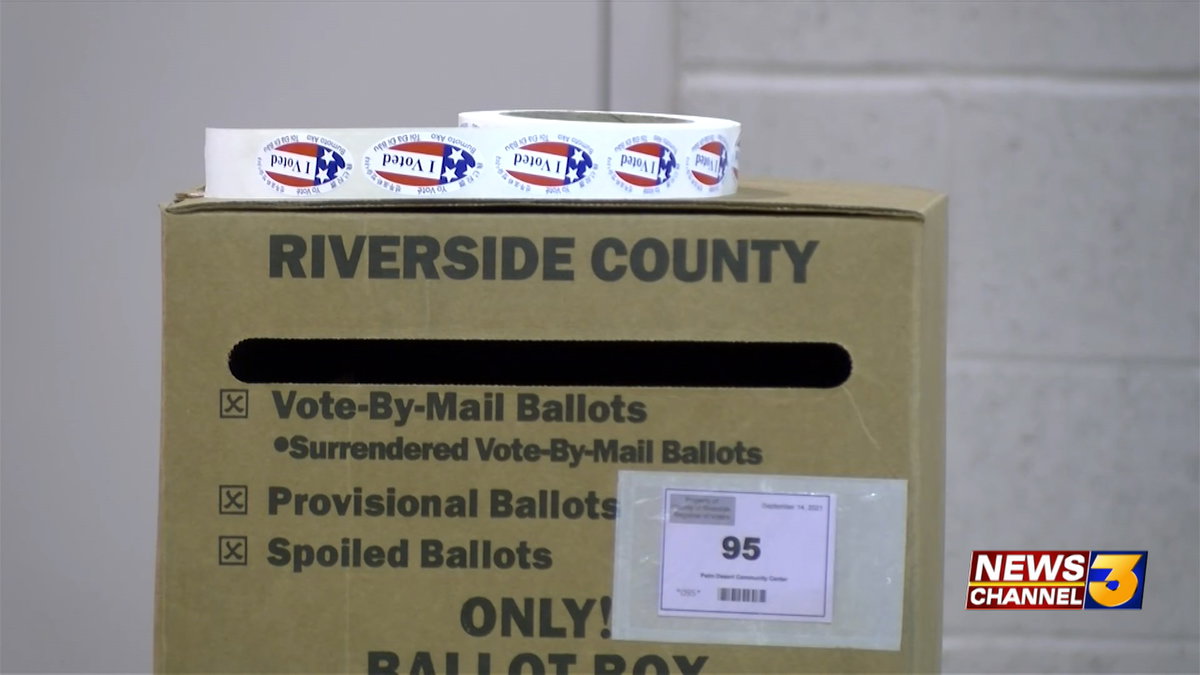
RIVERSIDE, Calif. (KESQ) – The Justice Department’s emergency bid to stop California from processing more than 20,000 ballots from suspected non-citizens included more than 1,300 ballots in Riverside County.

In a letter dated Monday, Oct. 26, Bill Essayli, the top federal prosecutor in the Los Angeles area, gave Riverside County Registrar of Voters Art Tinoco 48 hours to “commit to working with the DOJ and DHS to identify who on the accompanying list is a citizen and who is not.”

“For individuals whom citizenship status cannot be confirmed, we request that you immeditely instruct the appropriate elections official to segregate-not cancel-those individuals’ vote-by-mail ballots until their citizenship can be determined,” Essayli wrote.

Riverside County responded on Thursday through the Office of County Counsel, citing the logistical impossibility and the court rejecting the DOJ’s bid on Wednesday.

“In light of the Court’s order issued on October 28, 2026, and the logistical impossibility, the ROV is unable to segregate the 1,355 ballots of named individuals as requested,” writes a letter to Essayli from County Counsel.

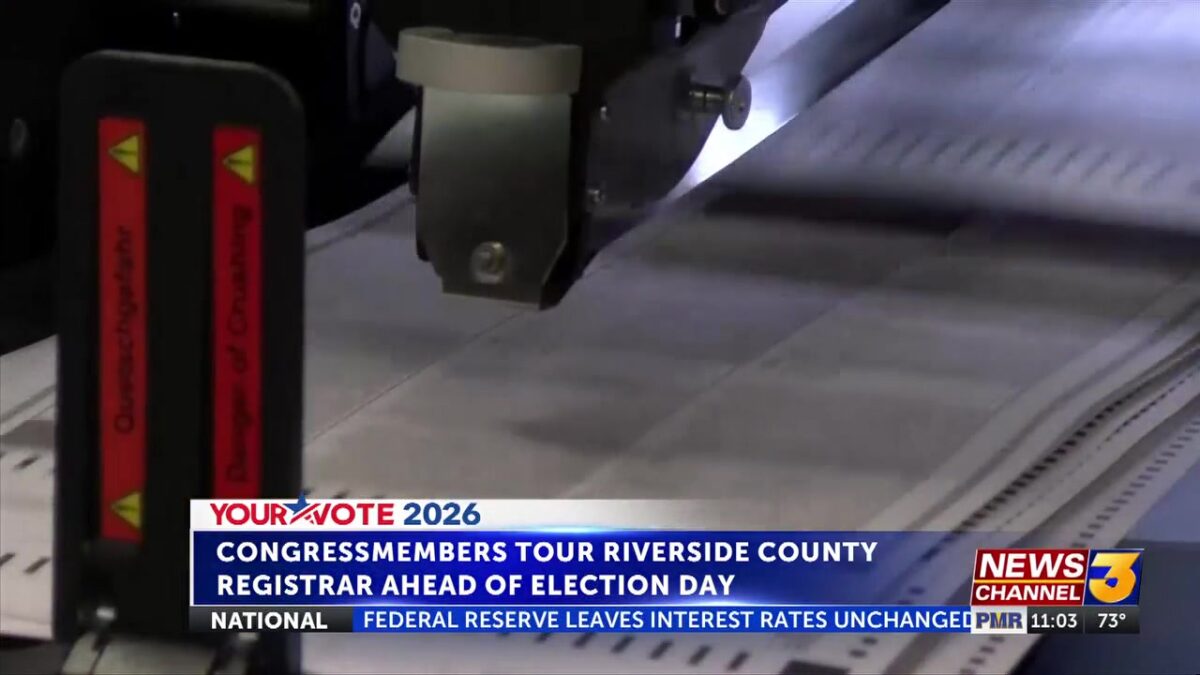
Check Out: Congress members tour Riverside County Registrar ahead of Election Day

The DOJ sued California on Oct. 15, more than a week after mail ballots were sent to all registered voters, demanding it set aside 20,000 ballots from alleged non-citizens after the state refused to voluntarily sequester those votes.

On Wednesday, U.S. District Judge David O. Carter rejected the DOJ’s bid, saying it “would wreak havoc and disrupt the election that is already underway, create a chilling effect on election workers and voters alike, and discount the votes of United States citizens.”

“The Executive Branch cannot replace the remedy Congress carefully enacted with its own unlawful and unconstitutional solution instead. Eroded trust in our democracy is irreparable. Once a vote is segregated, lasting harm has occurred,” Carter wrote in a 26-page order Wednesday.. “If the Executive can discount votes and threaten an ongoing election due to unproven allegations, then our democracy is in danger. This Court declines to be a party to such process.”

The judge said election officials have until Dec. 3 — the date by which election results must be certified — to resolve the issue, suggesting there was no immediate need for a last-minute temporary restraining order.

The DOJ filed renewed its bid with the 9th Circuit Court of Appeals late Wednesday, seeking a ruling by Friday.

In opposition to the administration’s TRO demand, Secretary of State Shirley Weber and Los Angeles County Registrar-Recorder/County Clerk Dean Logan argued they lack the mechanisms and legal authority to freeze mail ballots until voters’ citizenship can be verified.

“Voting is already underway in Los Angeles County,” the motion states. “Ballots have been mailed, returned and processed, and election officials are working toward fixed deadlines for counting and certification. Plaintiff United States of America, through the Department of Justice … now asks this court to interrupt that work and enjoin the withholding of 20,000 registered California voters’ ballots pending investigation based solely on an unreliable voter roll maintenance list.”

Weber’s office said federal officials claimed in July that California had 190,000 non-citizens on its voter rolls. When her office asked for evidence, “They refused and provided California with nothing.”

The Trump administration has long alleged that large numbers of non- citizens were casting ballots in California and elsewhere, but officials have not provided proof or documentation of widespread fraud.

Also on Wednesday, the San Diego County Registrar of Voters refused a request from the DOJ to set aside the ballots of 1,709 San Diego County voters who federal officials allege are non-citizens.

A letter signed last week by San Diego U.S. Attorney Adam Gordon requested the ballots be left uncounted until the voters’ citizenship status could be verified, while hinting at “legal consequences” if votes ended up cast for non-citizens.

The Orange County Registrar of Voters told Essayli in a letter Wednesday that the federal government’s request of a list of 1,754 individuals prosecutors allege are likely non-citizens is “impracticable and potentially disenfranchising” because the election is already underway.

The letter from county counsel Leon Page said that latest demand was “vastly more expansive and burdensome” than last year’s request for confidential voter information, which was rejected by Carter and was being appealed.

Prosecutors demanded that the 1,754 potential votes be put aside and not counted, but the county has received more than 360,000 votes so far.

Page added, “There is currently no streamlined process established for flagging any of the 1,754 individuals that may appear in the (Orange County) voter database and segregating their ballots, and such a process would require substantial time and effort to develop, test and implement.”

Officials estimate it would take “several hundred man hours of effort” to do the work, Page said. And that’s aside from overseeing the election, he said.

Essayli has repeatedly threatened to prosecute election officials if they don’t meet the DOJ’s demands to set aside ballots until citizenship status is confirmed. “Knowingly processing non-citizen ballots is a federal crime … We will hold election officials accountable,” he recently posted on X. “No one is above the law.”

Click here to follow the original article.

Congress members tour Riverside County Registrar ahead of Election Day

Luis Avila

RIVERSIDE, Calif. (KESQ) — Three members of Congress visited the Riverside County Registrar of Voters on Thursday to get a firsthand look at how ballots are processed and protected ahead of the November 3 general election.

Congressman Dr. Raul Ruiz, Congresswoman Norma Torres and Congressman Mark Takano toured the county’s ballot processing center and spoke with local election officials about election security, voter protections and the process of counting ballots.

During the visit, Torres emphasized the importance of seeing election procedures firsthand, especially amid political rhetoric surrounding elections.

“It is one thing to hear political rhetoric and fear mongering surrounding our elections. It’s another thing to come here to see the process firsthand and hear directly from the people doing the job every day and that’s why congressional oversight matters,” Torres said.

Riverside County Supervisor Karen Spiegel said the county has made changes to its election operations based on feedback and past experiences.

“We hear the rhetoric and sometimes it’s out of not knowing and not knowing that we’ve growth, taken the information and utilized that to make ourselves better,” Spiegel said.

Ruiz also criticized claims of widespread voter fraud involving noncitizens, calling them false. He accused President Donald Trump of fueling doubts about elections and said Riverside County Sheriff Chad Bianco was contributing to those concerns.

“We have a president doing everything he can to sow confusion, distract and doubts on our election, and we have a sheriff who is doing everything he can to help him. Trump is spreading the lie of rampant voting fraud by noncitizens voting… that’s a lie,” Ruiz said.

Ruiz also addressed voter intimidation, saying voters who feel threatened should contact their local registrar of voters and the California Secretary of State.

“Intimidation is a tactic to suppress a vote. By law, if a person feels they are being intimidated to vote, they call the registrar’s office and the county needs to respond to that to secure the intimidation and the second thing is to call the Secretary of State,” Ruiz said.

He said public confidence in the election process is essential.

“To defend and protect our democracy, we need to have confidence. We need to trust the process,” Ruiz said.

Riverside County Registrar of Voters Art Tinoco and Assistant Registrar Matthew Ceballos also participated in the visit.

Stay with News Channel 3 for more.

Click here to follow the original article.
What’s in Measure P, the parks tax on most Coachella Valley ballots

Garrett Hottle

LA QUINTA, Calif. (KESQ) Voters across most of the Coachella Valley are deciding whether to give the Desert Recreation District a new property tax: 5 cents per square foot of building, every year, with no end date.

Measure P is on the Nov. 3 ballot for voters in Palm Desert, Rancho Mirage, Indian Wells, La Quinta, Indio and Coachella, and in unincorporated communities from Thousand Palms to the Salton Sea. A 2,000-square-foot home would pay $100 a year. The district estimates the tax would bring in $11.3 million a year. Because it is a special tax, it needs a two-thirds yes vote to pass, according to the resolution and ordinance the district’s board adopted unanimously in July.

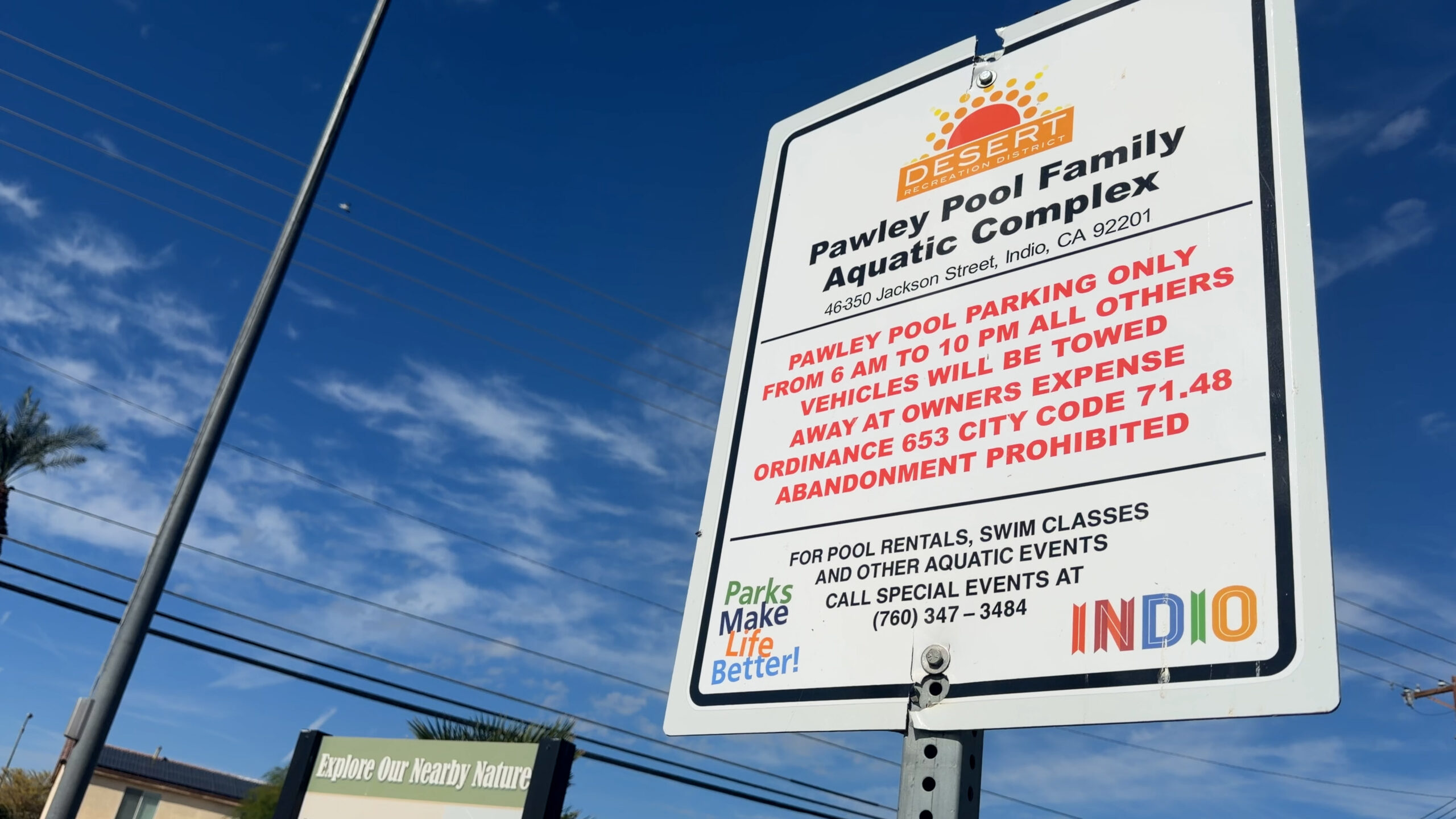
The district says it needs the money. In its own analysis of the measure, it reports spending about $6.2 million a year more than it takes in, and it lists 15 sites it says it would close and 119 jobs it says would be lost if Measure P fails. Pawley Pool in Indio and the Palm Desert Community Center top the list.

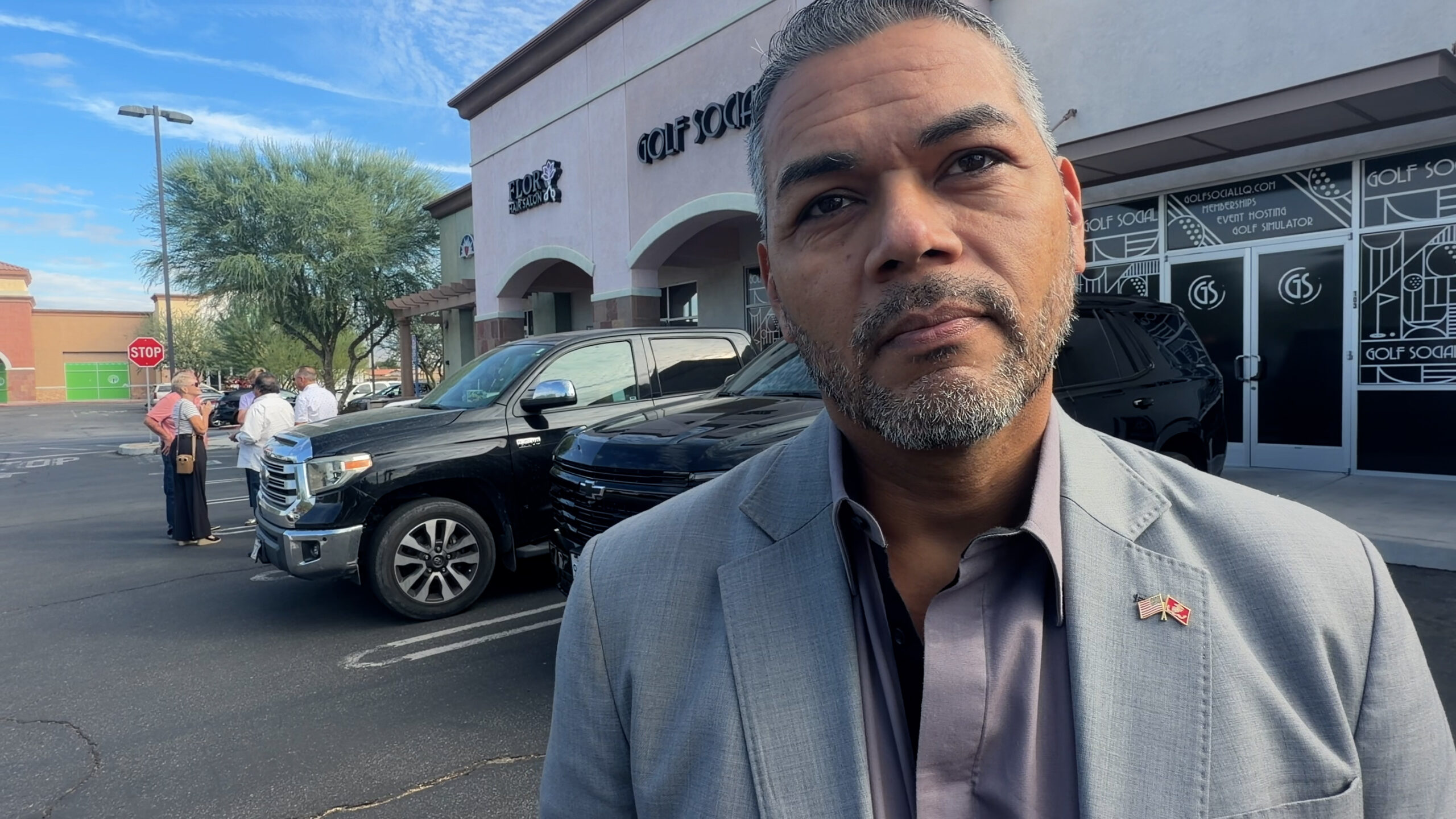
Two valley council members who spoke with News Channel 3 on Thursday said they are voting no.

“There’s no plan for what they’re going to do with the money,” said La Quinta City Councilmember Steve Sanchez, who published an op-ed against the measure in September. “It’s basically saying, hey, give me more money. We’ll take care of things, don’t worry about it. And that’s not a plan. That’s a hope.”

Sanchez, who also sits on the Riverside County Local Agency Formation Commission and lost a bid for county supervisor in June, said the district should fix what he called “bad planning and poor management” before asking for a tax, and that any new tax should come with an end date.

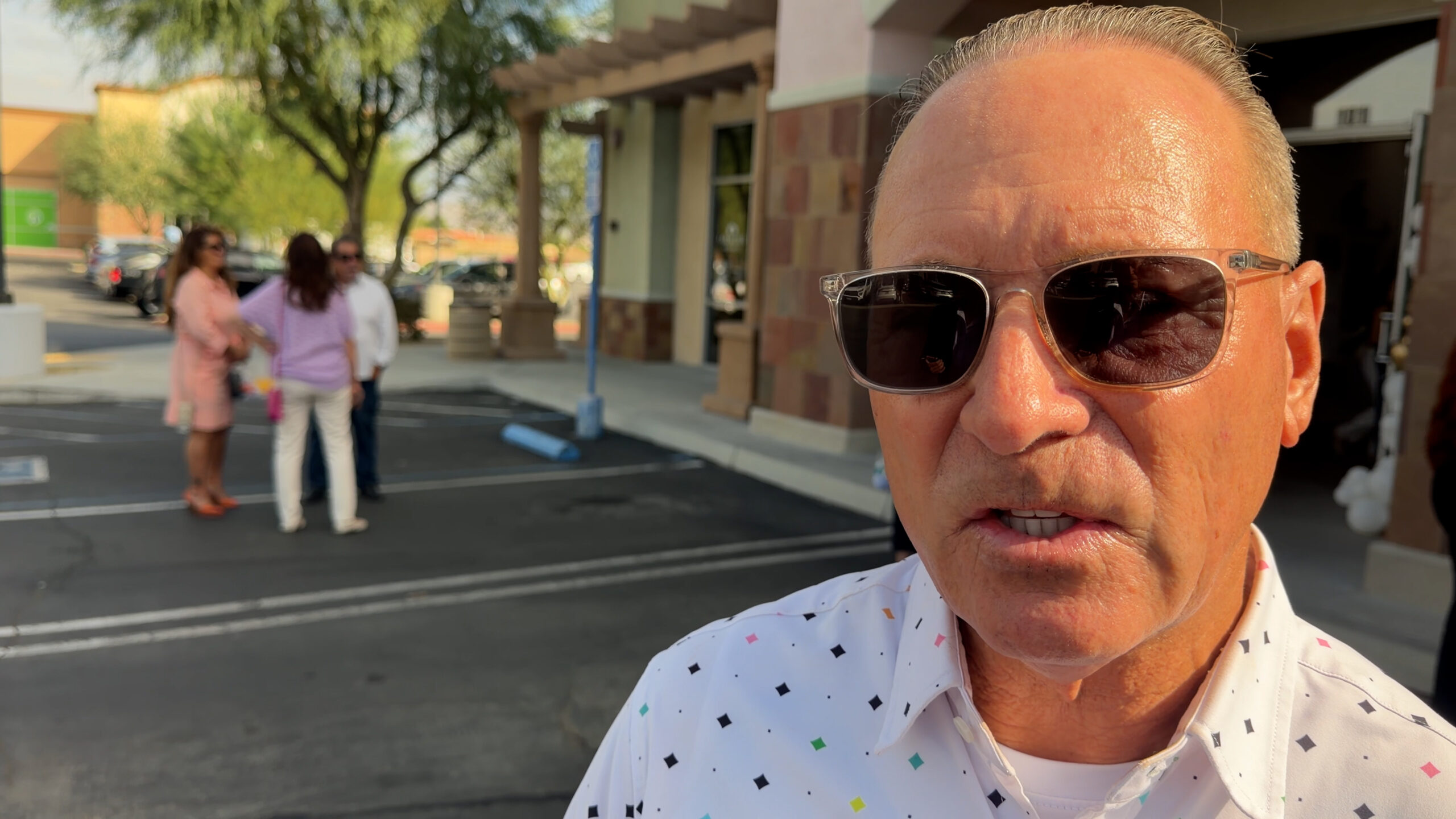
Indio City Councilmember Glenn Miller said the district has not explained how it ended up with a deficit or what it would do with the money once the gap is closed.

“It’s just not a one-time tax. It’s going to be a tax that’s continually going forward,” Miller said. “The Desert Recreation District never came to me, none of their board members, to talk about why it was so important to them.”

Both said their cities run their own parks. Sanchez said the only service La Quinta contracts from the district is lifeguards and pool management at the city-owned Fritz Burns Pool. Miller said Indio funds and runs its own parks department, and that the district’s work matters most in unincorporated areas such as Thermal, Mecca, Oasis and Bermuda Dunes. The district owns Pawley Pool and the Indio Community Center, and its analysis shows Indio property is already covered by a separate district assessment capped at $54 a year.

The two differ on whether the district should exist. Miller said it should, mainly to serve county areas, and that the county and cities would fund programs “with or without the rec district.” Sanchez has written that a separate regional recreation district may no longer be needed and has asked LAFCO to review the district’s structure.

On jobs, Sanchez called the district’s warnings “a false narrative” and “a scare tactic” and said a district board member told a recent meeting there would be no layoffs. News Channel 3 has not confirmed that account. Miller said he has asked the district for its job numbers and has not received them. He said Pawley Pool, named for a former Indio mayor, is “in disrepair,” and that the city is looking at building a pool at what he called the city’s “super park.”

The district’s own documents point to a structural problem. Its district-wide assessment is $9.90 per parcel a year and does not rise with inflation, and the district says district-wide maintenance costs more than four times what the assessment brings in. The district has been covering the difference with more of its own money each year, from about $583,000 three years ago to $4.16 million last year. Its most recent audit shows about $17 million in reserves. The district’s staff grew from 343 employees in 2021 to 482 in 2024, and payroll rose from about $7 million to more than $9 million over that period, according to its filings. It also owes a $5.2 million payment in March on money it borrowed to build Thermal Community Park.

Two weeks ago the district’s board voted to remove Giovanna Healy as board president after she said publicly she could not get financial information from staff. General Manager Gabriel Martin disputed her account. Healy remains on the board and voted in July to place Measure P on the ballot.

The district has tried this before. In November 2022 it asked Indio voters for a tax of 7 cents per square foot and Cathedral City voters for 15 cents. Both measures won majorities of about 54% and both fell short of two-thirds.

If Measure P passes, the tax would first appear on property tax bills in fall 2027. It applies to parcels with buildings the county assessor values above $50,000, with a 500-square-foot minimum and a 250,000-square-foot cap.

Homeowners 65 and older who live in their homes and meet the federal very-low-income limit can apply for an exemption.

The money goes into a separate account and an independent auditor reports to the board each year. The measure does not create a citizens’ oversight committee. It stays in place until voters repeal it, which would take another two-thirds vote.

Click here to follow the original article.
Repeated 911 outages across Coachella Valley raise concerns over emergency response reliability

Raymond Kalra

COACHELLA VALLEY, Calif. (KESQ) – When someone calls 911, every second counts. But repeated emergency service disruptions across the Coachella Valley are raising concerns about whether residents can always rely on getting through when they need help most.

Following another widespread disruption on October 22, News Channel 3 went inside the Palm Springs Police Department’s dispatch center to find out how emergency responders are handling these incidents and what needs to change to prevent them.

For Jennifer Hill, a dispatch supervisor with the Palm Springs Police Department, the importance of answering those calls is personal.

“Seconds is lives,” Hill said.

Hill has worked as a 911 dispatcher for more than 21 years. During that time, she’s helped people through emergencies, supported officers in the field and witnessed firsthand how critical communication can be during life-threatening situations.

But she says repeated disruptions to emergency phone service have become an increasingly frustrating part of the job.

“It’s very frustrating,” Hill said. “The public needs help. And that’s what we’re here to do.”

What caused the latest 911 disruption?

On October 22, problems with emergency phone service affected several Coachella Valley cities, including Palm Springs, Indio and Cathedral City.

Some AT&T and T-Mobile customers experienced difficulty connecting to 911, prompting local police departments and Riverside County officials to issue public safety alerts and provide alternate numbers for emergency assistance.

According to previous News Channel 3 reporting, Palm Springs began reporting problems shortly after 2 a.m., while Indio reported disruptions around 3:30 a.m.

Indio Police announced that its 911 lines were restored shortly after 4 p.m. Riverside County later issued an alert around 5 p.m. confirming that emergency phone service was operational countywide.

Palm Springs dispatch supervisor Jennifer Hill told News Channel 3 that the disruption involved damaged fiber-optic infrastructure, including reports of cut lines locally and in the Los Angeles area.

The precise location of the damage and whether the same infrastructure problem was responsible for all reported carrier disruptions have not been independently confirmed.

The issue also affected phone carriers differently. At one point during the disruption, Indio Police reported that AT&T customers could reach 911 again while T-Mobile customers were still experiencing problems.

It remains unclear why service was restored at different times for different carriers.

Dispatchers working behind the scenes to keep residents safe

Despite the disruption, Palm Springs Police Acting Captain Mike Torres told News Channel 3 that the department did not experience any known missed emergency calls or delays in response.

“No. We were very fortunate that we didn’t have any issues because of the protocols and the procedures that we have in place and that our staff is already prepared for if these events do occur,” Torres said.

Hill explained that when dispatchers learn of a disruption, they immediately begin troubleshooting to determine which emergency communication systems remain operational.

That includes testing different cellphone carriers, checking text-to-911 capabilities and determining whether calls are being redirected to other emergency dispatch centers.

In some cases, calls intended for Palm Springs may be received by the Riverside County Sheriff’s Office or other agencies, which can then transfer them to the appropriate department.

Hill also described an emergency location system that can alert dispatchers to incoming 911 calls before they reach the center.

“We can actually look and see where the caller is calling from. We have the phone number. So we’ve been able to call those callers back to see whether they have an emergency or not,” Hill said.

But those backup systems can present challenges of their own.

Hill said certain fiber-optic disruptions have affected the department’s ability to make outgoing calls, forcing dispatchers to rely on backup cellphones or an alternate landline.

“We can receive calls into the center. We just can’t make outgoing phone calls,” Hill explained, describing problems the department has encountered during some disruptions.

The department also uses public notification systems to alert residents when emergency communications are affected.

Why do these 911 disruptions keep happening?

News Channel 3 has documented numerous emergency communication disruptions across the Coachella Valley in recent years.

For Hill, the frequency of these incidents has raised serious questions about the reliability of the telecommunications infrastructure that connects residents to emergency dispatchers.

She said her department began documenting the disruptions several years ago because they appeared to be happening so frequently.

“We have redundancy within our system,” Hill explained. “But what redundancy do these carriers have? It seems like there’s none. You cut a line and now things are disrupted.”

Hill says one of the biggest frustrations is the lack of detailed information dispatch centers receive from telecommunications providers when service is interrupted.

She explained that dispatchers often receive generic notifications informing them that repairs are underway, without learning exactly what went wrong or when the problem will be resolved.

Acting Captain Torres echoed those concerns, saying reaching the companies responsible for maintaining phone service can be difficult during overnight disruptions.

“We don’t have the luxury of being to call the 8 a.m. or in the morning when there’s a live person on,” Torres said, describing the challenges of contacting carriers outside regular business hours.

Torres said the department has established procedures to continue handling emergencies when service is disrupted, but acknowledged that communication technology must continue improving.

He described Palm Springs’ current backup systems as adequate while emphasizing the importance of adapting as technology changes.

For Hill, improvements must also include better communication between telecommunications companies, emergency dispatch centers and the public.

“I would think just better communication, better communication with us, better communication with the public, because we just want to know what’s going on and that a fix is coming,” Hill said.

Riverside County reviewing emergency notification procedures

In a statement to News Channel 3, Riverside County Sheriff’s Public Information Officer Lieutenant Deirdre Vickers said Sheriff’s Dispatch notified the Riverside County Emergency Management Department after learning about the October 22 disruption.

Both agencies shared social media notices advising residents about the problem and providing an alternate emergency phone number.

The county’s Emergency Management Department also initiated a countywide Wireless Emergency Alert to notify residents.

Vickers said neither the Sheriff’s Office nor Emergency Management was aware of any residents who were unable to reach emergency services or experienced delays. However, she recommended contacting individual police and fire departments for additional information.

County officials said they will review their response protocols and encouraged residents to register for Alert RivCo to receive emergency notifications through alternate methods.

What should residents do if they can’t reach 911?

Palm Springs Police say residents should still attempt to call 911 first during an emergency.

If the call does not connect, residents in Palm Springs can try texting 911 or calling the department’s alternate dispatch number at 760-327-1441.

Other communities have their own alternate numbers, which residents should keep accessible in case emergency calling services are disrupted.

Residents can also sign up for Riverside County emergency notifications at RivCoReady.org/AlertRivCo.

While local dispatchers have established backup procedures, Hill says broader improvements are needed to ensure emergency communications remain reliable when infrastructure is damaged.

“There definitely needs to be some redundancy because emergencies aren’t going to wait,” Hill said.

For the people answering those calls, the goal remains the same: making sure residents can reach help when they need it most.

Click here to follow the original article.
Indio crisis center serves more than 200 patients in first two months

Kiera McKinney

INDIO, Calif. (KESQ) — For someone facing a mental health crisis, waiting weeks for an appointment can make getting help even harder. A new center in Indio offers a place to walk in and receive support at any hour.

The Indio Behavioral Health Crisis Walk-In Center served more than 200 patients in less than two months after opening, according to Riverside University Health System–Behavioral Health. Officials say the number of people seeking help has been rising each week.

The center serves children ages 5 and older, teens and adults. It is open 24 hours a day, 365 days a year, with no appointment or referral required.

Services include behavioral health assessments, crisis stabilization, counseling, medication support and peer support. Staff also help patients create safety plans and connect with ongoing care.

The goal is to provide immediate support during a crisis while helping people figure out what comes next.

People can come on their own or be connected through family members, schools, therapists, hospitals, law enforcement and other community organizations.

The center is part of RUHS–Behavioral Health’s Crisis Support System of Care, which connects people with services based on their needs.

Located at 47-915 Oasis St., Suite B, in Indio, the center accepts patients regardless of insurance or ability to pay.

Stay tuned for my full story at 6.

Click here to follow the original article.
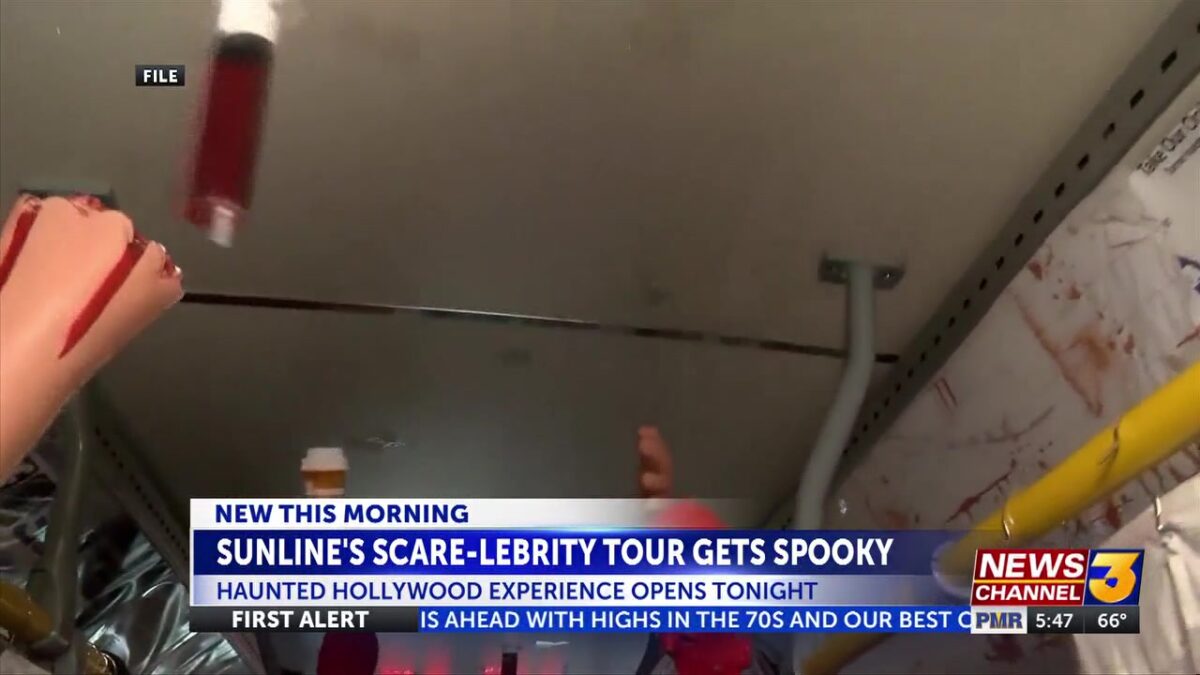
SunLine’s Haunted Bus rolls into Palm Springs VillageFest

Dakota Makinen

PALM SPRINGS, Calif. (KESQ) – Hollywood’s golden age is getting a spooky makeover in Palm Springs, where SunLine Transit Agency is transforming one of its buses into a haunted celebrity tour for Halloween.

The “Scare-lebrity Tour” will be part of Palm Springs VillageFest on Thursday, Oct. 29, from 6 to about 8 p.m. The bus will be parked near Indian Canyon Drive and Tahquitz Canyon Way, in front of Oscar’s.

The Halloween attraction puts a ghostly spin on Palm Springs’ connection to old Hollywood, inviting visitors to step inside a not-so-glamorous version of a celebrity tour.

The attraction is free and open to the public, and vistors who prefer fewer scares can request a less-frightening walk-through of the bus.

Click here to follow the original article.
Palm Springs swears in interim city manager, honors two retiring officials

KESQ News Team

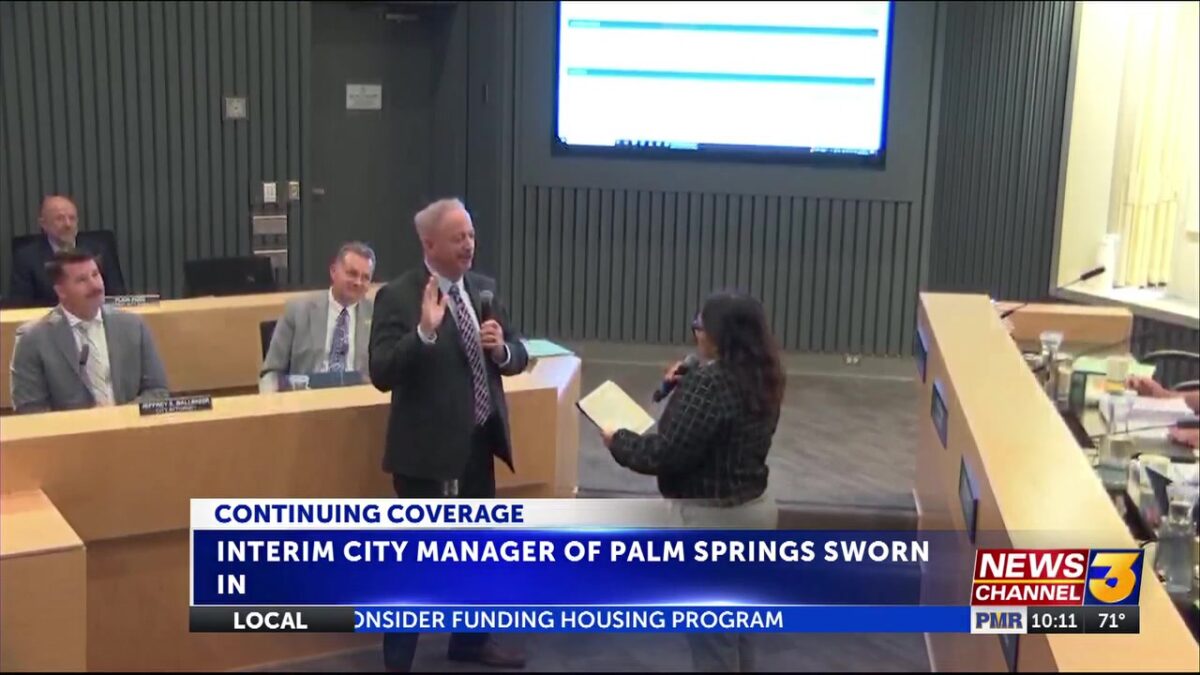
PALM SPRINGS, Calif. (KESQ) – The city of Palm Springs swore in Jim Vanderpool as interim city manager, as officials also honored retiring city manager Scott Stiles and Fire Chief Paul Alvarado.

Vanderpool has 30 years of experience in municipal government, most recently serving as the city manager of Anaheim for six years, and comes to Palm Springs from that position.

“It’s been an absolute privilege to serve in two amazing cities, to keep the momentum going,” Vanderpool said.

Stiles’ last day is on Nov. 1, bringing to a close more than 43 years of public service, including the last three in Palm Springs.

Alvarado’s last day is on Nov. 2. He’s retiring after 35 years in fire service, including the past 3-and-a-half years leading the Palm Springs Fire Department.

Check out Peter Daut’s recent interview with all three officials:

Jim Vanderpool’s first interview since being named interim city manager Scott Stiles discusses reasons for retiring Paul Alvarado looks back at his 35-year career

Click here to follow the original article.
Beaumont man accused of killing woman in El Salvador extradited

Jesus Reyes

LOS ANGELES (KESQ) – A 27-year-old Beaumont man accused of murdering a woman in front of their toddler son in El Salvador has been extradited at the request of the government, the Department of Justice announced.

Michael Alejandro Castillo Murga, a dual U.S.-Salvadoran citizen, was surrendered on Wednesday to Salvadoran authorities to face criminal charges of aggravated feminicide and imperfect homicide.

Castillo Murga had been in U.S. custody since October 2024.

The murder is believed to have happened on Jan. 31, 2019. Authorities said Castillo Murga picked up the victim and their son from her mother’s house to take her to a house he rented, ostensibly for the purpose of living with him as a family. Salvadoran law enforcement believes that Castillo Murga then killed the victim and abandoned the child at the site of the victim’s murder.

An autopsy revealed the victim died from a massive hemorrhage resulting from cuts to the veins in her neck, among other wounds caused by a plastic knife found at the crime scene.

According to El Salvador’s extradition request, Salvadoran authorities discovered the body of a woman near a highway on Feb. 1. Three days later, farmworkers found the boy, who is under the age of two years, in the vicinity of where the victim’s body was found.

The boy, identified as the son of the victim and Castillo Murga, was found in a state of severe dehydration and starvation and showed signs of child abuse. He also had cuts on his face, dry lips and nose, and insect bites. Authorities concluded that the physical and environmental conditions of the rugged area where the boy was found put the child’s life at risk.

Castillo Murga’s cellular telephone was determined to be in the area of the victim’s murder at the time of her death, and two witnesses who were passing Castillo Murga and the victim on the highway observed a tall, thin person attacking a woman in the back seat of a gray vehicle, while she was kicking and screaming.

During this time, Castillo Murga ignored telephone calls and messages from his girlfriend, whom he later contacted by sending her a photograph of himself covered with blood stains on his face and neck.

Salvadoran authorities also learned that Castillo Murga and others – including his girlfriend, his grandmother, and a lawyer – attempted to conceal the victim’s death and the abandonment of their son.

The grandmother and lawyer instructed two individuals to wash Castillo Murga’s car because there was blood on both the interior and exterior of the vehicle. The individuals used water, car shampoo, and vinegar but were unable to remove all the blood in the car.

On February 2, 2019, allegedly with the help of his grandmother and lawyer, Castillo Murga left El Salvador, on foot, for Guatemala, and used his U.S. passport at a border checkpoint there.

In October 2024, the United States acted on a request for Castillo Murga’s extradition submitted by the Government of El Salvador and the U.S. Marshals Service arrested him. On July 28, 2025, United States Magistrate Judge Sheri Pym certified his extradition to El Salvador.

Castillo Murga then filed a petition for writ of habeas corpus, which United States District Judge John W. Holcomb denied on November 5, 2025.

The Secretary of State issued a warrant ordering Castillo Murga’s surrender to Salvadoran authorities. Judge Holcomb subsequently denied Castillo Murga’s request for a stay of extradition on September 24, 2026.

Click here to follow the original article.
Search continues for missing teen from Torres Martinez tribe

Jesus Reyes

MECCA, Calif. (KESQ) – The search continues for a missing teenager last seen in Mecca on October 15.

Anthony “Aswet” Holleman was reported missing on the morning of October 16, according to the Riverside County Sheriff’s Office.

Holleman’s father, Larry Holleman, told News Channel 3 that his son ran away from home following an argument. Larry said Anthony has brain trauma that has resulted in a learning disability and has been known to wander away from home.

“We are asking that you keep your eyes open, please. It’s important that we find out where he is at so that we can get him home safe,” Larry said.

Larry said he has been searching areas throughout the East Valley for his son.

Anthony has been known to spend time in North Indio and near Miles Park. The Torres Martinez Desert Cahuilla Indians, of which Holleman is a member, also shared information about his disappearance on the tribe’s Facebook page, noting that he has been known to frequent North Indio and Mountain View.

According to the Riverside County Sheriff’s Office, deputies responded after receiving a report that the juvenile had left a location in an unknown direction. Deputies searched the area but were unable to locate him.

“Deputies entered the juvenile into the missing person database as a runaway, and the investigation remains ongoing,” the Sheriff’s Office said in an email.

Holleman is described as 5 feet, 6 inches tall, weighing approximately 125 pounds, with brown hair and brown eyes.

Anyone with information about Holleman’s whereabouts is urged to contact the Riverside County Sheriff’s Office at 951-776-1099 or his family at 760-469-6990.

Click here to follow the original article.