Man wrongly arrested after Orlando police used facial recognition

By Justin Schecker

Click here for updates on this story

    ORLANDO, Florida (WESH) — WESH 2 Investigates has learned the wrongful arrest of a Central Florida man for crimes he did not commit last year was the result of an Orlando Police officer’s use of facial recognition technology.

Back in November, Orlando Police Department’s Chief of Staff David Arnott denied in an email that facial recognition was used to identify Beau Burgess as a suspect.

But the department’s own internal investigation revealed an officer relied on what’s known as the FACES database.

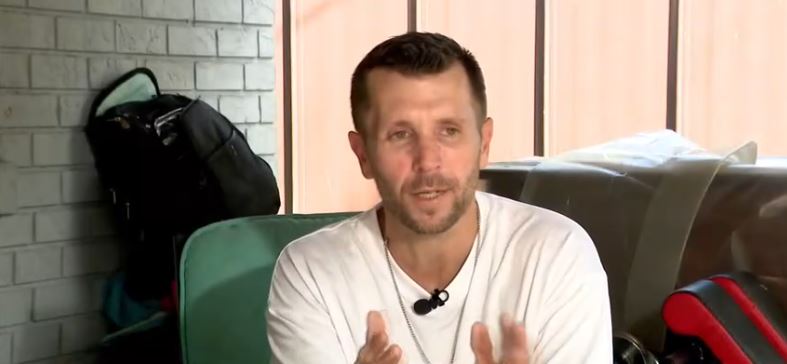
The look on Burgess’ face said it all.

Body camera video obtained by WESH 2 Investigates showed Burgess was shocked when a Volusia sheriff’s deputy, whom he recognized at a Home Depot, placed him in handcuffs in August.

Burgess, who lives in New Smyrna Beach, was arrested on two warrants for fraud and theft crimes last June at Universal Orlando Resort Hotels.

“This could happen to anybody,” Burgess said. “I mean, it could happen to you.”

Burgess filed citizen complaints against two officers involved in his arrest.

An internal affairs investigation found one of them identified Burgess with a still image, “which appeared to be taken from the BWC of the Cabana Bay trespass.”

“So, basically it’s gonna be a trespass from all Universal Studios properties,” an officer is heard telling the man in the video.

A hotel company employee told police the subject, who racked up more than $4,400 in unpaid charges, received a trespass order from an OPD officer on June 22.

Police believed the man in the video gave a fake name.

While WESH 2 Investigates is not showing his face, the man is clearly not Burgess.

“In the video, he has shorts on,” Burgess said. “He has no tattoos at all on his legs. And my legs are covered in tattoos. And you can see it plain and clear.”

The OPD internal affairs report said the officer ran the still image “through the FACES database.”

Florida’s “Face Analysis Comparison & Examination System” is operated by the Pinellas County Sheriff’s Office.

It contains millions of driver’s license images and jail booking photos.

“An individual could have multiple images in a database if they were arrested multiple times,” said Dr. Michael King, a professor at the Florida Institute of Technology in Melbourne.

Dr. King said he worked on developing facial recognition technology during his 15 years in the federal government’s intelligence community.

“So, this is a form of artificial intelligence in the broader sense,” he said.

King told WESH 2 Investigates that more education is needed “from the officer to the judges that actually sign off on the warrant and those that actually adjudicate at trial, that the technology is not infallible.”

He also served as an expert witness when the ACLU brought a landmark lawsuit against the City of Detroit for the wrongful arrest of Robert Williams in January 2020.

“It was the first one that came to light that indeed someone was arrested when they were not involved in the crime at all on the basis of a face recognition search,” King explained.

King said this technology that extracts unique facial features is a vital tool for investigation, but he added, “It is absolutely vital that law enforcement, when using the technology, uses it in a manner where they understand that the technology only produces a lead, it does not confirm identification.”

The internal affairs report references the Orlando Police Department’s Policy and Procedure for facial recognition, which states, “The result of a facial recognition search shall only be considered as an investigative lead and IS NOT TO BE CONSIDERED A POSITIVE IDENTIFICATION OF ANY SUBJECT OR PROBABLE CAUSE FOR ARREST.”

In the case against Burgess, it was a decade-old booking photo that matched the image from the body camera.

Police said the hotel employee who reported the alleged crimes picked his picture out of a lineup of six.

“I just got a new DMV picture,” Burgess said. “They didn’t even look at that.”

The internal affairs investigator wrote that OPD legal “advised that officers are not obligated to collect or review new exculpatory evidence offered by a defendant after an arrest has occurred.”

Burgess said police should have contacted him before his arrest, so he could have shown them his tattoos or the timecard validating he was nearly 70 miles from the hotels on the dates of the alleged offenses.

“Right, when they got that facial recognition, they just said, that’s him, and like, I was, I’ve never been so stunned in my life,” Burgess said.

The internal affairs investigation exonerated both OPD officers of any policy violations.

Fortunately for Burgess, the Orange-Osceola State Attorney’s Office has dropped both criminal cases.

Dr. King said this case is now the 11th publicly reported example nationwide of facial recognition leading to a wrongful arrest.

Orlando police sent WESH 2 Investigates this statement regarding the wrongful arrest and use of facial recognition:

“The Orlando Police Department utilizes an analysis system called FACES which is ‘Facial Analysis Comparison & Examination System.’ This system compares submitted photos to Florida driver’s licenses/identification cards and booking photos that participating Florida counties share. This analysis system is for law enforcement only. The photos compared never identifies a subject. It is not considered a positive identification of any subject or probable cause for arrest. The comparison simply provides law enforcement with a possible lead which can be investigated further.

“The Orlando Police Department does not utilize a Facial recognition system that compares photos to open-source photos such as social media and other public information. A policy is in place regarding the use of FACES, along with training the Officers receive that are authorized to utilize it. The Police Department Legal Advisor has ensured that Officers acknowledge results from FACES are strictly for investigative leads. Officers are only to take law enforcement action based on their own identity determination.

“The Universal employee positively identified Burgess as the suspect involved in this incident which enabled (the officer) to develop probable cause to obtain an arrest warrant signed by a Judge. As for the prosecution of this case, the Orlando Police Department will not comment on the decision made by the State Attorney’s Office.”

Please note: This story was provided to CNN Wire by an affiliate and does not contain original CNN reporting. This content carries a strict local market embargo. If you share the same market as the contributor of this article, you may not use it on any platform.
Woman accused of drugging disabled great-granddaughter in attempted murder-suicide

By Allison Petro

Click here for updates on this story

    VOLUSIA COUNTY, Florida (WBBH) — A woman was arrested after deputies caught her in the process of an apparent murder-suicide with her great-granddaughter, according to the Volusia County Sheriff’s Office.

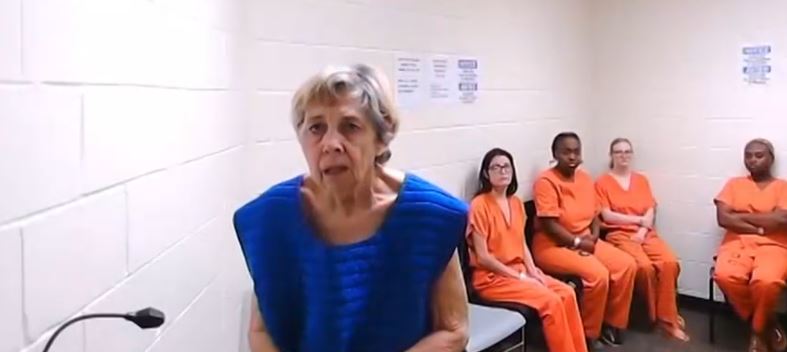
Deputies said the woman, Deborah Collier, 69, faces an attempted first-degree murder charge.

It all started when Collier’s family found a suicide note.

Deputies began looking for her after she left her home in the Daytona Park Estates area of DeLand and left behind a suicide note.

A VSO deputy spotted her vehicle and conducted a traffic stop for a well-being check.

Collier was located behind the wheel, while her 13-year-old disabled great-granddaughter was unconscious in the passenger seat, according to the VSO.

Deputies said the child had white pill residue on her and found her totally unresponsive.

Inside Collier’s purse, authorities found prescription pills and a typed note explaining she was ending her and her great-granddaughter’s lives to spare the family further stress.

Detectives learned that the victim has brain damage due to her mother’s drug use during pregnancy. The 13-year-old reportedly has cerebral palsy and requires 24-hour care because of her disabilities. Collier and her husband have been her sole guardians since birth.

According to Collier, because the girl was overweight, caring for her had become increasingly difficult. Her husband also reportedly has a heart condition with stress-related symptoms.

VSO said the demands of caretaking have contributed to significant stress in the family.

Because Collier opposed placing the victim in an assisted living facility, she acted out of desperation and decided to end both her great-granddaughter’s life and her own, according to deputies. The arrest affidavit states Collier intentionally provided the young girl with medication that contained Amphetamines and Benzodiazepines.

Collier believed that no one would care for her like family.

Deputies said she was transported to the Volusia County Branch Jail and is currently being held without bond.

The 13-year-old was airlifted to an Orlando-area hospital and immediately transferred to the pediatric ICU.

Please note: This story was provided to CNN Wire by an affiliate and does not contain original CNN reporting. This content carries a strict local market embargo. If you share the same market as the contributor of this article, you may not use it on any platform.
Diggs-Johnson Museum dedicated to historians who kept stories alive

By Jennifer Franciotti

Click here for updates on this story

    WOODSTOCK, Maryland (WBAL) — A small museum in Woodstock is dedicated to two historians who were passionate about the history of African American life in Baltimore County.

Black history is being preserved inside a restored church from 1887 in Woodstock. The church itself served the Black community after emancipation and the Civil War.

Today, it’s home to the Diggs-Johnson Museum, which is named after Lenwood Johnson, a former Baltimore County government planner, and for Louis Diggs, an author.

“(They’re) two historians, local historians, who researched 40 African American communities and Mr. Diggs put those communities (into) 13 books,” said Betty Stewart, the museum’s historian.

The museum houses many of Diggs’ books that chronicle African American life throughout Baltimore County, starting with his first book, “It All Started on Winters Lane.”

He wrote books on African Americans from Baltimore County who served in various wars, and those he called the “forgotten road warriors” of an all-African American Maryland National Guard unit, of which he was a member.

“He was a substitute teacher at Catonsville High School, and the kids were doing genealogy, and the kids would ask him, ‘Mr. Diggs, we can’t find our history.’ This was the African American kids,” Stewart told WBAL-TV 11 News.

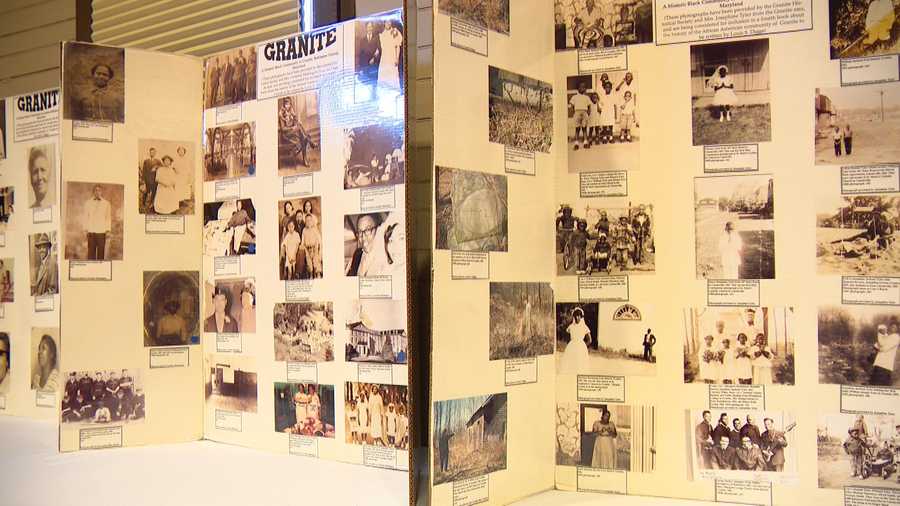
So, he found their history, writing about life in 40 communities. While Diggs died in 2022, his legacy lives on in traveling storyboards created for each community that he wrote about. There is one about the Granite community that focuses on its residents. Stewart said it’s quite emotional for those who see them.

“One lady stood here, crying, saying, ‘My goodness, that’s my mother and father.’ These are the things that some of them have never seen before they asked me. ‘Can I take a picture of it?'” Stewart told WBAL-TV 11 News.

Stewart has made it her mission to keep Diggs’ legacy alive and said it’s fitting that the museum is in a church.

“The church anchored communities, and he wanted the stories (to be told) about not just the people that the communities, (but) the churches, the schools that he thought were so important. He just said ‘Betty, it’s too much to not be told,'” Stewart told WBAL-TV 11 News.

The museum takes visitors by appointment only. Stewart is leading a Black History Month event at the Halethorpe community center on Feb. 28 replete with storyboards of that community and several others nearby.

Please note: This story was provided to CNN Wire by an affiliate and does not contain original CNN reporting. This content carries a strict local market embargo. If you share the same market as the contributor of this article, you may not use it on any platform.
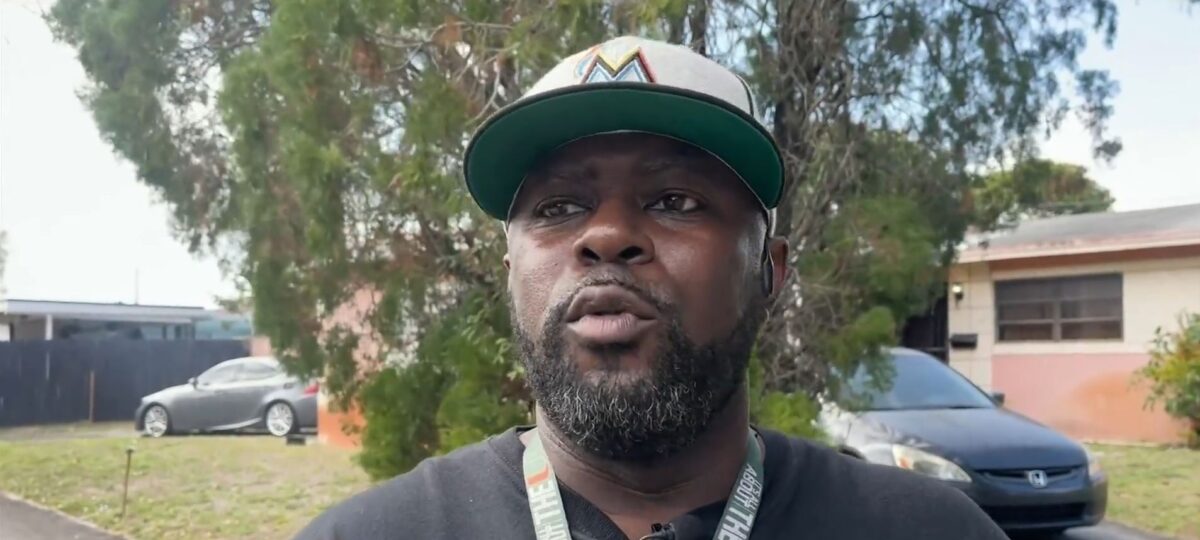
Meet 2 therapists revolutionizing how Black men get therapy and breaking the stigma

By Ukee Washington

Click here for updates on this story

    PHILADELPHIA (KYW) — Two Black women in Philadelphia are becoming changemakers in their communities and revolutionizing the way Black men access therapy.

To understand their mission, look no further than their powerful and to-the-point moniker, Black Men Heal.

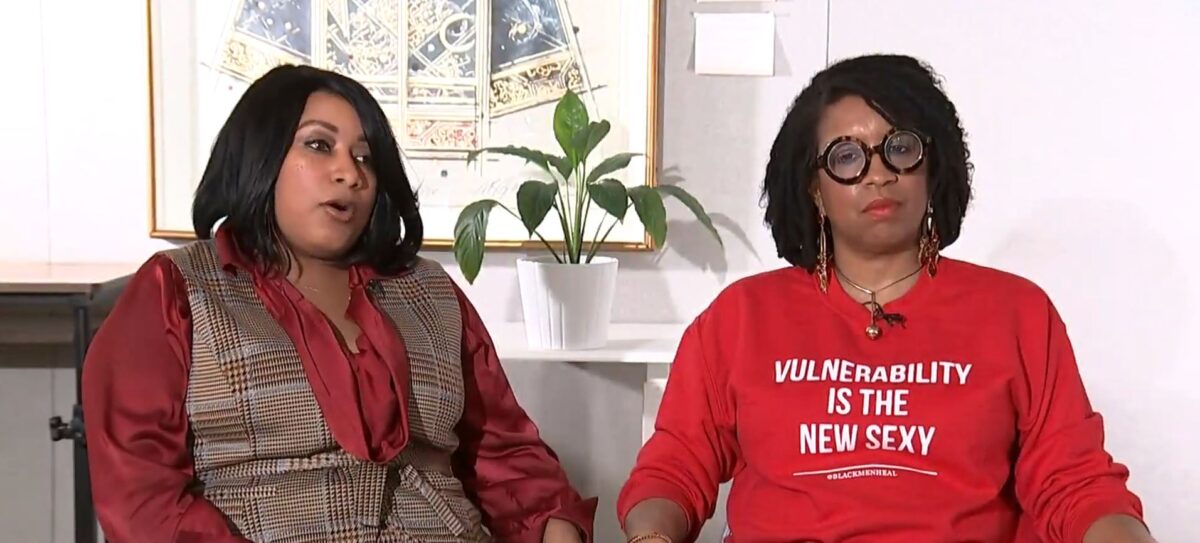
The nonprofit was created by a pair of visionary and dedicated women, both of whom are driven to spark change: Tasnim Sulaiman and Zakia Williams.

“They’re our brothers. They’re our cousins. They are my son,” Williams said. “So Black men, it’s like, this is for you by us.”

“It started about wanting to create initiatives for men, Black men, men of color to come into therapy because that is something that has been more traditionally stigmatized for men,” Sulaiman said.

The two women are good friends and both are clinical therapists, but that’s not all they have in common.

“We both have fathers who struggled with mental illness and other issues as well,” Sulaiman said. “And when I think about it, my father was a Vietnam veteran, 100% disabled, PTSD.”

The organization started with an Instagram post offering free therapy for Black men. Much to their surprise, compelling and personally eloquent letters flooded their inbox.

“I remember another one that said, ‘I didn’t have a good relationship with my mom. And I’ve noticed that I have really toxic relationships with women, and I am verbally abusive to women,'” Sulaiman said. “They were so wrong. They were so vulnerable, they were so transparent.”

That was what they needed to launch Black Men Heal in 2018. The group instills a rigorous process to connect Black men with a therapist — one they can trust.”

Black Men Heal will often host mental health retreats, hikes and various events to speak to the root of mental health issues.

“We’re born into trauma even before we’ve gone through our own experiences of trauma,” Sulaiman said, “because we’re carrying the weight of the trauma that our ancestors carried even before us.”

Williams said they provide eight free therapy sessions with Black men and pair them with clinicians of color.

Abdul Brahin Tabb found out about BMH at a conference for Black men in education. He’s been working virtually with his therapist, Crystal Johnson, for nearly two years now. And Johnson says it’s been almost 24 months well spent.

“When I say it was the most rewarding thing I’ve ever done in my life, just seeing our young Black men become their better selves,” Johnson said.

“I go to the barbershop weekly, and I say all the time, I advocate,” Tabb said. “I advocate, and I say, ‘Men, go and speak to someone.'”

“You hear stories of transformation, but to actually be a part of it and knowing that you had some input in it,” Johnson said. “I tell my clients all the time, I’m here to learn from you as much as you are learning from me.”

Educating others. The lesson plan of Black Men Heal is a powerful and straightforward assignment, designed to break generational cycles and flat-out change the course of direction and perception about mental health.

Please note: This story was provided to CNN Wire by an affiliate and does not contain original CNN reporting. This content carries a strict local market embargo. If you share the same market as the contributor of this article, you may not use it on any platform.
“Fuhgeddaboutdit”: New York accent may be fading out, study finds

By Alexa Herrera

Click here for updates on this story

    NEW YORK (WCBS) — Quintessential New York pronunciations like “dawg,” “cawfee” and “fuhgeddaboutdit” could slowly be things of the past, a new study revealed.

The Word Finder asked more than 3,000 Americans which regional accents people are using less often.

The New York City dialect ranks No. 12 on the list for accents the country is quietly losing. Researchers said “major-city prestige accents” such as the Big Apple, New England and Philadelphia are at risk but less likely to be dropped than others.

Researchers said the New York dialect has long been portrayed in the media, which may help preserve it even as everyday usage softens.

Iconic movies such as “A Bronx Tale,” “Goodfellas,” and “My Cousin Vinny” showcase the distinct dialects, particularly Brooklyn and Bronx accents.

“I’m walking here!” from the 1969 film “Midnight Cowboy” is no doubt one of the most famous lines demonstrating the New York accent, when the character Ratso Rizzo was nearly hit by a taxi.

Pronounced signs of regional identity often lead people to soften their accents, particularly when they move, change jobs or talk to non-locals, researchers said.

Appalachian, Southern and Louisiana vernaculars are fading at the highest rates, according to the list.

So, while you might hear “y’all” less, “youse guys” may be here to stay.

Please note: This story was provided to CNN Wire by an affiliate and does not contain original CNN reporting. This content carries a strict local market embargo. If you share the same market as the contributor of this article, you may not use it on any platform.
Florida Senate introduces a bill named after former NFL QB Teddy Bridgewater to allow coaches to give benefits to players

By Bri Buckley

Click here for updates on this story

    FLORIDA (WFOR) — A new bill has been introduced in the Florida Senate to allow high school coaches to spend personal funds on their team.

“We treat them just like our kids, our sons,” said Antonio Seay.

Seay has been an assistant football coach at Miami-Northwestern Senior High School for the last four years. He worked alongside former head coach Teddy Bridgewater, who was suspended last year for impermissible benefits.

“It brought camaraderie, the brotherhood with everyone,” Seay said. “Kids came together, worked together, built a bond, and became champions at that point.”

Now there’s a bill aimed at reversing the rule that led to Bridgewater’s suspension.

Senate Bill 178 would allow high school head coaches from any sport to spend up to $15,000 in personal funds per team, per year, to pay for items like food, transportation, and recovery services in “good faith.”

This would change the current Florida High School Athletic Association bylaws that call those actions “impermissible benefits.”

“Teddy owned up to this outright, saying he provided food, Ubers, and recovery services to his players throughout the season,” said Sen. Shevrin Jones, D-Miami Gardens, as he presented the bill to the Florida Senate.

Jones sponsored the bill after there was an outpouring of support following Bridgewater’s suspension. He said he is casually calling it the Teddy Bridgewater Act.

“They are sometimes the parents for some of these young people, and sometimes these are the one individual or individuals that a lot of these student athletes trust,” Jones told CBS News Miami. “They should be able to help those student athletes with things like getting home safely after practice they should be able to help them with food if they have not eaten. Those are good faith tactics that I believe should be allowed.”

Jones said that, according to the bill, each coach must report the funds spent to the FHSAA to determine if the spending was in “good faith.”

The funds can not be used for recruiting.

“What I can’t deal with is a child walking home from school after practice at 8 p.m., and something happens to them,” Jones said.

Saey said he only has one concern.

“People taking advantage of the bill, to try to bring success with recruiting, not the good of it, to make sure that you can provide for the kids to perform on the field and in life,” Seay said.

The bill will be on the floor again on Thursday.

If passed and signed off by the governor, the legislation would take effect on July 1st.

Please note: This story was provided to CNN Wire by an affiliate and does not contain original CNN reporting. This content carries a strict local market embargo. If you share the same market as the contributor of this article, you may not use it on any platform.
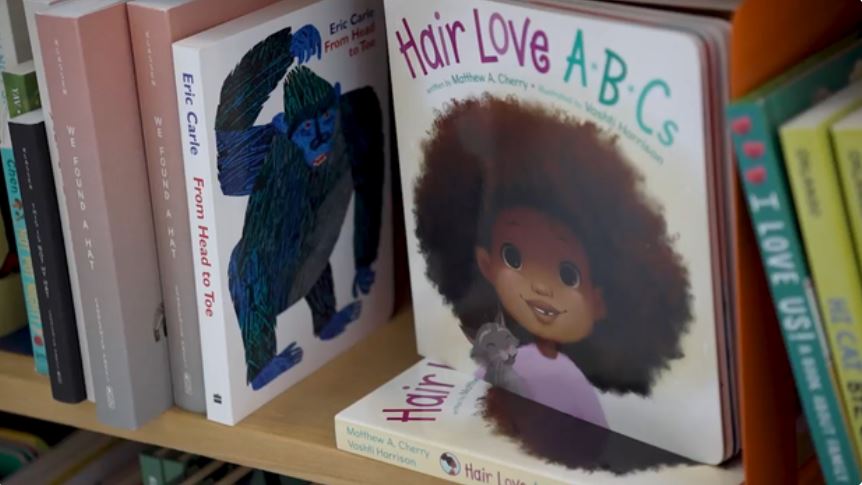
Children’s bookstore makes representation in stories a main character

By Bo Evans

Click here for updates on this story

    DECATUR, Georgia (WUPA) — The importance of diverse representation has been a focus of discussion for more than half a century.

One metro Atlanta mother has made it her mission to make sure her kids — and all kids — saw someone who looked like them in the stories they were reading.

Inside Brave + Kind Bookshop in Decatur, you’ll find books, stickers, and trinkets, everything you’d expect to find in a kids’ bookstore.

“It’s a special place, it’s bright and beautiful and airy,” owner Bunny Hilliard said.

But here, there’s more to discover.

Hilliard wants you to find yourself on these pages, no matter who you are.

“I think my favorite thing about books for myself, and for others, is when you find that piece of the book, that part of the story, that character that really resonates with you and makes you feel seen,” she said.

That wasn’t always easy for Hilliard, a Black woman raising two Black children.

“I found it hard-pressed to find lots of stories with main characters and stories that looked like them, and that really celebrated what it meant to be a person of color, a Black child, a Black family in the world,” she recalled.

That’s why she created Brave + Kind, to show all kids they can be their story’s main character.

It’s a story that she says is worth reading.

Hilliard and Brave and Kind Bookshop are hosting a children’s book festival, Atlanta’s Beautifully Black Children’s Fest, at the Alliance Theatre on March 28.

You can learn more about the bookstore on its website.

Please note: This story was provided to CNN Wire by an affiliate and does not contain original CNN reporting. This content carries a strict local market embargo. If you share the same market as the contributor of this article, you may not use it on any platform.
Couple helps people get moving through the joy of Double Dutch

By Monique John

Click here for updates on this story

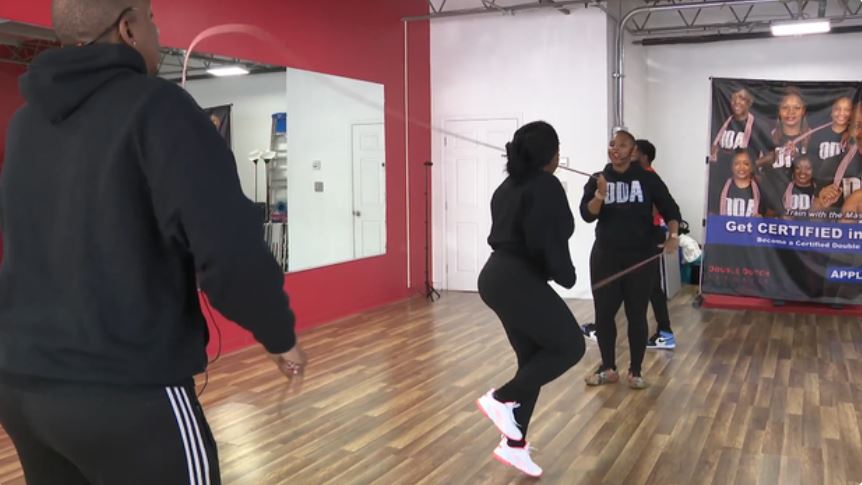
    ATLANTA (WUPA) — An Atlanta couple turned their love of a classic jump rope activity into a workout that’s helped thousands get moving and get fit.

Sean and Michelle Clark say they’ve taught more than 100,000 people in 30 cities the joy of Double Dutch.

For Michelle Clark, it’s a passion she’s poured into since she was 4 years old.

“I had the idea when he was my boyfriend to start a class for Double Dutch because I love workout classes, so why not have it in Double Dutch?” she recalled.

“[T]he next week we started a class,” Sean Clark said. “I thought it was the best idea I’ve ever heard in my life.”

Double dutch is a competitive sport where the participants jump between two ropes that are turning in opposite directions. The Clarks say their business started small in 2012, teaching classes in New York. They went full-time after moving to Georgia and opened their studio in Northwest Atlanta. Over the years, they’ve taught children, inmates, and celebrities like Trinidad James, Tisha Campbell, and Scarface.

Double Dutch is upheld as a special pastime in Black communities. The Clarks say communities have a special relationship with the sport because it’s a healthy, affordable outlet for wellness.

“It didn’t take anything at all,” Sean Clark said. “Whatever was going on in your household stayed in your household, because when you came outside, you had a chance to feel good and have a good time and let go of all the things that are happening in your life.”

“(We) embrace each other,” says Taj Wray, an instructor at Double Dutch Aerobics. “We talk after class and just sit through and converse. We go out for birthdays and hang.”

“I’ve developed so many friendships, meeting people through Double Dutch. I mean, we all have that commonality,” said instructor Livonne Moore.

The Clarks want to make Double Dutch as accessible and respected as other forms of fitness, like yoga and spin. They also want to make it more competitive.

The couple takes pride in helping adults feel like kids again.

“When you have that guttural laugh, when you do a pop up, or when you jump in with your partner, or when you finally got that trick that you’ve been trying to get, that’s a joy that comes with this sport. There’s just a childlike joy,” Michelle Clark said.

Anyone who wants to give Double Dutch Aerobics a try can take one of their classes every Saturday morning. You can learn more on the company’s website.

Please note: This story was provided to CNN Wire by an affiliate and does not contain original CNN reporting. This content carries a strict local market embargo. If you share the same market as the contributor of this article, you may not use it on any platform.

Teenagers push man into moving Orange Line train, witnesses say

By Brandon Truitt

Click here for updates on this story

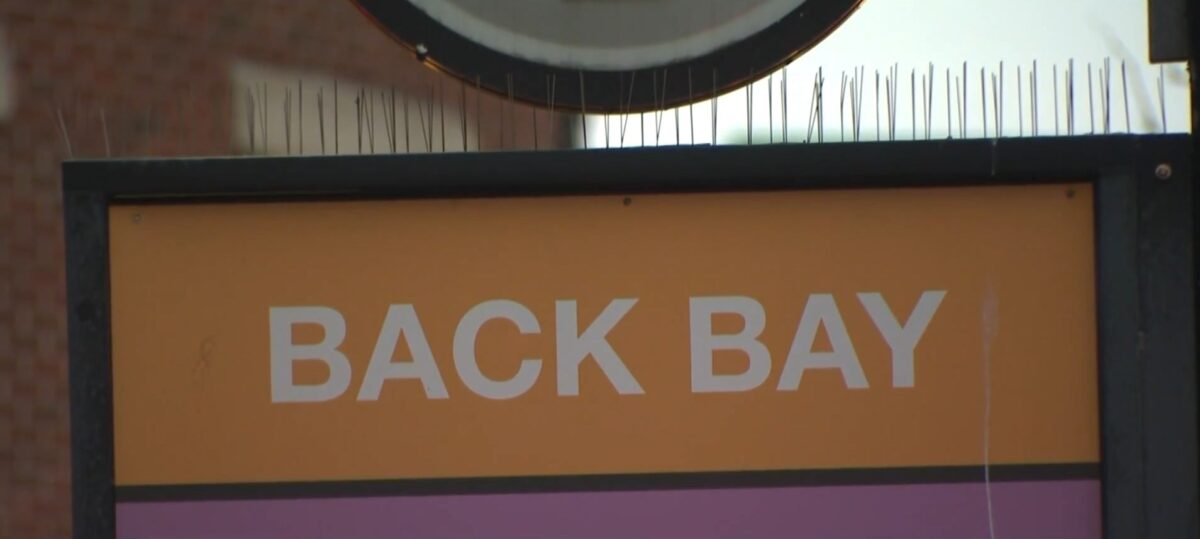
    BOSTON (WBZ) — MBTA Transit Police said they are investigating an assault after a group of teenagers attacked a man on the platform of Back Bay Station in Boston and pushed him into a moving train.

The incident happened around 6:45 p.m. on Tuesday, according to Transit Police. The 27-year-old had a laceration to his head. The group involved ran off in different directions.

WBZ-TV spoke with a local nurse who was at the top of the stairs in the station as the teens started to run off. She said she saw the man laying on his back on the platform, bleeding from his head and knew she needed to step in.

“My first immediate reaction was to help him because I think he was in shock. He was just laying there,” said the nurse, who did not want to give her name due to privacy concerns. “The transit cop was applying pressure to the laceration on his forehead. It was a decent amount of blood, but he was alert, oriented. I was just keeping him verbally engaged.”

WBZ spoke with another witness over the phone who said the victim told her the teens threw his cellphone on the tracks. This witness reported seeing nearly a dozen teenagers running in all directions after the attack. Some managed to board the Orange Line train the man had been pushed against as it pulled away.

Orange Line riders said seeing groups of unruly teenagers on trains and platforms was nothing new.

“It’s always teenagers riding their bikes going really fast into the cabins or something like that,” Ana Aviles said.

Other passengers said they try to keep a low profile when riding the train.

“I feel like I need to take precautions and I have to be on the lookout,” said one Orange Line rider.

“I do feel safe but sometimes people come in and sit on the train and they are kind of not good vibes. They will sit on the train and do drugs and stuff like that. People bring their kids on the train and they shouldn’t be seeing that,” rider Naturi Wells added.

WBZ reached out to the MBTA for comment regarding Tuesday night’s incident but did not hear back.

Please note: This story was provided to CNN Wire by an affiliate and does not contain original CNN reporting. This content carries a strict local market embargo. If you share the same market as the contributor of this article, you may not use it on any platform.

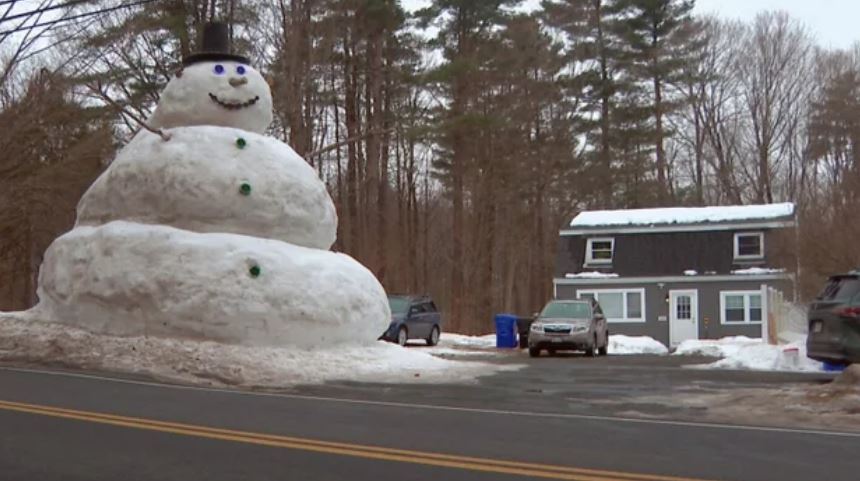
Towering 20-foot snowman becoming must-see attraction at home

By Mike Sullivan

Click here for updates on this story

    SHIRLEY, Massachusetts (WBZ) — A 20-foot snowman has become a must-see attraction in Shirley, Massachusetts.

The giant, smiling snow sculpture is named Parker after the road he sits on. His jolly presence, which is 21-feet wide, is stopping drivers in front of Katie Aalerud’s house.

“They stop all day. I am like, ‘Who is that? Oh, someone looking at the snowman,'” said Aalerud. “They are always out taking pictures, and smiling.”

Aalerud’s husband built his first huge snowman after their daughter Emerson was born.

“We last November had our baby girl. We got some snow and I think my husband Eric was going stir crazy in the house, and he started to build this massive snow pile,” Aalerud said. “Last year the tradition started and became a giant snow man, and this year it’s even bigger. The big snow storm mid-January is how he got it as big as it is today.”

His eyes and buttons are made with lights. His arms are large tree branches, also covered in lights. The hat is a trash barrel and plywood painted black. The entire spectacle lights up at night. People can see it emerge as they drive up the hill near their home.

“You start to drive, you are like, ‘Oh what is that? You get close, and its like, ‘Oh a giant snowman,” Aalerud said.

The hope is to make it bigger and bigger each year. A popular question is, how does her husband make it so tall?

“So the back is less appealing to the eye, but he uses a big extension ladder and he climbs all of the way up, and then he can fiddle with the lights, fiddle with the eyes, fiddle with the ears,” Aalerud said. “He told me he has a fear of falling, but you can see so much from the top. You can see to the end of the road.”

So far, she said most of it has stayed intact with little melting, and there are a few storms forecast the next few days.

“Last year it dwindled slowly, and I would say probably at the beginning of April when the last of it finally melted. I’m interested to see when it will last,” smiles Aalerud.

Shirley, Massachusetts is 44 miles northwest of Boston.

Please note: This story was provided to CNN Wire by an affiliate and does not contain original CNN reporting. This content carries a strict local market embargo. If you share the same market as the contributor of this article, you may not use it on any platform.