Golden Knights family finds comfort in Mammoth hockey community after having a baby in the NICU

By Caroleina Hassett

Click here for updates on this story

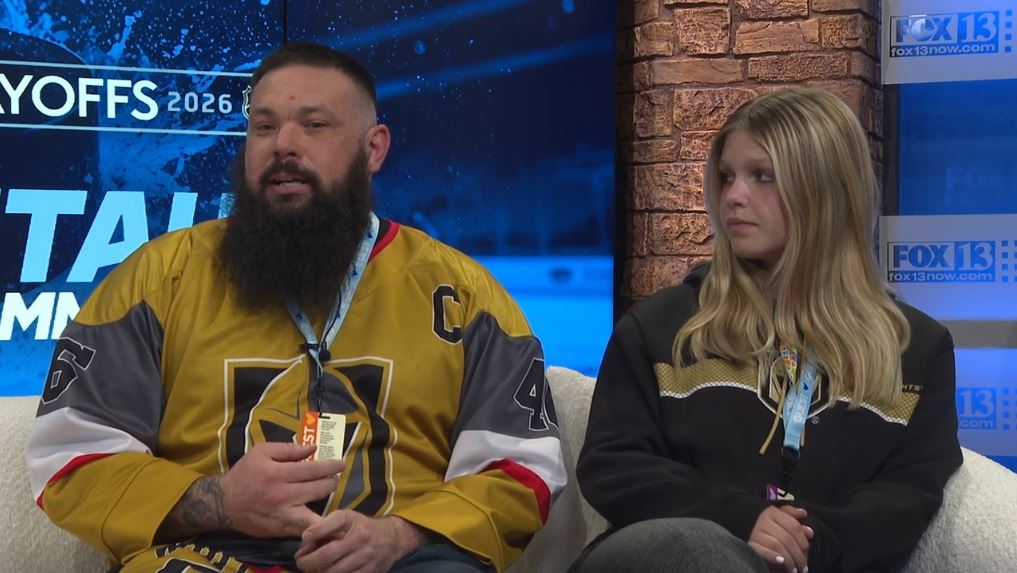
    SALT LAKE CITY (KSTU) — Brian White and his family are from Idaho but have been long-time Vegas Golden Knights fans. They recently found out they’d be getting a new addition.

“Jenna and I found out this last fall that we were pregnant again,” White said. “We found out that our baby had an ARID1B genetic mutation, which often leads to a Coffin-Siris Syndrome diagnosis.”

It can often target the function of major organs and create severe feeding difficulties.

“We ended up getting to a place where they said they think she’s got brain damage, and she’s not going to have quality of life,” White said.

They were recommended treatment at Primary Children’s Hospital in Salt Lake. Baby Kaida was born on March 31 at the University of Utah Hospital and has been in the NICU ever since.

“She was not able to wean off oxygen successfully for quite a while, and so we thought our biggest nightmare, sorry, was happening,” White said while getting choked up. “I just kept telling my wife, like, ‘It’ll work out, right? Like, we’ll figure it out.’ And I just kept telling her, ‘We’re going to let Kaida show us who she is.’”

And Kaida showed everyone who she is: a fighter.

“Through a series of — I don’t know how to say it, other than miracles, she stopped having tremors. We were able to wean off oxygen,” White said. “She’s proving everybody wrong.”

White and his family have been away from home for about a month, spending hours in the NICU and staying at the Ronald McDonald House.

“The Ronald McDonald House knew that we were Vegas fans and knew that it was the playoffs. We actually had never been to a game, and so they were kind enough to get us tickets through a grandparents fund,” White said.

Despite them being in a sea of Mammoth fans, they felt included, which White said speaks to how supportive the hockey community is in Utah.

“I had a lot of people who reached out, and they were like, ‘Listen, hockey family is family. Like, of course, we root for different teams, right? But we’re all family,’” White said. “It took a really trying time, and it just gave us a reprieve that was really needed.”

In a few weeks, they’ll be able to take Kaida home to Idaho.

“The past couple months have been really hard because there is a lot of unknowns, and it’s really hard to wrap your head around the fact that you just, there is no yes or no answer, or maybe even, but it’s really cool,” said big sister Charlie Bradshaw.

However, Utah will always have a special place in their heart.

“The biggest piece of me is at the NICU, and so right now, the Ronald McDonald House feels more like home to me because we’re here with her,” White said.

And if anyone has spare tickets for Monday night’s game, White said you know where to find him.

“If somebody needs a kidney you know I’ll sell one,” White joked. “We would love to go to the game tomorrow. It was such a great experience.”

Please note: This story was provided to CNN Wire by an affiliate and does not contain original CNN reporting. This content carries a strict local market embargo. If you share the same market as the contributor of this article, you may not use it on any platform.

Neighbors breathe sigh of relief after explosives removed from home

By Julia Sandor

Click here for updates on this story

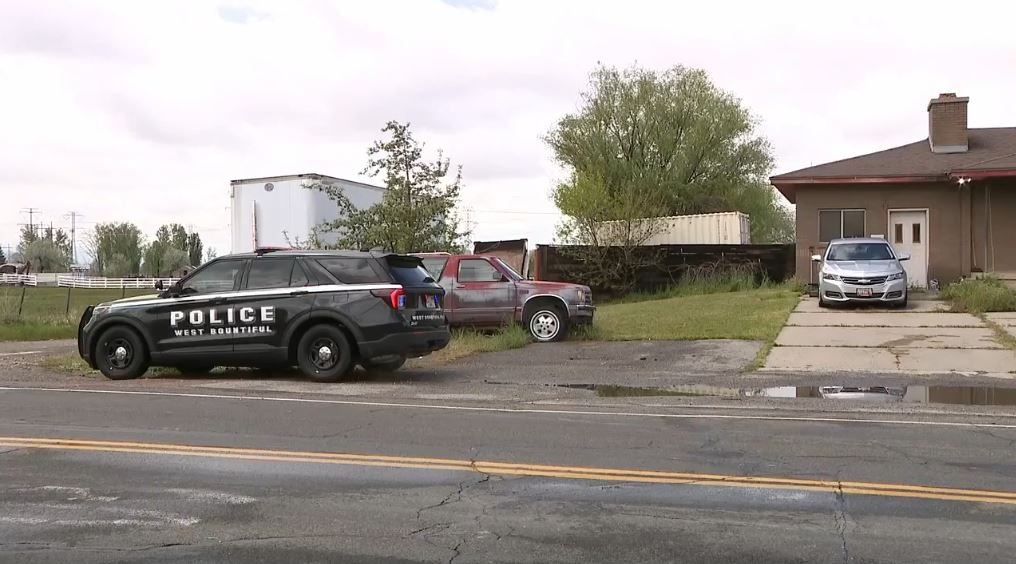
    WEST BOUNTIFUL, Utah (KSTU) — For over two hours Monday, the Davis County Bomb Squad removed explosives from a home in a West Bountiful neighborhood, throwing neighbors into a situation they’ve never had to deal with before.

“We’ve had lights flashing all weekend… and we weren’t sure what was going on yet,” said neighbor Lauren Paskett.

“I’ve been here for 15 years, this is a first for me in the city,” added West Bountiful Police Chief Brandon Erekson. “I’ve had other bomb incidents previously, but since my time here, it’s a first.”

On Saturday, while investigating another call, officers found decades-old explosive material, including dynamite, at a home near 1400 North 1100 West, leading to the arrest of 80-year-old Dwayne Hughes.

Over the next few days, police secured the area as the Davis County Sheriff’s Office Bomb Squad evaluated the explosives. At around 10 a.m. Monday, anyone living within 2,000 feet of the home was evacuated as the disposal process began.

“So I jumped in the car because I’m thinking, ‘What in the heck is going on?’, and I went across the bridge, and I saw about seven cars behind me, and I thought, something is up,” explained West Bountiful resident Joanne Parker.

When neighbors learned the reason behind the evacuation order, they were concerned.

“I talked to some neighbors, and they were a bit worried, and they live just down the street,” said Paskett. “The only thing we were worried about is there are three gas lines running through here. One is directly through our yard.

“If things went sideways, it could’ve been a lot worse.”

Bomb technicians successfully removed all explosives from the home.

Several viewers reached out to FOX 13 News, telling us the property has constantly been an issue in the neighborhood.

West Bountiful City Administrator Duane Huffman shared that the city has had long-standing issues with the property owners, even filing lawsuits against Hughes, although there haven’t been recent complaints.

Others said they’ve had nothing but kind interactions with Hughes and those who live at the house.

“We’ve never had any problems. He’s a friendly, friendly guy,” Paskett said of Hughes.

Neighbors were able to get back into their homes Monday afternoon, but the shock of the situation will stay with some of them.

“We just never know,” Parker said, “we just don’t know.”

Please note: This story was provided to CNN Wire by an affiliate and does not contain original CNN reporting. This content carries a strict local market embargo. If you share the same market as the contributor of this article, you may not use it on any platform.
Resident recounts damage to home after juvenile allegedly starts fire in nearby grass

By Mythili Gubbi

Click here for updates on this story

    OGDEN, Utah (KSTU) — Police said a fire over the weekend in an Ogden neighborhood retention pond was accidentally caused by a juvenile suspect.

On Saturday night, police and fire officials responded to 465 N. Jefferson Avenue to reports of a structure fire.

“We got some large phragmites that have grown from last season,” explained Ogden Fire Deputy Chief Matthew Hess.

Hess said those phragmites caught fire, with heavy smoke and flames.

Officers evacuated the assisted living facility next door out of an abundance of caution.

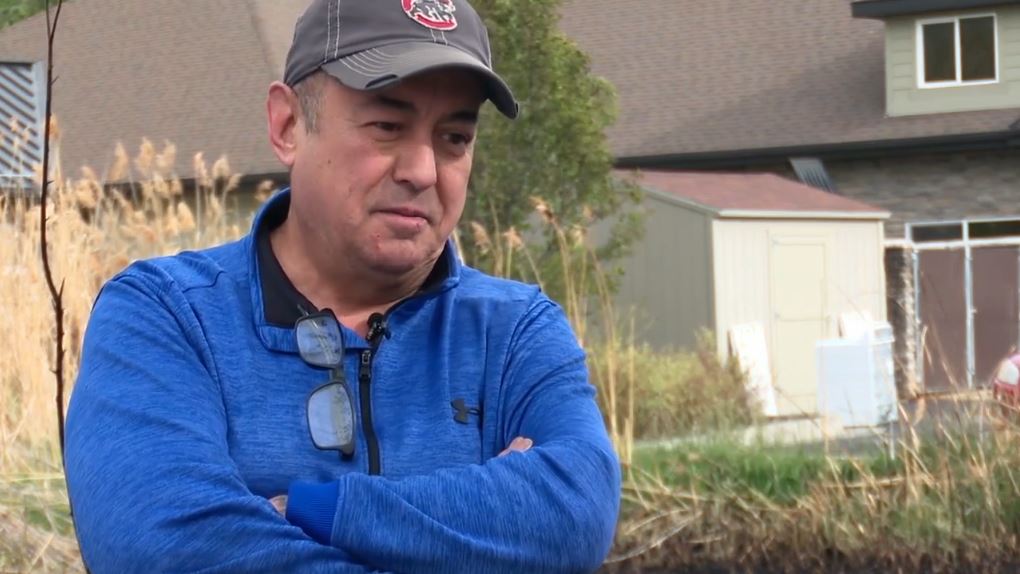
The fire charred Martin Bellot’s fence, burned some of his shed, and the heat from the phragmites melted the side of his home.

“Kinda sad,” Bellot said. “It could have been worse, but everyone’s okay. My wife and I are okay.”

There was no damage inside the home, and he’s thankful that no one was hurt.

Ogden Police shared in a release Monday that witnesses told officers they saw some people running from the scene when the fire began. As the investigation progressed, “officers followed up on this information and identified potential juvenile suspects… additional information was obtained, and officers made contact with the juvenile and his family. He admitted to accidentally starting the fire while playing with a torch,” the release stated.

“That accident is going to cost me $1,600, and it’s not fair, but it is what it is,” Bellot said.

The Ogden City Fire Department wants to remind people that this might not be a typical summer.

“On warm days, with just a little bit of help from a spark, that can take off very rapidly and cause a lot of damage,” said Hess — reminding especially kids to be careful. “Things can get out of hand in a very aggressive and quick fashion.”

“Just don’t play with matches. Don’t do it,” Bellot said. “This is what can happen. It could be worse. I could have been homeless, and my wife… We could have come home to nothing.”

Please note: This story was provided to CNN Wire by an affiliate and does not contain original CNN reporting. This content carries a strict local market embargo. If you share the same market as the contributor of this article, you may not use it on any platform.
Healing through humor: Local comedian steps back into the spotlight after husband’s tragic death

By Kaitlyn Hart, EastIdahoNews.com

Click here for updates on this story

    IDAHO FALLS, Idaho (eastidahonews.com) — After the tragic and sudden death of her husband in 2023, local comedian Becky Keiser wasn’t sure if she’d ever be able to tell a joke again.

“I didn’t feel like anything was funny,” Becky says.

Now, two and a half years since her husband died as the passenger in a horrific drunk driving accident, Keiser says she’s ready to “get back on the horse.”

After attending college in the ’90s, Becky worked for a buyer’s club, calling potential customers to convince them to join.

One of her first phone calls was to Dennis Keiser, an Idaho Falls man who had been attending Purdue University in Indiana. Becky invited him to a lecture on the buyer’s club, but he didn’t show up.

Thankfully, Dennis called and rescheduled.

“I had six different people scheduled to come in that night, and you get paired with the first one that shows up. I told my boss, ‘I want to be paired with him!’ Because I knew he was single, I wanted to meet him, and I was interested in him,” says Becky. “(My boss) said, ‘I don’t care that you want to be paired with him, it’s whoever comes in first.’ And (Dennis) happened to come in first.”

After agreeing to be part of the club and asking Becky to help him order a pair of sunglasses, the rest was history. The two later got married and moved to Idaho Falls.

Once here, Becky decided she wanted to try something new – stand-up comedy.

“About 12 years ago, I thought maybe I’d like to do stand-up comedy. And within a month, I was opening at The Peppertree, and it went really well,” Becky says. “A lot of my friends came, and they laughed at everything.”

Soon, Becky was offered a recurring spot at BlackRock Fine Wine and Craft Beer to hone her craft and do what she enjoys most – making people laugh.

“I love being on a microphone and trying to make people laugh. I like attention,” Becky says. “(Dennis) enjoyed my comedy, he came to all of my shows, and he recorded all of my shows.”

On Dec. 9, 2023, the Keisers were at a Christmas Party for the YMCA, as Becky was on the board.

After the party, Dennis suggested their group of friends go to a bar to celebrate a bonus he had been given at work. Becky was unable to go with him, so he caught a ride with an acquaintance in his new white BMW.

Around 3:30 a.m. the next morning, Dennis still wasn’t home, and Becky began to get worried. She texted him ‘Where are you?’ and received no response. At 5:30 a.m., she began calling his phone, to no answer.

Around eight in the morning, one of the Keisers’ friends offered to start driving around to look for Dennis and the man he was with. Becky agreed and started off to look on her own.

“I believe in God. In my head, as I was on the phone with my friend, I basically heard in my head to go to the Roadhouse,” says Becky. “And I thought that was strange, because Dennis didn’t like the Roadhouse, but I felt like God was telling me to go there.”

Looking around the Roadhouse Saloon parking lot, Becky found nothing.

What she didn’t know was that she had actually just driven right past the car, along with Dennis and the driver, without even knowing.

“If I had looked to my left when I was looking for cars, not where they would’ve gone, I would’ve seen it,” Becky says. “That’s why God was saying go to the Roadhouse.”

Around 12:30 p.m., Becky was driving home when she saw a crane.

“I took the ramp from I-15, and I saw a crane, and police cars,” Keiser says. “I thought, ‘You know, I’d better check out what this is, because I’m missing my husband.’ So I got out of the car and said (to an officer), ‘My husband is missing and was in a white BMW.’ And then I saw the white BMW crashed by the incline to the Grandview Bridge.”

Officers responded just after 12 p.m., after a jogger had been running underneath the Grandview Bridge and saw a car that had flown off the road, hit the guard rail, and gotten stuck on its side underneath the bridge.

“I knew he was dead,” Keiser says. “He was missing for almost twelve hours, and it was the first snowfall.”

According to police, Dennis and the man, identified as Julien Reilly, 39, of Idaho Falls, left the bar around 12:45 a.m. and crashed at 12:52 a.m. Dennis was the passenger, and Reilly was the driver.

“They went to The Samoa Club and played pool,” says Keiser. “The guy who drove was drunk. On the way home, they got onto Highway 20, and the driver had just gotten a new BMW, and he decided to go 100 miles per hour in a 45-mile-per-hour zone.”

Alcohol and speed are believed to have been factors in the fatal crash, police said in a news release. Both Julian and Dennis were wearing seatbelts.

After her husband’s death, Becky stopped performing stand-up comedy, seeing her friends and family, and fell into a depression.

“Right away, I wouldn’t wear makeup. I would wear hoodies or his clothes. I just didn’t care, for a long time,” Becky says. “I remember the first week, I had to remind myself that I was still alive.”

Becky says that after a year, friends and family began asking about her plans and future in comedy. But she still didn’t feel “funny.”

“People would ask me, ‘When are you doing another show? ‘And I just said I don’t feel funny yet,” Becky says.

Over time, Becky said new jokes began popping into her head, and on Friday, April 10, she had her first stand-up show in over 2.5 years at BlackRock Fine Wine and Craft Beer.

The small venue was packed, and staff had to find even more seating to accommodate all of Becky’s friends, old and new, who came to support her.

As for when she knew it was the right time to start again, Becky says it’s simple – she didn’t.

“Everybody’s different. It may be five years for somebody, maybe 20 years, before they feel ready again. But grief is what you make it,” says Becky. “You make your own rules.”

Throughout the set, Becky made jokes about aging, her continued grief, and the things she didn’t realize she had to do after her husband died – like checking the oil in her car or changing the names on their credit cards. The laughs were loud and constant.

“There was a woman at that show, and her husband died less than a year ago, and she came up to me and said, ‘Now I know that I’m not alone,’” says Becky. “She totally understood and could relate to what I was saying and she was glad. She was glad that I said those things.”

For Becky, making her own rules is what led her back to her passion for comedy.

“One of my friends said she’d never go to the Samoa Club again because that’s where she would hang out with Dennis,” says Becky. “You’re making that rule yourself. You’re the one holding onto that, and that’s not what he would want you to do. So I try not to set rules for myself, saying, ‘I’ll never do this again because of Dennis.’ I’ll never do that.”

Please note: This story was provided to CNN Wire by an affiliate and does not contain original CNN reporting. This content carries a strict local market embargo. If you share the same market as the contributor of this article, you may not use it on any platform.
Marathoner runs to support trauma survivors

By Deanie Wimmer, KSL

Click here for updates on this story

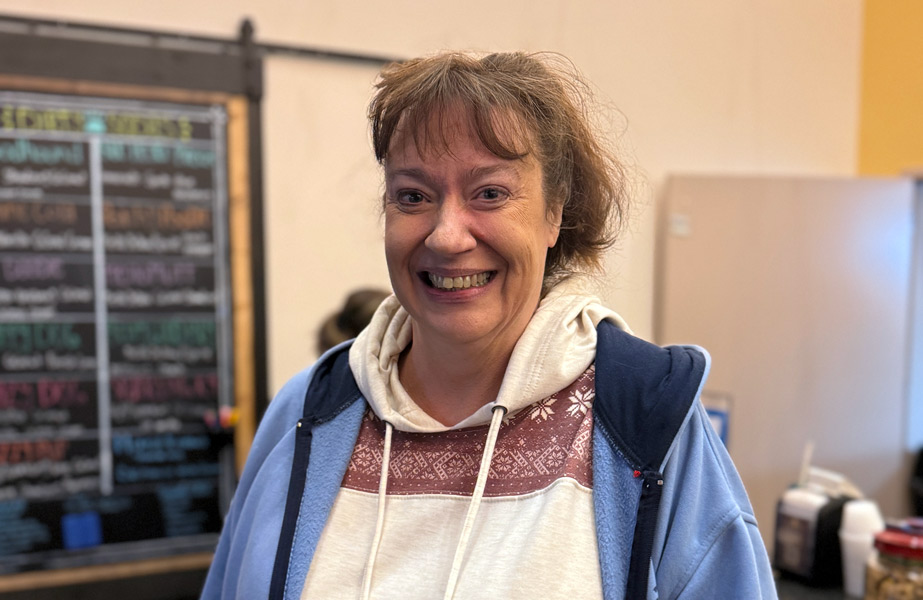
    SALT LAKE CITY (KSL) — Running has always been more than preparing for a race for Kelli Rogers. She had just crossed the finish line at the Boston Marathon in 2013 when the bombs went off, placing her among the thousands whose lives were forever altered.

“It’s like a movie … people are on the ground, hurt, injured,” Rogers said. “Things that you don’t really want to relive… it is traumatic.”

Rogers made it home, but the emotional weight of that day stayed with her. She said the experience reshaped her understanding of trauma and the challenges families face in finding help.

“I had some PTSD, and it is so important to heal,” she said.

Years later, Rogers reconnected with another Boston bombing survivor, Rebekah Gregory, who lost her leg while shielding her young son from the blasts.

Gregory founded Rebekah’s Angels, a nonprofit focused on trauma counseling and support for families.

“She takes people who have a story, who have a reason, who have a why of why they want to run with her,” Rogers said.

Rogers began running for the organization, turning Boston into a race for healing.

“They have to raise a certain amount of money the whole year, which is a really big deal because that’s her fundraiser every year,” she said. Through fundraising and advocacy, Rogers became deeply involved — often donating her own race entries so others could experience Boston while supporting the cause.

That commitment has helped expand the mission.

“She announced that Utah is going to have a chapter, and it is promised that it will stay here,” Rogers said. “I’m really excited about that.”

The Utah chapter aims to keep donations local and expand access to trauma counseling, especially for children and families navigating life after crisis.

For Rogers, every mile is driven by purpose.

“I feel excited. I feel overwhelmed. Very grateful,” she said. “I hope that people around me will just know that they are not alone. I hope that they can find the services, and nobody wants to feel alone.”

Please note: This story was provided to CNN Wire by an affiliate and does not contain original CNN reporting. This content carries a strict local market embargo. If you share the same market as the contributor of this article, you may not use it on any platform.
Campaign launched to save SF Golden Gate Park’s last public pianos from vandalism, weather

By Suzanne Phan

Click here for updates on this story

    SAN FRANCISCO (KGO) — Golden Gate Park is down to its last public piano, after vandalism and weather damage rendered nearly all the instruments along JFK Drive unplayable, according to the nonprofit group that maintains them.

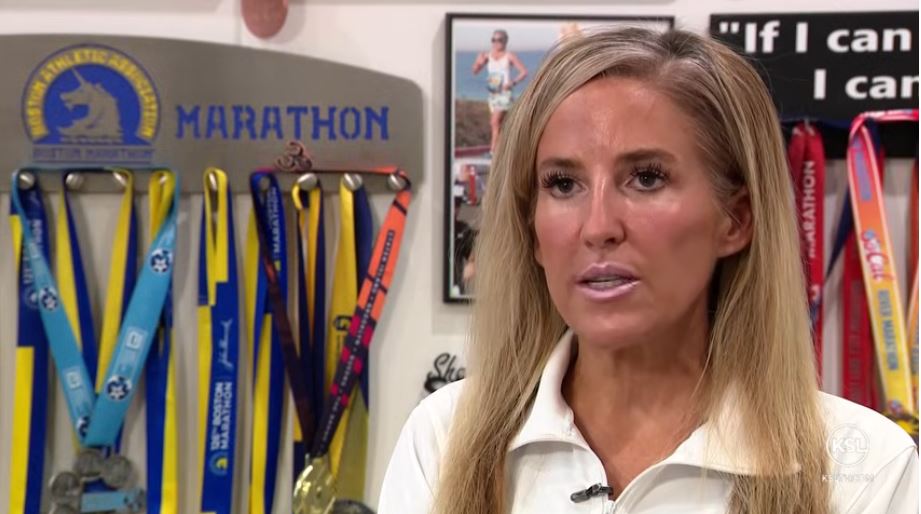
For 80-year-old Edward Young of San Francisco, the loss hits close to home, as one of his greatest joys is playing the public pianos.

One of his favorite pianos sits near Blue Heron Lake and JFK Drive, where he regularly stops to play.

“It cheers me up,” said Edward Young of San Francisco. “I try to slow down my dementia.”

For the past four years, the art nonprofit Illuminate has restored donated pianos and placed them along the JFK Promenade as part of a public art and music initiative.

“This is a beautiful last hurrah for people’s pianos. Instead of being tossed, they come here, get loved on very hard,” said Ben Davis, founder of Illuminate. “It’s amazing to see how much community forms around these pianos, how much joy centers around them.”

That effort has faced repeated setbacks. On April 18, someone flipped over the piano that stood in front of the Conservatory of Flowers, leaving it unusable.

“Somehow someone vandalized it. It’s not playable,” said Young.

“Three of the 12 (pianos) put on Golden Mile- three of them have been destroyed by vandals,” said Patricia Wilson of Illuminate.

Even when vandals spare the instruments, exposure to the elements often does not. The aging pianos are particularly vulnerable to moisture and changing conditions.

“Putting a piano outdoors is very harsh,” said Young.

Davis said the damage has steadily reduced the number of working instruments available to the public.

“We often have three on JFK Promenade. Right now, we are down to one,” said Davis.

In response, Illuminate has launched an online campaign aimed at restoring more donated pianos and building stronger protective covers.

The group is also exploring the possibility of purchasing a piano designed to better withstand outdoor conditions.

“The rain, the fog, the constant moisture,” said Davis.

For Young, the presence of public pianos in the park represents more than music. For the instruments themselves, Davis said, it offers a meaningful final chapter.

“We’re learning how to bring these pianos out and have them last and endure,” said Davis. “This is a beautiful way for a piano to end its life.”

Please note: This story was provided to CNN Wire by an affiliate and does not contain original CNN reporting. This content carries a strict local market embargo. If you share the same market as the contributor of this article, you may not use it on any platform.
Lawmakers push to bring back ‘dog court’ amid rise in canine bites

By Tara Campbell

Click here for updates on this story

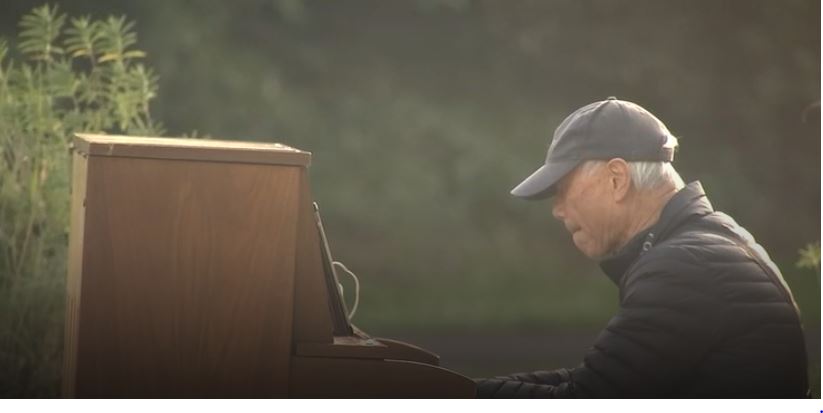
    SAN FRANCISCO (KGO) — Dog bites are on the rise in San Francisco and local leaders want owners held accountable.

San Francisco Supervisor Stephen Sherrill is making a push to get what’s dubbed “dog court” back up and running.

It’s been on pause for nearly a year without an administrative hearing officer, a position the supervisor says must be filled.

“This is part of the board’s oversight responsibilities. We’re responsible for overseeing and making sure things get done. The money is there, the position is there. Like, let’s get this built. Let’s get this going,” said Sherrill.

The SFPD’s Vicious and Dangerous Dog Unit is still investigating reports of dogs biting people and other dogs, but without the court the accountability is missing.

Requirements like muzzling, mandatory obedience training and, in some cases, putting a dog down go by the wayside.

“At the end of the day, when dog bites are on the rise and we don’t have a hearings officer to deal with that, that is a massive problem. And I don’t think it’s appropriate,” said Sherrill.

ABC7 Eyewitness News spoke with dog owners and asked what they think of the city dragging its feet on filling the position.

“Well, that’s hard to understand because there are dogs that are vicious. And if there’s no accountability for him, then the owners have no reason to do anything about it. And somebody like me, who’s got a little dog, you know, so be a dog treat for some of those big dogs,” said Tony Sheakley, adding he’s witnessed several incidents involving aggressive dogs.

“There’s all kinds of things and we try to, you know, ask people to control their dogs or put them on a leash. But after a while it becomes like, well, we can’t be the dog park police,” said Sheakley.

One owner said there is an incident that stands out as particularly disturbing.

“I’ve seen it bite a person in the leg, bite another person’s dog,” said Alexi Calvo. “And, then basically the owner of the pit bull would just leave, so I could understand the value of a court because people are just like, you know, the owners are crying. The one guy was bleeding; he went to the hospital, and there’s really no accountability.”

Supervisor Sherrill brought these concerns to the Board of Supervisors this week, and expects the topic of hiring a hearing officer to be taken up next month.

Please note: This story was provided to CNN Wire by an affiliate and does not contain original CNN reporting. This content carries a strict local market embargo. If you share the same market as the contributor of this article, you may not use it on any platform.
Richard Allen’s attorneys file new brief to overturn Delphi murders conviction

By Ashley Fowler

Click here for updates on this story

    INDIANAPOLIS (WISH) — Attorneys for Richard Allen have filed a new brief in the Indiana Court of Appeals, continuing their effort to overturn his conviction in the Delphi murders case.

On Nov. 11, 2024, Allen was found guilty of two counts of murder and two counts of felony murder for the 2017 deaths of 13-year-old Abigail “Abby” Williams and 14-year-old Liberty “Libby” German near the Monon High Bridge near Delphi. He was sentenced to 130 years in prison.

In December, Allen’s attorneys appealed his conviction.

In a reply brief filed Monday, Allen’s legal team argues that the trial court made serious mistakes and reiterates claims made in Allen’s initial appeal, including:

The search of Allen’s home was unconstitutional and the resulting evidence inadmissible because law enforcement omitted or altered key facts when applying for a warrant; The statements Allen made while “gravely disabled” during solitary confinement were involuntary, the product of unconstitutional detention, and inadmissible; The trial court denied Allen his right to a fair trial, prevented his attorneys from presenting a complete defense.

In a motion filed along with the appellate brief, Allen’s attorneys say they need to argue the case before a judge because it involves complex legal issues and constitutional questions, including whether statements made during a mental health crisis can be considered voluntary.

Allen’s attorneys argue that the trial court’s decisions violated his constitutional rights and warrant a new trial.

The Indiana Court of Appeals will now determine whether to grant oral argument and will ultimately rule on Allen’s appeal.

Allen will wait for a decision from the court while serving his sentence in an out-of-state facility. As a precaution, the Indiana Department of Correction last year moved Allen from a state prison to the Lexington Assessment and Reception Center, a maximum-security state prison in Lexington, Oklahoma.

Please note: This story was provided to CNN Wire by an affiliate and does not contain original CNN reporting. This content carries a strict local market embargo. If you share the same market as the contributor of this article, you may not use it on any platform.
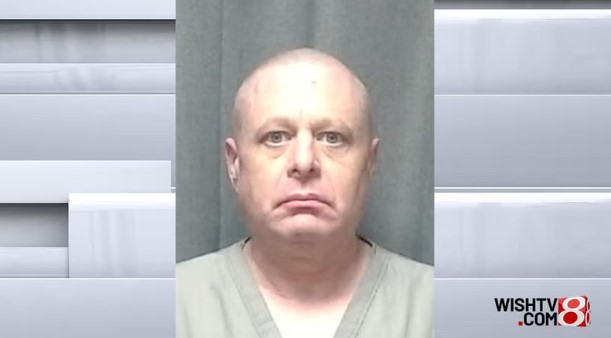
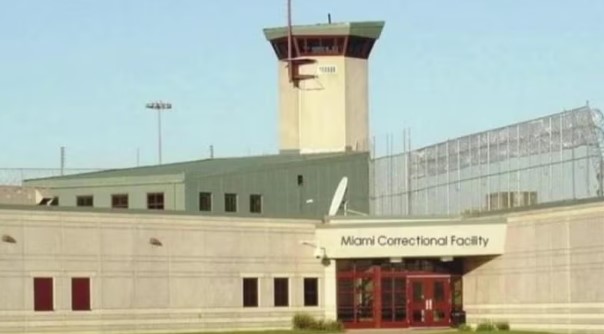
Inmates receive $1.2M after suffering abuse at Miami Correctional Facility

By Ashley Fowler

Click here for updates on this story

    INDIANAPOLIS (WISH) — The American Civil Liberties Union of Indiana has finalized settlements totaling more than $1.2 million on behalf of 31 people who were subjected to abusive conditions at Miami Correctional Facility.

The lawsuits were filed against the Indiana Department of Correction over the placement of inmates in cells with metal-covered windows and no working lights, leaving people in total or near-total darkness. In some cells, live wires hung from the ceiling, shocking people as they moved through the dark. Some inmates endured these conditions for months and were rarely permitted to leave their cells.

The first lawsuit was filed in 2021 on behalf of Jeremy Blanchard. Thirty more cases followed as additional individuals came forward.

Court papers say inmates suffered physical and psychological harm, including injuries, panic attacks, hallucinations, and self-harm.

“After more than five years of litigation, these settlements bring some measure of justice to people who have endured horrific abuse at Miami Correctional Facility,” Ken Falk, legal director at the ACLU of Indiana, said in a release. “The Eighth Amendment protects people in state custody from cruel and unconstitutional conditions, and our clients showed enormous courage in coming forward with their experiences.”

The ACLU of Indiana says it will “continue working to protect the constitutional rights of incarcerated people and hold the state accountable when those rights are violated.”

This story was formatted for WISHTV.com using AI-assisted tools. WISH’s editorial team reviews and edits all content published to ensure it meets our standards for accuracy and fairness.

Please note: This story was provided to CNN Wire by an affiliate and does not contain original CNN reporting. This content carries a strict local market embargo. If you share the same market as the contributor of this article, you may not use it on any platform.
Farmers face tough choices to keep permanent crops alive during the statewide drought emergency

By Leslie Solis

Click here for updates on this story

    CALDWELL, Idaho (KIVI) — With Idaho under a statewide drought emergency, farmers face tough decisions heading into this year’s crop season.

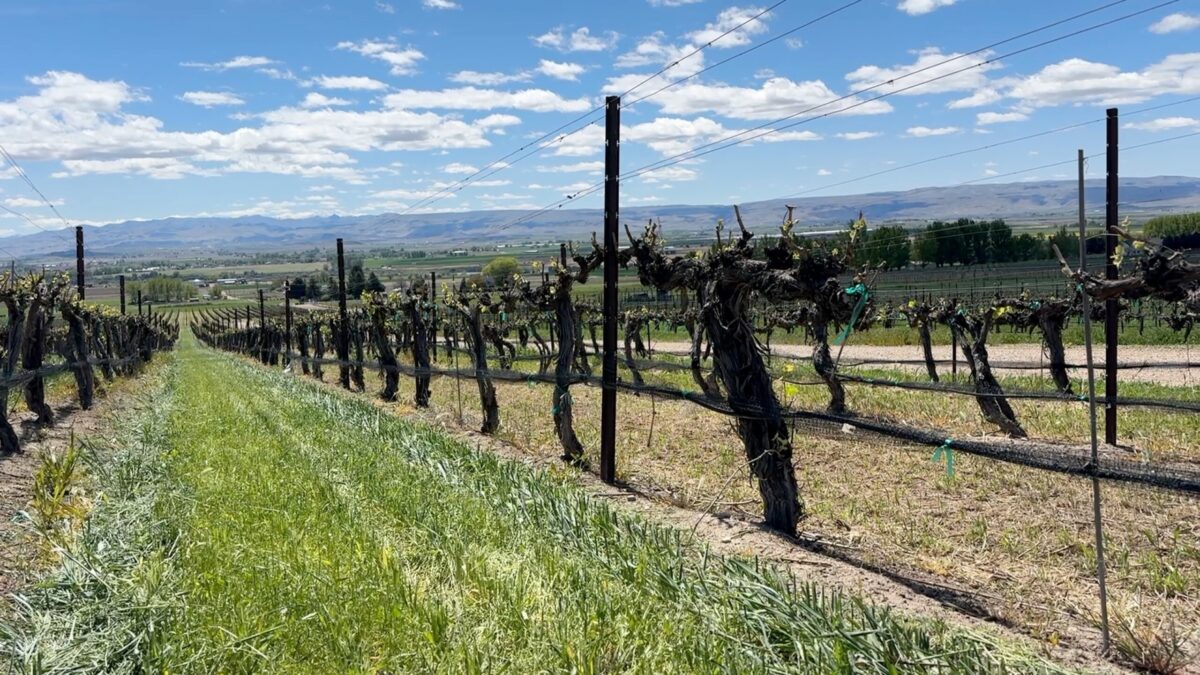
At Williamson Orchards and Vineyard in Sunnyslope, co-owner Mike Williamson said the biggest concern is simple but critical.

“How are we going to keep our vines and trees alive through the end of the summer?” Williamson said.

Drought conditions are not new to Idaho’s agricultural industry, but they pose unique challenges for farmers who rely on permanent crops like grapevines and fruit trees. These crops take years to establish and cannot be easily replaced or rotated.

“Our crops out here are permanent, that meaning they’re gonna stay here year in and year out, and as a farmer, it’s my job to guide my employees to care for these that includes applying the right amount of water,” Williamson said.

Unlike other farms that can pivot to shorter-season crops such as beans or peas, Williamson said vineyards and orchards require consistent care and water throughout the entire growing season. He noted the long-term investment makes water management even more critical.

“These vines behind us, they’re over 20 years old,” Williamson said.

To stretch limited water supplies, Williamson said his team will adjust by pruning their grapevines more heavily this season. The strategy reduces the plant’s need for water but also lowers overall production.

“If we use the strategy to reduce our crop through pruning to help mitigate water usage and reduce our water usage, that can reduce our yield, our overall yield, and it does affect our bottom line,” Williamson said.

Earlier this season, Williamson said farmers were warned water access could be cut off as early as August or September, a scenario that could have devastating consequences.

Recent rain helped improve conditions slightly, but uncertainty remains about how long water supplies will last.

Idaho’s agriculture depends heavily on snowpack in the mountains, which feeds reservoir and canal systems used for irrigation throughout the year.

To adapt, Williamson said his family’s century-old farm invested in water-efficient practices and technology.

“We use water-thrifty practices, including drip irrigation. The emitters put the water right where the plant is. We use technology out in the field as well. We have water sensors that go four feet down in the ground… to measure and monitor how the water table in our fields are doing, so that we can more precisely water. And water right when we need to and not overwater,” Williamson said.

Those systems allow farmers to deliver water directly to plant roots and avoid waste, a crucial strategy during drought conditions.

“Water’s a treasure, and we have to spend it wisely,” Williamson said.

Williamson said each farm faces different challenges depending on crop type, water access, and long-term investments. Many are working through the same uncertainty as they try to protect both their harvest and their livelihood.

This story was initially reported by a journalist and has been, in part, converted to this platform with the assistance of AI. KIVI verifies all reporting on all platforms for fairness and accuracy.

Please note: This story was provided to CNN Wire by an affiliate and does not contain original CNN reporting. This content carries a strict local market embargo. If you share the same market as the contributor of this article, you may not use it on any platform.