Salmon fishing returns to Sacramento River after 3-year closure as restoration efforts continue

By Steve Large, Brady Halbleib

Click here for updates on this story

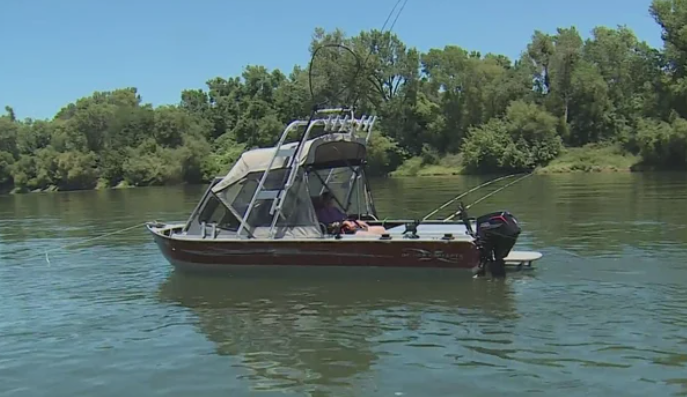
    SACRAMENTO, California (KMAX, KOVR) — For the first time in three years, fisherman are once again casting their lines into the Sacramento River in search of Chinook salmon.

California officially reopened salmon fishing on the river this week after a three-year closure brought on by historically low salmon populations.

The reopening marks a significant milestone for fishermen, guides and conservationists who have spent years working to restore one of the state’s most iconic fish species.

The Sacramento River is best known for its Chinook salmon, one of four major salmon species found in California alongside coho, pink and chum salmon.

The season runs through Dec. 31, but anglers must have a valid California sport fishing license and are limited to two Chinook salmon per day.

Years of restoration helped make the reopening possible Many conservation groups and state officials credit the reopening to years of restoration work aimed at rebuilding California’s struggling salmon populations.

The state has adopted a six-point strategy to restore salmon runs, including habitat restoration, hatchery improvements and removing barriers that prevent fish from reaching spawning grounds.

One of the most significant milestones came in late 2024, when the last of four dams on the Klamath River was removed.

The Klamath dam removal project, the largest in U.S. history, reopened hundreds of miles of historic salmon habitat that had been blocked for more than a century.

Rebuilding salmon habitat across Northern California Efforts to restore salmon extend well beyond the Klamath River.

For more than a century, agriculture, urban development, dams and levees have dramatically altered California’s rivers and streams, reducing spawning habitat and contributing to declining salmon populations.

“When salmon aren’t doing well, lots of other things in the environment aren’t doing well,” said Carson Jeffres with the UC Davis Center for Watershed Sciences.

Today, researchers, farmers, water agencies and conservation groups are working together across the Sacramento River watershed to improve spawning habitat, modernize hatcheries and increase young salmon survival.

“We’ve all come together and said we’re going to improve conditions for salmon,” said David Guy, president of the Northern California Water Association. “It’s some of the most exciting work we’re doing.”

One innovative project near Woodland floods rice fields during the winter, turning them into seasonal nurseries where juvenile salmon can grow before migrating downstream.

“The more we do, the more things will improve for salmon, and we’ll hopefully have vibrant salmon runs in California for many years to come,” Guy said.

In Solano County, restoration efforts on Putah Creek are producing encouraging results.

Streamkeeper Max Stevenson has helped restore natural creek habitat by reshaping the streambed to create better spawning conditions.

The work has resulted in more than 21,000 salmon returning to spawn, producing an estimated 500,000 baby salmon.

“That’s a great number,” Stevenson said. “That’s like having a small hatchery out here.”

Farther north near Redding, crews are adding large rocks and trees back into the Sacramento River to create slower-moving water where young salmon can grow before heading to the Pacific Ocean.

“Hopefully, what we’re doing is holding those fish longer, letting them get bigger before they turn and head to the ocean,” said Roger Cornwell, president of the Sacramento River Settlement Contractors.

Researchers say salmon recovery remains a long-term effort, but the return of recreational fishing represents an important step forward.

“The ability to have people go and catch fish and use the resource is one of the ways you bring that energy for conservation and management,” Jeffres said.

“The season’s only going to get better.” Along the river in Sacramento on Friday, boats filled the water while others tried their luck from the shoreline, hoping to reel in the first Chinook of the season.

Fishing guide B Panachon Say-Lee said anticipation has been building for months.

“We’re all excited. The season’s only going to get better,” he said.

Even with sonar technology helping locate fish beneath the surface, catching salmon remains far from guaranteed.

“And then you have those red fireballs right here in the suspended column — those are fish,” Say-Lee said while pointing to his fish finder.

Still, finding those fish is only half the battle.

“Any day you can catch one fish per person, that’s a great day,” he said.

Fellow fisherman echoed that sentiment.

“We call it hours of boredom for moments of pandemonium,” one fisherman said.

Not everyone landed a fish on opening day.

“We got one that got off right at the boat,” another angler said.

Many people said they were simply happy to be back on the water.

“Everybody was excited to get out. Either way, beautiful day,” Say-Lee said.

Please note: This story was provided to CNN Wire by an affiliate and does not contain original CNN reporting. This content carries a strict local market embargo. If you share the same market as the contributor of this article, you may not use it on any platform.

Family says Sade Robinson’s storage unit was emptied in apparent theft

By Adam Rife

Click here for updates on this story

    MILWAUKEE (WDJT) — A storage unit full of Sade Robinson’s belongings has been robbed, according to Milwaukee police and the storage company.

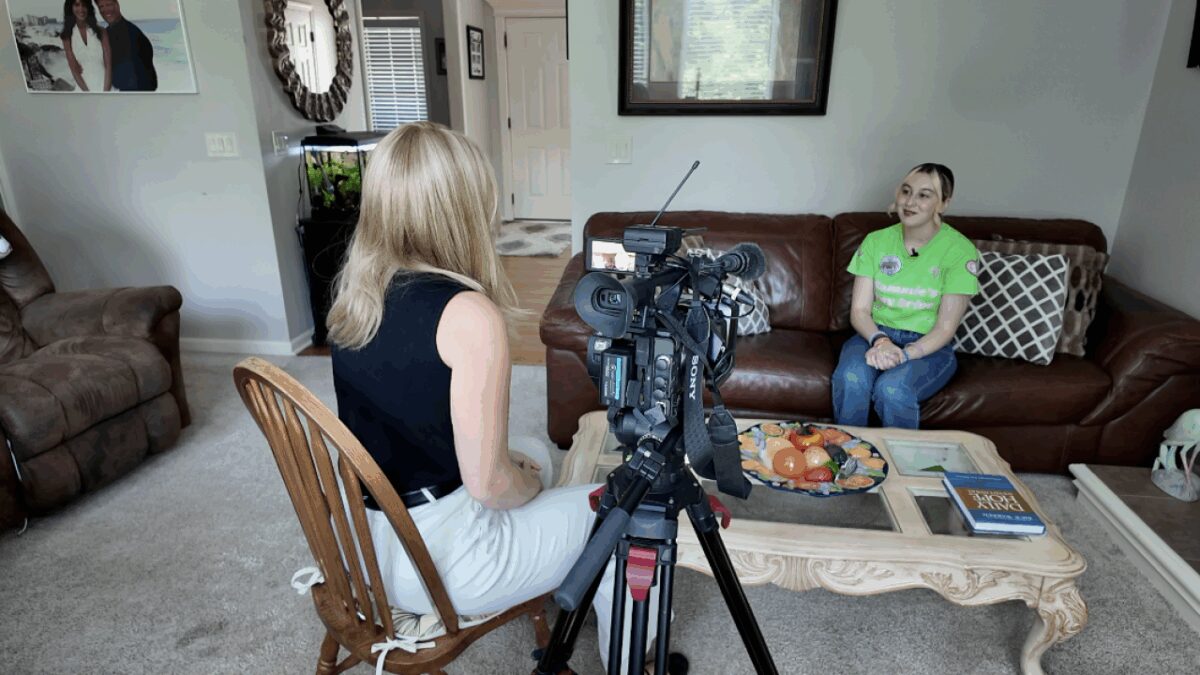
Her mother, Sheena Scarbrough, told CBS 58 Thursday, July 16, she wants answers and the return of sentimental and priceless items.

But there are few answers right now. Scarbrough isn’t sure when or why her storage unit was cleaned out. Regardless, she said it’s adding to the family’s pain.

“This was just a stab in the heart,” Scarbrough said. “It’s like losing her all over again.”

After years of tragedy, trauma and a trial, Robinson’s family is trying to move forward.

Part of that means honoring and remembering the woman they lost.

Two years ago, Scarbrough rented a unit at Extra Space Storage on North Richards Street, filling it with Robinson’s clothes, furniture, mementos and memories.

But when she went to the unit last Friday, July 10, it was empty.

Scarbrough said, “This is sentimental. These are heirlooms. These were things for Adriana. These are things that cannot be replaced.”

Scarbrough said only she, her mother and one other family member knew about the unit. A gate code and key were needed to access it, and no one else had the key.

Extra Space Storage said in a statement, “This is an unusual, targeted break-in.” A company spokesperson said by phone there was no damage to the unit and no other units were affected.

Milwaukee police confirmed a theft investigation, saying, “An unknown person removed property from the victim’s storage unit.”

Scarbrough told CBS 58, “This hurts. This has caused extreme, additional mental and emotional distress to me.”

Extra Space Storage said that back in May, Scarbrough’s payments had lapsed. Scarbrough disputes that. Regardless, the two sides spoke.

After understanding the situation, the company kept the storage unit from going up for auction. Extra Space Storage said none of its employees disposed of any items.

As police investigate, Scarbrough said she’s praying Robinson’s belongings are found.

“The trauma, the layers of trauma that we continuously have to deal with, ongoing and ongoing. It is ridiculous. It is like no time allotted for healing or trying to find any peace.”

A spokesperson for Extra Space Storage said the company is trying to get in touch with Scarbrough directly to help with the insurance process and the police investigation.

CBS 58 has shared that contact information with Scarbrough to help the two sides connect.

Please note: This story was provided to CNN Wire by an affiliate and does not contain original CNN reporting. This content carries a strict local market embargo. If you share the same market as the contributor of this article, you may not use it on any platform.

Court doc: WyCo official’s blood alcohol level was over 4 times the legal limit after crash

By Steve Kaut

Click here for updates on this story

    KANSAS CITY, Missouri (KSHB) — A court document revealed a blood test after a Johnson County, Kansas, crash showed Chelsee Chism’s blood alcohol level was over four times the legal limit.

Chism, who serves as the Unified Government economic development director, is charged with aggravated battery; DUI causing great bodily harm/disfigurement, per court records.

The crash happened May 13 on northbound U.S. 69 Highway and West 95th Street.

An affidavit filed in the case said Chism’s 2000 Lexus UX200 ran off the highway and slammed into a Kansas Department of Transportation 2012 Silverado. The KDOT vehicle was parked on the right shoulder and not on the highway.

Chism’s car was going at highway speed when her car hit the KDOT vehicle.

The KDOT employee was standing to the right of the Silverado at the time of the crash, and a tooth was knocked out of the employee’s mouth by flying debris from both vehicles and the road, according to the court document.

An Overland Park officer reported Chism admitted she was driving the Lexus.

The court document states she had “an extremely strong odor of alcoholic beverages, bloodshot eyes and extremely glassy eyes.”

Chism consented to a blood draw and the sample of her blood was sent to the Johnson County Crime Lab.

A blood test showed her “blood contained .35g of ethyl alcohol per 100ML of blood,” per a court document.

Chism is scheduled to be back in Johnson County Court at 10 a.m. Aug. 27 for a preliminary hearing.

She was placed on administrative leave following her July 2 arrest.

KSHB 41 News reporter Rachel Henderson reached out to the Unified Government on Wednesday on the status of Chism’s employment.

Please note: This story was provided to CNN Wire by an affiliate and does not contain original CNN reporting. This content carries a strict local market embargo. If you share the same market as the contributor of this article, you may not use it on any platform.
This group home made 600+ missing child reports in four years

By Melissa Blasius

Click here for updates on this story

    PHOENIX (KNXV) — Xion Ervin-Jenkins’ bedroom is waiting for a boy who will never come home again.

His mom, Stephanie Combs, keeps the room just as he left it: drawers half-open, running shoes on the floor.

Combs says a juvenile judge ordered Xion, who was 15 years old, to attend a residential treatment program in spring 2025.

“I was under the impression that he was going to be safe,” Combs said.

He arrived at Canyon State Academy in Queen Creek on May 21, 2025, after a wildfire forced evacuations at a different facility. He disappeared a few days later.

After six weeks, on July 4, 2025, Phoenix police arrived on Combs’ doorstep.

“They came to the house to let us know that he had been found deceased,” Combs said.

Combs will never know why her son decided to run away.

“I don’t wish that type of pain on anyone,” Combs said.

Canyon State Academy for boys and Desert Lily Academy for girls are side-by-side campuses in Queen Creek.

Arizona’s foster care system and the juvenile courts keep sending kids here, but the tall walls don’t keep them all safe inside.

ABC15 reviewed call-for-service records from the Queen Creek Police Department between January 2022 and September 2025. In all, the campuses made more than 600 missing person calls to police in less than four years.

“We don’t need any more kids going missing or dying,” said Leila Woodard, founder of the Arizona Missing Child Taskforce.

Through her organization, Woodard makes runaway prevention presentations, assists families of missing children, and raises community awareness. She also keeps tabs on how many kids go missing from group homes, including Canyon State and Desert Lily.

“They’re going missing at rapid amounts, like, more than anywhere, any other home in the state,” Woodard said.

A spokesperson for the academies says they serve about 600 youth a year. Combined, they are the largest group home facility licensed by the Arizona Department of Child Safety.

Most of the kids on campus are teens who were sent by DCS caseworkers or the juvenile court system – after prior placements didn’t work out. They are provided housing, therapy, schooling, job training, sports, and other activities like horseback riding.

“People are like, well, what’s happening there?” said Queen Creek Police Chief Randy Brice. “These kids are at risk already, so when they leave the facility, that’s a high concern for us.”

Representatives from Canyon State and Desert Lily declined on-camera interviews. In a statement, a spokesperson wrote, “We report to the QCPD proactively because speed matters and child safety comes first. That practice can inflate the number of reports, but it reflects our commitment to safety, not a failure to care.”

DCS also replied with requests for comment by providing a statement, which said, “Call-for-service data does not necessarily indicate wrongdoing by the facility or staff. Many reported incidents reflect the significant behavioral and emotional challenges presented by the population the facility serves.”

“I’m very confident that they have a great mission, but I’m going to continue to hold them accountable,” Brice said. “I’m going to make sure that these kids are as safe as I can possibly make that.”

DCS rules prevent group homes from locking youth in or preventing a safe exit.

Brice said there are still ways to improve security, including expanding camera coverage and better tracking kids as they move from place to place.

Brice says he’s also worked to speed up response times to missing child calls.

“As soon as a call comes out there, the drone is en route. We have cameras all around the facility on our street cameras,” Brice said. “We’re seeing about 90% of the runaways — we’re catching within minutes to maybe an hour or two.”

Queen Creek police officials say these efforts are making a difference, and they’ve seen missing child calls from the facilities trending down.

According to the academy’s spokesperson, many of their missing child reports involve repeat episodes, brief absences, children located quickly, reports tied to home passes, appointments, or on-campus outings.

Most youth are located safely, but two remain missing as of Wednesday, July 15, 2026. They are Abrianna Madrid, 15, and Aiden Searcy, 16.

“They’re so vulnerable to things like trafficking or exploitation,” Woodard said. She added that reducing the number of missing children from such a large facility would have a significant impact.

Overall, Woodard said better conditions and more services for kids living in Arizona group homes could dissuade more kids from leaving. She has also lobbied for more resources to locate missing foster kids after high-profile deaths. These include the murders of Emily Pike and Zariah Dodd in 2025 after they ran away from different group homes in the Valley.

Xion turned 16 during the weeks he was missing. He died on a concrete bench in Phoenix, about a mile from his mom’s home. The day before he was found, the temperature hit 115º. The medical examiner determined it was a heat death.

Canyon State Academy’s spokesperson described Xion’s death as tragic, adding in a statement that “we immediately reported his absence to law enforcement and fully cooperated with their investigation.”

But an academy spokesman also wrote that Xion “was never a student of Canyon State” as “he was evacuated from another state-licensed open campus.”

ABC15 learned the evacuated campus is also managed by Rite of Passage, the same company that runs Canyon State and Desert Lily.

The one-year anniversary of Xion’s death just passed, and Combs said she is taking it “one day at a time.”

“Sometimes, I sit out in the backyard at night – and recently we’ve had a couple of full moons – and I see a big X in the sky. That’s my boy showing up,” Combs said.

Additional statement from Canyon State and Desert Lily Academies:

“Many youth in our care have experienced trauma, instability, exploitation, behavioral health challenges, and, in some cases, runaway episodes. For more than 25 years, we have provided a safe, normalized environment where children attend school, receive therapy, play sports, join clubs and vocational or equine programs, build trust with caring adults, and begin to see a different future.

The academies are licensed, regulated, and Qualified Residential Treatment Programs in good standing. By state design, they are not locked facilities. Youth who leave voluntarily are immediately reported.    

We are proud of our community partners, therapists, teachers, nurses, direct-care staff, and other professionals who do difficult work every day with children who deserve dignity, compassion, and a chance to heal.”

Please note: This story was provided to CNN Wire by an affiliate and does not contain original CNN reporting. This content carries a strict local market embargo. If you share the same market as the contributor of this article, you may not use it on any platform.

Life after war: A veteran’s journey to find relief in ketamine therapy as program faces cuts

By Michael Paluska

Click here for updates on this story

    TAMPA, Florida (WFTS) — As the United States marks 250 years of independence, some veterans say the battles they face after military service can be just as difficult as those fought overseas.

Army veteran Travis Horn is among those participating in a Florida-funded study examining ketamine therapy as a treatment for mental health challenges facing veterans. Horn recently underwent his fifth infusion at Complete Ketamine Solutions Tampa, a local clinic participating in the research.

Horn, a veteran of the first Gulf War and a member of the 82nd Airborne, described the treatment as transformative.

“It’s a near religious experience,” Horn told Tampa Bay 28 reporter Michael Paluska as Paluska watched him receive his fifth ketamine treatment.

Horn told Paluska that it helped him process grief and reconnect with memories of loved ones. In family photographs, Horn is now the sole surviving brother after losing his two siblings to cancer.

“You feel like you’re in the presence of sometimes the people that you’ve loved, and/or that you’re near them somehow,” Horn said.

Before receiving treatment, Horn explained what he believes makes the experience different from traditional therapies.

“Here’s where you know you are able to divorce yourself from the pain and focus on what’s on your mind,” Horn said.

Researchers and veteran advocates are increasingly studying ketamine as a potential treatment option for conditions including depression, post-traumatic stress disorder and suicidal ideation. According to the U.S. Department of Veterans Affairs, more than 6,000 veterans die by suicide each year.

The growing interest in treatments such as ketamine recently received national attention when President Donald Trump signed an executive order aimed at reducing barriers to accessing certain alternative therapies, including ketamine.

Michael Hartford, a Navy veteran and program adviser with the Mac Parkman Foundation, a nonprofit focused on preventing veteran suicide, said the treatment remains under study but believes current approaches have not significantly reduced veteran suicide rates.

“So the ketamine therapy, although it’s not evidence-based at this point in time, it’s evidence-informed,” Hartford said.

Hartford pointed to decades of persistently high suicide rates among veterans.

“And if we look at the veteran population over the last 20 years, veteran suicide rates have not changed,” Hartford said.

“We’re celebrating 250 years, and our soldiers have been sacrificing their lives to protect us for 250 years from the very beginning. How can we celebrate if we don’t give them a chance to live out their lives after they serve?” Paluska asked.

“Spot on, Michael. And one of the things that we, as a nation, have done is take care of our veterans as much as we possibly can. My position, and I think Mac Parkman’s position, is that I believe that we are treating the symptoms, not the underlying cause of why veterans have mental health challenges, why they have suicidal ideation,” Hartford said.

Hartford argues that conditions such as traumatic brain injuries and other combat-related trauma deserve greater attention as part of veteran mental health treatment.

He also emphasized what he sees as a national responsibility to care for veterans after their service ends.

Horn believes ketamine therapy could help many veterans who have struggled to find relief through conventional treatments.

“This therapy helps you kind of open up your mind, and they’re in fact saying things like it helps your brain create new pathways and regenerates the brain in some regard, and that’s research that’s ongoing right now,” Horn said. “We’ve done the conventional therapies to sit around in a, in a kumbaya, hold hands kind of setting, and I’m not saying that that’s not part of it; it shouldn’t continue to take place, but this is really, from my perspective, a more substantive way to help the brain heal itself.”

After his latest treatment session, Horn recorded a video message describing the experience.

“Post-therapy session, just collecting your thoughts, and it is really difficult to convey to someone what the experience is like unless you try it for yourself,” Horn recorded on his cell phone.

Despite growing interest in the therapy, the future of the study remains uncertain. Funding for the program is secured for only one more year.

Hartford said organizers have been notified that the program was not approved for funding in the next fiscal year.

“Unfortunately, we’ve been informed that we have not been approved for the next fiscal year. We have submitted a request for bridge funding for the next fiscal year, and we continue to work on exploring ways that we can get funding through either the state of Florida or other philanthropic organizations that are passionate about taking care of our veterans.”

For participants such as Horn, the stakes extend beyond the fate of a single program. They involve finding new ways to address the invisible wounds many veterans continue to carry long after their military service has ended.

Please note: This story was provided to CNN Wire by an affiliate and does not contain original CNN reporting. This content carries a strict local market embargo. If you share the same market as the contributor of this article, you may not use it on any platform.
Missouri 19-year-old uses toy drive to help Missourians impacted by historic floods

By Lily O’Shea Becker

Click here for updates on this story

    LOUISBURG, Kansas (KSHB) — After historic floods hit south central Missouri last week, 19-year-old Sammie Magee of Louisburg, Kansas, is using her toy drive to once again step up and help those in need.

Magee founded Sammie’s Toy Drive four years ago in response to the Robb Elementary School shooting in Uvalde, Texas, where 19 students and two teachers were killed. She has hosted several toy drives since and was awarded SevenDays’ Ripple of Kindness Award in 2025.

“Kids are often forgotten when something like this happens, especially natural disasters or just mass tragedies, because it’s handled in such a sterile way,” Magee said.

Officials said a 23-year-old woman was killed and hundreds of others — including 202 children and counselors of a summer camp — were rescued when up to 12 inches of rain fell in Missouri’s Crawford, Iron, Madison, Reynolds and Wayne counties between July 9 and 10.

The National Weather Service said the eight-inch to 12-inch rainfall totals within a 24-hour time frame is a 1-in-a-1,000-year event.

“We helped out in Kerrville, Texas, last year after their flooding,” Magee said. “So, as soon as we saw this in Missouri, I was kinda like if we helped all the way there, we have to help here. This is too close to home.”

People were rescued from floodwaters, trees, rooftops and stranded vehicles, according to Missouri Gov. Mike Kehoe.

The Huzzah Creek and Black River saw historic flash flooding. The waterways are popular spots for float trips and campsites.

“Floods are just vicious, you lose everything,” Magee said.

Magee said she is giving those impacted by the flood a week to breathe, then she will begin reaching out to libraries in the area to form partnerships for her toy drive.

In the meantime, she is beginning to collect funds through Amazon to ship toys directly to the area. Once she gets a better idea of the age range of impacted children, she will curate a specific wish list of toys.

Those interested can look at other ways to contribute to Sammie’s Toy Drive by clicking here.

Please note: This story was provided to CNN Wire by an affiliate and does not contain original CNN reporting. This content carries a strict local market embargo. If you share the same market as the contributor of this article, you may not use it on any platform.

One Utah community will keep its fireworks ban even if the rest of the state doesn’t

By Ben Winslow

Click here for updates on this story

    MOAB, Utah (KSTU) — With Utah’s emergency order banning fireworks set to expire next week, at least one city has decided it will continue a fireworks ban.

Moab’s City Council voted to declare a state of emergency and ban fireworks before Governor Spencer Cox decided to issue his own emergency order that led to a statewide ban. It was for the entire month of July.

“You could see the smoke coming in from the Babylon Fire,” Moab Fire Chief TJ Brewer told FOX 13 News. “We were getting concern from the community.”

The Babylon Fire, burning about an hour south of Moab, is the nation’s largest wildfire, having torched more than 106,000 acres. As of Wednesday, it is only 54% contained. It is one of many wildfires still burning across the state that has destroyed property and forced entire communities to evacuate.

Utah is in drought and wildfire conditions are extreme. Grasses and trees are dry, allowing fires to spread. So far, more than 382,000 acres have burned and the majority of fires are human-caused. Firefighters have pleaded with Utahns to do what they can to avoid sparking more wildfires.

When Moab declared a state of emergency and enacted a ban, it was testing state laws that blocked cities and towns from enacting all-out fireworks bans except in limited circumstances (such as when a community is entirely in a wildland area).

“It’s a little creative, I think. It was a way for us to really come up with some legislative backing to allow us to do that and we just really believe that fire is a huge issue,” Moab Mayor Joette Langianese said in an interview with FOX 13 News last month.

Then, Gov. Cox declared a state of emergency because of extreme wildfire risk and suspended the laws. It allowed the Utah State Forester to issue an order declaring a statewide fireworks ban — but giving cities the power to allow fireworks with restrictions. It also gave communities like Moab some political backing for enacting fireworks bans.

Utah State Forester Jamie Barnes told FOX 13 News last week that she is still evaluating whether to seek a new emergency order for the upcoming Pioneer Day holiday, but wildfire conditions had not improved. Gov. Cox’s office said Wednesday he was still reviewing things and no decision has been made.

Under laws passed by the Utah State Legislature during the COVID pandemic, a governor’s emergency order is only good for 30 days. Then the legislature has to meet in special session to vote on extending the ban. Gov. Cox could issue a brand new emergency order.

But if Gov. Cox opts not to issue a new order to cover the Pioneer Day holiday, Moab’s ban would remain in effect. Brewer said residents were supportive of the ban over the Fourth of July.

“The community has stood behind it. We thought we might have some complaints. We’ve had zero complaints that I’ve heard of,” he said. “We had zero firework incidents on the Fourth of July, which is outstanding. We usually have at least a dozen or so, but there was zero. We ended up having a structure fire that day but it had nothing to do with fireworks.”

Please note: This story was provided to CNN Wire by an affiliate and does not contain original CNN reporting. This content carries a strict local market embargo. If you share the same market as the contributor of this article, you may not use it on any platform.

Memorial grows for California DoorDash driver found dead in Tesla trunk

By Felix Cortez

Click here for updates on this story

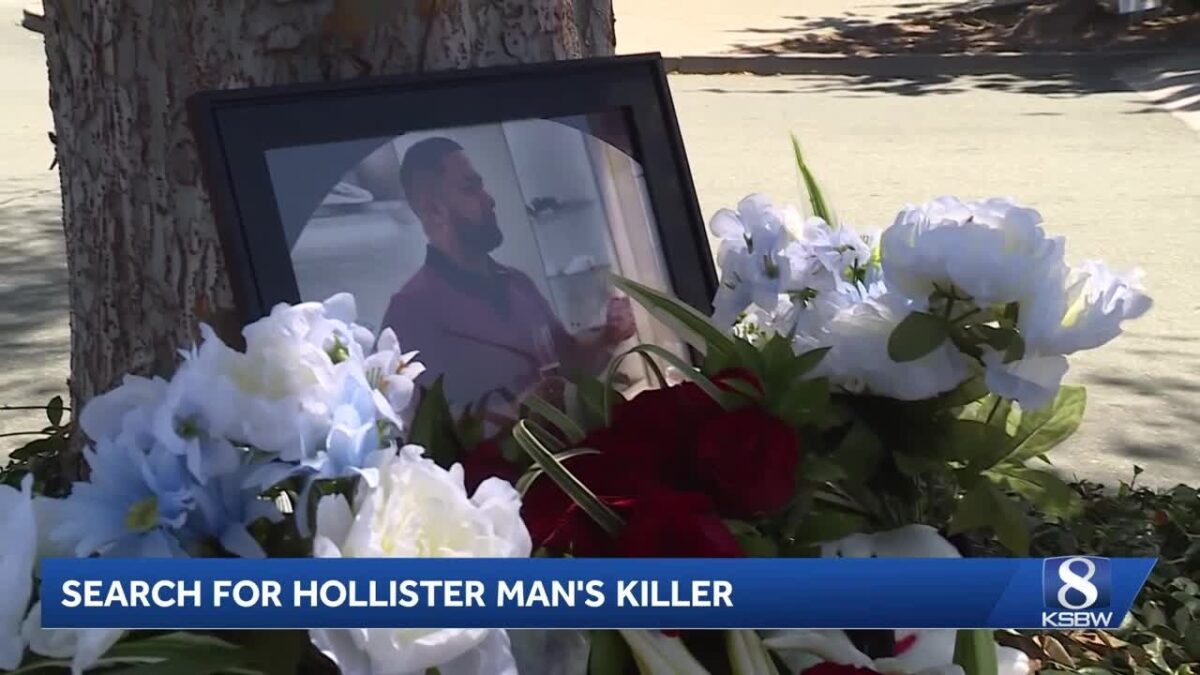
    HOLLISTER, California (KSBW) — The California Highway Patrol is investigating the death of Javier Becerril, a 42-year-old Hollister man, whose body was found last Thursday in the trunk of a Tesla off Highway 152 near the San Luis Reservoir.

CHP officials said the case is being treated as a homicide due to suspicious circumstances.

“There are circumstances that are suspicious, and that’s why we’re treating it as such,” a CHP investigator said.

Becerril had been reported missing by his family before his body was discovered. He was positively identified on Tuesday.

“Our detectives are exhausting every possible avenue to hopefully obtain a better understanding of what transpired and hopefully hold whoever was accountable for what happened, hold them accountable,” CHP officer Hector Carias said.

A small memorial has been set up in the Safeway parking lot in Hollister by fellow DoorDash drivers who say Becerril made regular deliveries from there.

CHP detectives are also analyzing the Tesla’s onboard computer system to determine if it can provide any details or video that might help identify the killer or killers.

Authorities said the family is fully cooperating with the investigation but is also desperately seeking answers.

Anyone who may have been driving on Highway 152 at Pacheco Pass last Thursday or in the days prior and noticed anything suspicious is urged to contact 911 or the CHP.

Please note: This story was provided to CNN Wire by an affiliate and does not contain original CNN reporting. This content carries a strict local market embargo. If you share the same market as the contributor of this article, you may not use it on any platform.

Forgotten bank accounts, baseball cards and a Reds signed ball turned up in Iowa treasure hunt

By Natalia Gomez del Campo

Click here for updates on this story

    DES MOINES, Iowa (KCCI) — From forgotten bank accounts to long-lost memorabilia, the State Treasurer of Iowa’s Office returned a record-breaking $38.2 million in unclaimed property to Iowans during Fiscal Year 2026, with officials saying more people are discovering money and valuables they never knew they had.

In FY26, the state processed 53,194 claims, which is an increase of 8,302 from the previous year. The total value of the claims beat previous records by more than $8.4 million.

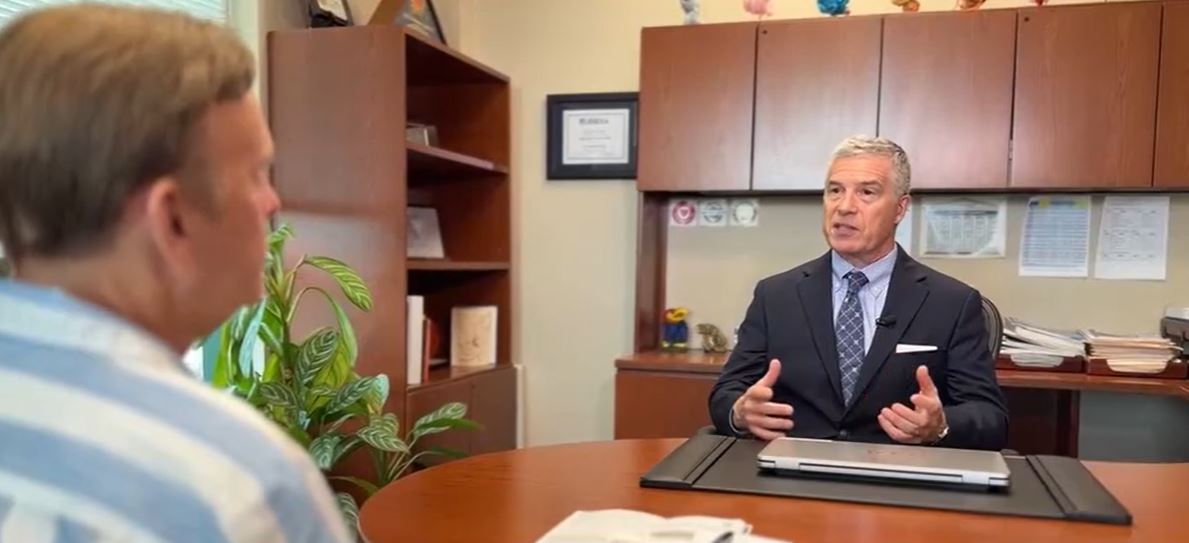
“Great Iowa Treasure Hunt is about more than dollars and cents,” said Roby Smith, the state treasurer of Iowa. “Every claim represents a family, a business, or an individual being reunited with money or property they may not have even known that was missing.

When asked what caused such a drastic change, Smith said it’s mainly thanks to efforts in spreading the word, the people helping to get the word out.

The office showed some memorabilia items in safekeeping, including baseball cards, trading cards, autographs and basketball cards, and an unauthenticated signed baseball from the Cincinnati Reds.

“These items belong to real Iowans and their heirs. And we’ve committed to finding the rightful owners and returning these one-of-a-kind keepsakes,” Smith said.

Smith acknowledged that many believe the treasure hunt to be a scam, but reassures Iowans that the best way to verify if you have property items missing is to search your name on the Great Iowa Treasure Hunt website.

Please note: This story was provided to CNN Wire by an affiliate and does not contain original CNN reporting. This content carries a strict local market embargo. If you share the same market as the contributor of this article, you may not use it on any platform.

Tracking cyclospora outbreak in the Kansas City metro | How can you protect yourself?

By Andy Alcock

Click here for updates on this story

    JOHNSON COUNTY, Kansas (KMBC) — Concerns are growing around the U.S. and the Kansas City metro due to a spike in a severe stomach bug.

Cyclospora, a microscopic parasite, is causing the issue.

The exact cause is unknown, but the best evidence suggests it’s coming from produce.

On Wednesday, Chef Sergio Lara with the Culinary Center of Kansas City shared his tips and demonstrated how he cleans fruits and vegetables.

There are a couple of ways: Put produce in a mix of one part vinegar to three parts water. Or, use two tablespoons of baking soda in water. Then, let the produce sit for five minutes in those mixes.

“So it’s going to wash off all the chemicals and all the bacteria,” he said.

As of Wednesday, the state of Kansas reported 55 confirmed cases, with 25 of them in Johnson County.

“This infection, generally speaking, is not terribly severe for, for healthy people, but for, for people with compromised immune systems, it can cause a risk for more severe disease,” said Charlie Hunt, Johnson County Health and Environment Department director.

The Missouri Communicable Disease Report, released Sunday by the Department of Health and Senior Services, lists 43 cases of Cyclospora in the state. The report does not break locations down by county. This number also differs from information provided by the CDC, which lists no confirmed cases for Missouri.

The best recommendations from Hunt and Lara include staying away from cut up produce at the grocery store, and washing what you do get thoroughly.

“We do serve a lot of people. Yeah. So that’s something that we actually started doing more often,” Lara said.

The Cyclospora outbreak is also happening across the country. The CDC issued a national alert Tuesday due to a spike in cases.

That federal agency reports there have been no deaths but 141 hospitalizations.

Please note: This story was provided to CNN Wire by an affiliate and does not contain original CNN reporting. This content carries a strict local market embargo. If you share the same market as the contributor of this article, you may not use it on any platform.