RSV can be confused for cold-like symptoms

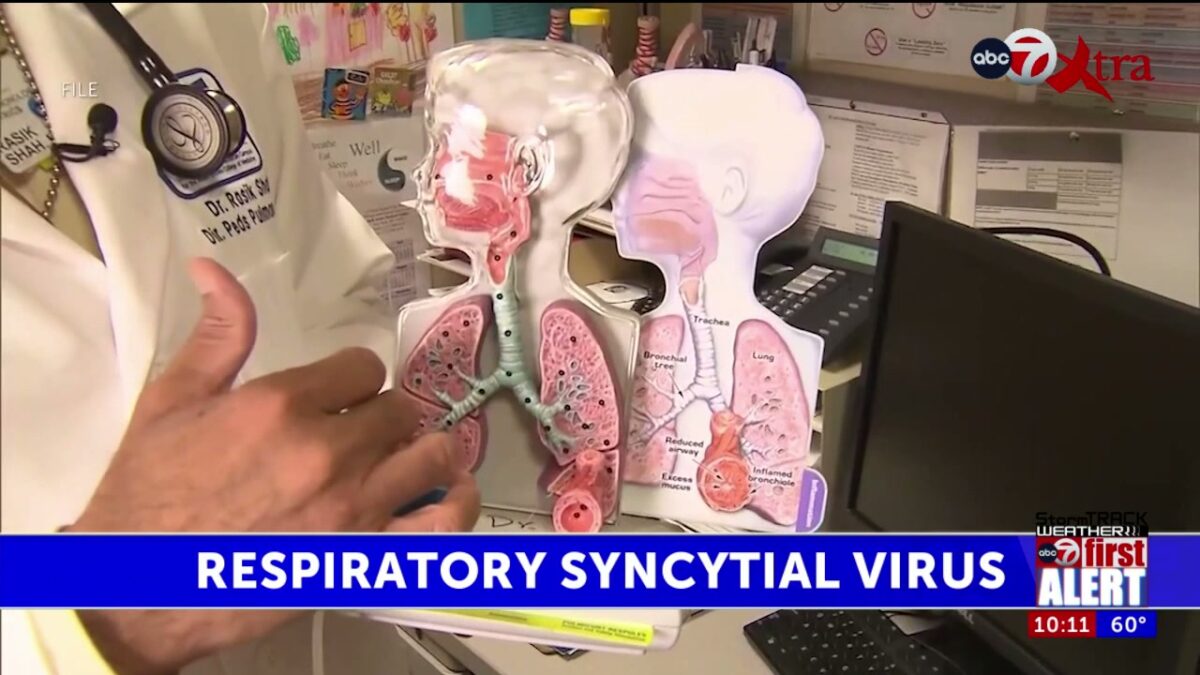
EL PASO, Texas (KVIA) — Respiratory Syncytial Virus (RSV) causes cold-like symptoms. Doctors say the similarity between symptoms can make it difficult to diagnose.
RSV affects the nose, throat, lungs and respiratory track. The virus usually shows up during the fall and winter, along with other upper respiratory viruses. Cases peak in December and January.
While there are vaccines to fight RSV, not everyone can get the shot.
Dr. Juan Felipe Fernandez, a pulmonary and critical care physician at Las Palmas del Sol, said there are three vaccines approved for use in adults and one being approved for use in pregnancy. There aren’t any approved for children, but there is an antibody approved for them.
The CDC recommends an RSV vaccine for all adults over the age of 75.
The RSV vaccine isn’t an annual vaccine like the flu shot. It should only be taken once because the effects last more than a year, according to the CDC.
Symptoms include: compromised airways (runny nose, coughing, wheezing), fever, chills and, in some cases, pneumonia.
A nasal swab test performed at a doctor’s office is used to determine if you have RSV.
Dr. Fernandez said the best prevention method includes wearing a mask if you are sick.
Click here to follow the original article.