Study on Missouri Cannabis suggests increasing market competition

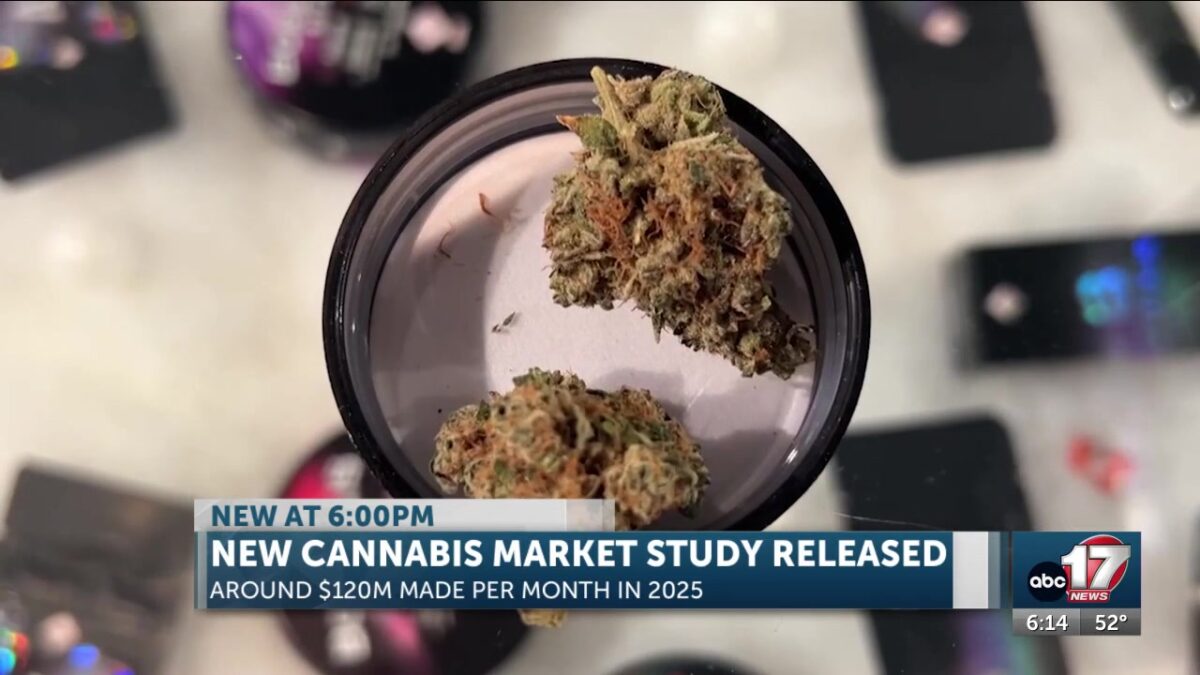
COLUMBIA, Mo. (KMIZ)
The Missouri Department of Health and Senior Services released a new survey Thursday examining the state’s cannabis market over the past year, with the study reporting room for growth.
The study, conducted by New York-based Cannabis Public Policy Consulting LLC, used data from 1,200 cannabis consumers over the past 35 months to observe market dynamics, purchasing behaviors and demand.
According to the Missouri Department of Health and Senior Services, medical cannabis sales have been on a slow decline as recreational use continues to increase. September sales for 2026 were a little over $119 million dollars, around $14 million dollars more than last year.
“Missouri’s success in capturing more than 90% of cannabis spending within the regulated market in just three years is a significant accomplishment,” CPPC Chief Executive Officer Mackenzie Slade said in a statement.
missouri_cannabis_market_study_report_202610DownloadAccording to the study, they found Congressional District 5, which largely covers the Kansas City area, greatly outpaced the state’s other congressional districts annually since 2023 by at least 5 million dollars. The lowest congressional district by the end of 2025 was District 1 at nearly $132 million that year. On average, each district made a little over $189 million in 2025.
The group found that around 93% of consumers participate in the legal marijuana market. The group also found that consumers tend to prioritize price and potency of the cannabis over the legal status of the seller. Medical cannabis patients also tended to spend more than other customers.
In their recommendations for future policy and to increase market competition, the group suggests removing cannabis licensing requirements by population and instead having licenses be given by consumer demand. The group also recommends tracking market concentration by ownership, rather than individual dispensary licenses both actions are meant to increase or better measure competition in an area.
“Increasing competition will continuously be a priority for all cannabis markets where consumers are prioritized, even if the market is effectively meeting demand,” Slade said. “A competitive market benefits consumers by encouraging businesses to continuously improve the products and services they offer.”
The group also recommends that cannabis alternatives like CBD and THCA be monitored. Due to low demand, legislative action isn’t suggested.
The group also suggests grants, tax breaks and faster permitting to encourage cannabis businesses to open in underserved communities. The group adds, however, that the state should be aware of potential negative effects of development on a community’s public health or environment.
Click here to follow the original article.