Deal reached to end horse carriage industry, New York City official says

By WABC News Staff
Click here for updates on this story
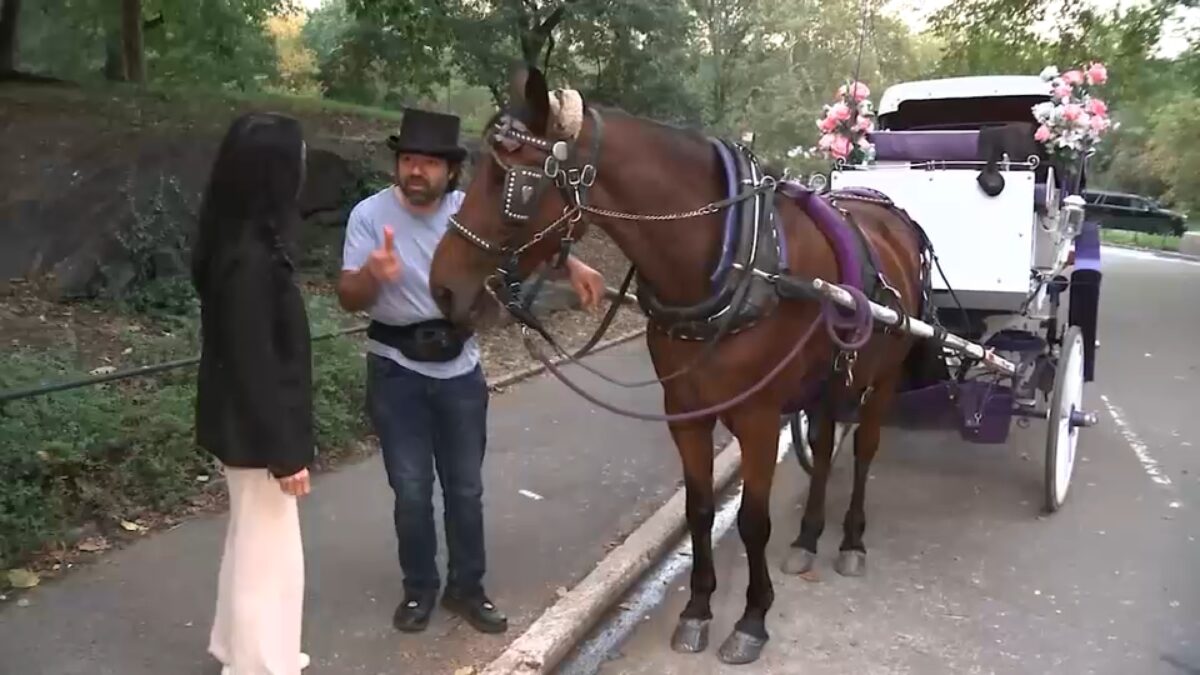
NEW YORK CITY, New York (WABC) — A deal has been reached to end the horse carriage industry, a city official says, with the mayor pushing for worker protections in the bill to be voted on next week.
The council is scheduled to vote on the bill Oct. 22, and it is expected to pass. The mayor also agrees with ending horse-drawn carriage rides and is expected to support the legislation.
The legislation includes provisions intended to help carriage owners transition out of the industry.
Councilman Chris Marte, the bill’s sponsor, said city agencies would be tasked with developing a transition plan for affected workers.
“We’re going to have agencies create a plan that they have to deliver to the mayor and the speaker, outline a potential new jobs for these workers financial assistance, even compensation for their medallion and horses as well. We wanted to make sure that this bill was a win win, that we protect horses, workers and the public at large,” Marte said.
City Hall issued a statement Tuesday saying officials have been working with those affected by the proposed ban.
“We have been working closely with the City Council, union partners, carriage drivers, animal welfare advocates, and community leaders to deliver a just transition that protects workers while ending horse-drawn carriages in Central Park once and for all.”
It is not yet clear what will happen to the horses.
Horse-drawn carriages have been a New York City attraction for more than 160 years, drawing tourists to Central Park.
Efforts to end the rides intensified following the death of a horse named Deniz this summer and the death of 18-year-old tourist Romanch Mahajan, who was riding with his family when a horse became spooked.’
Horse carriage unions, operators sound off on ban The horse carriage union remains concerned about what the ban would mean for its workers and the animals.
Transport Workers Union International President John Samuelsen said the bill does not have meaningful economic relief for workers.
“It only says the city should prepare a worker transition plan by April 2027 and include weak measures like job fairs and job counseling. It says the city should ‘consider’ financial compensation for carriage owners who spent hundreds of thousands of dollars to buy city-issued medallions and build up their businesses,” Samuelsen said.
He went on to say that Menin is using “the tragic death of a tourist to contrive a public safety crisis. This is disgraceful political opportunism, and Zohran should not simply go along with it, particularly when immigrant families’ livelihoods are being destroyed. This entire situation is reprehensible.”
Among those concerned is Ahmet Bilici, who has been giving carriage rides in Central Park for nearly 25 years. A trained veterinarian from Turkey, Bilici said he found work driving carriages after arriving in New York and has remained in the industry ever since. He now worries that his carriage medallion could become worthless if the ban takes effect.
“No way. I will fight for my horses, my family, my child. This is not cheap,” he said.
Horse carriage operators and union representatives argue the industry is heavily regulated and should not be shut down.
“We are a lawful, regulated business that’s been in business here in the park since 1858. We’re licensed and regulated by the city. And you cannot just take people’s medallions, their property, their small businesses, their licenses, horses and shut them down,” said Christina Hansen of the horse carriage union.
Joshua Sausville, a horse carriage owner, defended the treatment of the animals.
“The horses are getting a better life here than they’ll ever get anywhere else. That much I can promise. I don’t know who they think they’re helping, but they’re not helping any horses,” Sausville said.
Please note: This story was provided to CNN Wire by an affiliate and does not contain original CNN reporting. This content carries a strict local market embargo. If you share the same market as the contributor of this article, you may not use it on any platform.