Asheville leaders look to nature-based, traditional solutions to strengthen water system

By Shelly Garzon
Click here for updates on this story
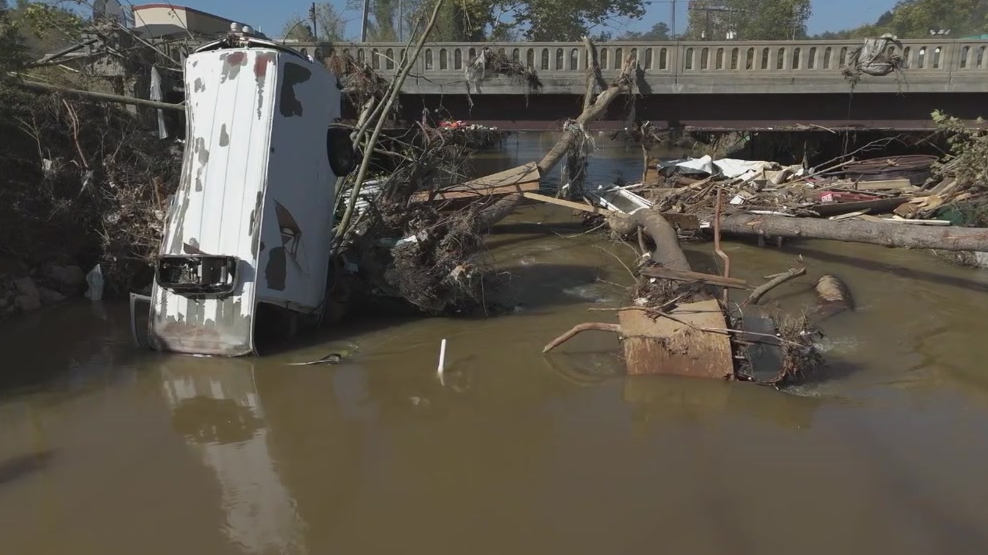
ASHEVILLE, N.C. (WLOS) — Helene exposed vulnerabilities in Asheville’s water infrastructure. Now, local leaders and environmental advocates say preparing for future storms will require looking beyond pipes and treatment plants.
Asheville City Council member Maggie Ullman recently brought Asheville’s experience to Climate Week in New York City, where she discussed how communities can become more resilient to extreme weather.
“A lot of times the conversation is about how to prevent climate change, which is extremely important, but what we’re really facing in many communities around the country is how to adapt and how to become more resilient,” Ullman said.
Ullman said that includes investing in natural systems alongside traditional infrastructure.
“They’ll build back the pipes that we’re missing, but we’re really advocating now for them to support us doing nature-based solutions. How we get our river riparians back so that we’re protecting our neighborhoods from the river flooding. How we build back our tree canopy so that that natural forest can do the protection and water quality work we want. That’s harder to get federal money for,” she said.
French Broad Riverkeeper Anna Alsobrook said forests and other vegetation can help protect water quality.
“Protecting our water system is a lot about improving infrastructure, but it is also a lot about restoring and rehabilitating the land around our waterways,” she said.
“When you’re in a forested area, the trees and the soils and all the shrubbery, their root systems can act like filters and filter out anything that might fall down in terms of rain or any kind of pollution,” she added.
Alsobrook said Helene also showed how restoration work can make a difference. She said previously restored sites held and slowed water better than areas that were already eroding or unstable before the storm.
But expanding those projects requires money.
“Those do require a good bit more funds. It’d be great to see more state investment to those types of projects. There is a pot of money that we can go after for those types of projects, but the demand for it is really high,” Alsobrook said.
Ullman is also advocating for FEMA to recognize nature-based solutions as recovery investments, including restoring damaged forests and stabilizing slopes in watersheds above Asheville’s reservoirs.
At the same time, she said Helene highlighted the need for redundancy in traditional infrastructure. Asheville is looking at building backup water lines outside the floodway to reduce the risk of future storm damage cutting off service.
Please note: This story was provided to CNN Wire by an affiliate and does not contain original CNN reporting. This content carries a strict local market embargo. If you share the same market as the contributor of this article, you may not use it on any platform.