San Luis native donates kidney to help brother battling kidney failure

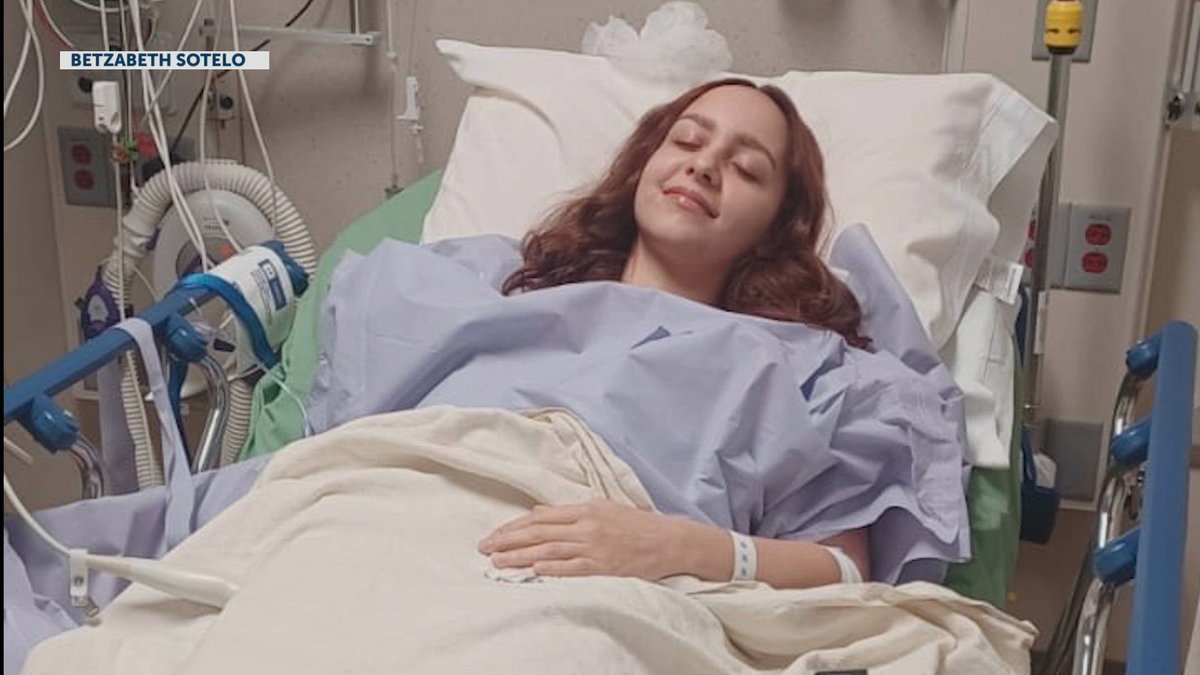
YUMA COUNTY, Ariz. (KYMA) – A San Luis native is sharing her story after donating her kidney in hopes of helping her brother, who has been fighting kidney failure since childhood.
Many people don’t realize that living kidney donation is a possibility, but for 28-year-old Betzabeth Sotelo, it became a reality.
It all started a few years ago, when Sotelo wanted to help her brother and became curious about donating.
“As we started growing and asking questions, I just wanted to know how bad it would be and how much risk I would really be putting myself in,” Sotelo said.
More than 100,000 people in the United States are waiting for a lifesaving organ transplant.
The average wait time for a kidney transplant is anywhere from one to five years.
Dr. Michelle Nguyen, an abdominal transplant surgeon with Mayo Clinic Arizona, explained the disparity between the number of patients waiting for transplants and the number of organs available.
“We only perform about 28,000 kidney transplants a year. Nearly 22,000 are from deceased donors, and 6,500 are from living donors. If you do the math, the vast majority of people on the list are waiting for years for a kidney that might never become available before they become too sick to be transplanted. So, there is a huge disparity between the number of patients and the number of organs available,” Dr. Nguyen said.
Although Sotelo went through the process of donating her kidney and discovered she wasn’t a match for her brother, everything worked out through the paired exchange program.
“That’s when they told me about the paired exchange program. That’s where they find a match to take your organ, and then they find a match for another living donor for the person you wanted to give your organ to,” Sotelo said.
Through the program, Sotelo was able to donate her kidney to another recipient, while her younger brother received a kidney from a matching donor.
Now, more than a year later, Sotelo is fully recovered and living her life as normal.
“The first question I get asked is, ‘How has your life changed? How has your health changed? Has your diet changed?’ And honestly, it’s not more than what an average person should be doing for their health,” Sotelo said.
As for her younger brother, he was matched with a donor a few months after Sotelo’s donation.
“He’s doing amazing. The first time around, there were rejections after he came out of surgery. This was through a deceased donor. This is why living donation is so important, because it tends to be more successful,” Sotelo said.
Click here to follow the original article.