E. coli outbreak tied to frozen berries sickens 17, hits Georgia and South Carolina

By Graham Cawthon
Click here for updates on this story
GEORGIA (WJCL) — Consumers in Georgia and South Carolina are being urged to check their freezers for recalled Great Value and GreenWise frozen berry products connected to an E. coli outbreak that has sickened 17 people.
Cases have been reported in Georgia and Florida, according to a Thursday update from the Food and Drug Administration. No illnesses have been reported in South Carolina, but recalled products were distributed to stores in both Georgia and South Carolina.
Six people have been hospitalized, and no deaths have been reported. Illnesses began in May and continued into early August.
The FDA and Centers for Disease Control and Prevention are investigating the outbreak with state and local health agencies. Officials linked the illnesses to organic frozen blueberries supplied by Frutas y Hortalizas del Sur S.A. of San Carlos, Chile.
Products sold at Publix in both states Publix recalled all lots of four GreenWise frozen berry products distributed to stores in Georgia, South Carolina and six other states:
GreenWise Organic Whole Blueberries, 10 ounces, UPC 41415-06453 GreenWise Organic Whole Blueberries, 48 ounces, UPC 41415-12053 GreenWise Organic Whole Mixed Berries, 10 ounces, UPC 41415-06753 GreenWise Organic Whole Mixed Berries, 48 ounces, UPC 41415-12153 The mixed-berry products contain blackberries, blueberries, raspberries and strawberries.
Publix stopped selling the affected GreenWise products by the end of June. The company announced a recall of all lots July 29 after the FDA raised concerns about blueberries used in additional products.
The GreenWise products also were distributed to Publix stores in Alabama, Florida, Kentucky, North Carolina, Tennessee and Virginia.
Great Value recall includes South Carolina A recalled Great Value berry product was sent to Walmart stores in South Carolina but was not listed among the products distributed to Georgia.
On Sept. 2, the Chilean supplier expanded its recall to include:
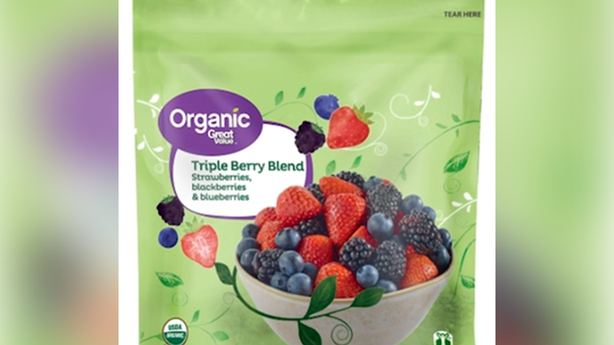
Product: Great Value Organic Triple Berry Blend Package size: 10 ounces Lot code: 6040 01-6 Best-by date: Feb. 9, 2028
The product contains strawberries, blackberries and blueberries.
It was shipped to Walmart stores in South Carolina and 15 other states: Alabama, Arkansas, Florida, Illinois, Indiana, Kentucky, Louisiana, Minnesota, Mississippi, Missouri, North Carolina, Ohio, Oklahoma, Texas and Wisconsin.
Federal officials cautioned that the products may have been distributed beyond the locations initially identified.
Investigation began after Florida reported illnesses The investigation began July 1, when the Florida Department of Health alerted the CDC to a cluster of E. coli O145 infections.
Interviews with patients pointed to GreenWise organic frozen blueberries sold at Publix as the leading food of interest. Publix then placed the products under an internal stop-sale order.
By July 6, investigators had identified 12 cases in Florida and Georgia. Four people had been hospitalized, and no deaths had been reported. Seven of nine patients interviewed said they had eaten frozen blueberries. Five specifically identified GreenWise organic blueberries purchased at Publix.
On July 3, the Chilean supplier recalled one lot of GreenWise Organic Whole Blueberries sold in 10-ounce packages. Those packages carry lot code 60401, printed as 6 040 01, and a best-by date of Feb. 9, 2028.
The FDA later reviewed records and contamination-control procedures at the supplier through a remote assessment. The agency identified concerns involving at least one other lot of blueberries used in additional GreenWise products, leading to Publix’s broader July 29 recall.
The recall expanded again Sept. 2 to include the Great Value Organic Triple Berry Blend. By Sept. 3, the outbreak had grown to 17 illnesses and six hospitalizations.
What Georgia and South Carolina consumers should do Consumers should not eat the recalled berries. Instead, they should throw the products away or return them to the store for a refund.
Anyone who removed frozen berries from their original packaging and cannot determine whether they are covered by the recall should throw them away, federal officials said.
Consumers, restaurants and retailers also should clean and sanitize containers, freezers, counters and other surfaces that may have come into contact with the recalled berries.
Retailers that repackaged recalled berries for individual sale should remove those products from the market.
Symptoms may appear days later Symptoms of an E. coli infection can begin within a few days of eating contaminated food, though they may take as long as nine days to appear. Symptoms include severe stomach cramps, diarrhea, fever, nausea and vomiting.
Some infections can cause bloody diarrhea or hemolytic uremic syndrome, a potentially life-threatening type of kidney failure. Other complications can include high blood pressure, chronic kidney disease and neurological problems.
Anyone who ate recalled berries and develops symptoms should contact a health care provider immediately.
The FDA’s investigation remains ongoing, and officials said the advisory will be updated as more information becomes available.
Please note: This story was provided to CNN Wire by an affiliate and does not contain original CNN reporting. This content carries a strict local market embargo. If you share the same market as the contributor of this article, you may not use it on any platform.