Ventana Wildlife Society warns lead poisoning is stalling California condor nesting in Central Coast

By Jazmon DeJarnette
Click here for updates on this story
CALIFORNIA (KSBW) — The California condor population on the Central Coast has dropped from 114 birds last year to 106, with conservationists citing lead poisoning as a persistent threat to the species’ recovery.
Many visitors travel to Pinnacles National Park hoping to see the iconic birds in the wild.
“We came all the way out here to, like, see animals like them and it’d be kind of sad if we didn’t,” one visitor said.
Conservationists say the decline is due to failed nests and adult deaths, with several condors dying this year from lead poisoning or complications during treatment.
Others remain missing or are still under investigation.
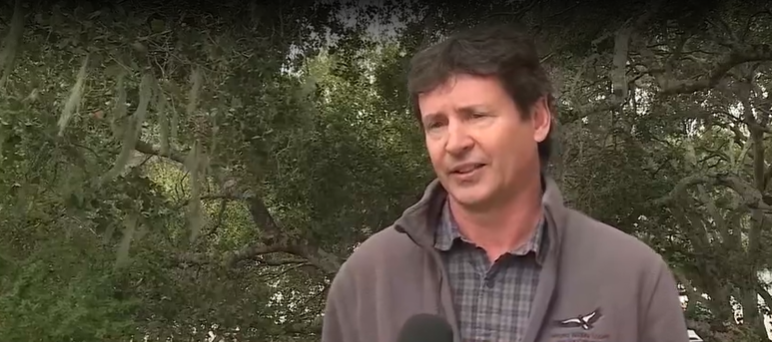
“We need better availability of lead-free ammunition across the state of California. The state of California requires the use of lead-free ammunition, but the market doesn’t support it,” said Kelly Sorenson, executive director of Ventana Wildlife Society.
The losses have also impacted the next generation of condors.
Pinnacles National Park monitored two nesting trios this year, but neither produced a chick.
“What we see, unfortunately, is a pair will be in the process of nesting, and one of them or both will get poisoned by lead poisoning partway through the nesting season. And when that happens, it can be devastating to the effort that these birds are trying to make in reproducing and carrying on their species,” Sorenson said.
Visitors expressed concern for the species’ future.
“In this day and age, we shouldn’t be at this point. Like we need to protect our species, and we have the intelligence as a country to be able to protect them and help preserve them,” one visitor said.
Another visitor added, “If there’s any way that people could help them, if that would be possible, that’d be great. But I just hope they keep fighting.”
Ventana Wildlife Society also highlighted the threat of avian influenza, or bird flu, which has severely impacted condors in Arizona.
“Thankfully, we haven’t had that kind of an impact here in California, and we were able to vaccinate almost 90% of the flock. So we’re hopeful that we won’t experience a big problem with avian influenza, but that’s always a possibility,” Sorenson said.
Despite this year’s setbacks, conservationists remain hopeful.
“We’ve got to improve the access to lead-free ammunition for all calibers for all hunters and ranchers. And then we’ll start to see California condors really taking off,” Sorenson said.
While the Central Coast flock has declined, decades of recovery efforts have brought the global California condor population to nearly 600 birds.
Please note: This story was provided to CNN Wire by an affiliate and does not contain original CNN reporting. This content carries a strict local market embargo. If you share the same market as the contributor of this article, you may not use it on any platform.