Cooling off in the pool? Experts say you should take extra caution as temperatures soar

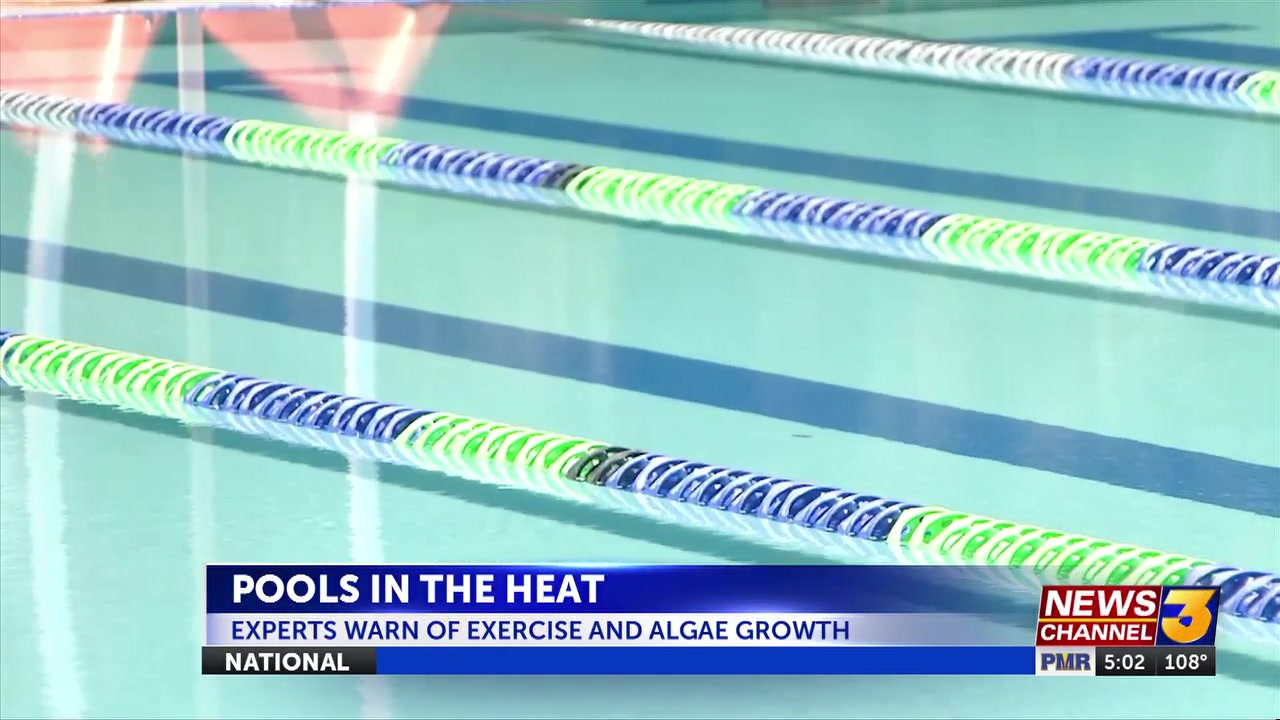
PALM DESERT, Calif. (KESQ) – With summer heat on full blast, many valley residents are looking to the pool to cool off.
But as the desert sun heats up pool water – and hot overnight lows keep that water from cooling down when the sun has set – a refreshing dip can feel more like a sauna.
The water temperature in your pool can easily climb well past 90°F during peak heat.
According to pool experts, excessively warm pool water, generally above 86°F, can accelerate bacteria and algae growth in the water. Swimming in water that’s too warm can lead to health impacts, like hyperthermia and heat stroke.
David Keyes, Aquatic Manager at the Palm Desert Aquatic Center, agreed. He urged anyone swimming in hot water to never do so alone.
“Do not enter a body of water, especially a warm body of water alone, because that could that could lead to fainting,” he warned. “There’s no one there to to help you to call 911 or to pull you out of the water.”
And for those exercising in warm water, he said swimmers’ bodies can take them by surprise. “A lot of people assume, ‘Oh, I don’t – I’m not sweating while I’m in the water,’ but that’s still happening.”
At the Aquatic Center, they’re forced to close the pools if the water temperature exceeds 104°F. Even then, they generally start placing warning signs around lap pools and other areas where swimmers exercise if the water begins pushing up into the 90s.
“People go in and have strenuous activities, like lap swimming or even water exercise. Depending on how hard you’re going in the class, you could end up potentially having a level of heat stroke,” he warned.
The Aquatic Center maintains their pool’s water temperature by using three large chillers. It drastically cools water, then pumps it back into the system, in an effort to keep water temperatures regulated. With the chillers on, Keyes said the water temperature is usually kept, on average, near 85°F. They work like swamp coolers, so in the dry heat, they work effectively, but with extra humidity, they start to be less effective. When that happens, water temperatures can push into the 90s.
The pool’s carefully balance mix of chlorine levels, pH, and alkalinity, though, prevent any bacteria and algae from growing at the center, despite the hot temperatures.
Mike Marshall, the Facilities Operations Manager at PDAC, has had more than three decades of experience with pools. He said homeowners in the desert often make these mistakes: “Everyone’s always looking to save a few bucks when it comes to at home operations. ‘Maybe I can run my pool a little bit less and save a few dollars, or maybe I cannot put as much chlorine in the water to save a few dollars.’ Those two X factors alone are the death of a swimming pool. Circulation is key.”
He also said testing your pool regularly can also prevent large algae blooms in the water. He also said purchasing a residential-sized chiller, like the ones used at PDAC, can be a good investment that will help regulate your pool’s temperature.
At the end of the day, he pointed to regular use and maintenance as the key.
“A pool that swam in is going to be much more easy to maintain and manage, as opposed to a pool that’s in a yard as a water feature,” he said.
Click here to follow the original article.