Yolo County declares local emergency over golden mussel invasion

By Brady Halbleib, Lyanne Wang
Click here for updates on this story
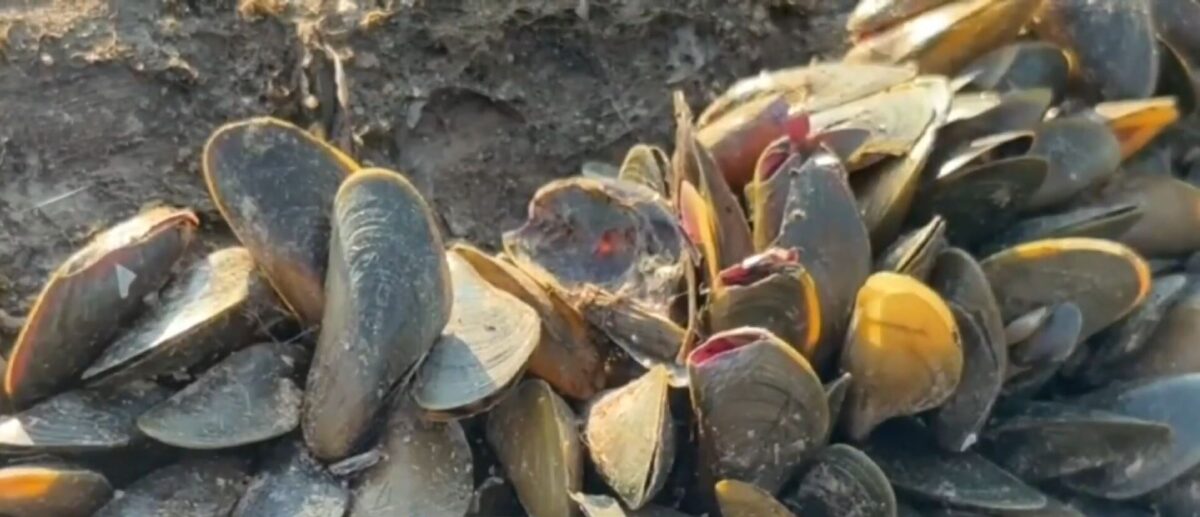
YOLO COUNTY, California (KOVR) — The Yolo County Board of Supervisors on Tuesday approved a local state of emergency declaration in response to the invasive golden mussel species.
The first North American detection of the species occurred in the Port of Stockton in October 2024, and the mussels have since spread as far north as West Sacramento, where they were spotted in the port last month.
Yolo County joins Sacramento, Kern, and San Joaquin counties in declaring local emergencies over the species. West Sacramento Mayor Martha Guerrero is calling for immediate action to remove the mussels as they overtake crucial city infrastructure, including drainage pipes and pump stations, putting the city at risk of flooding.
“Say there’s heavy rain. We have to get the water out of the city. We live in a bowl,” Guerrero said. “My concern is, the only way to be able to do that is by sending divers in.”
She hopes for the state to send resources soon, given that the longer the mussels spread, the more expensive it will become to remove them from water infrastructure.
“We need to get that immediately here in West Sacramento, in partnership with the reclamation district, to make sure those discharge pipes are clear.”
Guerrero says that Reclamation District 900, which oversees West Sacramento’s drainage system, is working with port leaders to address the issue.
The invasive species clog irrigation pipes and other water infrastructure, damage boats, and outcompete crawfish and native species, which decreases the food source for fish and other wildlife.
“They go into pipes and drains in areas where we are required to either bring in water or to pump water out,” Guerrero said.
Some researchers have also linked golden mussels to toxic algal blooms.
Officials call upon anyone who spots a golden mussel to report it to the California Department of Fish and Wildlife through its Report an Invasive Species Sighting page, emailing Invasives@wildlife.ca.gov, or by calling 866-440-9530.
Please note: This story was provided to CNN Wire by an affiliate and does not contain original CNN reporting. This content carries a strict local market embargo. If you share the same market as the contributor of this article, you may not use it on any platform.