Understanding addiction: A complex disease

Kaelyn Blessinger
IDAHO FALLS, Idaho (KIFI)– Anyone who hasn’t experienced addiction may struggle to understand how someone could become addicted to substances. They may believe those who use drugs lack moral principles and willpower when, in reality, addiction is a complex disease. These substances can rewire the brain in ways that make quitting extremely difficult, but not impossible.
“Recovery for me was really tough in the beginning,” Jamie Nicoletti, who is a part of The Center for Hope and has been sober over 2 years. “I didn’t get it my first try. It took quite a few tries over quite a few years.”
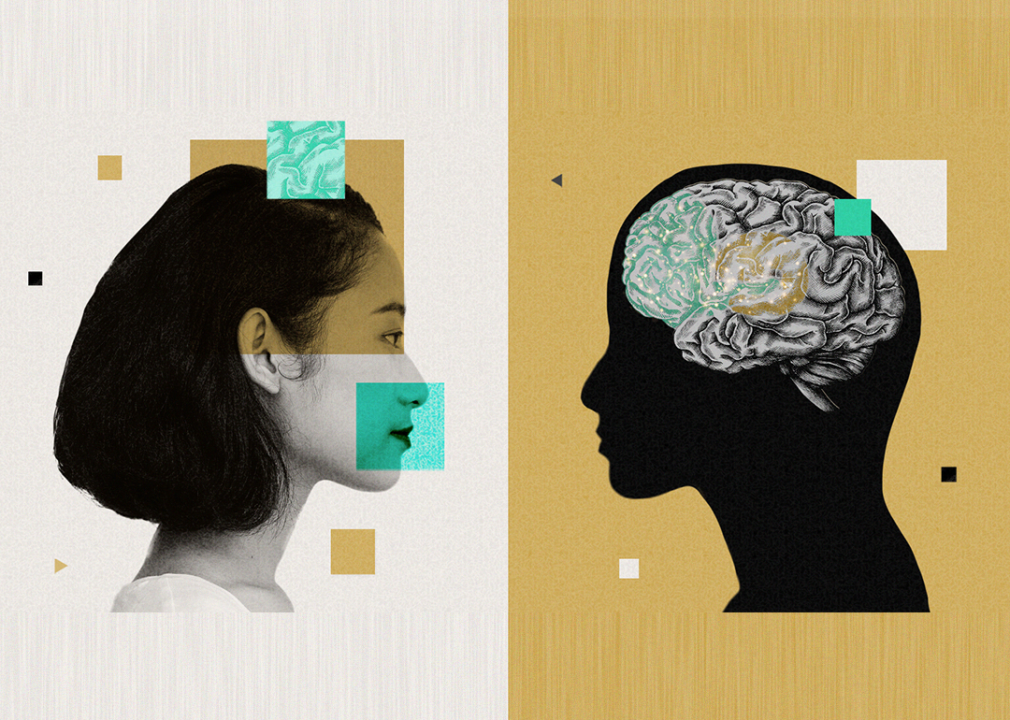
Most addictions affect the brain’s reward circuit, causing increased levels of dopamine to flood the brain. As a person continues to use drugs, the brain adapts by reducing the ability of cells in the reward circuit to respond. This can lessen the feeling of pleasure or the “high” the person once experienced. To try to regain that feeling, a person may begin using larger amounts of the substance and fall deeper into addiction.
Much like other chronic illnesses, there is no cure for addiction. However, it is treatable and can be successfully managed by people in recovery. Getting help and support and knowing you are not alone can make a difference.
The Center for Hope is a non-profit Community Recovery Center in Idaho Falls providing free addiction and mental health recovery support services to adults.
“We’ve all have lived experience in drugs or alcohol,” Donna Johnson, The Center for Hope has been sober over 12 years, said. “And so when somebody walks through the door for the very first time, we’re there to help. We can’t say we know exactly how you’re feeling, but we’ve been through it so we can help them with the process.”
They offer:
Conversations and Connections Discussions
Community Support Groups
Recovery Coaching
Peer Support
Access to computers, internet, WIFI
Social Activities
QPR 90 minute suicide prevention training
Community Resource Training
Educational Opportunities
Re-entry services following incarceration
Help is always available. If you are in crisis, call the Suicide and Crisis line at 988. You can speak with someone anytime.
There are many treatment and recovery clinics across the region that would love to extend a helping hand to those in need.
You can find recovery and treatment resources near you at FindTreatment.gov.