New California law requires allergen labeling at chain restaurants

By Anahita Jafary
Click here for updates on this story
SACRAMENTO, California (KCRA) — California will become the first state to require large chain restaurants to disclose the presence of the top nine allergens on their menus starting Wednesday, thanks to a new law known as Senate Bill 68, or the Allergen Disclosure for Dinner Experiences (ADDE) Act.
The law was championed by 10-year-old Addie Lao and her mother, Robyn Lao, who have worked to make dining out safer for people with food allergies.
“Labeling the top nine allergens on menus, which is really important for me in the allergy community. So it’s really hard to eat out safely without, like, without knowing what’s in your food,” Robyn Lao said.
Addie, who has severe food allergies, explained how her diet differs from others.
“Right now, I’m drinking like horse milk and donkey milk,” she said. “I’m having all these different nuts for my peanut and sesame allergy.”
Dining out has often been a challenge for Addie and her family, especially with dishes like dumplings.
“The stuffing always has sesame oil or most often does and so without labeling or good information, often times we ask the staff and they’re like not sure and they go and check or there’s a lot of like back and forth,” Robyn Lao said.
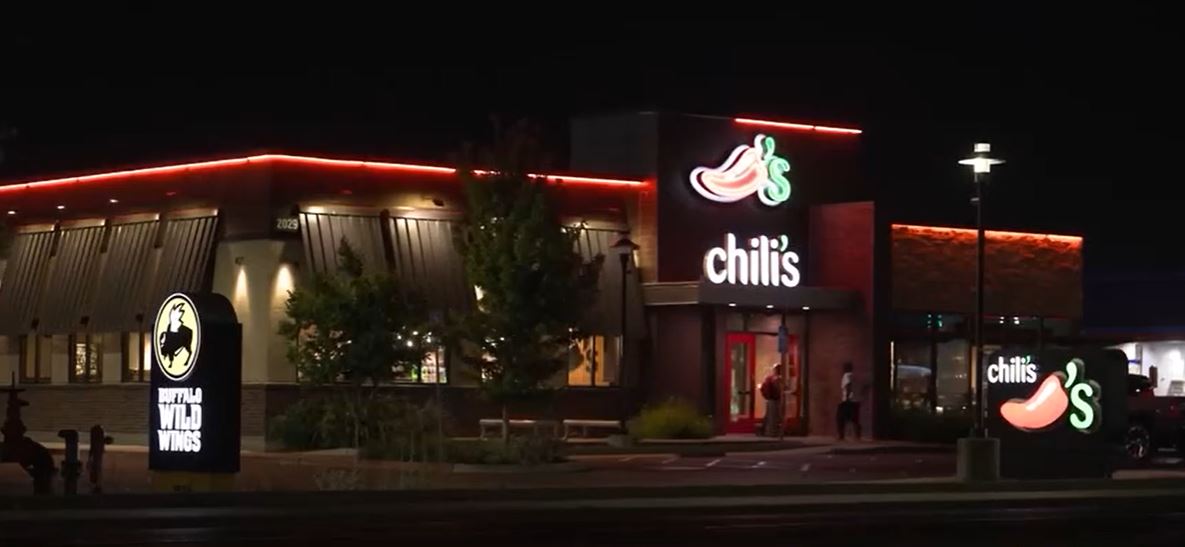
The ADDE Act requires restaurants with 20 or more locations to list if menu items contain milk, eggs, peanuts, tree nuts, fish, shellfish, wheat, soy, or sesame. Advocates say this transparency can make a significant difference.
Lucy Logan, co-founder of Everybite, a foodservice technology company that provides personalized, ingredient-first digital menus.
Everybite, which is partnered with the California Restaurant Association, highlighted the benefits for businesses and diners.
“You’re opening up more of a market for those guests that otherwise cannot and will not buy from you or go and visit one of your locations,” Logan said.
For Addie and others with food allergies, the law represents a step toward safer dining experiences.
“I think it just really helps them dine out safer. It makes them less scared to dine out,” Robyn Lao said. “I mean, you still have to be careful, but it’ll just be like a way to start the conversation.”
The ADDE Act goes into effect July 1, and Addie and her mom hope that one day allergen labeling will be required at all restaurants, not just chains.
Please note: This story was provided to CNN Wire by an affiliate and does not contain original CNN reporting. This content carries a strict local market embargo. If you share the same market as the contributor of this article, you may not use it on any platform.