South Florida shark diving operators push back against Florida Safe Seas Act: “There’s a huge double standard here”

By Bri Buckley
Click here for updates on this story
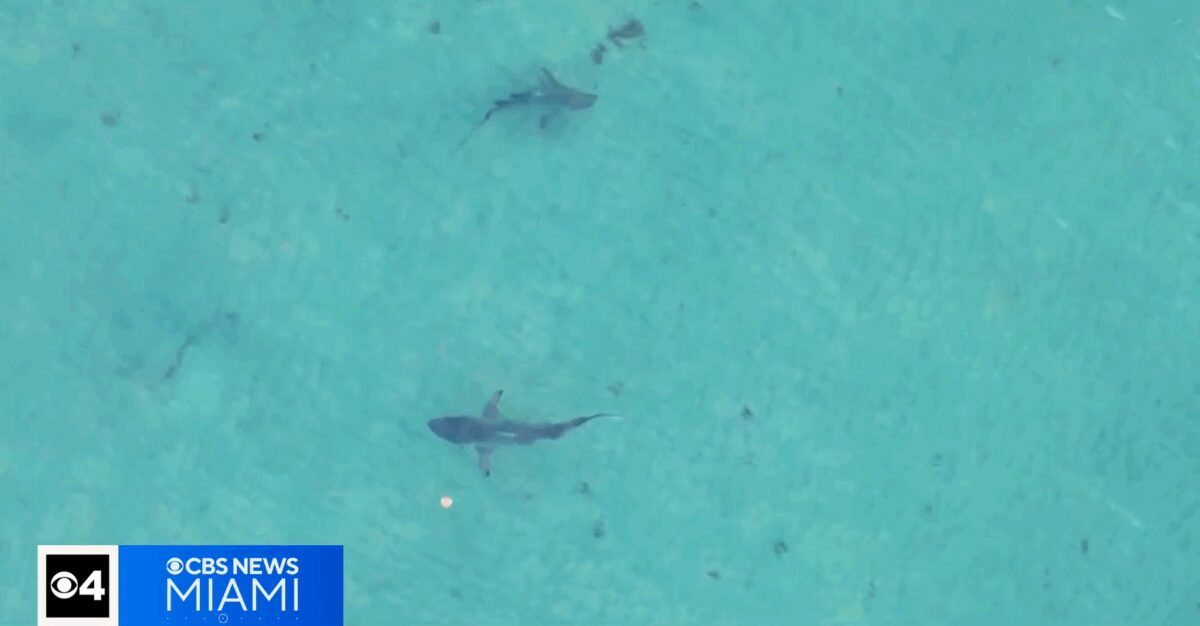
MIAMI, Florida (WFOR) — Shark diving operators in South Florida are raising concerns that a bill currently moving through Congress could wipe out their industry.
The Florida Safe Seas Act, which passed the U.S. House of Representatives earlier this month, is now headed to the Senate for consideration. If enacted, the legislation would prohibit the use of bait to attract sharks in federal waters off the Florida coast, though it would include an exception for shark fishing.
Supporters argue the bill will improve safety for swimmers, beachgoers, and anglers. Opponents, however, contend the measure would effectively dismantle the multimillion-dollar shark diving tourism industry in South Florida.
“This industry has created a natural guardianship for sharks; it is showing people that sharks are worth more alive than dead; it’s showing people the importance of sharks, really,” said Tanner Mansell, who operates Tanner Underwater Charters out of Jupiter.
Mansell argues that banning bait would leave operators with no viable alternative. “It would completely eliminate the industry because if we could go out there and swim with sharks without using bait, I would, I would be more than happy to do that,” he said.
He noted that his charters typically operate 3 to 4 miles offshore, well away from beachgoers, and argued that shark fishing from the beach presents a greater safety risk.
“So they’re taking the same chum that we use to attract sharks offshore, but you can put it on a hook and throw it at the beach and lure sharks in if you want to catch them right next to beachgoers, so there’s a huge double standard here,” Mansell said. He also disputed claims that dive charters are responsible for drawing sharks closer to shore, pointing to the high volume of recreational fishing boats in the area.
Conversely, the Bonefish & Tarpon Trust supports the legislation, citing the need to address shark depredation—a situation where sharks target hooked fish or fish being released back into the water.
“I think anything we can do to address the shark depredation issue is going to pay dividends in the long run,” said Kellie Ralston, the organization’s vice president for conservation and public policy.
Ralston highlighted research indicating that more than 40% of breeding permit fish, a key recreational fishery in the state, were being lost to sharks during the catch-and-release process. “I think couched in kind of this larger focus on shark depredation, I think we’re poised to see some really positive results out of this that’ll benefit our anglers, our boaters, our waters and our fisheries to be sustainable for the long term,” she added.
The bill is sponsored by Rep. Daniel Webster, R-Clermont. A spokesperson for Webster’s office stated that the legislation mirrors existing Florida state law prohibiting shark feeding off the coast.
“The bill would extend these protections to federal waters, aligning with existing federal law surrounding Hawaii and Pacific territories,” the spokesperson said. “With the bill passing the U.S. House of Representatives on June 2, it now goes to the Senate for consideration.”
Please note: This story was provided to CNN Wire by an affiliate and does not contain original CNN reporting. This content carries a strict local market embargo. If you share the same market as the contributor of this article, you may not use it on any platform.