DOE and INL announce success of first private advanced Nuclear Reactor test in decades

David Pace
IDAHO FALLS, Idaho (KIFI) — Following an afternoon briefing in the Oval Office where Energy Secretary Chris Wright promised a major announcement before the “sun goes down,” the Department of Energy (DOE) and Idaho National Laboratory (INL) have declared the “rebirth of America’s nuclear industry.”
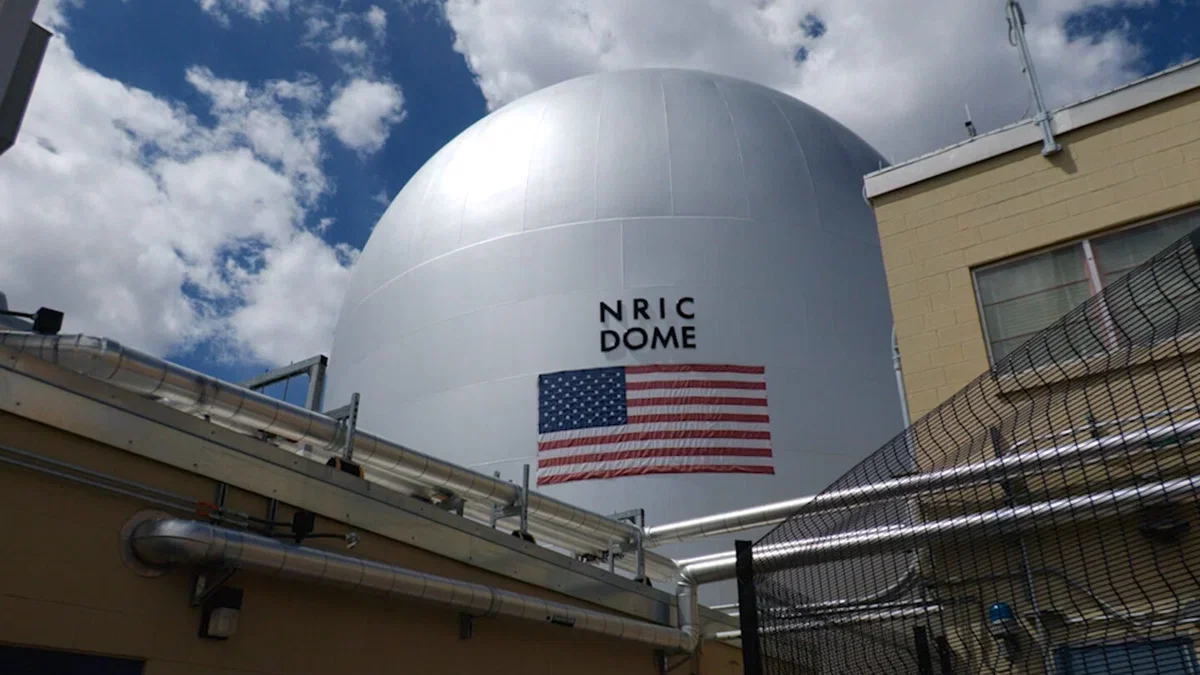
On Thursday afternoon, June 4, the DOE announced that the Los Angeles-based Antares Nuclear’s advanced reactor design, the Mark-0, completed a zero-power fueled criticality demonstration at the Idaho facility. In other words, the newly assembled reactor has reached a successful self-sustaining fission chain reaction.
“This milestone reflects years of focused work by Antares, the U.S. Department of Energy, and teams across Idaho National Laboratory,” said Idaho National Laboratory Director John Wagner. “Congratulations to everyone involved in reaching zero-power criticality and advancing the next era of nuclear energy.”
 Antares Nuclear’s advanced reactor design, the Mark-0. Courtesy Antares Nuclear.
According to the DOE, this successful test confirms the reactor can operate safely and “establishes a basis that would allow subsequent reactors to produce electricity in 2027 and beyond.” Developed under the DOE’s Reactor Pilot Program, the milestone marks a massive leap forward for small modular nuclear technology.
The Mark-0 is the first of several anticipated advanced reactors to achieve criticality ahead of the July 4th deadline established by President Trump in a May 2025 executive order.
“It is fitting that on the eve of our nation’s 250th anniversary, we are witnessing a historic moment for American energy,” said Secretary Wright in a release announcing the development. “For the first time in more than four decades, a new privately developed non-light-water reactor has reached criticality in the United States.”
This is a developing story. Local News 8 will provide additional updates throughout the evening.