Kansas farmers face tough wheat season amid drought, rising costs

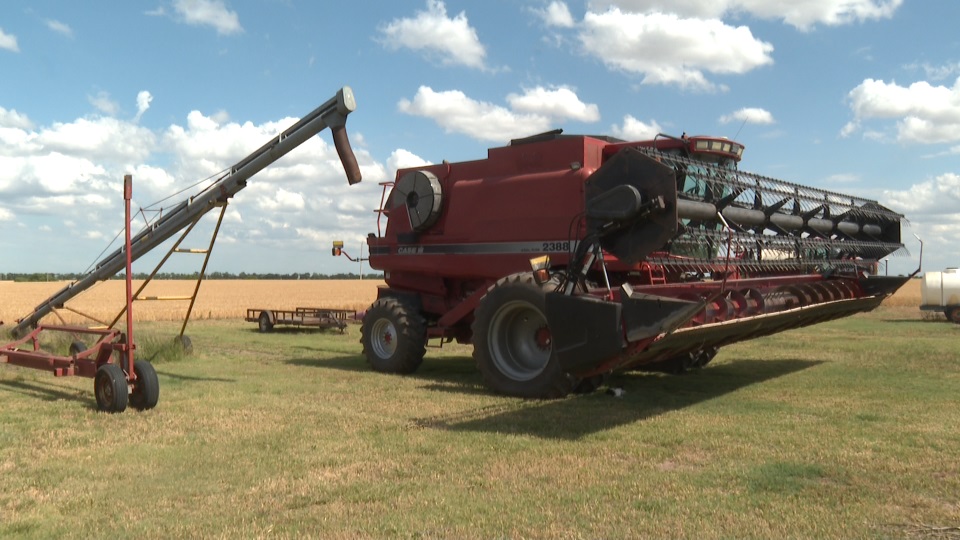
By Kate Devine
Click here for updates on this story
CONWAY SPRINGS, Kansas (KAKE) — Kansas wheat farmers are facing a difficult season as dry weather, extreme temperatures and rising costs take a toll on crops.
According to the USDA, wheat production is forecast to be down 21% from 2025 and could be the smallest crop since 1972.
Conway Springs farmer Bryan Bates said his wheat got off to a strong start in the fall, but conditions changed as the crop came out of dormancy.
“We had a real good start in fall. We had plenty of moisture in the fall. We came up good, looked good most all the winter, and then as it started coming out of dormancy, we were running out of moisture,” Bates said. “Late February would be coming out of dormancy, and then just very, very little rainfall in April and May when the crop needs it the most. We just didn’t have much at all. That has presented its own set of challenges.”
Bates said warmer-than-normal temperatures also hurt the crop.
“We’ve had warmer than normal temperatures during those times, some 90-degree temperatures in April, and maybe some 90-degree temperatures in March, just pretty much unheard of,” Bates said. “The wheat had its set of struggles.”
He said the drought has left much of the wheat shorter than usual.
“Our wheat crop usually should be a lot of times hip-high, and this year it’s knee-high, so there’s just a lot of that growth that didn’t happen,” Bates said.
Bates said harvest is also starting earlier than normal.
“In my life, we’ve only cut one time in May that I can remember,” Bates said. “More often than not, as a kid, I remember we would be starting harvest on Father’s Day, and so getting a start here end of May is unusual.”
He said a smaller crop can have a ripple effect across the Kansas economy.
“We don’t have as much wheat to sell, so consequently it affects the equipment dealers and that kind of thing,” Bates said. “When we have a short crop, then it trickles through the rest of the economy.”
Bates said he is still trying to stay optimistic.
“Farmers, I think, are always optimistic that the crop is going to be better than what it looks,” Bates said. “I’m hopeful that it yields better than it looks.”
Please note: This story was provided to CNN Wire by an affiliate and does not contain original CNN reporting. This content carries a strict local market embargo. If you share the same market as the contributor of this article, you may not use it on any platform.