Foxes, snakes, ticks, and more: Experts share what to do if you encounter animals amid increased wildlife activity

By Kelly Kendall
Click here for updates on this story
WINSTON-SALEM, North Carolina (WXII) — As warmer months bring increased wildlife activity in North Carolina, experts are sharing advice on how to safely handle encounters with local animals.
“For a lot of wild animals, this is breeding season,” Wildlife extension biologist Falyn Owens said.
“The mamas are out looking for food, and the babies are getting ready to leave the nest,” Davie County Animal Services director Lisa Nielsen said.
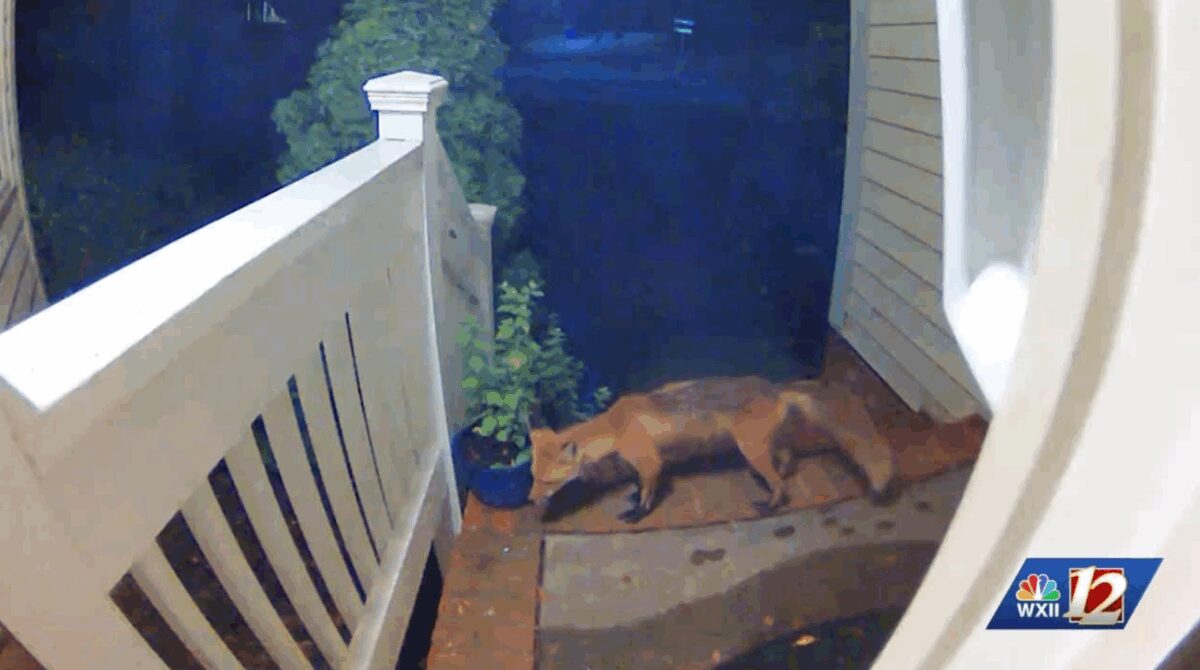
Residents may encounter animals such as cats, skunks, foxes, and raccoons more frequently during this time of year. Experts say it’s important to watch out for these mammals because they can transmit rabies to humans.
“The main rabies vector in North Carolina are raccoons,” Nielsen said.
Owens and Nielsen say it’s not unusual to see animals thought of as nocturnal during the day this time of year. However, people should watch for signs of strange behavior, including stumbling, drooling, aggression, or symptoms of brain damage such as seizures or paralysis.
“That is definitely an animal that you want to stay away from and potentially get help,” Owens said.
“If you’ve been bitten, try to keep eyes on the animal, because that way we can quarantine it for the ten days and hopefully keep you from needing rabies vaccines,” Nielsen said.
Nielsen says rabies vaccines can be expensive, but those who can’t afford them can apply for financial assistance through the North Carolina Department of Health and Human Services.
She added that the best way to prevent rabies from spreading is by vaccinating your pets.
Nielsen also emphasized the dangers of ticks, calling them “the scariest animal out in the woods.”
She recommended checking yourself and your clothes for ticks after spending time outdoors and using tick repellent beforehand.
“The repellent sprays are very effective,” she said. “And as long as you remove the tick within 24 hours, then it’s very unlikely that any diseases would be spread,” Nielsen said.
For snakes, the advice is simple: leave them alone.
“They’re secretive. They want to be left alone,” Owens. “And if you see any kind of snake, regardless of which kind it is, if you leave it alone, it’s going to leave you alone.”
Owens recommends being cautious around areas where snakes could be hiding, such as log piles, garden pots, piles of bricks or sticks, etc.
Owens says people may also come across more baby animals this time of year, such as newborn deer, bird fledglings, juvenile bunnies, and more.
“If you see a young animal that looks like it might be orphaned or abandoned, don’t assume that because the parents are not necessarily nearby all the time,” Owens said. “And if you try to help by picking it up or taking it inside, you could actually do harm, so always contact a wildlife professional before you try to intervene if you find a baby wild animal.”
Please note: This story was provided to CNN Wire by an affiliate and does not contain original CNN reporting. This content carries a strict local market embargo. If you share the same market as the contributor of this article, you may not use it on any platform.