Woman says small donation in parking lot turned into $5,000 ordeal

By Ben Simmoneau
Click here for updates on this story
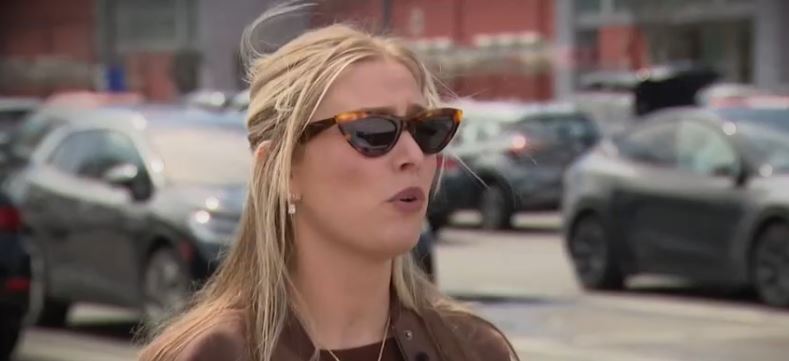
SOMERVILLE, Massachusetts (WCVB) — A Massachusetts woman says a quick stop at the grocery store turned into a $5,000 ordeal after she was targeted in a parking lot scam and then denied relief by her bank.
Ari Billias said the incident happened last October outside a Trader Joe’s in Somerville, where she was approached by people asking for a small donation for victims of gun violence. She agreed to contribute $20.
“It was pretty quick,” Billias said. “They were out there, they had their clipboards, gave a lot of information. Of course, you should stay vigilant and know who you’re donating to, but they caught me at the right time.”
When she pulled out her credit card to make the donation, Billias says the interaction took a troubling turn. She says the card was grabbed from her hand because of what she was told was a “processing issue.”
“I felt like something was wrong once the card was out of my own physical hands,” she said. “I was by myself, so it felt like the best thing to do was just report [it] after.”
Billias soon discovered what she says was a fraudulent $5,000 pending charge to an unfamiliar PayPal account on her Bank of America Mastercard. Billias called Bank of America right away — within 15 minutes — and opened a dispute, expecting the charge to be removed. Instead, the bank denied her claim six weeks later.
“I’ve been a customer for 12 years, never have had an issue,” she said. “Ultimately, it felt like it was my word versus the scammers in this case, and they did not side with me.”
Boston Police say similar parking lot scams were reported at other busy shopping locations around the same time, including outside a Walgreens and Whole Foods just a few weeks earlier. The incidents serve as a reminder for shoppers to be cautious when approached for donations in parking lots, especially when asked to pay with a credit or debit card.
Billias’ experience also raises questions about consumer protections for unauthorized credit card charges. Under the Fair Credit Billing Act, liability for unauthorized credit card transactions is generally limited to $50. Mastercard’s Zero Liability Policy goes even further, promising cardholders protection from unauthorized transactions if they used reasonable care to protect their card and promptly reported the issue.
Billias insists she never authorized a $5,000 charge, had never interacted with the PayPal account involved, and had no history of making purchases anywhere near that amount.
“Even just looking at my transaction history, I’ve never made a charge of that amount or close to it,” she said. “I’ve never interacted with this merchant.”
She also said she submitted multiple pieces of evidence to support her case, including the fact that the merchant name changed several times in her online account. According to Billias, the PayPal account was listed as a clothing store in Chicago, and the transaction was marked as in-person, even though other charges show she was clearly in Somerville at the time.
Billias also filed a police report.
In three separate denials, Bank of America told Billias only that it had confirmed her card was used for the charges and that “the chip was read, your PIN was entered, and/or you signed for the merchandise or service.” But when Billias asked for the records behind that conclusion, she was not provided proof that a PIN had been entered or a signature produced.
“I couldn’t find any documentation that this merchant exists as a business,” she said. “I don’t know what else I could do to resolve this after the fact.”
After NewsCenter 5 got involved, Bank of America reopened the investigation and reversed its decision, refunding Billias the $5,000. In her case, filing that police report was critical to getting her money returned.
It’s also a good reminder never to donate money — even using a credit card — without researching the organization first.
Please note: This story was provided to CNN Wire by an affiliate and does not contain original CNN reporting. This content carries a strict local market embargo. If you share the same market as the contributor of this article, you may not use it on any platform.