Oregon health officials share four food safety tips for holiday meals

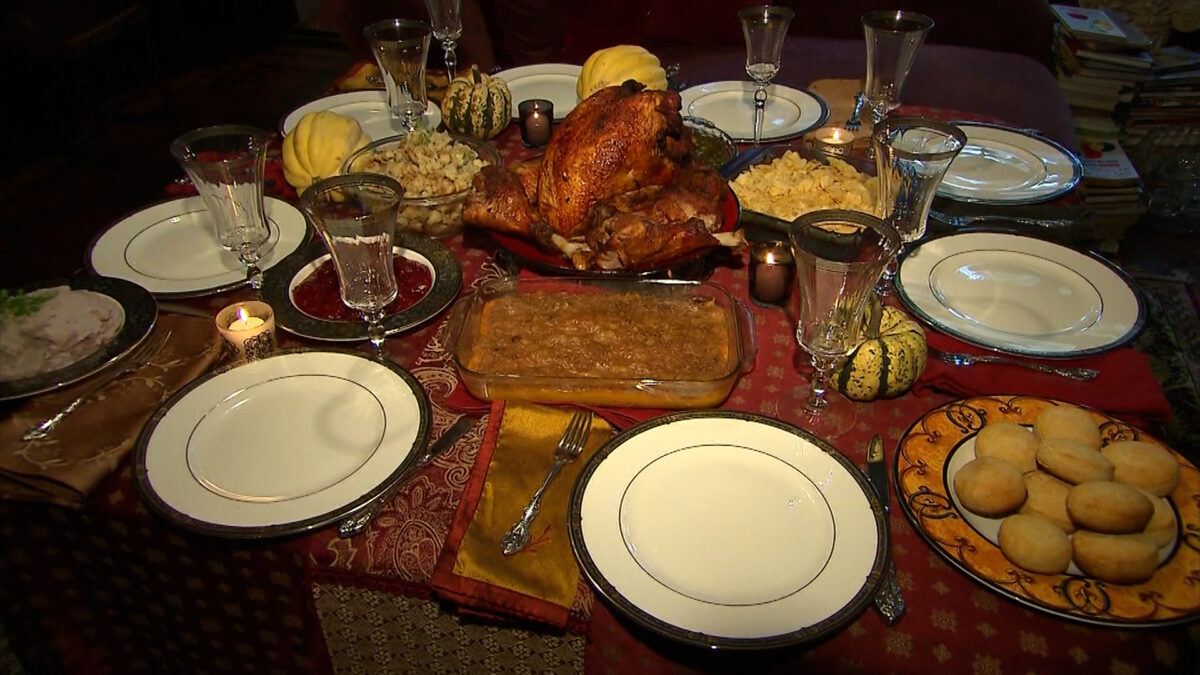
PORTLAND, Ore. (KTVZ) — As families across Oregon prepare for Thanksgiving and other holiday gatherings, health officials are reminding people to take precautions when handling and preparing food.
The Oregon Health Authority (OHA) is highlighting four simple steps recommended by the Centers for Disease Control and Prevention (CDC): clean, separate, cook and chill.
Emilio DeBess, a foodborne illness epidemiologist with OHA’s Public Health Division, says planning ahead and keeping the kitchen clean can help prevent foodborne illnesses and keep holiday gatherings safe.
“No one wants their holiday meal to be remembered as the source of an outbreak of a foodborne infection such as Salmonella, Clostridium or Campylobacter,” DeBess said.
According to the CDC, outbreaks of Clostridium perfringens occur most often in November and December. Many are linked to common holiday foods, including turkey and roast beef.
Turkey and other meats can also carry Salmonella and Campylobacter. These bacteria can spread to other foods through unwashed hands and contaminated kitchen surfaces.
Symptoms of these infections can include diarrhea and stomach cramps, with symptoms appearing anywhere from several hours to several days after exposure. Other symptoms may include nausea, vomiting, fever, headaches and loss of appetite.
OHA and the CDC recommend following these four steps when preparing holiday meals:
1. Clean: Wash hands and surfaces oftenWash your hands with soap and water for at least 20 seconds before, during and after preparing food, as well as before eating.
Always wash your hands after handling raw meat, poultry, seafood, flour or eggs. Clean utensils, cutting boards and countertops with hot, soapy water after preparing each food item. Rinse fresh fruits and vegetables under running water.
2. Separate: Prevent cross-contaminationKeep raw meat, poultry, seafood and their juices away from other foods while shopping and storing groceries.
Use separate cutting boards and plates for raw meat and poultry versus produce, bread and other foods that won’t be cooked. Store raw meat, poultry and seafood in sealed containers or securely wrapped to prevent juices from leaking onto other foods.
Health officials also warn against washing raw chicken. Poultry is ready to cook without washing, and rinsing it can spread germs to the sink, countertops and other foods.
3. Cook: Use a food thermometerThe only reliable way to know whether food has reached a safe temperature is to use a food thermometer.
Recommended minimum internal temperatures include:
Whole cuts of beef, veal, lamb and pork: 145 degrees, followed by a three-minute rest. Fish: 145 degrees, or until the flesh is opaque and separates easily with a fork. Ground beef and pork: 160 degrees. All poultry, including ground chicken and turkey: 165 degrees. Leftovers and casseroles: 165 degrees. 4. Chill: Refrigerate food promptlyPerishable foods should never sit at room temperature for more than two hours. If temperatures are above 90 degrees, food should be refrigerated within one hour.
OHA recommends keeping refrigerators at 40 degrees or below and freezers at zero degrees or below.
Warm or hot leftovers can be divided into smaller portions and placed in shallow containers before refrigerating. Small portions of hot food can safely go directly into the refrigerator and will cool more quickly.
Frozen food should be thawed safely in the refrigerator, in cold water or in the microwave. Never thaw food on the counter, where bacteria can multiply quickly as food reaches room temperature.
For additional guidance, visit the CDC’s Preparing Your Holiday Turkey Safely and Four Steps to Food Safety resources.
OHA has also published a video on proper food handling and preparation for holiday meals.
Click here to follow the original article.