SPECIAL REPORT: Bringing water to the borderlands

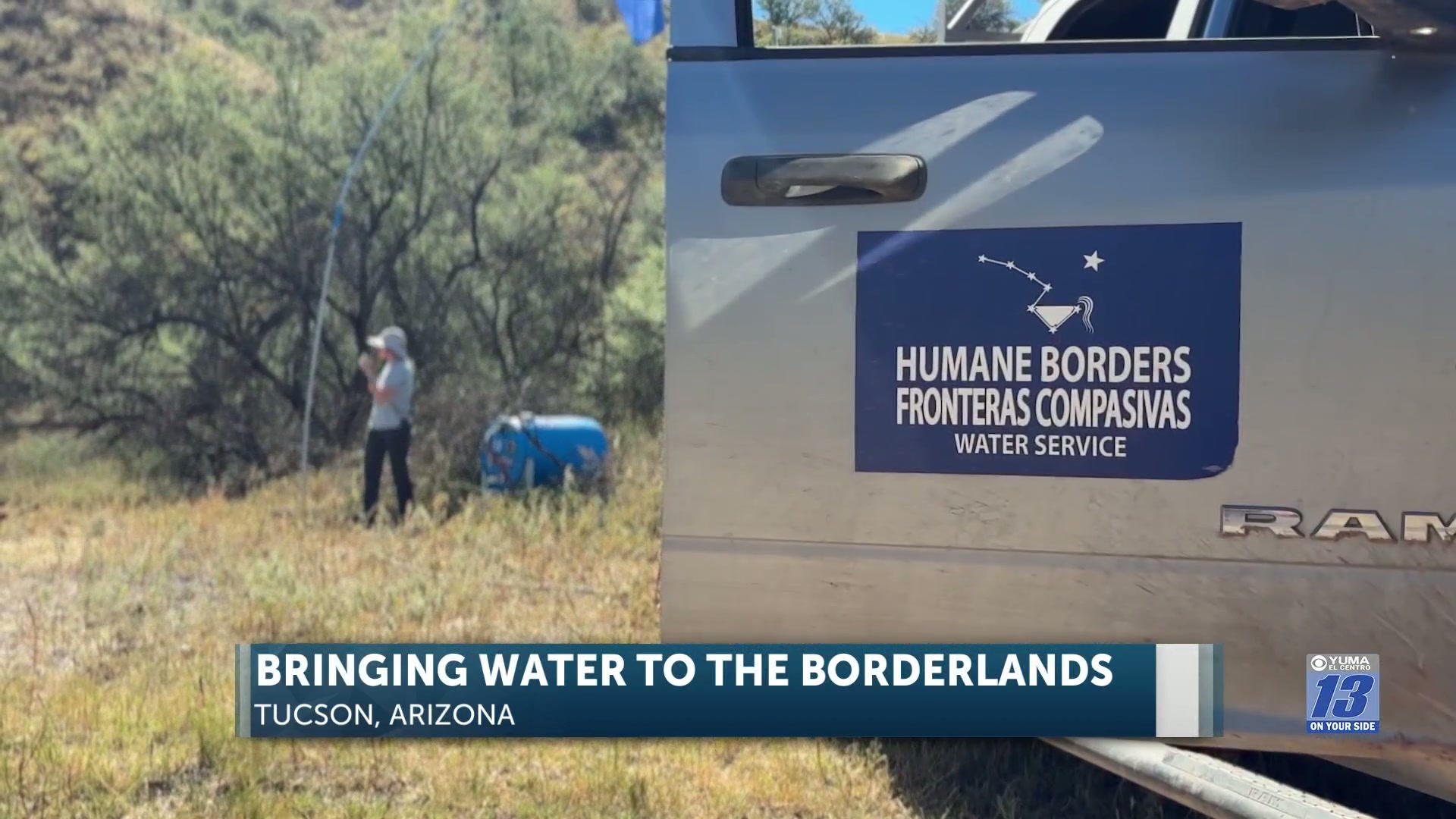
TUCSON, Ariz. (KYMA) – For more than 20 years, Humane Borders has maintained water stations across the Arizona-Mexico border, providing water in remote areas where people crossing the desert can face dangerous conditions.
The volunteer-run effort involves driving through rugged terrain, checking water barrels, testing water quality and regularly replacing supplies.
“The desert is a beautiful place, but an extremely intense place,” said Scott Larson, a Humane Borders volunteer.
The organization also tracks migrant deaths across the Sonoran Desert.
In Yuma County, Humane Borders has recorded 23 sets of human remains since 1990. Now, 12 of its federally permitted water stations are being removed.
Humane Borders says 17 sets of human remains have been found in the Organ Pipe area this year. Of the 101 remains recovered across Arizona in 2026, about 38% were found on federally managed land. That’s compared with a historical average of about 31%, according to the organization’s data.
Humane Borders Director Octavio Fuentes said the organization disagrees with the decision to remove the stations.
Government officials have argued that the stations attract migration, but Fuentes disputes that claim.
“We never place a water station if we don’t see death there,” Fuentes said.
The organization plans to continue its work through partnerships with local governments and private landowners. Fuentes said some landowners contact Humane Borders after finding migrant deaths on their property.
For volunteers, the work is about making water available to anyone who may need it.
“We might go weeks and months without anybody using our water. But then someone does, and it saves their life,” Larson said.
Click here to follow the original article.