No immediate issues in Mid-Missouri to occur from planned Iowa detonation, officials say

COLUMBIA, Mo. (KMIZ)
A planned Army detonation of five tons of lead azide in Iowa is raising concerns about potential environmental and health affects across the Midwest.
While Gov. Mike Kehoe indicated Monday that the impacts from that detonation should not have any effects on the central portion of the state, emergency management officials in Mid-Missouri say they already have plans and resources in place to respond to hazardous-materials incidents.
The Eighth District Circuit Court of Appeals on Monday lifted a previous stay, allowing the Army to move forward with the planned detonation. The court cited concerns that the deteriorating explosives could cause an uncontrolled explosion without the safety measures included in the Army’s permit.
President Donald Trump said he ordered the military not to proceed until the court allowed the operation and Iowa Gov.-elect Rob Sand agreed to it. The Army had most recently planned to conduct the detonation Wednesday, though no new date has been established.
For local emergency management agencies, the situation is unusual, but the possibility of a hazardous-materials emergency is something they regularly prepare for.
“Obviously, this one is a pretty unique situation. We don’t really usually plan for an ordnance explosion or disposal,” Cole County Emergency Management Director Mackinley Kennedy said. “But we do plan for like, hazardous materials incidents and everyday incidents like that. We do that through our local emergency operations plan.”
The emergency operations plan serves as a county’s playbook for responding to emergencies. Kennedy said the plan is reviewed with state and federal partners and regularly tested through training exercises.
One example involves a potential emergency at the Callaway Energy Center. Kennedy said Jason Gym at Lincoln University would serve as a reception center for people affected by an incident, where officials could conduct decontamination and additional testing.
“If there was an event at the Callaway nuclear plant, the Jason Gym at Lincoln University as a reception center for anybody that would be affected and would do some decontamination there and some other testing of any individuals that would come there. We do a functional exercise there with our partners at Lincoln and partners at FEMA,” Kennedy said.
Kennedy said Cole County has not had to use its hazardous-materials response capabilities during his time in the county. However, its regional hazardous materials response team has assisted other communities with leaks and spills.
“We have the regional hazardous materials response team. With that, we’ve had the opportunity to go to other counties and assist them with some of those hazardous materials, either leaks or spills,” Kennedy said.
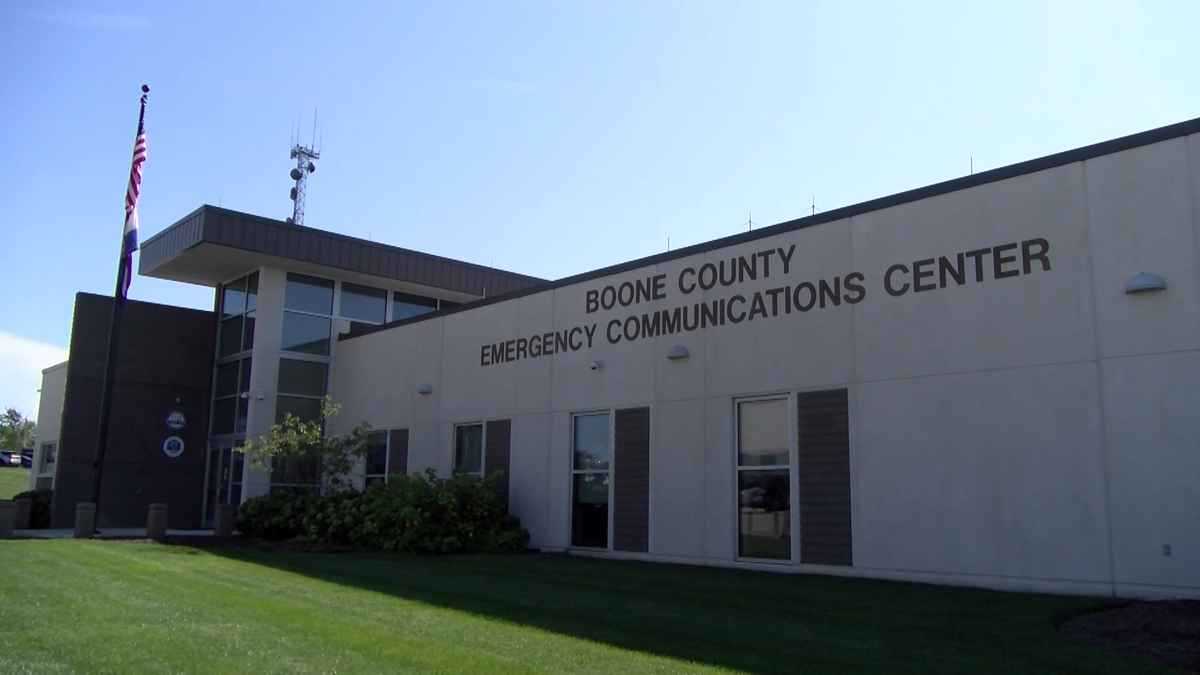
In Boone County, the Emergency Operations Plan outlines how local agencies would coordinate a response, with assistance from neighboring communities and state and federal partners if necessary.
The county’s hazardous-materials plan establishes different levels of response depending on the severity of an incident. Smaller emergencies may be handled by local first responders, while larger incidents could require regional hazardous-materials teams, additional jurisdictions and state or federal assistance.
The plan also outlines possible protective actions for the public, including sheltering indoors or evacuating an affected area. Emergency alerts could be sent through Boone County’s RAVE notification system, along with information distributed through local media and social media.
Boone County officials say the Iowa situation has prompted communication with local public health partners, the Missouri State Emergency Management Agency and the National Weather Service. The county has not received information identifying it as an affected area, and no local protective actions are being recommended.
The county also regularly works with public safety, fire, health care and hazardous-materials partners on training and exercises. Its plan calls for an annual exercise to test emergency procedures and identify areas where preparedness can improve.
Despite the attention surrounding the planned detonation, Kennedy said officials in Cole County are not currently taking additional action.
“This is pretty well a non-event for central Missouri at the moment,” Kennedy said. “We’ve been monitoring the situation but haven’t been moving on any assets or anything like that.”
Click here to follow the original article.