IID keeps water limits in place, leaving 160,000 acre-feet in Colorado River in 2026

IMPERIAL, Calif. —(KESQ) The Imperial Irrigation District (IID) Board of Directors voted Tuesday to maintain limits on agricultural water use through the end of 2026, a decision expected to reduce Colorado River water consumption by approximately 160,000 acre-feet, or 52 billion gallons.
The decision preserves existing limits under IID’s Equitable Distribution Plan (EDP), rather than allowing growers to order additional water and potentially expand agricultural production.
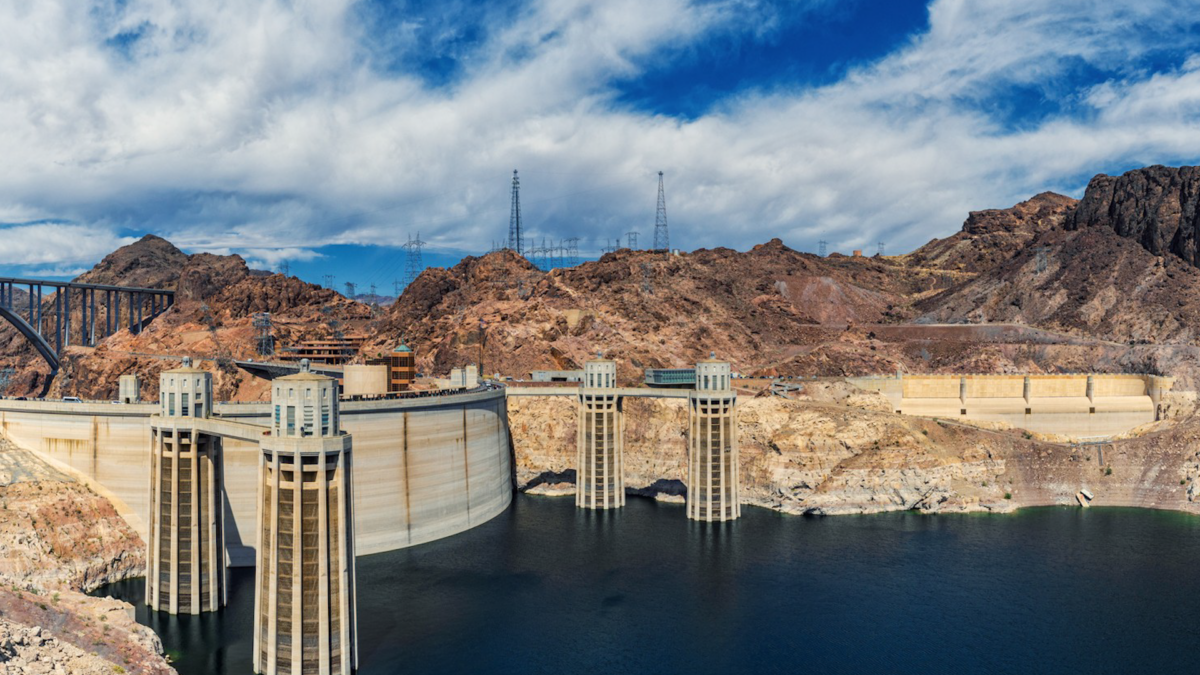
According to U.S. Bureau of Reclamation projections, the reduced water consumption could help raise Lake Mead’s elevation by more than 2.5 feet, provided the water is not diverted by a junior-priority water user.
IID Board Chairwoman Karin Eugenio said Imperial Valley growers have helped protect the Colorado River for decades, emphasizing the importance of balancing conservation with the needs of agricultural communities that produce food for the nation.
The latest action adds to IID’s longstanding conservation efforts. Since 2003, the district and Imperial Valley farmers have conserved nearly 10 million acre-feet of Colorado River water through irrigation improvements, agricultural efficiencies and voluntary conservation agreements.
IID also anticipates adding more than 900,000 acre-feet in conservation by the end of 2026 through federal system conservation agreements. Those efforts are projected to have raised Lake Mead’s elevation by more than 13 feet over the past four years.
With new Colorado River operating arrangements expected in 2027 and 2028, IID plans to evaluate additional opportunities to reduce water demand while protecting local agriculture.
General Manager Jamie Asbury said the district remains willing to pursue additional conservation partnerships with state and federal agencies, particularly voluntary programs that compensate growers for reducing water use.
IID emphasized that future conservation efforts must account for investments in agricultural efficiency, the economic impacts of reduced production and environmental considerations.
The estimated 160,000 acre-feet in reduced consumption is based on current federal projections. The final amount will depend on actual water use and verification of conservation results at the end of 2026.
Click here to follow the original article.