Questions abound where Flock cameras and Missouri Sunshine Law meet

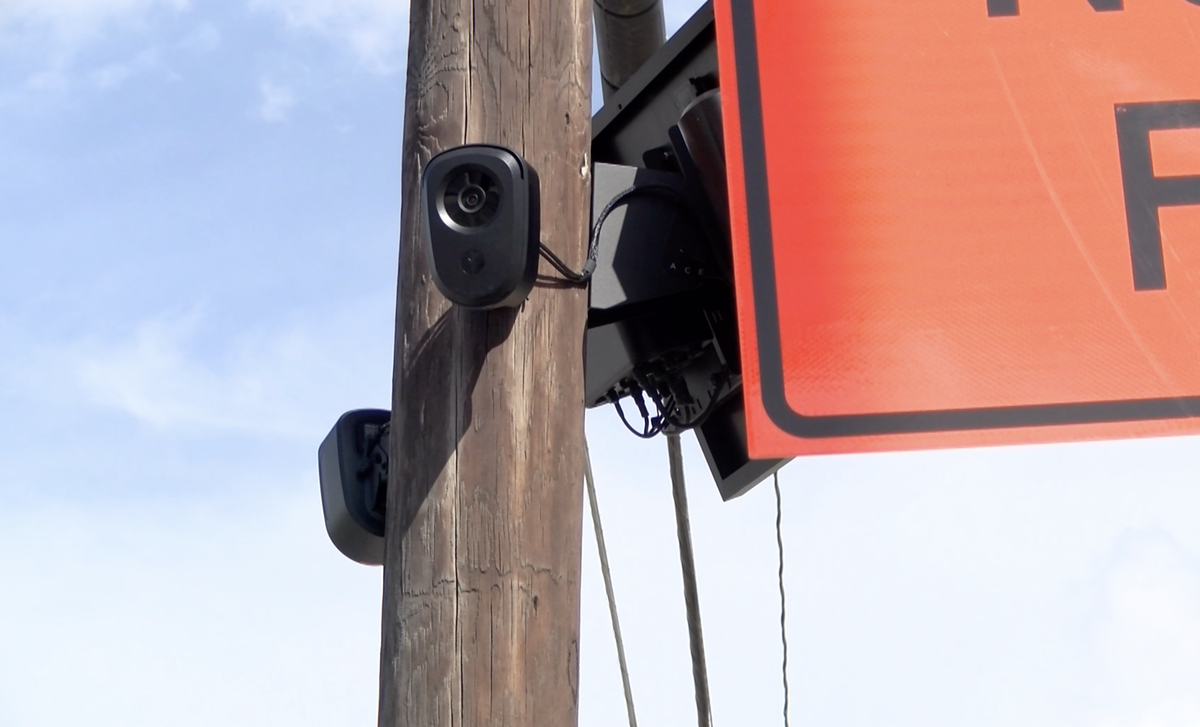
COLUMBIA, Mo. (KMIZ)
Surveillance technology continues to advance year after year, yet laws governing the sharing of collected data have not necessarily kept pace.
In Missouri, the public can use the Missouri Sunshine Law to request access to certain government records, including those related to public surveillance cameras.
Flock cameras have become a growing topic of controversy in Mid-Missouri and across the country, raising concerns about transparency, privacy, public access to collected data, and potential misuse of the system.
Accessing Flock camera data under Missouri’s Sunshine Law is not always straightforward. While the law provides public access to many government records, certain exemptions may limit what information can be released, particularly when law enforcement records are involved.
The Sunshine Law applies to all records, regardless of the format in which they are maintained, as well as meetings of public governmental bodies, regardless of how the information is held.
The law also requires public governmental bodies to respond to Sunshine Law requests within three business days of receiving them. If a request cannot be fulfilled within that time, the entity must provide a detailed explanation for the delay and indicate when the requested records are expected to be available.
The Missouri Sunshine Law was created in 1973 and applies to two types of entities — public governmental bodies and quasi-public governmental bodies, according to the Missouri Attorney General’s Office.
Public governmental bodies include:
State and local government School districts Certain entities created by state law or local ordinance Advisory committees or subcommittees that report to a larger governmental entity.The Attorney General’s Office defines quasi-public governmental bodies as persons or corporations whose primary purpose is to enter into contracts with public governmental bodies or perform certain public functions. A city-operated hospital would be considered a quasi-public governmental body.
However, there are specific provisions governing access to law enforcement and judicial records.
On Sept. 16, Gov. Mike Kehoe issued Executive Order 26-18.
The order establishes strict safeguards on the use of automated license plate reader technology, including Flock Safety cameras, to prevent the misuse of the personal location data of Missourians while preserving legitimate law enforcement uses of the technology.
Until the General Assembly establishes a permanent statutory framework, the executive order requires the following minimum standards:
Requiring most license plate and vehicle data to be permanently deleted within 30 days; Prohibiting vendors from selling, sharing, or commercializing Missouri-generated data; Limiting the use of automated license plate reader technology to legitimate criminal justice and lifesaving purposes; Requiring accountability measures to prevent and penalize misuse; and Prohibiting the integration of artificial intelligence facial recognition technology with plate reader systems.Under Missouri’s Sunshine Law, data collected through Flock Safety cameras may be subject to public records requests when the information is maintained by a public governmental body.
This means members of the public may request records related to the cameras’ use, including information about camera locations, agency policies, contracts and certain data collected by the system.
However, access to the information is not guaranteed.
Missouri law provides specific exemptions for certain law enforcement records. The law states that public agencies may close certain investigative information, surveillance techniques and GPS data when they determine that releasing the information could endanger the health or safety of an individual or the public.
Additionally, there are separate rules for law enforcement records. Generally, arrest and incident reports are open records, but investigative reports can remain closed until an investigation becomes inactive.
This raises questions about transparency when it comes to how Flock camera records are classified and whether information collected is considered an investigative record, surveillance or another type of government record.
Columbia has 114 Flock cameras throughout the city. The Columbia City Council voted on Nov. 9 not to automatically renew its contract with Flock.
Watch ABC 17 News after the CMA Awards on Wednesday for a look at how local agencies responded to our Sunshine requests
Click here to follow the original article.