New hemp restrictions affect Missouri businesses

JEFFERSON CITY, Mo.
New state restrictions on hemp-derived THC products are affecting businesses across Missouri, with some owners saying they’re being forced to close.
Missouri House Bill 2641 changes how the state regulates hemp-derived cannabinoid products, including THC-infused beverages, gummies and other products.
Cannabinoids are chemicals found in cannabis plants, including hemp. THC (tetrahydrocannabinol) is the compound that can make a person feel high. CBD (cannabidiol) is another cannabinoid often used in products marketed for pain relief, anxiety and sleep.
Under the new restrictions, many intoxicating hemp-derived products are now considered marijuana and generally can only be sold through state-authorized marijuana facilities, such as licensed dispensaries.
The Missouri Department of Health and Senior Services says hemp-derived products with higher levels of intoxicating cannabinoids are now considered marijuana and generally must be produced and sold by businesses licensed under the state’s marijuana program. However, certain hemp products, including non-intoxicating products like CBD, can still be sold outside licensed marijuana facilities.
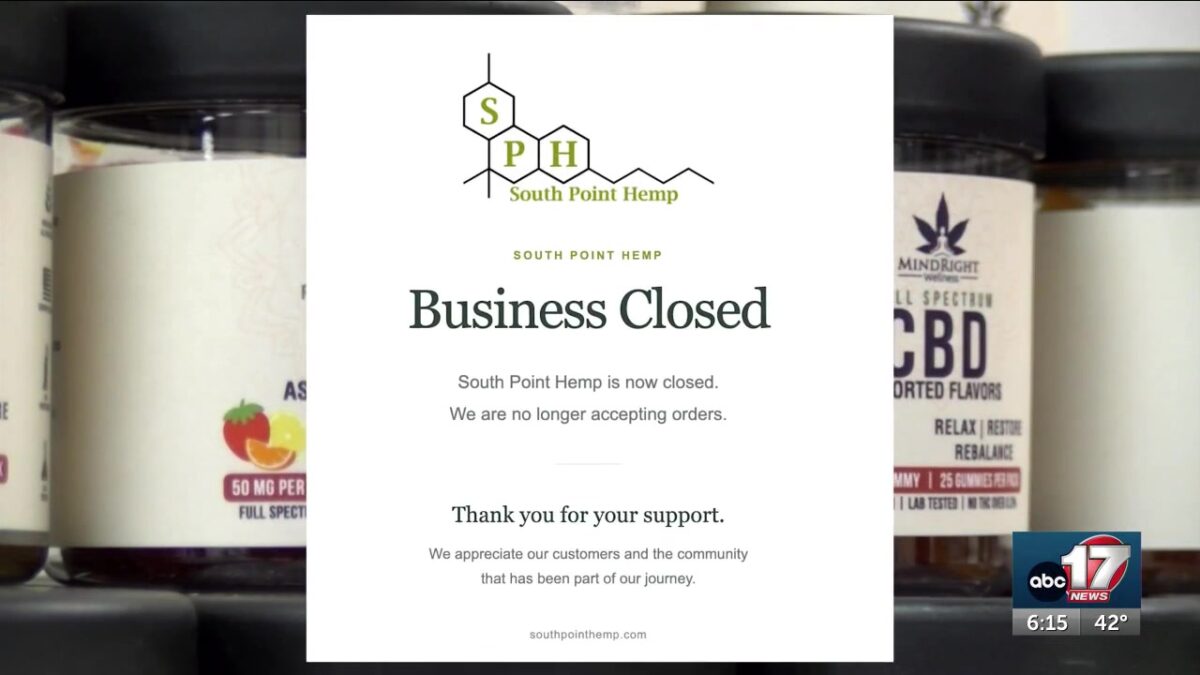
In Union, Missouri, Brian Riegel, co-owner of South Point Hemp, said Wednesday was his business’s last day selling products. The company has operated since 2020.
Riegel said the law is confusing and overly restrictive, making it difficult for small hemp businesses to continue operating.
He said his company grew hemp on his dairy farm through a federally authorized program and extracted CBD and other cannabinoids to make products such as chocolates, fruit chews, gummies and salves.
Riegel said most of his products contained lower doses of THC and were marketed toward customers seeking relief from issues such as pain, arthritis and sleep problems. He also uses some of the products himself.
“This stuff’s a game changer for people. Like, I got arthritis in my feet. The arches of my feet are upside down from your arches. I don’t walk without CBD, or I got to be sitting there chucking down Aleves or ibuprofens or Tylenol or a combo of those all day long. My gut ain’t going to handle that for the rest of my life,” Riegel said.
Riegel said closing the business meant laying off five to six employees. He also said he is left with a significant amount of inventory he can no longer legally sell.
In Columbia, Ethan Jones, owner of MindRight Wellness, has also announced on Facebook that he is closing his business, citing the new state restrictions. In Facebook posts, Jones has been posting about trying to sell off his remaining inventory.
But Jack Cardetti, a spokesperson for the Missouri Cannabis Trade Association, said the new restrictions are intended to bring Missouri law in line with federal law.
Cardetti said a loophole in the 2018 federal Farm Bill allowed some businesses to sell intoxicating hemp-derived products outside the state’s regulated marijuana market.
He said the law now draws a clearer distinction between non-intoxicating hemp products, such as CBD, and products that contain enough THC to be considered marijuana.
CBD products will remain legal and available outside dispensaries. But Cardetti said people seeking intoxicating products should purchase them through Missouri’s licensed marijuana businesses.
Cardetti also said businesses selling intoxicating hemp products were not subject to the same testing requirements or marijuana taxes as licensed dispensaries.
He pointed to hemp flower products, including pre-rolled joints, as an example of how businesses used the previous definition to sell intoxicating products outside the regulated market.
Cardetti said some sellers argued the flower was not intoxicating until it was burned.
“What they argue is it is not intoxicating, until it is burnt, right? Until you put flame to it…obviously, that was ridiculous,” Cardetti said.
Cardetti said the new restrictions are intended to improve consumer safety by requiring intoxicating products to go through Missouri’s regulated marijuana system.
“When you go into a dispensary in Missouri, every one of those products has been tested by a third party to ensure to ensure that it is safe for consumption, whereas almost none of these intoxicating hemp products that were being sold in gas stations have been tested,” Cardetti said.
He encouraged people who previously purchased intoxicating hemp products outside dispensaries to visit a licensed dispensary and ask staff about available products.
Click here to follow the original article.