Complaints prompt McGrane to remind political advertisers to follow campaign finance rules

Sean Dolan

Originally posted on IdahoEdNews.org on October 20, 2026

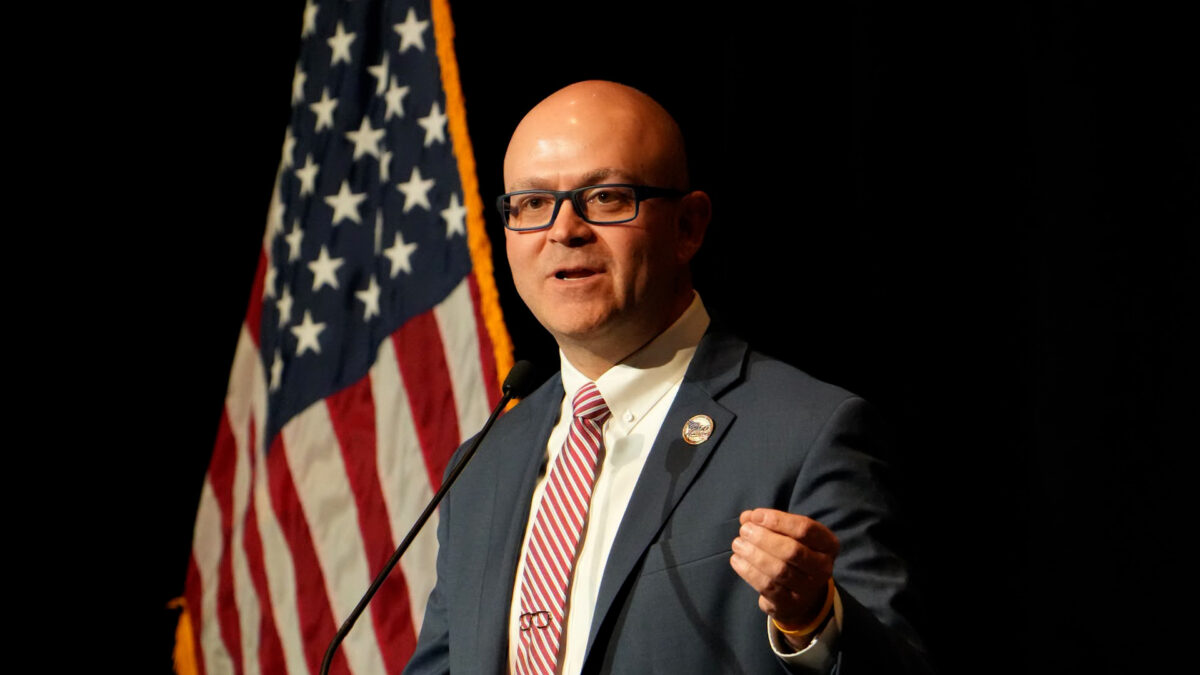
BOISE, Idaho (IdahoEdNews) — With two weeks until Election Day, Idaho Secretary of State Phil McGrane is reminding candidates, PACs and individuals to properly disclose any money spent to influence elections, according to a Tuesday press release.

Idaho Secretary of State Phil McGrane

McGrane’s office has recently received complaints on two fronts: a text message addressed to “fellow Democratic Socialist” that endorses U.S. Sen. Jim Risch and multiple complaints about materials opposing Proposition 1, a ballot initiative that would rescind the state’s abortion ban.(opens in new tab)

“Idaho’s campaign finance laws exist to shine a light on political spending,” McGrane said in the news release. “These laws apply to everyone, from grassroots campaigns to large organizations. Everything paid for, including signs, posters, stickers, text messages, and digital ads, should carry a disclosure indicating who paid for it.”

The Boise chapter of the Democratic Socialists of America has denied any involvement with the mass text message sent out Monday that claims the group endorses Risch.

“We want to let you know that NO chapters in Idaho are endorsing or recommending Jim Risch,” the Boise DSA wrote on Facebook.

McGrane stated the text message does not identify the person or organization that sent or paid for the message. Violating federal campaign finance laws, McGrane wrote, can result in “significant fines.”

The secretary of state has received several complaints regarding signs, handouts and stickers opposing Proposition 1 that do not identify the individual or group responsible for sending them.

“Idaho’s Sunshine Laws require all political spending to include a disclosure indicating who paid for it, and also carry fines for noncompliance,” according to the press release.

McGrane encourages anyone with questions on political advertising to reach out to his office.

“It’s not about who or what a group supports or opposes, it is about allowing Idahoans the opportunity to know who is influencing their vote,” McGrane stated. “We’ve seen a significant increase in political spending this cycle, and we want to make it clear that everyone must follow Idaho Sunshine laws.”

Click here to follow the original article.

Better Business Bureau: How quick payments are ruining wedding plans

Jalen Fong

YUMA, Ariz. (KYMA) – They found the perfect place, paid for a year and thought their wedding was all set, but the business owner got locked out, and their wedding venue and $19000 is gone.

It can be the venue, the DJ, the flowers, the food, the dresses. pay too fast. 

BBB Scam Tracker complaints show you can avoid most wedding scams if you obey these four words: Research first, pay last!

A California woman had to pay a $750 deposit on a wedding dress. They only accepted cash, which should have been a warning. She never got the dress and lost her money. 

Losing that special dress is bad enough. But losing the venue two weeks before your wedding can be a crisis.

One couple paid a year in advance, but found the hall didn’t get city permits and closed. They lost their $15,000 upfront payment.

Checking out a business thoroughly online first, can make a huge difference.

This business had an F rating with the Better Business Bureau. Some older complaints may have warned the couple about the business financial trouble before it was too late.

Whether it’s a wedding dress seller or planner, research reputations online, pay as little upfront as possible and avoid cash-only transactions.

Before trusting any business, check out reviews, complaints and for trusted Accredited Businesses at BBB.org and visit BBB’s Scam Tracker.

Check out all BBB scam warnings at joeknowsbetter.com.

More wedding protections from Better Business Bureau:

When looking for potential vendors or visiting trade shows and wedding expos, BBB has the following tips:

Ask vendors for references. Don’t rely on brochures or online reviews, which can be faked.  Watch for unexpected fees. Some caterers, hotels, or reception venues try to charge extra for “plate splitting,” “cake-cutting,” or “corkage” fees, especially if you bring in a cake or liquor purchased from another source. Ask whether fees such as taxes and gratuities will be added to the cost per person.  Dresses that don’t measure up. Brides have complained to BBB about bridal shops ordering the wrong sizes and colors of gowns and dresses that arrive too late for timely alterations. Ensure your order specifies new merchandise sized to fit you and your bridesmaids. Remind the shop of your schedule in advance. Wedding transportation problems. Get details in writing, including cancellation policies, and ask how the company handles problems if you aren’t satisfied. Don’t pay the entire amount in advance. Musicians. Couples shouldn’t rely on a website, demo tape, or phone conversation when hiring a wedding DJ service, a wedding band, or another music service. Find out where you can hear the musicians play before you hire them. Get a written commitment from the band or musician, including the time they will play and the costs to extend the time the night of the event. Photographer issues. A common complaint is that the photographer a couple hired doesn’t show up for the wedding or fails to deliver wedding pictures until months after the event. Find out when and how the pictures will be delivered. Floral changes. Fresh flowers are a perishable commodity, and your area is full of wedding florists to choose from. Make sure there is a full understanding, in writing, regarding delivery time and how changes or any problems will be handled. If you use a florist to preserve your bridal bouquet after the ceremony, get as much detail as possible. Bridal gown preservation. Check with a reputable cleaner on the cost of cleaning and storage for your wedding dress. Do your research. Look at several sources for ratings and reviews, and a great place to start is BBB.org. Remember, vendor website reviews may not be reliable.

Click here to follow the original article.

Commercial vehicle inspections begin on Transmountain Road

Nina Gallegos

EL PASO, Texas (KVIA) – Wednesday, the Sheriff’s Department began commercial vehicle inspections along Transmountain Road as part of an initiative to reduce crashes in the area.

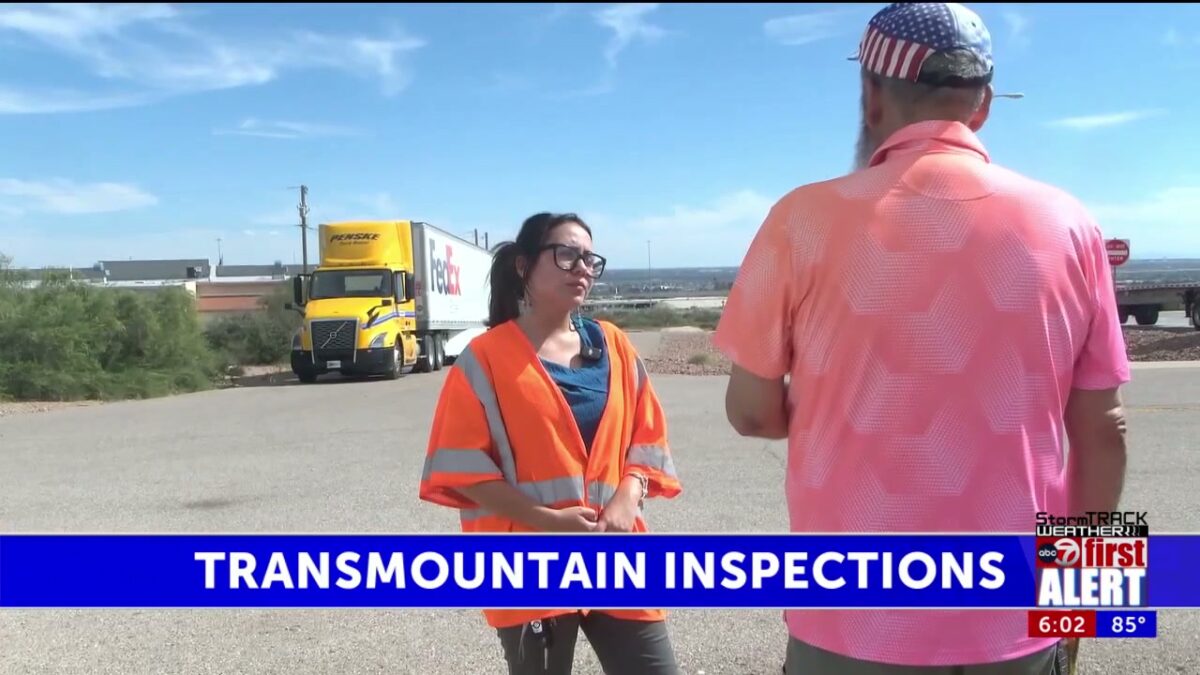
Retired truck driver Sebastian Arellano said crashes like this are preventable.

“It’s such a tragic accident and did not have to happen. It did not have to happen,” Arellano said.

El Paso Mayor Renard Johnson announced the initiative Tuesday after a deadly eight-vehicle crash at Loop 375 and North Desert Boulevard. Police said a semi’s brakes failed before it charged down the road, causing seven other vehicles to crash.

“Effective immediately, the El Paso Police Department’s commercial vehicle inspection inspectors going to start inspecting vehicles, commercial vehicles that are going up on Transmountain Road,” Mayor Johnson said at the news conference.

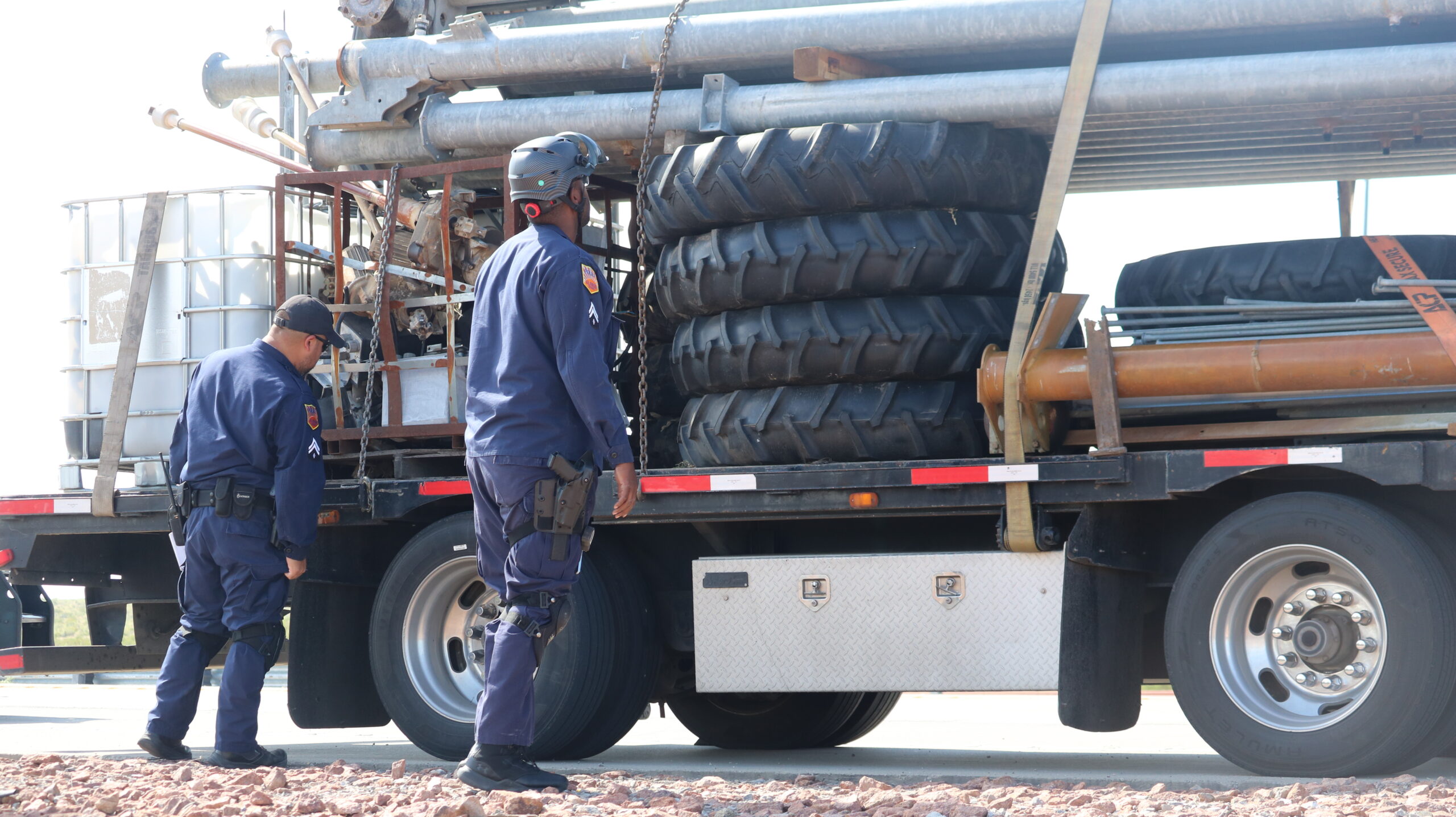
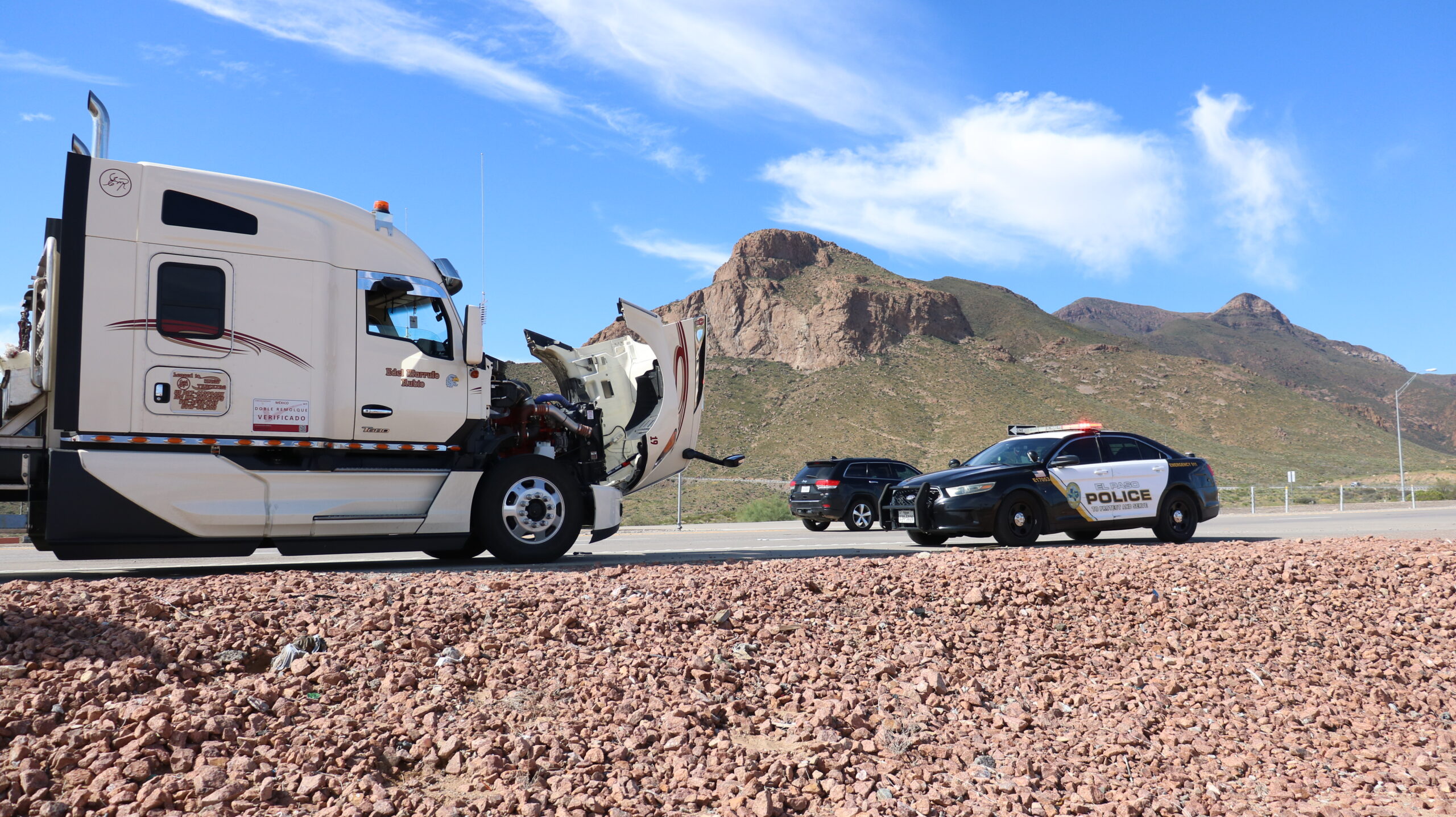
The El Paso Police Department started inspecting commercial vehicles on Transmountain in an enhanced safety effort.

El Paso Police Chief Peter Pacillas said police have worked with the state in the past by putting up signage, directing semis to runaway ramps. Despite those initiatives, he said there are still people getting killed.

“So we’re stepping up the enforcement to make sure that these vehicles are safe on there,” Chief Pacillas said.

Pacillas said police will be looking for commercial vehicles that certified inspectors can pull over.

According to Sergeant Robert Gomez, police can conduct an inspection at any time. Gomez said the El Paso Police Department currently only has six certified inspectors.

He says they won’t stop every commercial vehicle, but the goal is for drivers to be in compliance of regulations.

When stopped, police are looking for safety measures like brakes, lights, seatbelts and couplers. Sergeant Gomez says the officer will not only check the driver’s logbook but will get underneath the vehicle to check components of the vehicle.

Sergeant Gomez says if a commercial vehicle is deemed unsafe during the inspection, an officer will give the driver the opportunity to fix the vehicle on the side of the road.

If the driver is unable to correct the violation on the side of the road, he says a commercial vehicle truck will be called to move the truck off the side of the road.

A semi under inspection on Transmountain Road.

Sergeant Gomez says vehicles that are deemed unsafe face Class C citations. He says the cost of those citations can get up to $500.

Arellano says that cost is a lot higher than if a truck driver were to check their vehicle before getting on the road.

“So here we go again. You didn’t take care of it before you left. Now it’s costing them in a lot more money than the minutes it would have taken them to just take care of this,” Arellano said.

Arellano says the time it takes to check the brakes beforehand is worth it.

“It’s going to take time. Let me tell you, what’s it going to cost you more? Waiting an hour or two, spending 300 bucks on a mechanic or replacing brakes or whatever, or the amount of money that is paid off when a when somebody perishes during a truck accident,” Arellano said.

Tuesday, Pacillas urged drivers to give inspection crews the space they need and to expect possible congestion in the area.

In response to questions about why semis aren’t diverted from using transmountain all together, spokesperson Lauren Macias-Cervantes said “the department generally does not have the authority to prohibit the use of a state highway by a class of vehicles that are operating within applicable legal size and weight limits.”

She went on to say local governments may request traffic restrictions, but it will require review and approval through the appropriate transportation authorities.

Arellano said what police are doing is just the beginning.

“This is a great start. It’s a great start, but it’s so much more,” Arellano said.

ABC-7 has reached out to the El Paso Sheriff’s Department, El Paso Police Department, Department of Public Safety, and the Texas Department of Transportation to learn the protocol for stopping tractor-trailers and semis, what is being checked, and which citations drivers are at risk of receiving.

Click here to follow the original article.

Teton Habitat for Humanity moves forward on affordable housing neighborhood

Maile Sipraseuth

JACKSON, Wyo. (KIFI)– A new affordable housing development planned at the South Park area of Jackson could bring hundreds of homes to a community where housing costs have made it difficult for local workers to live near their jobs.

Teton Habitat for Humanity is pressing forward on construction of a proposed 17-block neighborhood known as Northern South Park Area 1, which is expected to include 386 affordable residential units.

“Some people are driving multiple hours a day to get to Jackson to work here. So we’re trying to make it an affordable place and to live, and that’s what Habitat does, create housing to reduce the commute for the individuals that live and work here,” said Ben Johnson, CEO of Habitat For Humanity of The Greater Teton Area.

The development plan follows roughly six years of work to secure approvals to rezone the agricultural land for a new neighborhood.

Johnson said about 70% of the land has been donated and is expected to be dedicated to affordable housing.

“Habitat for Humanity is going to be a recipient of that land, so we can be doing good for this community,” Johnson said.

Construction is still several years away. Johnson estimates it could take three to four years before crews begin building, as the project moves through regulatory approvals, permitting and infrastructure preparation. 

Click here to follow the original article.

Blair Oaks bus hit by SUV had 5 students on board

Matthew Sanders

COLUMBIA, Mo. (KMIZ)

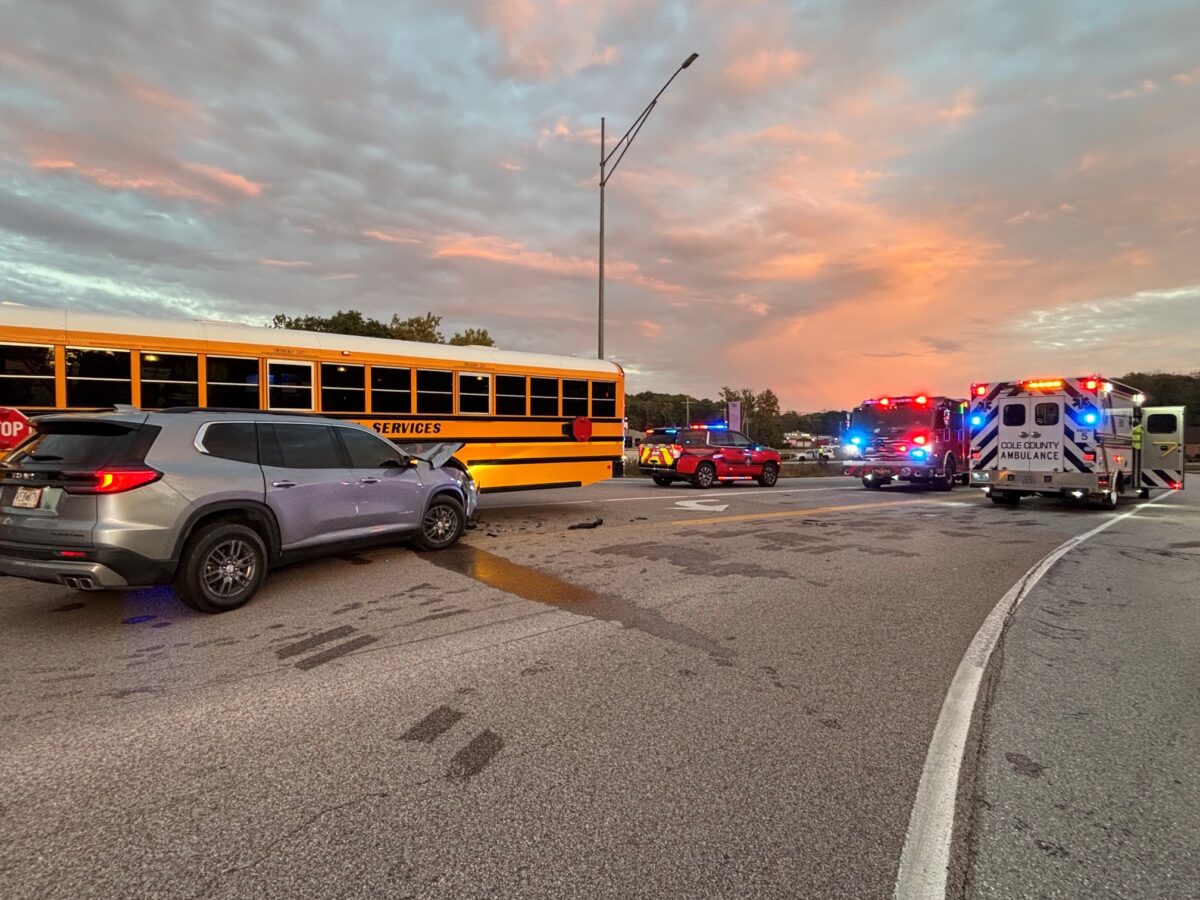
A school bus carrying five Blair Oaks School District students was hit by an SUV Wednesday morning.

Cole County Emergency Services was called to the crash at Route B and Tanner Bridge Road at about 7 a.m. The school bus and the small SUV that collided with it each had moderate damage, according to a Cole County Emergency Services news release.

Seven people were evaluated for injuries, including five Blair Oaks students. Two students reported minor injuries and were released to their parents; the other three students got on another bus and went to school, emergency services stated in a news release.

Blair Oaks Superintendent Ben Muldrum said the bus was struck while it was sitting still.

Click here to follow the original article.

How Could $8 Billion in Federal Aid Help Coachella Valley Farmers?

Matthew Pearce

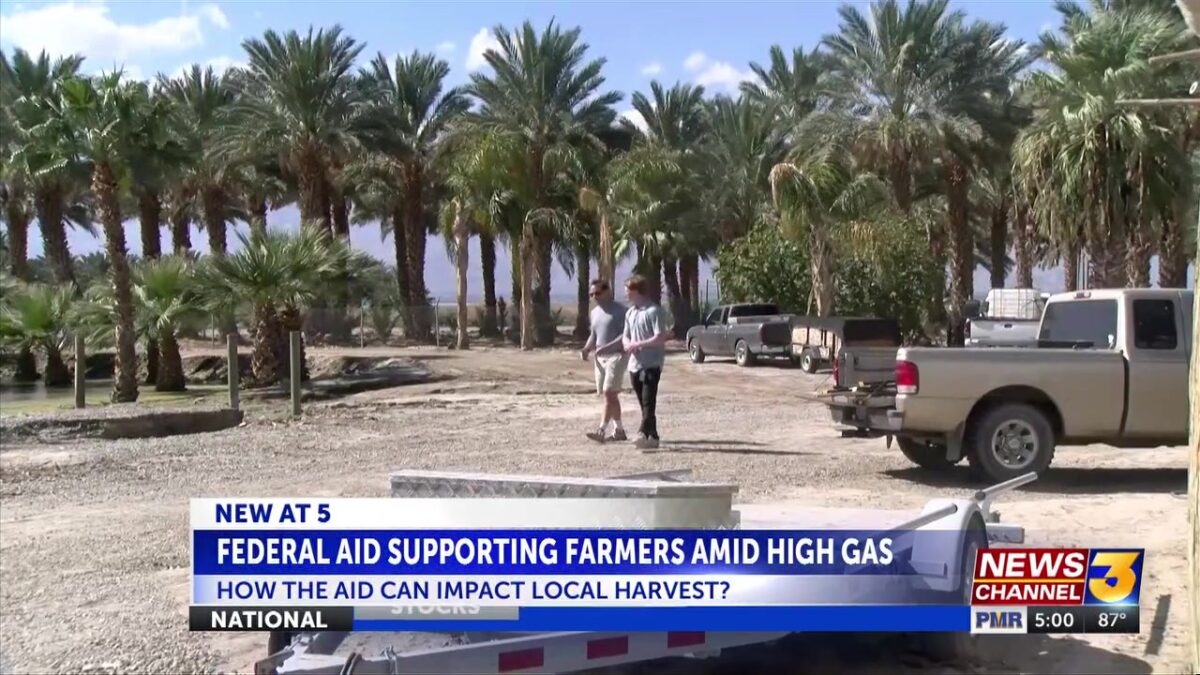
MECCA, Calif. (KESQ) — The conflict in Iran, along with tariffs, has contributed to rising inflation, particularly for diesel fuel.

Rising prices directly impact farmers across the nation, including those here in the Coachella Valley.

However, at a rally in Kansas on Monday, President Donald Trump announced that his administration would introduce an $8 billion aid package for farmers nationwide.

However, economists warn that direct subsidies may not fully offset higher fuel expenses that ripple through the food supply chain. Gbenga Ajilore, Chief Economist at the Center on Budget and Policy Priorities, pointed out that diesel costs compound as goods move from fields to store shelves.

“So everywhere along the supply chain, diesel, higher diesel prices, higher prices is going to impact what we pay at the grocery store,” Ajilore said.

George Tudor, president of Tudor Ranch, tells News Channel 3 that diesel fuel is an unavoidable expense for daily agricultural operations.

“We don’t have a choice but to use our equipment to get our job done. So there certainly is a direct cost there with that diesel being so expensive,” Tudor said.

Additionally, Tudor noted that high freight costs leave domestic farmers at a distinct competitive disadvantage compared to foreign importers.

While agricultural producers appreciate federal support, many growers prefer long-term market stability over government intervention. Tudor expressed that farmers desire an economic climate where they can sell produce without relying on financial assistance.

“But I think I speak for all farmers when we would much rather be in an environment where we can be competitive, growing and marketing our crops, rather than suffering input cost increases and other things because of what’s going on in the world,” Tudor said.

For more information on the “harvest fuel relief program,” check out this article.

Click here to follow the original article.

MoDOT identifies stretches of rural interstates for increased speed limits

Melissa Houston

JEFFERSON CITY, Mo. (KMIZ)

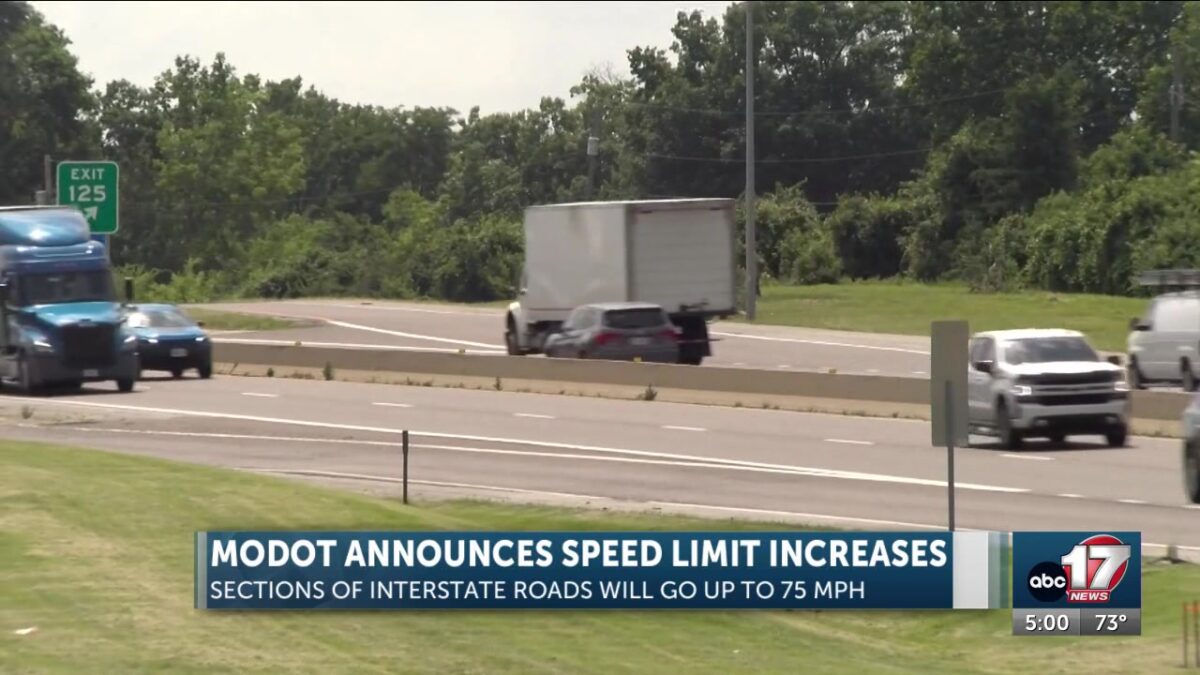
The Missouri Department of Transportation said Wednesday that speed limits will increase to 75 miles per hour on eight stretches of rural interstate around the state.

In a news release, the department stated it took various factors into consideration when deciding where to change speed limits:

Current traffic numbers. Truck traffic. Speed data. Crash history. Terrain of the road and road design. Existing speed limits. Ongoing construction.

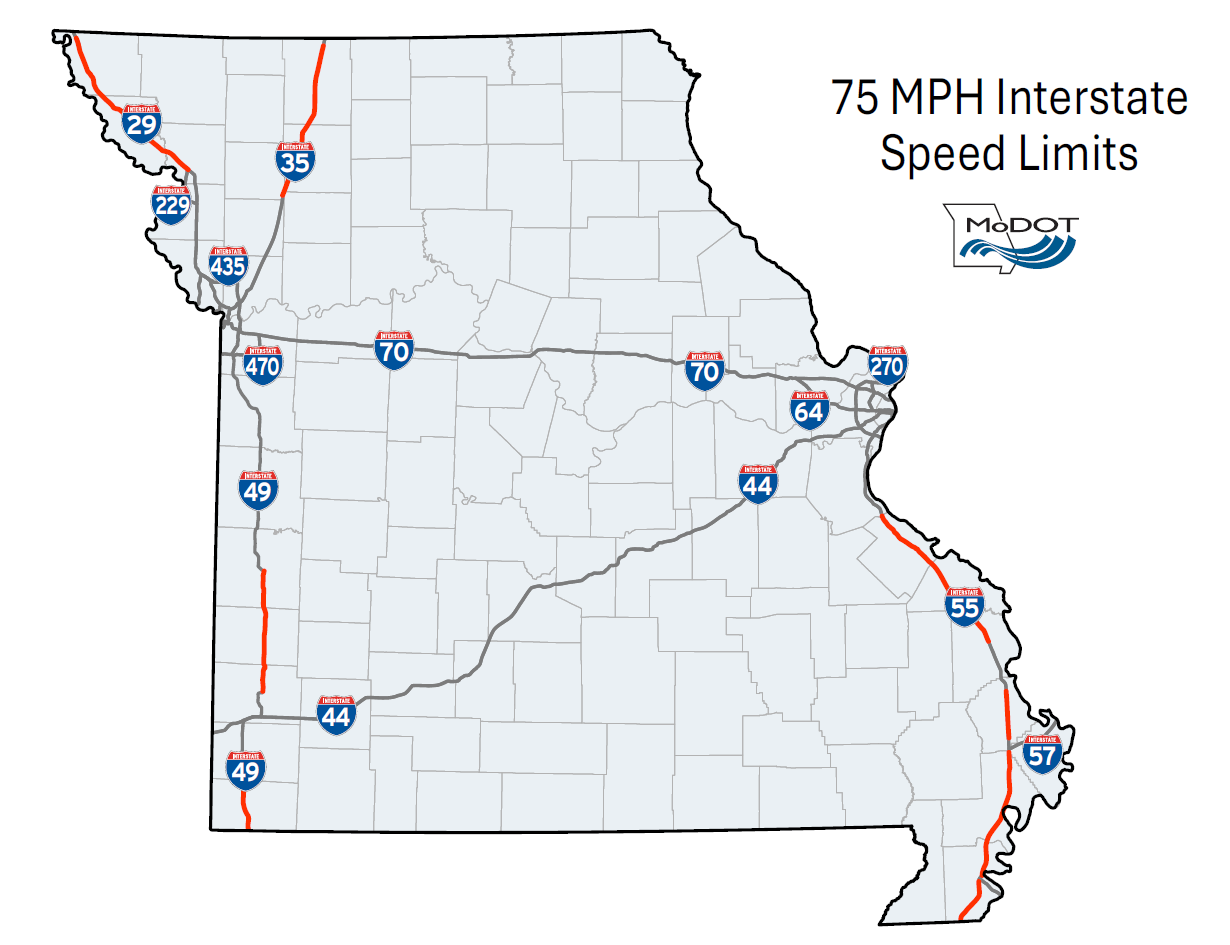
The areas chosen for an increase to 75 mph are:

I-29: Exit 56 in Andrew County to 2.5 miles south of the Iowa border. I-35: Northern Cameron city limit to four miles south of the Iowa border. I-49: Arkansas border to Exit 24. I-49: Exit 56 to south of Exit 101 in Nevada. I-55: Arkansas border to mile marker 16.6, south of I-155 interchange. I-55: Mile marker 19.8 north of Highway 84 to mile marker 64.9 at the Route AA bridge. I-55: Mile marker 70.5 north of Route HH to mile marker 86.6 south of Route PP. I-55: Mile marker 106.4 north of Exit 105 to mile marker 164.9 at Jefferson County line.

A map was provided in the release, visually highlighting the interstate road segments where speed limits will increase.

MoDOT director Ed Hassinger said that the decision for which roads will be impacted by the increase came down to the publics convenience and safety.

“There’s a desire, I think, from the public to be more convenient, to be able to get places more efficiently,” Hassinger said. Our concern is safety of the traveling public…we’re trying to balance those two things to get the best outcome.”

Once the speed limit increases are set, MoDOT crews will continue to monitor those specific stretches to make sure there are positive results.

“If we see negative results, then we will dial it back to a lower speed limit, so that’s kind of the plan that we’re under right now,” Hassinger said.

Gov. Mike Kehoe signed the bill allowing increased speed limits into law in July. The bill was sponsored by Sen. Jamie Burger (R-Benton) and carried in the House by Rep. John Voss (R-Cape Girardeau).

For AAA, who opposed the initial bill signed, there is growing concerns about the safety aspect of increasing the speed limits.

“This piece of legislation is moving Missouri in the wrong direction when it comes to roadway safety,” AAA spokesman Nick Chabarria said. “We know that increased speed limits on interstates have resulted in increased fatalities in neighboring states that have enacted similar legislation.”

Chabarria said, based on AAA’s data, neighboring states like Arkansas saw an increase in fatalities of about 27% after increasing their speed limits on rural roads. And in Kansas fatalities increased by 22% he said.

For AAA, Chabarria said they share the same safety concerns expressed in MoDOT’s press release, as well as the goal of active roadways that make driving more efficient. However, he said that the stretches of interstate that are going to see an increase will not make traveling faster by a lot, and the safety aspect is now being jeperdized.

“When you calculate that out, even on that longest stretch, that saves a driver about 3 minutes, and that’s 3 minutes,” Chabarria said. “I don’t think the speed limit increase is necessarily worth it, and I don’t know that the argument that it gets people there faster will hold up when you actually look at the numbers.”

Mid-Missouri was not part of the speed limit increases, and Hassinger said that was partially due to the current construction happening.

“We’re having enough problems getting people to drive, the works zone speed limits, so we made a decision that we’re not going to even look at I-70 until the construction is done,” Hassinger said. “That will be several years from now.”

Hassinger said there is a chance for Mid-Missouri to get speed limit increases, but the analysis for those roads will not happen until after 2030, when most of the construction has been completed.

For urban highways, they require more safety analysis from MoDOT. Hassinger said that when they were looking at the rural interstates, those stretches had less traffic volume, low truck counts, and the roads were mostly flat and straight, making it easier to determine that increasing the speed was safe.

MoDOT will be working this fall to update speed limit signs on those stretches; no timeline of completion was provided.

It is recommended that drivers continue to follow the posted speed limit signs as the updated speeds roll out.

Both Hassinger and Chabarria are urging drivers to understand that speed limits means that is the maximum speed a driver can safely travel in those areas.

“The speed limit going up means it’s a speed limit, and so none of our roads are designed to drive 80 miles an hour on, so 75 is kind of the limit if people want to be safe on the road,” Hassinger said.

“This should be the fastest you’re going on that stretch of road,” Chabarria said. “Even though we’re seeing the speed limit increase on these stretches of roads, you know, drive what you’re comfortable with and certainly drive for conditions we know that speeding is a factor in about a third of all fatal crashes nationwide.”

Click here to follow the original article.

Coachella Valley Rescue Mission prepares for growing Thanksgiving demand, calls for community support

Raymond Kalra

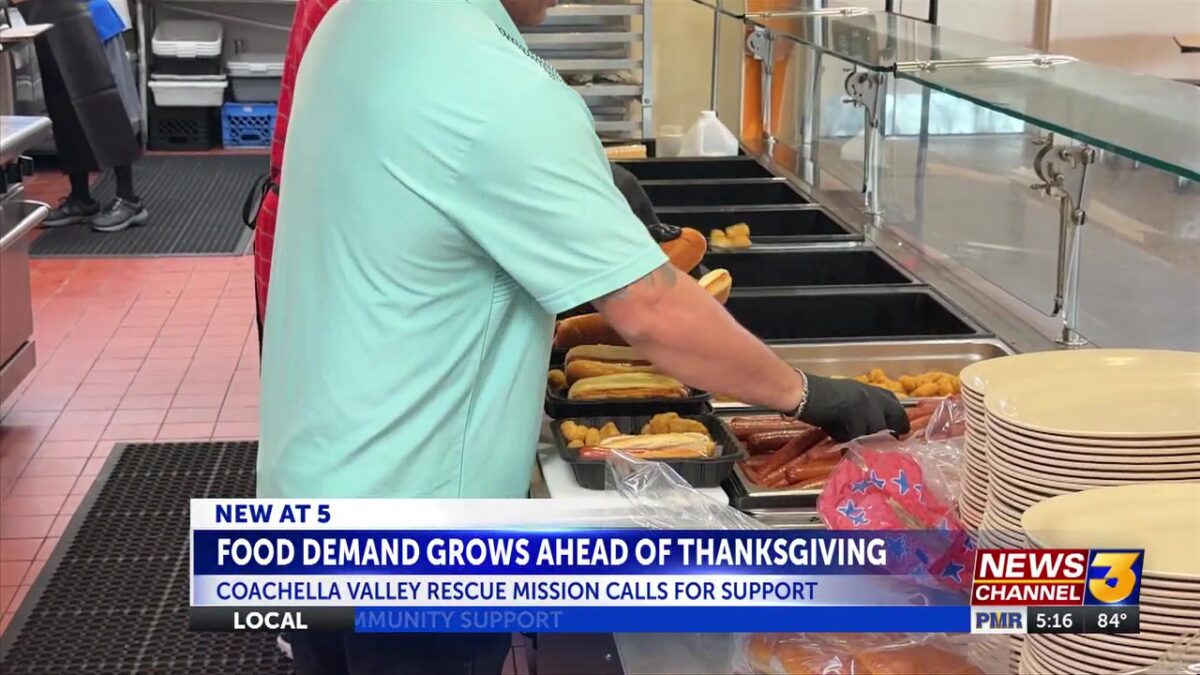
INDIO, Calif. (KESQ) – For some families across the Coachella Valley, putting food on the table has become a daily struggle. At the Coachella Valley Rescue Mission, staff and volunteers are working to meet that need, serving hundreds of meals each day while preparing for an even greater demand during the upcoming holiday season.

On Wednesday morning, the organization distributed five pallets of food boxes to residents facing food insecurity. The supplies were gone within the first hour, despite the distribution typically being scheduled for a two-hour window.

Andrew Newton, who helps manage the kitchen at the Coachella Valley Rescue Mission, said the demand for food assistance continues to be significant.

“We’re seeing a lot of seniors coming through our lines,” Newton said. “Like this morning, we just gave away five pallets of food boxes this morning and they were gone within the first hour.”

Newton said the organization is currently meeting much of the demand, but some residents still leave without receiving assistance once supplies run out.

“There are still some people who show up and everything’s gone,” Newton said. “And so that’s hard to turn people away and to tell them, you know, try and be here earlier next week because there’s no telling how many people are going to show up.”

The mission typically distributes approximately 150 to 180 food boxes every Wednesday, providing groceries to families and individuals struggling to afford food.

Newton said the organization is seeing seniors, families with young children, pregnant women and other residents seeking help.

He pointed to the rising cost of everyday necessities as one reason people are struggling.

“Everything’s more expensive,” Newton said. “So filling your pantry now cost twice as much as it once did.”

Inside the kitchen: Preparing up to 1,200 meals a day

Beyond its weekly food distributions, the Coachella Valley Rescue Mission operates a kitchen preparing approximately 1,000 to 1,200 meals every day for people staying at the facility and members of the surrounding community.

On Wednesday, kitchen staff worked along a food preparation line, placing hot dogs and tater tots into individual to-go containers for lunch.

Newton said each meal requires a significant amount of preparation, with the kitchen typically serving around 300 people per meal.

A normal morning can include preparing gallons of eggs and oatmeal, dozens of trays of bacon and hundreds of pancakes. Staff also prepare sandwiches, potatoes, meats and other food throughout the day.

Newton said the kitchen typically has between four and six people working behind the scenes, including individuals participating in the mission’s job skills training program and volunteers from the community.

However, the kitchen’s menu is often determined by the donations it receives.

“The biggest challenge is the amount of food that we have at hand, on hand at the time,” Newton said. “And that’s what our menu usually revolves around, is what we have on hand. And that’s dependent on what we get from donations from people around this valley.”

Newton emphasized that contributions from the community make the mission’s daily food operations possible.

“Those donations are absolutely vital,” he said. “They are the reason why we are able to make the meals that we’re able to make for the people that are living here and for the public out and around the valley that need to eat a meal.”

From receiving help to helping others

For Newton, working in the kitchen carries a deeply personal meaning.

Before helping prepare meals for others, he experienced struggles similar to those faced by many of the people now turning to the Rescue Mission for assistance.

“I know where these people are coming from. I know the hurt that they are going through,” Newton said. “I can sympathize and empathize with what these people are going through, because I also went through this situation myself.”

Newton said his own experiences have shaped how he approaches his work and interacts with people receiving assistance.

He said providing a meal is about more than making sure someone has something to eat. It’s also about helping them feel supported during a difficult time.

“I know how important it is to have somebody there that cares about your well-being and that will be there and listen to you and give you a shoulder to cry on and a nice meal to make you feel good,” Newton said.

He added that witnessing the progress of people participating in the mission’s programs is one of the most rewarding parts of his work.

Newton said he hopes those receiving meals feel welcomed, respected and cared for.

“I hope that they feel loved, and I hope that they feel comfortable, and I hope that they feel like they belong like that they matter because they do,” he said.

Preparing for an even greater Thanksgiving demand

With Thanksgiving approaching, the Coachella Valley Rescue Mission is preparing for a significant increase in demand for food assistance.

The organization anticipates potentially distributing close to 3,000 Thanksgiving food boxes in the days leading up to and on the holiday, according to preliminary estimates shared with News Channel 3.

Newton said the mission is preparing for holiday demand that could be nearly double what it has experienced in recent years.

“What we’re expecting this year is probably almost double what we have been receiving in the last few years,” Newton said. “At least that’s what we’re going to prepare for just so that we’re ready.”

In addition to its food assistance distributions, the mission plans to serve holiday meals to its clients and members of the public.

Newton said Thanksgiving breakfast service will begin at 6 a.m., with pancakes, eggs, bacon, hash browns, sausage and fruit on the menu.

Later in the day, the kitchen plans to serve a traditional Thanksgiving dinner featuring turkey, mashed potatoes, gravy, stuffing, candied yams, green beans and pies.

Preparing for Thanksgiving requires substantially more food than an ordinary day.

Newton said the kitchen may need to prepare several times its usual quantities to accommodate the additional people arriving for holiday meals.

“The difference is we have to prepare about ten times the amount of food because it is an unlimited service for a four hour window just for breakfast,” Newton explained.

The mission also expects to welcome family members of individuals staying at the facility, along with other residents seeking a holiday meal.

Volunteers play a critical role

As the mission prepares for Thanksgiving and Christmas, staff say community volunteers are essential to keeping operations running.

Scott Wolf, development coordinator at the Coachella Valley Rescue Mission, said hundreds of volunteers contribute their time each year, helping with everything from meal preparation to mentorship programs.

“Volunteerism and volunteers are the backbone of what we do here,” Wolf said. “We couldn’t do what we do without hundreds and hundreds and hundreds of volunteers coming here every year to serve, to mentor our clients, to teach classes, to help us in the kitchen, serve meals.”

Wolf said the mission is already operating at high capacity, and the holiday season brings additional demand for food and other services.

“We really highly depend on our volunteers and we cherish our volunteers,” Wolf said. “They really come together and they really make it special for us during the holidays.”

Volunteer opportunities extend beyond the kitchen.

According to Wolf, community members can help prepare and serve meals, mentor individuals participating in the mission’s long-term programs, teach classes or sort donations at the organization’s thrift store.

Wolf said the mission welcomes people with different skills and backgrounds who are interested in giving back.

How the community can help

As Thanksgiving approaches, the Coachella Valley Rescue Mission is appealing for additional food donations, financial contributions and volunteers to help serve residents in need.

Newton said every contribution, regardless of size, can help the organization continue its work.

“Any donation matters. Every donation matters, no matter how big or how small,” Newton said. “It doesn’t matter if it’s one can of food or 100 cans of food. Every donation matters and everything counts.”

The mission also wants people who may be struggling to afford groceries or meals to know that assistance is available.

“If you’ve never used this service before, come down, take a look, see what we can do for you,” Newton said.

For Newton, the mission’s work is about more than providing meals. It’s about giving people hope and a sense of belonging during difficult times.

And as the kitchen prepares for another busy holiday season, he hopes the community will continue supporting the people who depend on its services.

Residents interested in volunteering, donating or learning more about available services can visit the Coachella Valley Rescue Mission website.

Stay with News Channel 3 for continuing coverage of how local organizations are addressing food insecurity across the Coachella Valley.

Click here to follow the original article.

New Mexico AG sues Epstein associates accused of financing abuse

Gabrielle Lopez

ALBUQUERQUE, N.M. (KVIA) — Wednesday, New Mexico Attorney General Raúl Torrez announced a federal civil lawsuit against two men associated with Jeffrey Epstein. The lawsuit seeks to block estate payments and recover damages for survivors.

Torrez named Darren Indyke, Epstein’s personal attorney, and accountant Richard Kahn in the complaint. The New Mexico Department of Justice alleged that Epstein ran a sex trafficking operation that Indyke and Kahn knowingly participated in. They allegedly used their positions and Epstein’s accounts to finance and conceal the abuse.

“Jeffrey Epstein did not operate alone, and his death does not end the pursuit of accountability for the people who helped make his crimes possible,” said Attorney General Torrez.

The lawsuit alleged the men managed financial accounts and authorized transactions connected to the trafficking operation.

Indyke and Kahn denied any knowledge or participation in Epstein’s trafficking. They testified before the House Oversight Committee earlier this year.

Survivors of Epstein’s abuse joined the attorney general at the announcement.

“My hope is there can be some measure of accountability and some measure of justice,” Torrez said at Wednesday’s news conference.

The lawsuit asks the court to:

Prevent payments from Epstein’s estate to Indyke and Kahn while the litigation proceeds. Restrict their ability to authorize and receive estate payments. Declare that they engaged in racketeering and trafficking activity in violation of state and federal law. Require them to divest Epstein-related interests and restrict certain future investment activity. Award compensatory and punitive damages, restitution, and disgorgement of benefits to survivors, including treble damages under state racketeering law.

On Oct. 16, Torrez joined a coalition of attorneys general in sending a letter to congressional leadership urging them to pass the Epstein Files Transparency Act II. The NMDOJ said the legislation would give state attorneys general and survivors the power to enforce the transparency Congress demanded.

The original Epstein Files Transparency Act went into effect in November 2025. It gave the public access to the full investigative record of Jeffrey Epstein’s crimes. The law required the U.S. Department of Justice to to make the files publicly available by Dec. 19, 2025.

Nearly a year later, the NMDOJ said the Justice Department still hasn’t released the files.

“Survivors deserve answers, not continued obstruction from a federal government with a responsibility to protect its citizens,” Torrez said in a news release.

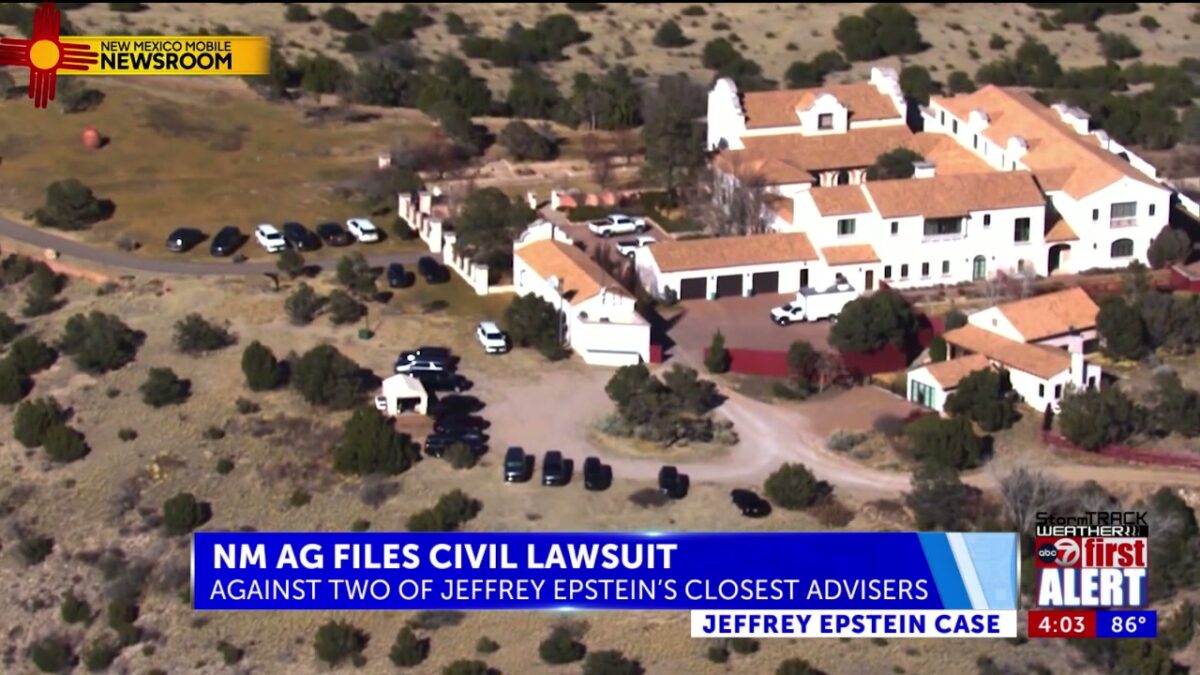
Earlier this year, New Mexico reopened a criminal investigation into Zorro Ranch, a property Epstein owned outside of Santa Fe. Some alleged victims said they were sexually abused there. Zorro Ranch was sold in 2023. The property’s new owner is cooperating with law enforcement.

The complaint announced Wednesday alleged some survivors were lured to Zorro Ranch with promises of educational, career or financial help.

NMDOJ alleged Indyke handled the 2011 transfer of Zorro Ranch title to a company Epstein controlled.

Click here to follow the original article.
Build My Future Central Missouri introduces students to skilled trades

Stephi Smith

JEFFERSON CITY, Mo. (KMIZ)

More Mid-Missouri students are exploring careers in the skilled trades, according to construction industry officials.

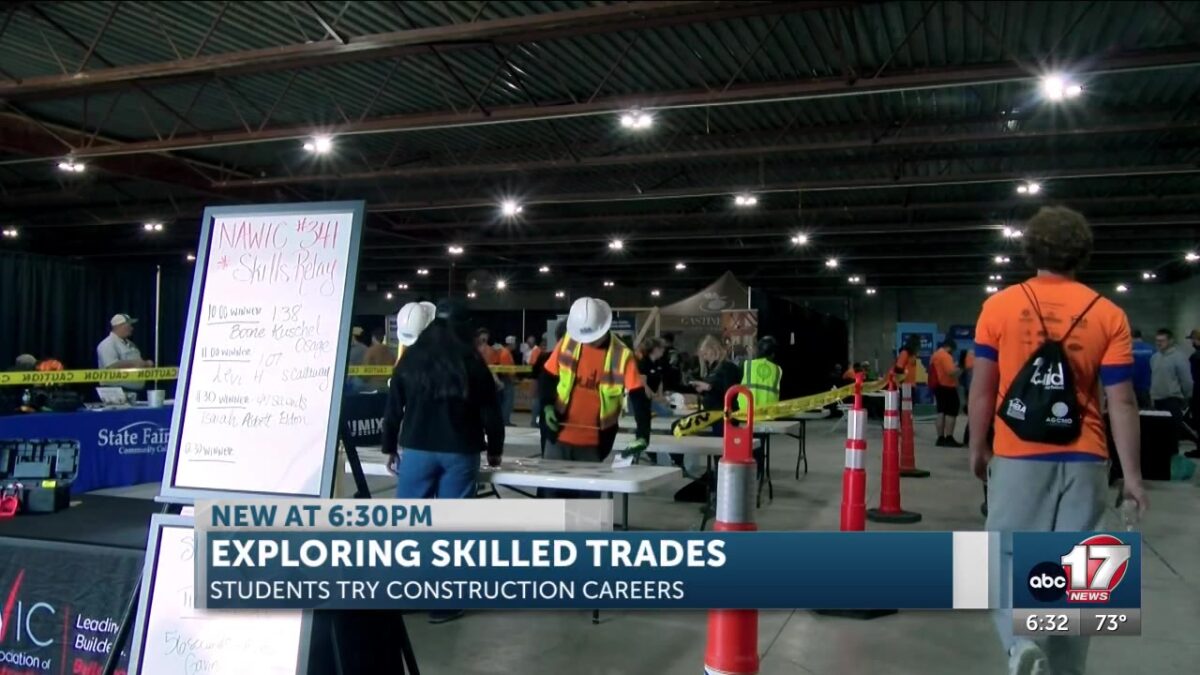
More than 1,500 high school students registered for Build My Future Central Missouri, a construction career showcase held Wednesday at the Jefferson City Jaycees Fairgrounds.

The event featured hands-on activities where students could practice laying bricks, build miniature toolboxes and attempt to score a soccer goal using a trackhoe.

Rachel Andrews, executive officer of the Home Builders Association of Central Missouri, said the event is gaining popularity. About 1,300 students attended last year’s event, compared with more than 1,500 registered this year.

Andrews also said scholarship applications to the Home Builders Association have increased from about six or seven annually to 20-25 in recent years. She said that growth suggests more students are considering careers in construction.

Heavy equipment operation is often a popular attraction, Andrews said, but students also have shown interest in careers such as HVAC and plumbing. The association surveys students after the event to gauge their experiences.

“They are just amazed that there’s all this that they can do. So that’s why we show them, because it’s hard to tell somebody actually everything that you can do,” Andrews said.

Zermone Miller, a junior at Battle High School, said he is considering a career in welding after graduation. Miller said he enjoyed the wide variety of activities, including the opportunity to use large machinery.

He attended through his school’s career center and connected with DeLong’s Inc., a steel fabrication company.

“If you’re going into anything new and you want to try something new, do welding. It’s really fun. You can learn a lot and make a lot of money from it, too,” Miller said.

Jason Otke, a residential home builder in Columbia and Jefferson City, said his company often works with young people entering the construction industry.

“It gives us hope for the future in trades,” Otke said.

Charlyce Ruth, workforce development manager for the Associated General Contractors of Missouri, said the event draws students from schools within a two-hour radius of Jefferson City.

Ruth said she wants students to understand that a four-year college degree is not the only path to a successful career. Depending on the trade, students can pursue apprenticeships, community college programs or direct employment after high school.

She said she has also heard from unions across the state that the average age of apprentices is decreasing, suggesting younger people are becoming more interested in the trades.

“There’s just more people interested,” Ruth said. “People want to work with their hands.”

Click here to follow the original article.