New World screwworm cases up ‘tenfold’ in the last month, says Texas agriculture commissioner

EL PASO, Texas (KVIA) — More than 20 cases of New World screwworm were confirmed by the U.S. Department of Agriculture in the last month. Commissioner of Agriculture of Texas Sid Miller said American families should be the ones on the lookout.
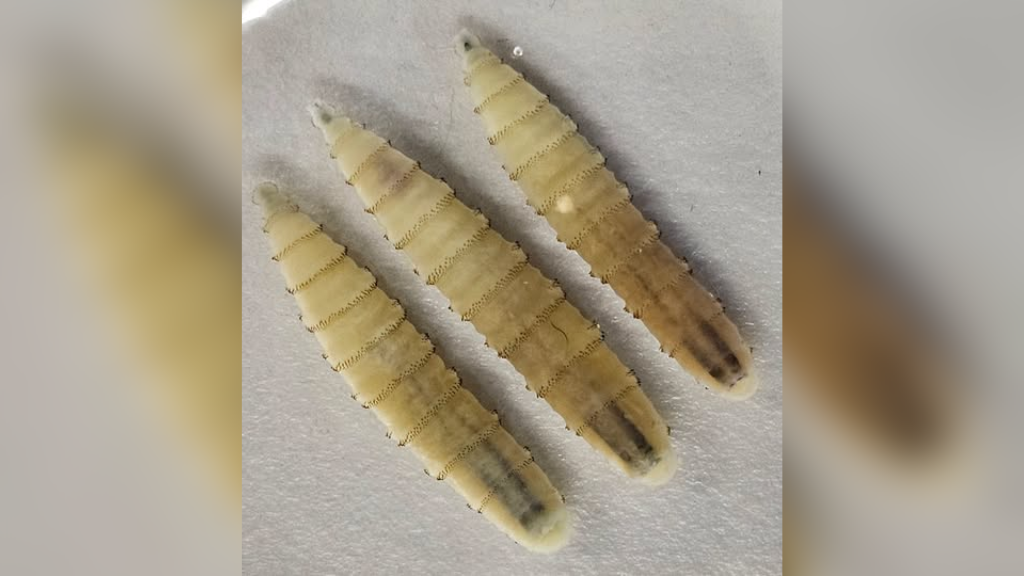
New World screwworm flies lay eggs in wounds or openings in living tissue. After hatching, the larvae feed on living tissue and can cause serious injury or death.
Miller told ABC-7 that the most recent cases have been in dogs, including one found in Socorro, Texas, on Wednesday. Over the weekend, New Mexico health officials confirmed a sheep at the New Mexico State University campus had NWS.
The Socorro Police Department said the dog’s owner took it to a private veterinarian.
“Inspect your pet, any open wounds, be the, you know, observe that, talk to your veterinarian,” said Miller.
He told ABC-7 that the insect is attracted to subtropical weather, so the Borderland’s recent heavy rainfall isn’t helping cases decrease.
“That’s obviously adding to it. That’s not typical for your area of the state or even New Mexico or Arizona. So, that’s, that’s adding to the problem,” he said.
SPD said residents should inspect pets and livestock for:
Open wounds that are worsening or not healing Visible maggots or larvae in wounds Foul-smelling wounds, swelling or unusual discharge Excessive Licking, biting or scratching of wounds Head shaking, loss of appetite or unusual behavior Animals appearing restless, lethargic or isolating themselvesTo report a suspected NWS case, call a veterinarian or the Texas Animal Health Commission at 1-800-550-8242.
Socorro residents can also contact SPD’s Animal Control Unit at (915) 858-9237.
To report a suspected case in wildlife, contact the Texas Parks and Wildlife Department through your local TPWD wildlife biologist or call (512) 389-4505.
ABC-7 will provide a full breakdown of Miller’s concerns, plus what veterinarians are saying tonight during our evening newscasts.
Click here to follow the original article.