Columbia resident voices concerns about transmission line project

COLUMBIA, Mo. (KMIZ)
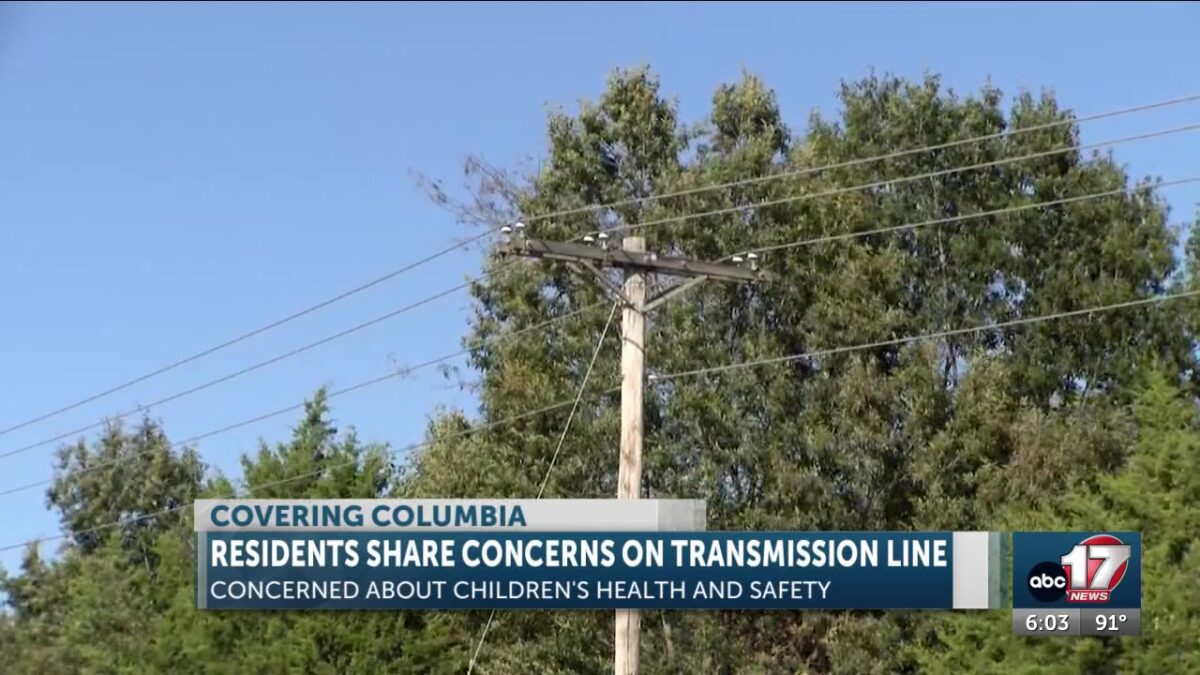
One Columbia resident has been sharing his concerns about the City of Columbia Utilities plan for a new transmission line near Mill Creek Elementary School.
Keary Husain, a resident who ran for a school board position earlier this year, said he does not think there is enough research done on what close proximity to power lines can do to the human body.
“If you can’t tell me what the long-term data is on the health effects on people and especially children, why would you even consider putting something so close to a school? And I asked that question specifically to one of the officials from the City of Columbia at the meeting on Oct. 6, and she could not tell me,” Husain said.
This transmission line project was first brought up 11 years ago but was delayed to similar concerns from residents. According to the City of Columbia, the route will follow Scott Boulevard south to Vawter School Road, then east along the Vawter School-Nifong-Grindstone corridor.
When asked, the City of Columbia said that the route of the transmission line ultimately came down to finances.
“Well, directly, the shortest answer to this question would be it’s financially driven, right? When assuming we had larger budgets or available resources, then anything would be possible. Right. We can even underground; we could go a different path. But at some point, it becomes a cost-efficiency ratio,” said Gwen Corches, assistant director for the City of Columbia’s electric utility.
Corches said since the city has been holding public meetings, it is taking public input into account. Husain has attended these meetings and continues to speak out against the project.
“There were other sites that were thought about. And why not choose those if they’re not right next to an elementary school, one with kids?” Husain said.
According to the City of Columbia, the project is estimated to cost $35 million and take 10 years.
The Vawter School Road route proposal was unanimously approved by the Columbia City Council as the most cost-effective option for the project.
Click here to follow the original article.