El Paso Giving Day 2026: Registration Now Open for Region’s Biggest Day of Giving

Nichole Gomez

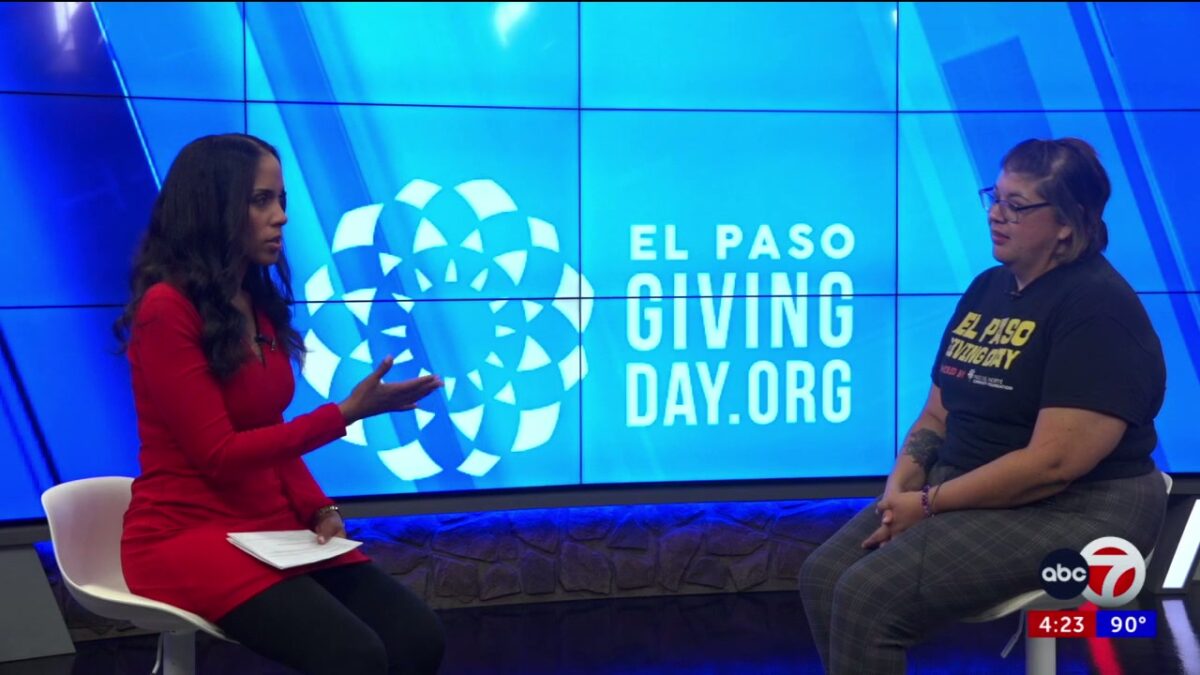
El Paso, TX (KVIA-TV)-The countdown has begun. Paso del Norte Community Foundation invites nonprofits from across the region to sign up for the 11th El Paso Giving Day, the biggest day of giving in our area. The last day to register is Wednesday, September 30, 2026. El Paso Giving Day began with the same spirit as Giving Tuesday and a clear local need: to give all nonprofits a fair chance to succeed and help ensure that money raised here stays in our community.

Sign up at: elpasogivingday.org

Registration deadline: September 30. Early Giving Week: October 8-14. El Paso Giving Day: October 17.

Click here to follow the original article.

Police searching for driver in hit-and-run near Pocatello golf courses

Seth Ratliff

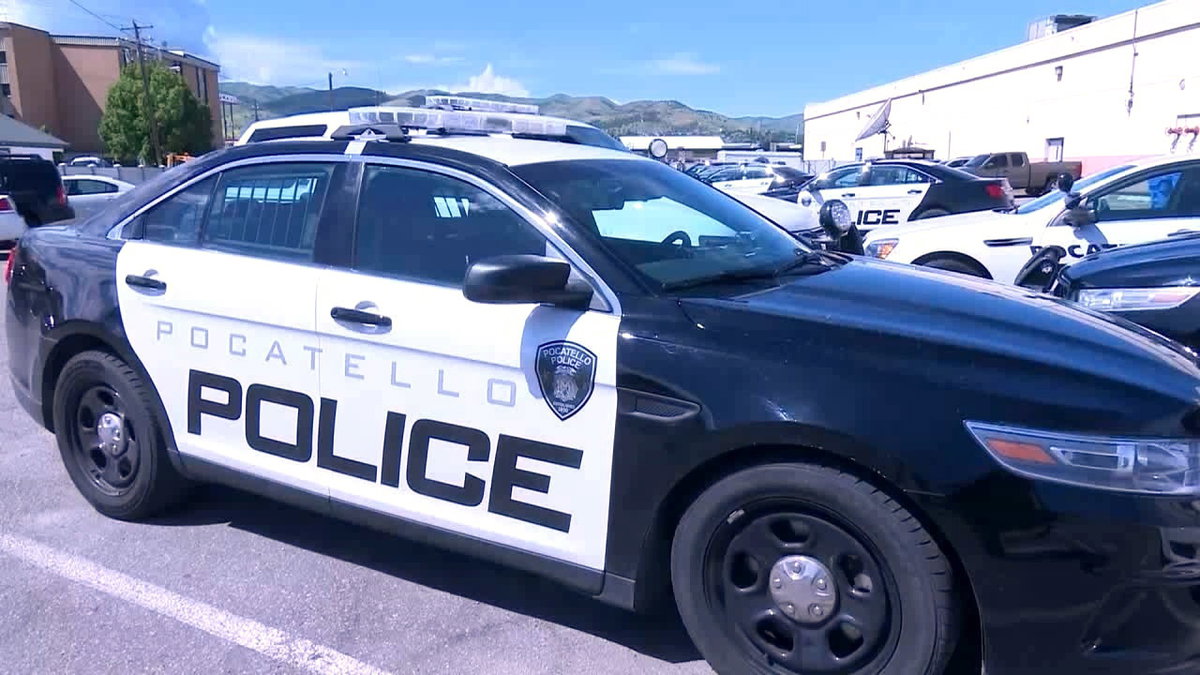
POCATELLO, Idaho (KIFI) — Pocatello Police are asking for the public’s help locating a driver involved in a hit-and-run with a bicyclist.

The crash happened Saturday afternoon between 3:00 PM and 4:00 PM between The 19th Hole and the Sand Trap in Pocatello. According to a post by investigators, they currently have no leads or physical evidence identifying the suspect vehicle or driver.

Pocatello police urge anyone who was in the area at the time to come forward.

“Even seemingly minor details could be helpful. Thank you for sharing this post and helping us reach anyone who may have witnessed the incident,” states the post.

If you were in the area or saw the crash, click HERE to contact Pocatello Police.

Click here to follow the original article.

State Sen. Rosilicie Ochoa Bogh speaks with News Channel 3 on school spending, test scores and bringing back the SAT

Garrett Hottle

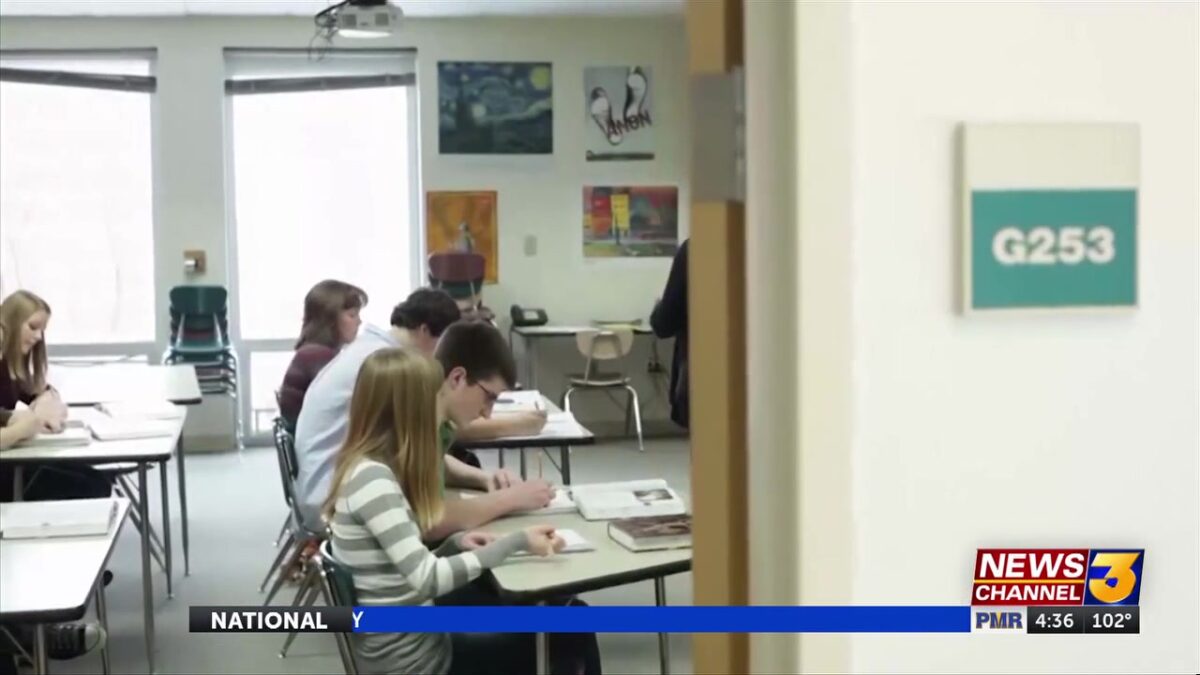
PALM SPRINGS, Calif. (KESQ) State Sen. Rosilicie Ochoa Bogh spoke with News Channel 3 on Tuesday about where California’s education money is going, why test scores remain low, and her push to bring back the SAT and ACT at the University of California and California State University.

Ochoa Bogh represents the 19th Senate District, which includes parts of the Coachella Valley and the high desert.

She is vice chair of the Senate Education Committee, a member of the Senate Budget Subcommittee on Education and a member of the Senate Rules Committee. She is a former elementary school teacher of English learners and served on the Yucaipa-Calimesa school board.

The interview followed an op-ed she published last week titled “California is spending record billions on education. Where is the money going?”

Where the money is going

News Channel 3 asked the senator what is going wrong in California classrooms.

“The state right now is investing about 48%, when we count all of education, lower and higher ed, 48% of the budget,” she said. “We still have health care, public safety, government functions, infrastructure to fund. So if 48% of the pie is not enough, then what is?”

The state is allocating more than $27,000 per pupil in the 2026-27 budget, Ochoa Bogh said. The state’s enacted budget summary puts total K-12 spending this year at $151.4 billion from state, federal and local sources.

Ochoa Bogh sits on the three-member budget subcommittee that reviews the state’s education spending. Asked for her own answer to where the money is going, she said schools have been asking for more money for low-income students and foster youth even though the state has provided extra funding for those students since 2013.

“We have to evaluate the programs that we currently have in place,” she said, “and if they’re not producing the results, ensure that we’re actually letting go of those programs and bringing in new programs that actually are working as intended.”

She wants parents asking those questions at school site councils and school board meetings.

In 2024, Ochoa Bogh introduced SB 1129, a bill to develop alternative templates for the accountability plans school districts are required to publish. According to the bill’s legislative history, its first hearing was canceled at the request of the author, and the bill did not move forward.

News Channel 3 asked if she plans to reintroduce it.

“It’s the question of accountability doesn’t always equate to legislation,” she said. “It doesn’t have to be legislative necessarily, but it does, I think, benefit us more when we have an informed public where we can then ask the questions.”

She compared school spending to the state’s spending on homelessness, saying an audit she helped request found no accountability measures were required when that money was allocated. The state auditor’s April 2024 report found California allocated about $24 billion to homelessness and housing programs over five years and had not consistently tracked the results.

“We can’t make the same mistake,” Ochoa Bogh said.

Test scores

The state releases new test scores Oct. 15. In the most recent results, from spring 2025, 48.8% of California students met the standard in English and 37.3% met it in math. In Desert Sands Unified, 41% met the standard in English and 27% in math. In Palm Springs Unified, 36% and 22%.

News Channel 3 asked what parents in the valley should be asking their school boards, and what number would tell her the money is working. She did not offer a specific number. Without standardized tests, she said, there is no way to know whether students are getting the services and curriculum they need.

“We need to ask the questions when they’re younger, as they’re growing up, so that we, at the very end, are not graduating students that cannot do basic math or have the ability to read,” Ochoa Bogh said. “If we don’t have those standardized testing, there’s no way to learn. We’re just graduating, navigating students through the process and living in smoke and mirrors.”

The SAT and ACT

In August, Ochoa Bogh and state Sen. Roger Niello sent a letter to UC leaders calling on UC and CSU to reinstate SAT and ACT requirements for all applicants, not only students in science, technology, engineering and math majors. Her office says she plans to introduce legislation on the issue.

News Channel 3 asked whether a test requirement would help a student from Coachella Valley schools get into UC Riverside, or lock them out.

“It allows for that student to be placed in the school that actually they will be successful in,” Ochoa Bogh said. She pointed to California’s 1960 Master Plan for Higher Education, which she said intended for students who were not ready for a university to start at a community college and transfer.

The senator said she has questioned nominees to the UC Board of Regents in the Rules Committee about the SAT, and has pointed them to incoming UC San Diego freshmen testing at a middle school math level. Her office’s August announcement cites a UC San Diego report that found the number of first-year students with math skills below high school level rose nearly thirtyfold over five years.

“These are students who are graduating with a 4.0 average or above, entering the UC system, testing at middle school math,” she said. “How do we explain that? When we don’t have standardized testing, then we have grade inflation that we then have to address.”

“Shame on the system that basically, literally navigates them through a smoke and mirrors system where they graduate thinking they’re at the top of their class, and then realize through these incoming assessments that, wait a minute, we’re not prepared,” she said. “That is unfair.”

Asked how she separates the effect of dropping the tests from the effect of the pandemic, she said the tests are given nationwide.

“We’re comparing ourselves with the rest of the nation, who also went through the pandemic,” Ochoa Bogh said. “So you’re telling me that California is unique in the sense that they are the only ones impacted by the pandemic?”

UC regents voted in 2020 to phase out the tests in admissions. CSU trustees voted in 2022 to permanently drop them. UC’s Academic Senate is now reviewing standardized testing, with a report due Feb. 12, 2027, and a recommendation to the regents by June 2027. Applicants for fall 2027 will not be required to submit scores.

News Channel 3 will report the new test scores for every valley school district when the state releases them Oct. 15.

Click here to follow the original article.

Judge grants restraining order against Dolly Parton’s nephew amid lawsuit over alleged threats

By Chris Davis

Click here for updates on this story

    NASHVILLE, Tennessee (WTVF) — A Davidson County judge has granted a temporary restraining order against Bryan Seaver, Dolly Parton’s nephew and former head of security, after the company responsible for managing Parton’s business interests alleged he threatened employees, business partners and the country music icon’s brand.

In an order filed Wednesday, Chancellor I’Ashea L. Myles found that She’s Alive LLC had demonstrated that “immediate and irreparable injury, loss, or damage” could occur before Bryan Seaver and his company, Squadron Augmented Protection Services (SAPS), could respond in court. The court granted the temporary restraining order and scheduled a hearing on a possible temporary injunction for Oct. 7.

In granting the restraining order, the court wrote that the record reflected “an escalating and repeated course of conduct” and pointed to allegations involving threats directed at identifiable people and business interests, statements about access to weapons, alleged demands tied to threatened commercial harm, and evidence that company personnel had altered their conduct due to safety concerns. The order notes allegations that some personnel stopped reporting to work and that additional security measures had been implemented.

Under the judge’s order, Seaver and SAPS are temporarily prohibited from, among other things, interfering with She’s Alive LLC’s business relationships, threatening or intimidating personnel connected to the organization, coming within 1,000 feet of people or entities with business relationships with the company, monitoring their locations and publishing statements intended to interfere with the company’s business relationships.

The lawsuit She’s Alive LLC, a Tennessee entity that court filings say was established under Parton’s estate plan to manage her professional property and business interests, filed the lawsuit Tuesday in Davidson County Chancery Court against Seaver and SAPS.

According to the lawsuit, Seaver served as Parton’s head of security for approximately two decades and continued providing security services through SAPS until the company terminated those services earlier this month.

Seaver is also Parton’s nephew and was the family representative who appeared in a video posted to her social media accounts announcing her death.

The lawsuit alleges his conduct became “threatening, destabilizing, and incompatible with any safe working environment.”

The lawsuit alleges Seaver threatened to damage business relationships connected to Parton’s entertainment empire, including Dollywood and various brand partnerships. Among the exhibits attached to the lawsuit is a text message in which Seaver allegedly wrote: “I’m going to destroy the entire brand if you don’t get these out of our bit.”

Please note: This story was provided to CNN Wire by an affiliate and does not contain original CNN reporting. This content carries a strict local market embargo. If you share the same market as the contributor of this article, you may not use it on any platform.

Fourth man charged in Columbia shooting

Gabrielle Teiner

COLUMBIA. Mo (KMIZ)

A fourth person has been charged for their role in a shooting in Columbia on Aug. 2.

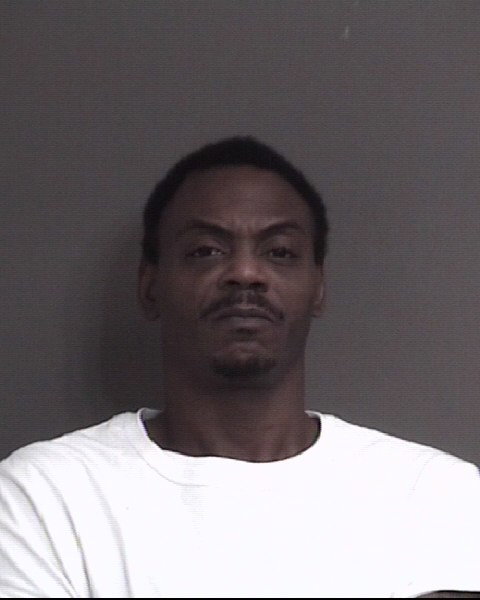
Walter Ricketts, 43, of Columbia was charged on Aug. 12, but not made public until after his arrest on Tuesday.

He is charged with two counts of armed criminal action, one count of first-degree assault and one count of unlawful use of a weapon. He is currently being held in the Boone County Jail on no bond. No court date has been set yet as of Wednesday morning.

Ricketts is accused of being one of four people who participated in a shooting at the Interstate 70 and Highway 63 interchange that left one man hurt.

Mechoal Lewis, Chase Ricketts and Montrez Ricketts have also been charged for their alleged roles in the shooting. It is unclear who shot the gun from court documents.

Montrez Ricketts, 47, of Columbia, is also facing charges of first-degree assault, two counts of armed criminal action and one count of unlawful use of a weapon. He is also being held in the jail on no bond.

Chase Ricketts, 19, of Columbia, was arrested Friday on charges of first-degree assault, unlawful use of a weapon and two counts of armed criminal action. He is also being held at the jail without bond. The younger Ricketts was arrested after police served a search warrant at Lakewood Apartments.

Lewis, 52, of Columbia, was charged a few days after the shooting but was indicted by a grand jury on Sept. 11 for seven felonies, including first-degree assault and illegal gun possession.

Court documents said the victim was shot in the mouth. Lewis allegedly told police he was the driver while Chase Ricketts was in the back seat.

Chase Ricketts is charged in a separate June 2026 shooting with felony evidence tampering for allegedly disposing of a gun.

Click here to follow the original article.

One eastbound lane of I-10 reopens near Desert Center after series of big rig crashes

Julia Castro

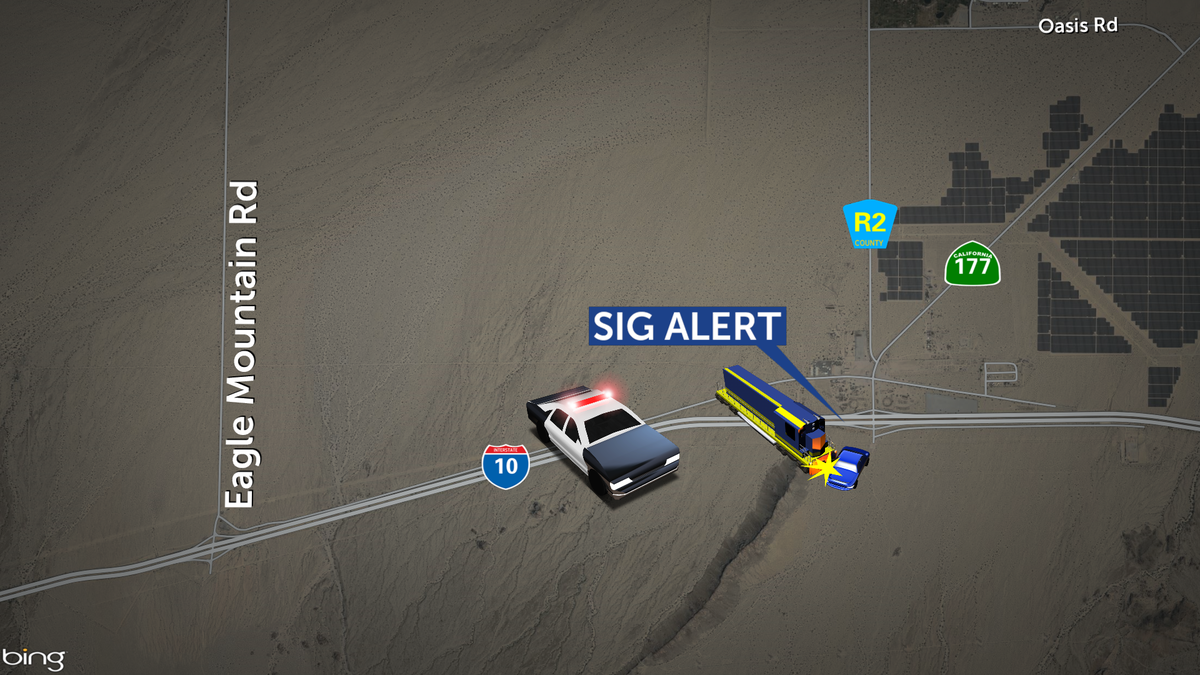
DESERT CENTER, Calif. (KESQ) — One eastbound lane of Interstate 10 reopened Wednesday morning near Desert Center after a series of crashes involving several big rigs.

The collisions prompted a full eastbound closure earlier in the morning, with traffic diverted off the freeway at Highway 177.

Authorities said no major injuries had been reported.

Drivers heading east should still expect delays through the Desert Center area as restrictions remain in place.

Motorists are being advised to avoid the route if possible.

This is a developing story. Stay with KESQ News Channel 3 for updates.

Click here to follow the original article.

Idaho’s ‘Unknown Wanderer’ identified after 44 years

Danielle Mullenix

UPDATE:

BOISE, Idaho (KIFI) — Betkouski was discovered beneath a pew at Sacred Heart Catholic Church on Dec. 4, 1982, having ingested cyanide following a confessional service. He carried $1,900 in cash and left a typewritten suicide note instructing that the money cover his funeral expenses, signed only with the alias “William L. Toomey.” Without identification, his identity remained a mystery to authorities for decades.

The breakthrough came after Detective Tim Cooper with the Ada County Sheriff’s Office reopened the cold case in 2019. Local experts examined key evidence and deciphered an engraving on one of 30 keys recovered from the body, tracing it to “Mills Court” in Jacksonville, Florida.

“Working with investigators and records personnel in Jacksonville, our office was able to acquire property deeds dating back to the late ’70s and early ’80s from Mills Court,” Cooper said. “Our office attempted to locate everyone listed on those past deeds.”

That trail led investigators to a family member who confirmed a brother had gone missing in 1982. Subsequent DNA testing between the surviving relative and evidence recovered from the original scene confirmed the victim was Betkouski.

Unmasking the “Unknown Wanderer” unlocked a far more chilling possibility: a possible connection to the 1982 Chicago Tylenol poisonings, which claimed seven lives just three months before Betkouski’s death.

Betkouski had a background in chemistry and maintained an interest in cyanide and explosives. Following a major head injury in 1974, those close to him reported that he became paranoid and strange. Personal items recovered during the investigation included a 1970s map of Chicago and a small bottle labeled cyanide.

Renowned forensic psychiatrist Dr. Park Dietz reviewed the cold case findings alongside investigators and noted the strong overlap.

“Detective Cooper and I co-presented to the largest group of experienced criminal profilers at the FBI Academy, where everyone agreed this was a viable suspect,” Dietz said. “They were as convinced as I that Detective Cooper may have unlocked the most important unsolved murder of my lifetime—the Chicago Tylenol murders.”

Ada County officials confirmed that evidence gathered during the investigation has been shared directly with the Chicago Police Department. Despite the compelling behavioral profile, law enforcement has cautioned that Betkouski has not been formally named a suspect in the Tylenol killings.

However, the case is slated to gain national attention in an upcoming episode of Unsolved Mysteries airing Oct. 9. Ada County Sheriff Matt Clifford said he hopes the national broadcast will generate new tips to bring final resolution to both cold cases.

Editor’s Note: This story was adapted from an original on-air broadcast report with the assistance of AI. All content is thoroughly reviewed and verified for accuracy by the Local News 8 editorial team.

ORIGINAL:

IDAHO FALLS, Idaho (KIFI) – For nearly 44 years, a man known only as the “Unknown Wanderer” has remained one of Idaho’s most enduring unidentified-person cases.

This morning, investigators say they may finally know who he was.

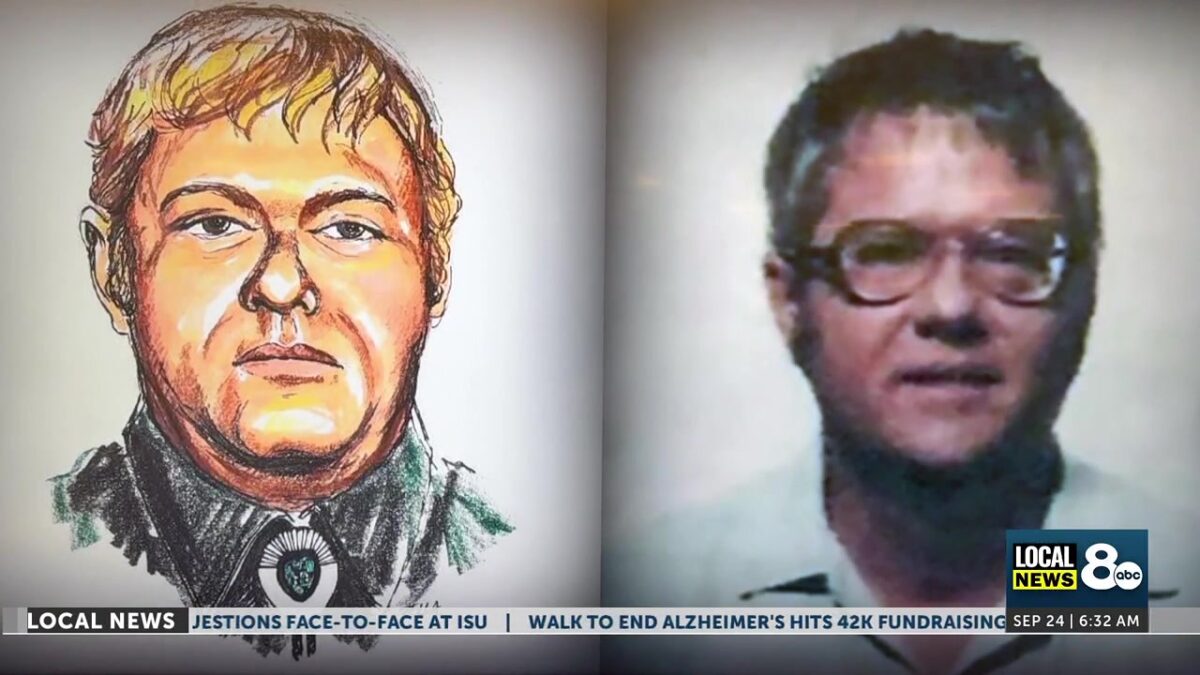
Sketch of William L. Toomey

The Ada County Sheriff’s Office is expected to reveal the man’s identity Wednesday morning, along with new information about a possible connection between the decades-old Boise cold case and the infamous 1982 Tylenol poisonings in Chicago.

The announcement is scheduled for 10 a.m. Wednesday, Sept. 23, with Ada County Cold Case Detective Tim Cooper and Sheriff Matt Clifford expected to speak alongside forensic psychiatrist Dr. Park Dietz and “Unsolved Mysteries” co-creator and executive producer Terry Dunn Meurer.

A decades-long mystery dating back to 1982

The case began the evening of Dec. 4, 1982, when an unidentified man was found dead beneath a pew at Sacred Heart Catholic Church in Boise. Church members had previously seen the man at the 4 pm confession service.

According to the Doe Network, the man was believed to be between 35 and 45 years old. Investigators determined he died by suicide after ingesting a cyanide pill.

A typewritten note found by his body instructed that the money he carried be used for his funeral and cremation, with anything remaining donated to the church.

Interior of the Sacred Heart Catholic Church today in Boise, Idaho

He also had $1,900 in cash beside him, including 19 $100 bills, but no identification.

Despite years of investigation, authorities have been unable to identify him.

While the suicide note was signed with the name “Wm. L. Toomey,” investigators later determined that it was an alias:

Suicide note found near the “Unknown Wanderer”

“In the event of my death, the enclosed currency should give more than adequate compensation for my funeral or disposal (preferred to be cremated) expenditures. What is leftover, please take this as a contribution to this church. God will see to your honesty in this.”

— Wm. L Toomey

Investigators followed leads across several states, including California, Arizona, New Mexico, Pennsylvania, New York, Oklahoma, Tennessee, and Illinois.

The case eventually became known as the “Unknown Wanderer.”

A string of clues

The man was described as well-groomed and physically fit. He wore western-style clothing and a belt buckle containing a Mexican 100-peso coin. Investigators traced his belt to a western shop in Phoenix, Arizona.

The “Unknown Wanderer”‘s belt buckle

The name “William L. Toomey” also led investigators to a Massachusetts company that manufactured clothing for priests and nuns. However, investigators could not establish a connection between the company and the unidentified man.

His fingerprints also did not match any available databases. It is also unknown if authorities were able to retrieve DNA from the original scene.

The mystery received national attention when the case was featured on “Unsolved Mysteries” in 1990.

A possible link to the Tylenol Poisonings of 1982

The latest development adds another layer to the mystery.

The Ada County Sheriff’s Office says its investigation may have uncovered a connection between the Unknown Wanderer and the 1982 Tylenol poisonings, in which seven people in the Chicago area died after taking cyanide-laced capsules three months prior.

Those deaths occurred in September and October 1982 — just months before the unidentified man died in Boise from cyanide poisoning.

New Packing of over-the-counter medications was the immediate result of these murders PBS News

Authorities have not publicly explained what they believe the connection may be. They expect to reveal it during today’s press conference.

The Tylenol killings remain unsolved. The case prompted major changes to over-the-counter medication packaging, including the widespread use of tamper-evident packaging.

A possible destination for the “Unknown Wanderer”

The Unknown Wanderer was eventually buried in Eagle under the name “William Toomey,” the alias used on his suicide note.

Now, after more than four decades, investigators say that name may finally be replaced by the man’s true identity.

The Ada County Sheriff’s Office is expected to provide those answers during Wednesday morning’s news conference.

Local News 8 will continue to update this story as investigators release new information. To watch the press conference this morning, click here.

Click here to follow the original article.

Desert Regional doctor highlights prostate cancer screening during Awareness Month

Dakota Makinen

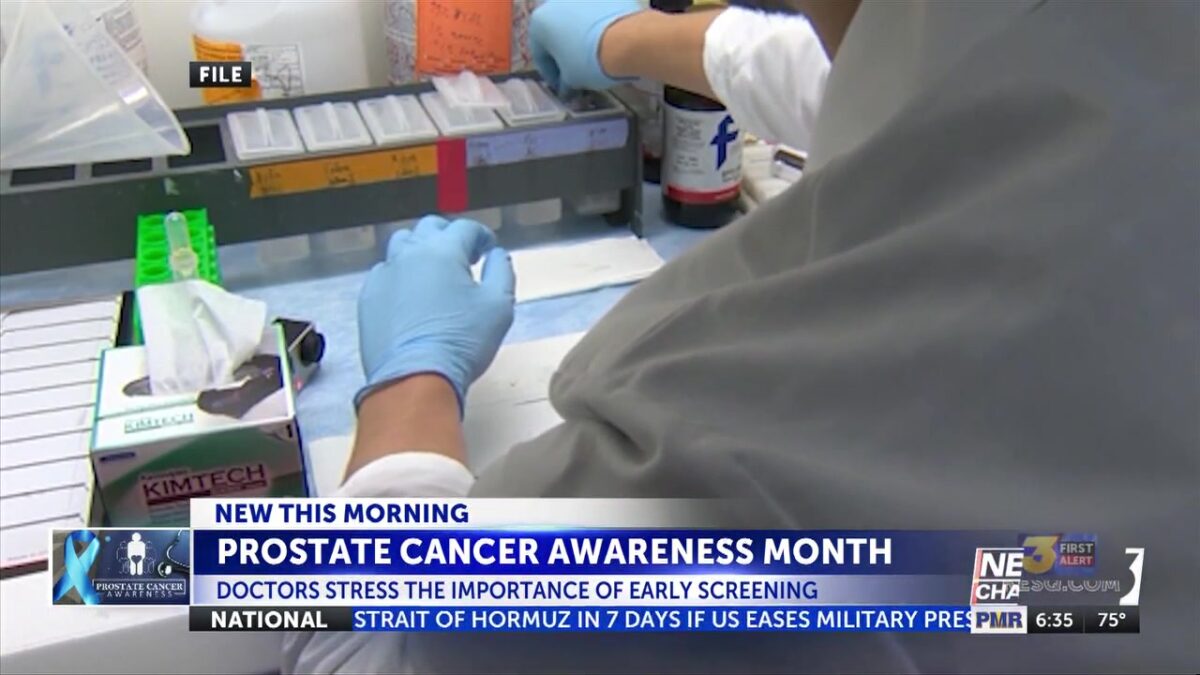
COACHELLA VALLEY, Calif. (KESQ) – September is Prostate Cancer Awareness Month, and doctors at Desert Regional Medical Center are encouraging men to talk with their health care providers about their individual risk and screening options.

The American Cancer Society estimates 333,830 new cases of prostate cancer will be diagnosed in the U.S. in 2026.

Dr. Lavaf with Desert Regional says early detection is an important part of prostate cancer care, and newer imaging and detection tools are giving doctors more information when evaluating patients.

Treatment options vary depending on the individual patient and the cancer and can include active surveillance, surgery, radiation and medications.

Doctors say men should talk with their health care provider about when screening may be appropriate based on their age, family history and other risk factors.

Stay with News Channel 3 for the latest updates.

Click here to follow the original article.
Two projects on North 9th Street in Cañon City to end soon after nearly a year of construction

Scott Harrison

CAÑON CITY, Colo. (KRDO) — Detours and street closures should disappear in a few weeks on two miles of 9th Street north of downtown, as crews wrap up a pair of improvement projects.

The first project began late last year on a half-mile segment south of the city limits between Washington Street and Meadows Avenue.

That segment was in poor condition because of previous excavations; crews widened and rebuilt the street and installed sidewalks for the first time, improving conditions for pedestrians.

The project officially ends on Wednesday as a segment reopens to traffic.

It’s a relief for the staff at JR’s Food Store, which had to close two hours early because of having fewer customers.

“There were quiet days, and there were still days that we were busy,” said manager Tina Reed. “But the contractors kinda made up for some of it. Just the business from them. 9th Street is very nice to drive on now.” 

The second project was more impactful because it involved a water main replacement that cut through a residential neighborhood; crews are also repaving over it and installing a new concrete framework.

That was the longest segment, between Floral and Harding Avenues; much of that segment has reopened.

Work started in May, and officials said that it’s on schedule for completion in mid-October, when they expect to reopen the final three-block construction segment.

“This work was really needed,” said nearby homeowner Dawn Shaffer. “They were very generous and took our points into consideration when they were repaving the road, because we used to have a lot of bad flooding in this area. So, they were very considerate in that regard.” 

Shaffer said that crews working near her property found a dinosaur fossil and gave it to her and her daughter, Eleanor.

“It’s a vertebra from some sort of long-tailed dinosaur,” Dawn revealed. “The museum said that it’s around 65 million to 70 million years old. It’s nice to know the value so we can insure it, at least.”

Another project that started two years ago will resume this fall: Relocating a natural gas line under railroad tracks at the east end of Main Street.

In the first attempt, the metal pipe broke underground; on the second try, the pipe damaged a city water line that required repair.

The contractor has since redesigned the relocation.

The city plans to start a stormwater project in the area once the gas line project is finished.

Residents are hoping for a break in major construction projects; in 2024, crews installed new crosswalks and signals on the west end of US 50 near downtown.

Last year, the city finished a beautification project on the west end of Main Street downtown.

Stay up to date with the latest local news, sports, and investigations by downloading the KRDO13 app. Click here to download it from the Apple App Store. Android users can download it from Google Play here.

Click here to follow the original article.

Beaver dam threatening water levels near historic buildings at Scandia’s Gammelgården Museum

By Nick Lunemann

Click here for updates on this story

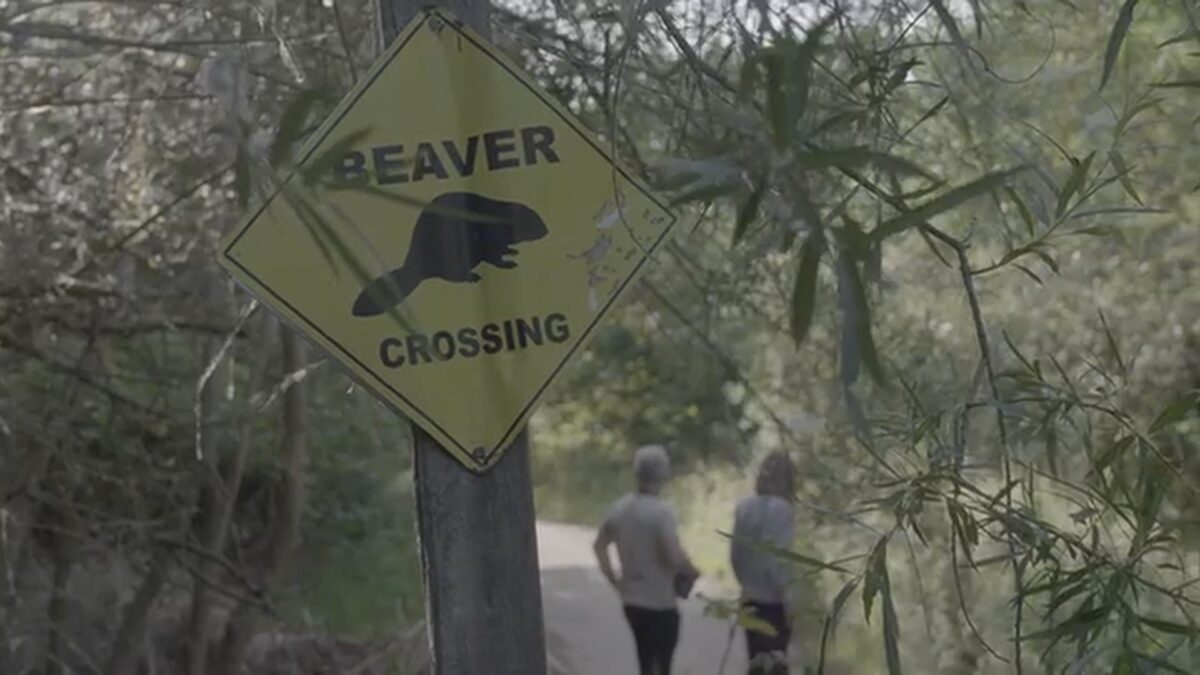
    SCANDIA, Minnesota (WCCO) — A beaver dam near one of Scandia’s most historic sites is raising concerns about what higher water levels could mean for buildings that have stood for more than 150 years.

At Gammelgården Museum of Scandia, the focus is on protecting historic structures near the water, including a barn dating back to the 1860s and 1870s.

The beaver dam has been holding back water in the area for roughly two years. So far, dry conditions have helped keep the situation manageable.

“Right now, like I said, the drought has really helped us by keeping the water low,” Scandia Mayor Steve Kronmiller said.

Signs of the higher water are still visible around the property. While walking the area, Kronmiller pointed to a bridge he said “has been under water most of the summer.”

The concern is less about conditions now and more about what could happen if significant snow and rain raise water levels next spring.

Gammelgården Museum Director Ann Rinkenberger said some of the museum’s oldest buildings could be threatened if water reaches their foundations.

“If the water continues to come up and affects the foundation of them, we potentially could lose both of them,” Rinkenberger said.

The museum preserves the history of Scandia and the Swedish immigrants who settled the area. Losing one of the historic structures would mean losing something that cannot simply be replaced.

Kronmiller said the city has been working with the property owners where the dam is located as they look for a solution to manage the water.

One possibility is a device that would allow the dam and beavers to remain while giving property owners and the city a way to control how high the water gets.

Kronmiller said the goal is to “allow the dam to stay and the beavers to stay” but he wants the water to be managed and maintained at a specific level.

For now, drought conditions have bought the area some time. The city hopes to have a plan in place before spring, when melting snow and rain could once again send water levels higher.

Gammelgården is also pursuing placement on the National Register of Historic Places, adding another reason museum leaders say preserving the historic buildings is important.

Please note: This story was provided to CNN Wire by an affiliate and does not contain original CNN reporting. This content carries a strict local market embargo. If you share the same market as the contributor of this article, you may not use it on any platform.