Nebraska lawmakers examine state practices for shackling juveniles

By John Grinvalds
Click here for updates on this story
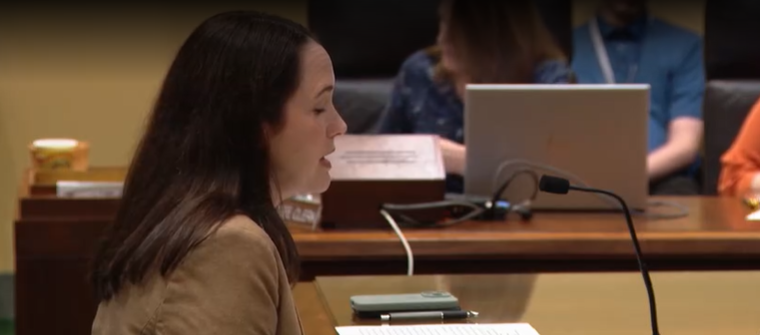
LINCOLN, Neb. (KETV) — The Nebraska Legislature’s Judiciary Committee examined the use of restraints on in-custody juveniles on Monday.
Lawmakers and experts questioned whether shackling should be used as a standard practice.
The committee held an interim study hearing on Legislative Resolution 403, introduced by state Sen. Victor Rountree of Bellevue. Rountree said the hearing was intended to continue a conversation started last session with a bill he championed to rein in the use of shackles.
During the past fiscal year, there were 6,351 transports involving youth on probation, according to information presented to the committee. The transports included trips ranging from dental appointments to transfers to new facilities.
Of those transports, 226 were classified as secure transports.
“Secure transport includes a youth being handcuffed or shackled,” said Kari Rumbaugh with the Nebraska Supreme Court Administration Office, who heads up the Juvenile Services Division. “The first point is juvenile intake, which occurs when law enforcement takes the youth into custody and requests a probation officer assess the youth for placement at detention.”
Shackling involves more than handcuffs placed behind the back: restraints are also placed around the ankles and waist. Rountree said he’s wary of the use of those restraints during initial transports of juveniles awaiting detention.
“My concern is impact on mental health,” Rountree said. “My concern is impact on kids being entered into the system shackled. They don’t have an opportunity to grow, don’t have an opportunity to mature.”
The committee also heard personal testimony from people who experienced shackling as juveniles.
Sarah Mitchell, who supports LR 403, described injuries she said she and other girls experienced while being restrained.
“All of us girls came in there with bruises and marks around our wrists and ankles because the shackles were put on too tightly. Sometimes those marks turned into scars,” Mitchell said.
Rountree and other experts acknowledged that there are circumstances, including flight risks and safety concerns, when restraints may be warranted. But they also said shackling can create significant challenges for young people in custody.
“Imagine being a young girl with your hands and feet shackled, trying to pull down your pants, use the bathroom and clean yourself while being transported by a male officer,” Mitchell said.
Rountree said he plans to introduce legislation addressing the use of restraints on juveniles during the next legislative session.
Please note: This story was provided to CNN Wire by an affiliate and does not contain original CNN reporting. This content carries a strict local market embargo. If you share the same market as the contributor of this article, you may not use it on any platform.