Advocates ask Idaho Supreme Court to revise Prop 1 ballot language

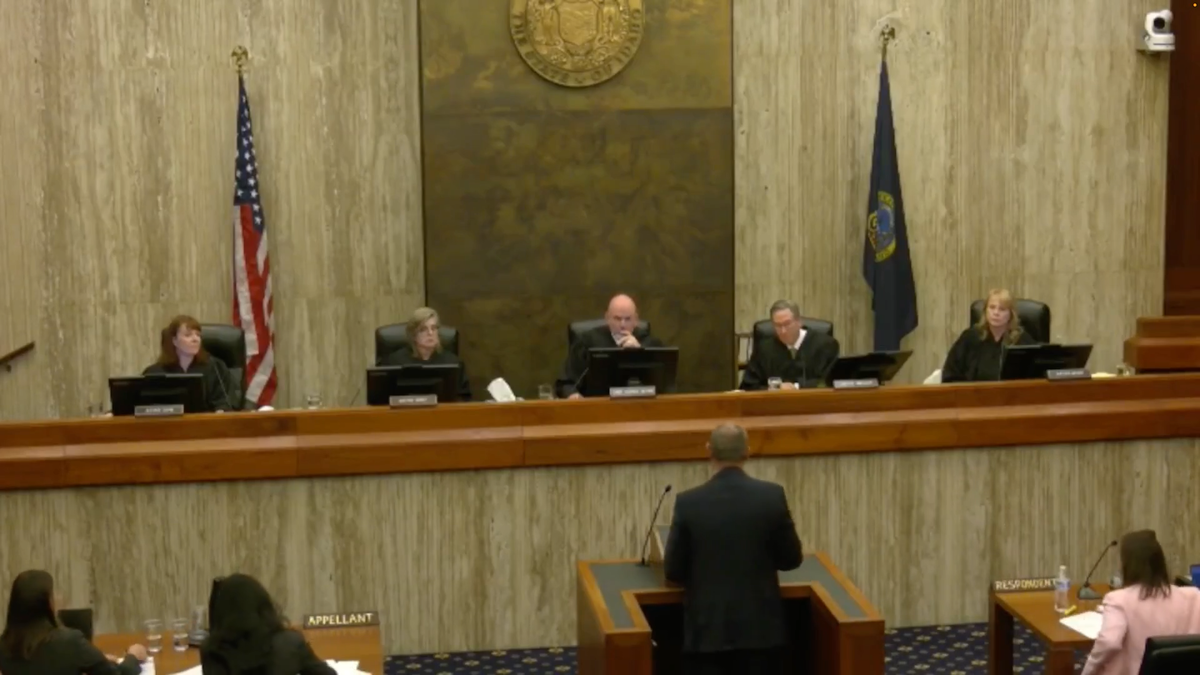
BOISE, Idaho (KIFI) — In a continuing debate over Proposition 1, the group behind the ballot initiative is back in court to challenge the language that will appear on the November ballot.
Idahoans United for Women and Families asked the Idaho Supreme Court to review the wording that would appear on the ballot for Prop 1.
The group argues the proposed ‘yes’ and ‘no’ statements are biased and misleading, particularly the ‘no’ statement, which it says goes beyond a simple explanation and could influence voters.
The statement reads: “A no vote would make no change to Idaho’s current law, which protects the life of the unborn while allowing abortion in reported cases of rape or incest, or when necessary to protect the life of the mother.”
“We propose that a no vote statement that would be compliant would simply truncate the respondents’ proposed language. It would read: ‘A no vote would make no change to Idaho’s current law.’ Period.”
Attorneys defending the ballot language argued the wording complies with state law, which requires an explanation of a vote’s effect.
“The petitioners’ proposed language would reduce the effect statements to a little more than vote yes and if the proposition passes to vote no and the law will not change. That doesn’t tell voters anything. It tells them virtually nothing. It doesn’t tell them anything about what their vote will be. That cannot be what the legislature intended.”
The court did not indicate when it would issue a ruling.
Under federal and state law, ballot content must be finalized by September 11 to give county clerks enough time to meet absentee ballot mailing deadlines.
Attorney General Raul Labrador said in a written statement after the hearing, “Our duty under the law is straightforward: to provide a clear and concise statement of the effect of a vote on an initiative. We do not tell Idahoans how to vote; we tell them what their vote will do. The Yes statement reflects the sponsors’ own initiative language, and the No statement reflects Idaho law as it stands today. The sponsors are entitled to advocate for their initiative, but they are not entitled to dictate the official ballot language. Idaho voters deserve a fair description of both choices so they can decide for themselves. That is what we provided.”
Click here to follow the original article.