$20.8M U.S. 30 Wildlife Crossings Nearing Completion

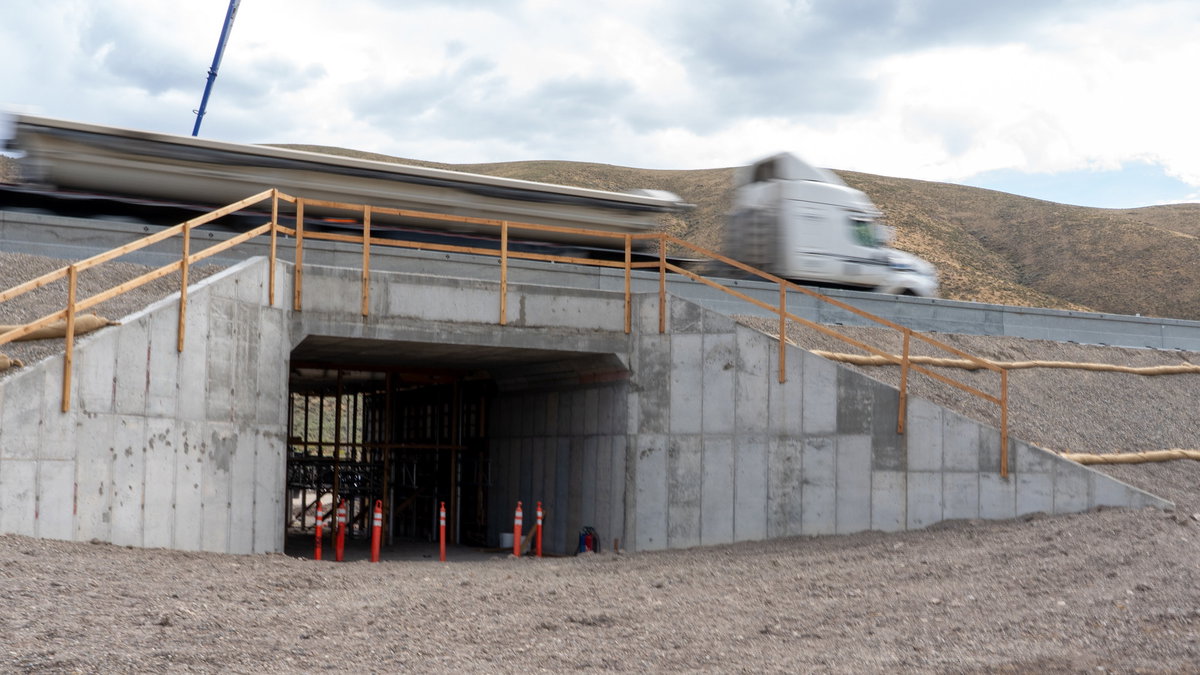
MONTPELIER, Idaho (KIFI) — A $20.8 million effort to keep wildlife off the highway and protect drivers along a dangerous corridor of U.S. Highway 30 south of Montpelier is nearly complete.
Construction on three new wildlife underpasses along US-30 is expected to be finished this fall. Today, local and state officials, along with wildlife advocates, toured the site to see how the project is coming along.

According to the Idaho Transportation Department, the Rocky Point area sees around 100 wildlife-vehicle collisions each year, mainly involving mule deer. Beyond the physical danger to motorists, these accidents carry a heavy financial toll: wildlife collisions cost Idaho an average of $143.7 million every year.
The agency says wildlife underpasses and overpasses have proved an effective tool, cutting crashes with large animals by as much as 97 percent while keeping important migration routes open.
“The Idaho Transportation Department’s primary responsibility is the safety of the travelling public,” said ITD project manager Bo Frasure. “With approximately one hundred wildlife collisions a year at Rocky Point, this project’s need was clearly apparent. By funneling wildlife through underpasses, the animals are kept off the road and safely away from traffic. We are excited to see this project come to fruition.”
The project combines three underground passes with directional fencing to guide animals safely beneath the highway instead of across it.
“This project is about more than moving wildlife across the road—it’s an investment in public safety and the mule deer resource in this part of the state,” said Dan Garren, regional supervisor for Idaho Fish and Game’s Southeast Region.
The nearly 21-million-dollar project was funded through a federal wildlife crossings grant program. Idaho Conservation Manager at the Greater Yellowstone Coalition, Matt Lucia, says the Rocky Point wildlife crossing project shows what’s possible when agencies, conservation and sporting groups, and local communities work toward the same goal.
Click here to follow the original article.