Western Riverside County confirms cases of west nile virus, spraying planned

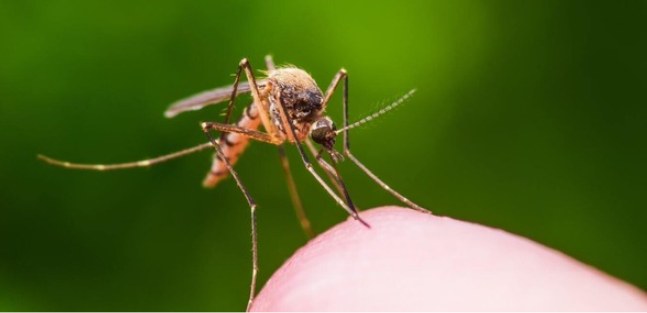
NUEVO & MURRIETA, RIVERSIDE COUNTY (KESQ) Riverside County Vector Control Program has confirmed two detections of West Nile virus (WNV) during this mosquito season, in unincorporated areas of the county.
The first detection came from a mosquito pool collected during routine surveillance in Nuevo. The second was confirmed through laboratory testing of a dead bird found near Spencer’s Park in unincorporated Murrieta. No mosquito samples from the district’s service area where the bird was found have tested positive for WNV at this time.
In response to the positive mosquito pool, Vector Control will conduct an ultra-low-volume (ULV) ground treatment in parts of Nuevo on Tuesday, August 25, from 4:30 to 7 a.m. Truck-mounted sprayers will apply Aqua Reslin, an EPA-approved mosquito-control product, at a rate designed to be safe for people, pets and crops.
Residents and pets should remain indoors and keep windows closed for 15 minutes following the application. Treatment-area signs will be posted beginning Friday, August 21.
Treatment zones include:
Mystic Field Area: 49.5 acres
 West Nuevo Area: 172 acres
 East Nuevo Area: 77 acres

Following the positive bird detection, Vector Control is increasing surveillance in Murrieta, identifying mosquito-breeding sites and conducting larval control where needed.
County officials are urging residents to take precautions, including using insect repellent containing DEET, picaridin, oil of lemon eucalyptus (PMD), or IR3535; wearing long sleeves and pants; avoiding mosquito exposure around dawn and dusk; and eliminating standing water around homes.
Residents should also maintain window and door screens and regularly clean or replace water in birdbaths, pet bowls and other outdoor containers.
To report mosquito problems, ask questions or request mosquito-eating fish, residents can contact Riverside County Vector Control at 951-766-9454.
More information is available through the Riverside County Vector Control Program.
Click here to follow the original article.