Farm to Foodbank Tops 718,000 Pounds in Santa Barbara County

Patricia Martellotti

SANTA BARBARA, Calif. (KEYT) – Fresh produce from local farms is reaching more families across Santa Barbara County through a partnership that is also supporting area growers.

One year after launching the Farm to Foodbank program, the Foodbank of Santa Barbara County has distributed more than 718,000 pounds of locally grown produce purchased directly from regional farms.

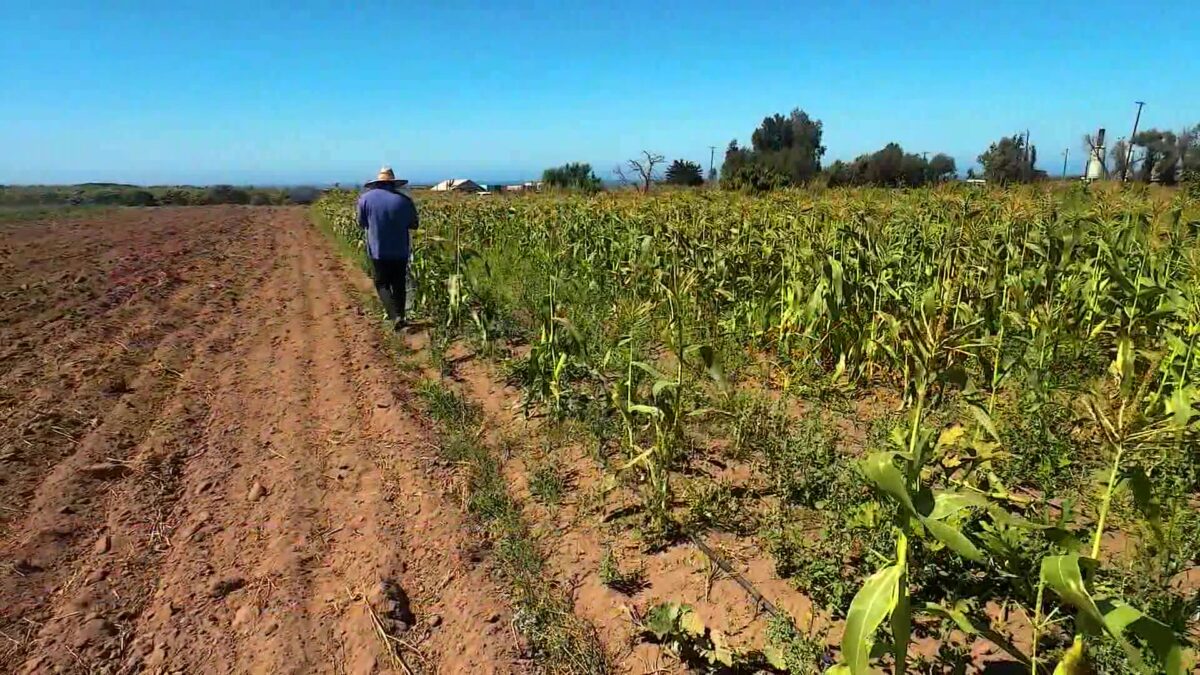
Workers are harvesting everything from tomatoes and watermelons to corn at Osario Family Farms in Carpinteria.

“It’s looking good,” farm worker Juan Osario said. “We do grow organically, so with the corn, when the tip is dry that means it’s most likely ready.”

Every harvest helps supply fresh fruits and vegetables to local families facing food insecurity.

“Harvest is going good,” Osario said. “We’re harvesting our watermelon, our tomatoes, and we have corn we’re going to get to harvesting this week.”

The program has returned more than $1 million to local farms while expanding access to fresh food throughout the county.

“We’ve been able to work with multiple farmers in our region,” Jesus Lopez, director of operations for the Foodbank of Santa Barbara County, said. “We’ve been able to help our local farming community, and at the same time we’re helping our neighbors with fresh produce.”

For Osario, the work is personal.

“It’s a good feeling knowing that I’m growing healthy food for my community,” he said. “Everyone that is getting it actually does enjoy it.”

The partnership has also created more stability for local growers.

“It helps create security because the Foodbank is constantly buying,” Osario said. “It pretty much ensures our produce will get sold, whether it’s tomatoes, peppers or corn.”

Today, about 80 percent of the Foodbank’s produce purchases come through the Farm to Foodbank program.

“Our hope is to keep growing the program, help more farmers, keep adding farmers to the program and continue raising awareness,” Lopez said.

The growing season continues, and so does the effort to bring fresh, locally grown food to families across Santa Barbara County.

The Latest Breaking News, Weather Alerts, Sports and More Anytime On Our Mobile Apps. Keep Up With the Latest Articles by Signing Up for the News Channel 3-12 Newsletter.

Click here to follow the original article.

Hospitals of Providence opens new weight loss center in West El Paso

Gabrielle Lopez

EL PASO, Texas (KVIA) — Thursday, the Hospitals of Providence announced a new weight loss center and medical office located in West El Paso.

A ribbon cutting unveiled the Weight Loss Center West in conjunction with Providence Medical Partners General Surgery and Weight Management, according to THOP. It’ll help more patients access care for surgical and weight loss services.

THOP said the weight loss center is the only hospital in El paso to have a national accreditation from the Metabolic and Bariatric Surgery Accreditation and Quality Improvement Program by the American College of Surgeons.

The program includes a range of resources with surgical options, weight loss medicine options, support groups and nutritional counseling, according to THOP.

“I am really excited and proud to be a part of this new center that can help patients in need of specialized care from weight loss goals or patients in need of surgical care,” said Dr. Benjamin Clapp.

Dr. Clapp will lead the weight loss center as the medical director, THOP said. He said the center customizes plans for patients, including weight loss, mobility increase, reducing medications needed due to obesity and other treatments.

“The universe of weight loss and all of the tools available continue to evolve over time, and so this is our commitment to continue that evolution supporting our patients on their journey to success,” Victoria Gonzalez, CEO of THOP Memorial Campus said.

THOP’s Weight Loss Center West is located at 4532 N. Mesa St.

Click here to follow the original article.

Problem Solvers: DIY air purifiers offer affordable relief amid Central Oregon smoke from ongoing wildfires

Claire Elmer

(Update: adding EPA instructions)

BEND, Ore. (KTVZ) — As wildfire smoke continues to affect Central Oregon, many commercial air purifiers have sold out at stores around the region. But the Environmental Protection Agency says a do-it-yourself box-fan air cleaner can offer a more affordable, attainable way to reduce smoke particles indoors.

The Oregon Department of Environmental Quality has extended an air quality advisory for Crook, Deschutes, and Jefferson counties through at least Friday afternoon due to smoke from multiple wildfires. Conditions can change quickly depending on fire activity and wind direction.

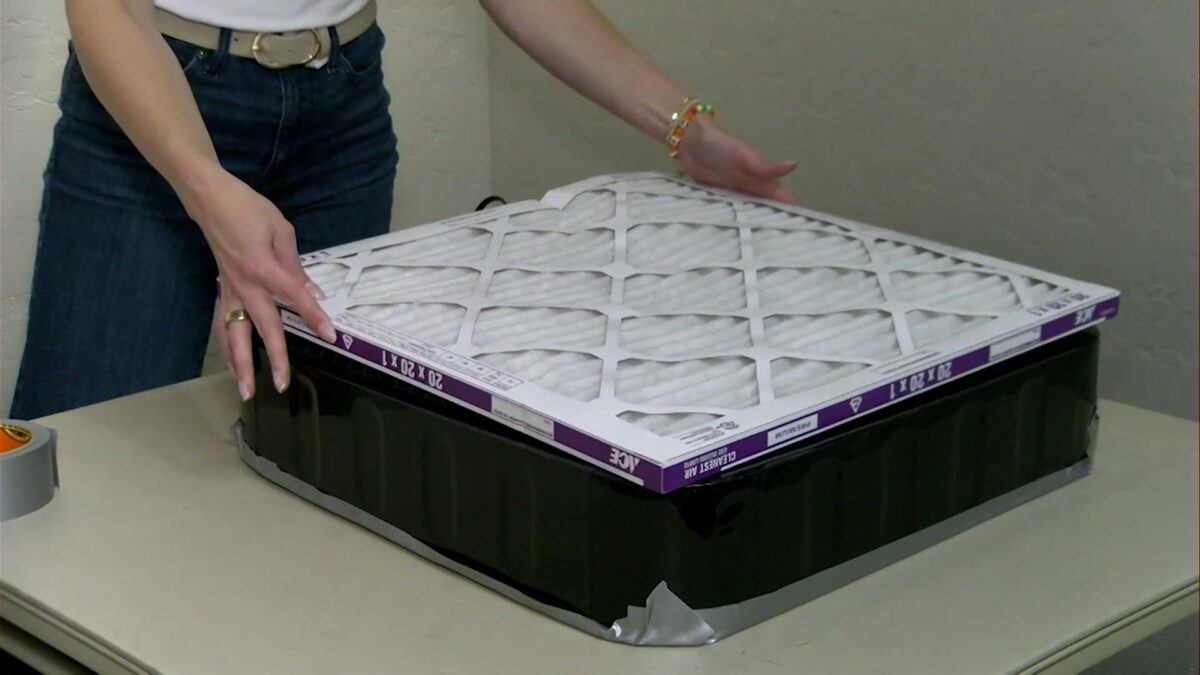
To build a basic air cleaner, the EPA recommends using a 20-by-20-inch box fan made in 2012 or later, a matching MERV 13 air filter, cardboard, and duct tape. The fan should also have a UL or ETL safety marking.

MERV stands for Minimum Efficiency Reporting Value and measures how effectively a filter captures airborne particles. The EPA recommends a MERV 13 filter because it can capture the very small particles found in wildfire smoke. A one-inch-thick filter can work, although the agency found that thicker filters are more effective.

The filter should be attached to the back of the fan, with the airflow arrow pointing toward the fan. A cardboard shroud with an opening roughly the size of the fan blades can then be taped to the front.

EPA laboratory testing found that adding the cardboard shroud increased the cleaner’s clean-air delivery rate by 40%.

The EPA recommends keeping both sides of the cleaner free of obstructions and plugging the fan directly into an outlet instead of using an extension cord. During smoky conditions, check the filter daily and replace it when it turns dark gray or brown or begins to smell like smoke.

One unit may help create a cleaner-air room where household members spend most of their time. However, a DIY cleaner does not eliminate every wildfire hazard and is not a substitute for following evacuation orders.

More construction and safety information is available through the EPA’s DIY air-cleaner guide.

Click here to follow the original article.

Can window tint beat the heat?

Dakota Makinen

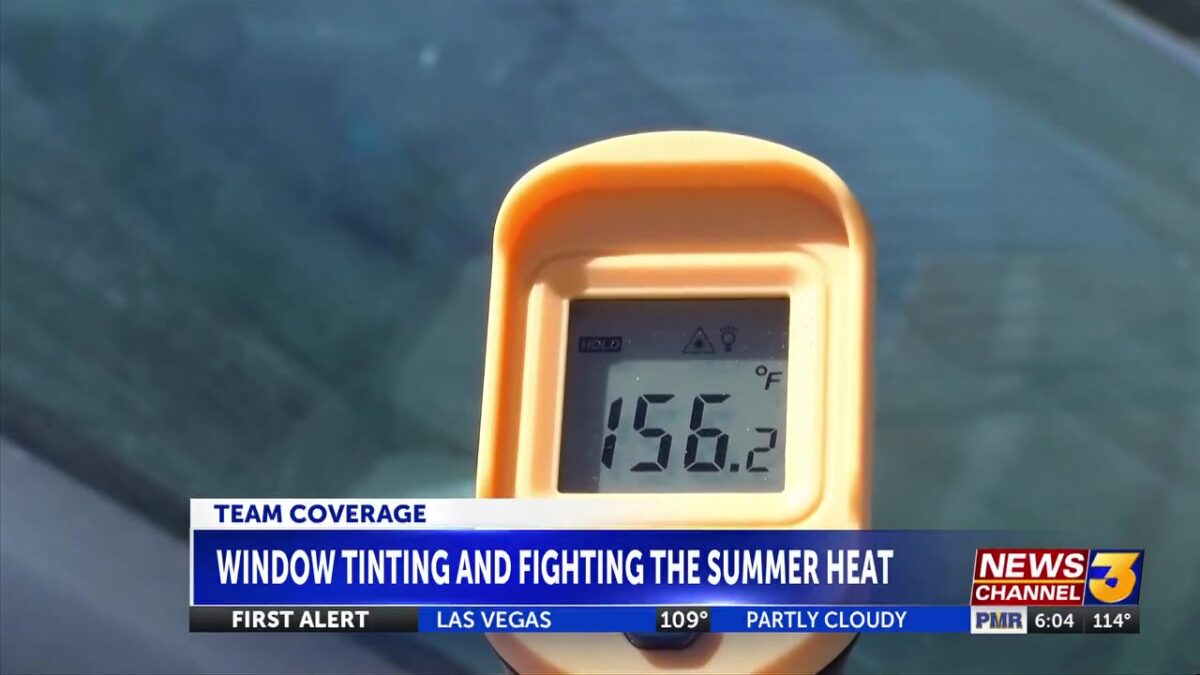
COACHELLA VALLEY, Calif. (KESQ) – As triple-digit temperatures continue across the Coachella Valley, many drivers are turning to window tinting to help keep their vehicles cooler and protect against the sun’s UV rays.

California law regulates how dark window tint can be, particularly on front side windows.

Local window tint installers say business tends to increase during the summer months as drivers look for ways to make their cars more comfortable. Experts say the type of film matters, explaining that ceramic tint can help block infrared rays, which contribute to heat buildup inside a vehicle.

However, window tint is not a complete solution for desert heat.

Before getting windows tinted, drivers should also know California’s rules. The law limits tint on front side windows, which must allow at least 70% of light to pass through. Rear windows have different requirements.

Law enforcement officials say overly dark tint on front windows can create safety concerns, especially at night, by making it harder for drivers to see and for officers to see inside a vehicle.

Experts say drivers should consider both comfort and safety when choosing window tint — making sure the film meets their needs while staying within California law.

Click here to follow the original article.

How local farms are responding to growing Cyclospora concerns

Luis Avila

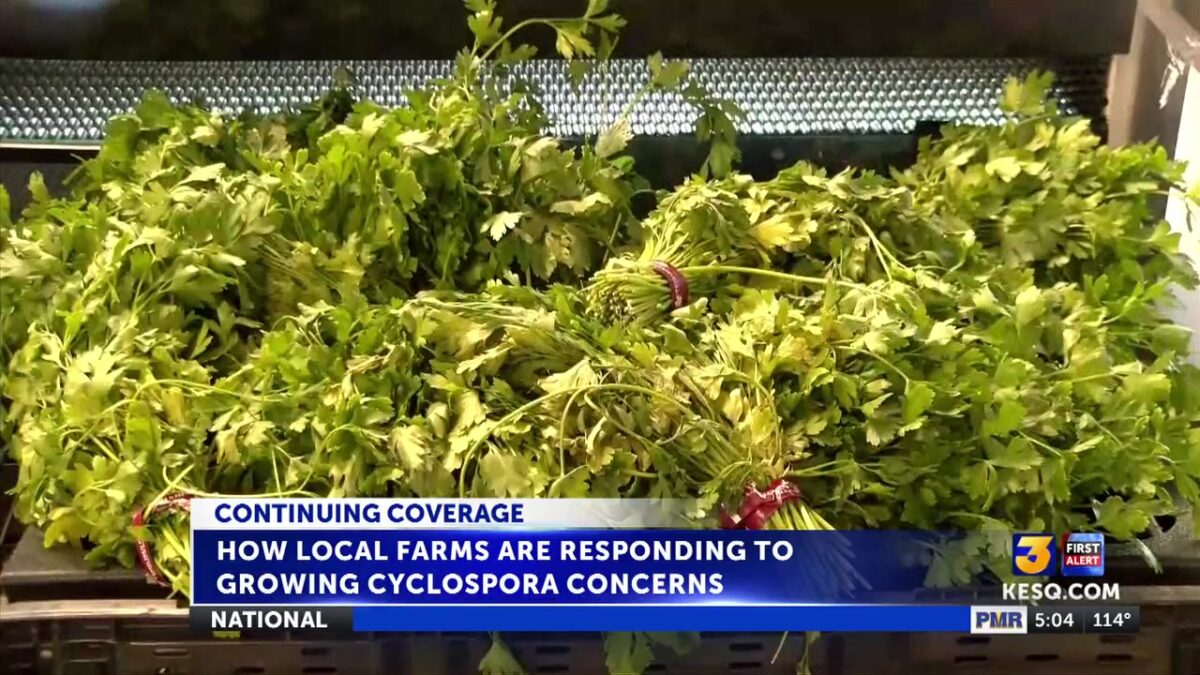
COACHELLA, Calif. (KESQ) — A nationwide Cyclospora outbreak linked to contaminated produce is prompting some Coachella Valley shoppers to think twice before filling their carts.

Local farmers say they’re seeing growing concern from customers who want to know more about how produce is grown, cleaned and handled before it reaches their tables.

At Temalpakh Farm in Coachella, Marco Giron, farm operations manager, says those conversations have become much more common in recent weeks.

“We’ve seen a lot of customers wondering or just curious about how we handle our produce,” Giron said. “We reassure them that the outbreak isn’t happening here.”

Giron says the farm is using the increased attention to educate customers about the food safety measures already in place.

“We have a whole process how we wash our produce,” Giron explained. “Since we are a 100 percent organic farm, there goes a little bit more into washing the produce. We have organically certified sanitizers and products that we’re allowed to use, and that gives us extra protection against bacteria, mold or fungus that can develop on our produce.”

He says food safety doesn’t end at the farm. Proper handling at home is also an important step in reducing the risk of illness.

“Wash thoroughly with clean, cool water, and make sure you wash your hands also before that because a lot comes from when your hands are not clean,” Giron said.

As questions about food safety continue, Giron encourages shoppers to buy directly from local farms and farmers markets whenever possible.

“For now, just be careful where you get your groceries from,” he said. “I suggest buying local. It’s a safer procedure rather than buying produce where you don’t know where it’s coming from.”

Health officials continue to investigate the source of the nationwide outbreak. Cyclospora can cause prolonged diarrhea, stomach cramps and other gastrointestinal symptoms.

Stay with News Channel 3 for more.

Click here to follow the original article.

Brush fire scorches dozen acres south of Highway 371 in Anza

City News Service

UPDATE: From Cal Fire, “The fire remains 43 acres and is now 10% contained. One lane of Highway 371 will be opened, expect delays. The residents who were impacted by the localized evacuations may return to their homes. Please use caution when traveling through the area as firefighters are continuing to perform mop up and several fire engines are in the roadways. Firefighters will remain on scene for six-to-eight hours.”

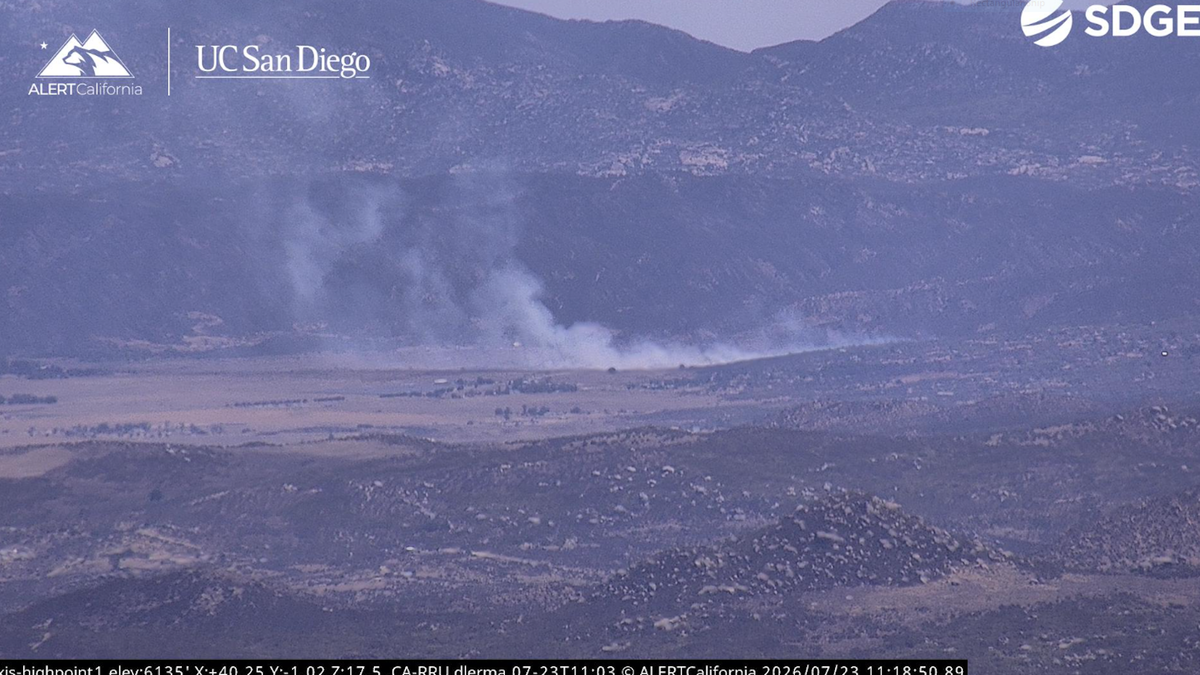
ANZA (CNS) – A brush fire that erupted today south of Highway 371 in Anza charred roughly 12 acres and prompted a closure of the highway before the blaze was stopped.

The non-injury fire was reported at 10:07 a.m. Thursday in the area of Burnt Valley and Kirby roads, according to the Riverside County Fire Department.

The agency said multiple engine and hand crews were sent to the location and encountered flames moving at a moderate rate to the northwest — directly toward the 371.

Four Cal Fire air tankers and three water-dropping helicopters initiated runs on the brusher at 10:35 a.m.

The forward rate of spread was halted by 11:45 a.m., and crews had established hose lays around most of the brusher a short time later.

Full containment was expected by mid-afternoon Thursday.

No homes or other structures were threatened in the sparsely populated area.

However, the flames jumped the two-lane highway shortly before 11 a.m., prompting California Highway Patrol officers to shut down both sides of the corridor between Kirby and Terwilliger roads for public safety.

The fire that slopped over the 371 was quickly stopped in a dry wash adjacent to a solar farm, where several helicopters and bulldozer crews went to work on it.

The hard closure of the 371 was expected to be lifted early Thursday afternoon.

The cause of the fire was under investigation. The Anza Valley has been ground zero for unexplained wildfires every summer for the last decade.

Click here to follow the original article.

Man Arrested After Allegedly Hitting Woman with Truck, Fleeing, and Being Caught with Drugs

Seth Ratliff

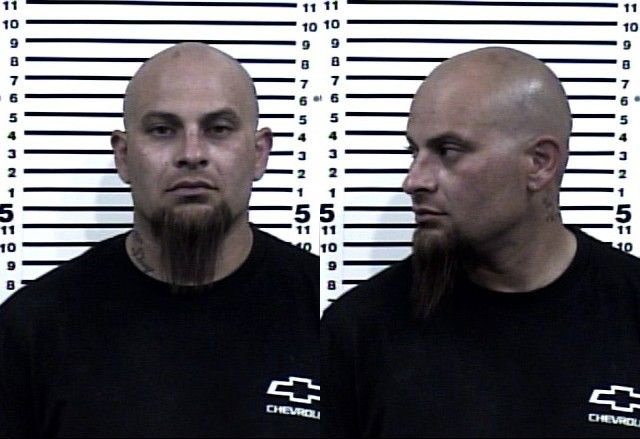
IDAHO FALLS, Idaho (KIFI) — A 36-year-old local man is behind bars after deputies say he hit a woman with his truck during a domestic dispute and fled the scene, only to be caught the following night with methamphetamine and marijuana in his vehicle.

Jacob Luke Burns was arrested Wednesday evening, July 22, by Bonneville County Sheriff’s deputies following a traffic stop near Iona Road and 15th East.

Deputies had been actively searching for Burns in connection with an incident that took place the day before. He now faces felony charges for Leaving the Scene of an Injury Crash and Possession of Methamphetamine, along with misdemeanor charges for Possession of Marijuana and Possession of Drug Paraphernalia.

The Storage Unit Incident

On Tuesday afternoon, July 21, deputies were called to the Eastern Idaho Regional Medical Center (EIRMC), where a woman was being treated for injuries to her head and extremities.

The victim told investigators she and Burns had gotten into a heated argument at a storage facility near Iona Road and 15th East earlier that day. She claimed that as Burns tried to drive off in his pickup truck, she held onto the vehicle. As Burns drove away, she was thrown against the edge of the building before being pulled under the truck. Burns then drove away, leaving her injured.

Despite her injuries, the woman managed to get to her car and drive to a friend’s house, who helped take her to the hospital.

While at EIRMC, the deputies observed physical evidence corroborating her story, states the release. They later obtained surveillance footage from a nearby business that captured the entire incident. According to investigators, the video showed Burns driving away as the vehicle hit the victim, even showing the back end of the truck bouncing up as it ran over part of her body.

A Conflicting Report

During the initial investigation on July 21, investigators say Burns contacted dispatch himself and spoke with a deputy by phone.

Burns claimed the woman had repeatedly hit him during the argument while he was trying to get away. He later told deputies that he was unaware his truck had struck her and stated he wanted to press domestic battery charges against her.

Traffic Stop and Arrest

The following night, July 22, around 8 p.m., a BCSO deputy spotted Burns driving near the same intersection as the storage facility and pulled him over into a traffic stop.

As he approached Burns’ vehicle, the deputy saw that Burns showed signs of impairment and noted a strong smell of marijuana coming from inside the truck.

A search of Burn’s pickup uncovered 16 grams of Methamphetamine, 20 grams of Marijuana, and multiple items of drug paraphernalia and packaging materials consistent with illegal drug distribution

Burns was taken into custody without further incident and booked into the Bonneville County Jail. His preliminary hearing has been scheduled for August 5th, 2026.

Click here to follow the original article.

Indio native Leslie Powell thrives in U.S. Navy career

Tommy Gallegos

Petty Officer 1st Class Leslie Powell, a native of Indio, is celebrating a decade of service in the U.S. Navy, crediting the resilience and values learned growing up in the Coachella Valley for helping shape a successful military career.

A 2015 graduate of La Quinta High School, Powell joined the Navy seeking opportunities beyond the desert instead of attending college. Now serving as an aviation ordnanceman at Navy Munitions Command Pacific CONUS West Division Detachment aboard Naval Air Station Lemoore, Powell has advanced quickly, earning the rank of petty officer first class in just seven years and is now eligible for promotion to chief.

Powell was named Sailor of the Year for 2025, an achievement that reflects dedication and hard work while supporting one of the Navy’s premier aviation commands. Naval Air Station Lemoore is home to the Navy’s largest concentration of F/A-18 Super Hornets and the F-35C Lightning II, playing a vital role in national defense and global security.

Reflecting on the journey, Powell said serving in the Navy has provided a sense of family and purpose. Powell also expressed gratitude to parents Stephen and Carolina, as well as fiancé Brandon, for their unwavering encouragement throughout a successful naval career.

Click here to follow the original article.

Idaho grain crops show resilience despite drought and pests

Kaelyn Blessinger

UPDATE:

IDAHO FALLS, Idaho (KIFI) – Many grain farmers across southern and eastern Idaho may be experiencing significant crop losses after a combination of freezing temperatures and dry conditions damaged wheat fields earlier this year.

Some of the hardest-hit areas were farther south, where April frosts devastated winter wheat just as the crop was beginning to grow.

“There’s a grower yesterday from Rockland Valley that said those cold temperatures killed a lot of the wheat he had,” Juliet Marshall, from the College of Agricultural and Life Sciences, said. “He was getting yields as little as 2 to 5 bushels an acre, when we’re really expecting in those dry land areas, 40 to 70 bushels an acre.”

Despite the widespread damage, not every field suffered the same fate. Marshall said many crops planted later in the season were still in earlier stages of development when the cold snap arrived, allowing them to survive and recover.

“A lot of our crop, because it was planted later, survived better and was in a younger growth stage,” Marshall said. “It was able to withstand those cold temperatures, and those crops bounced back.”

While this year’s harvest brought a mix of losses and unexpected recoveries, Marshall says farmers are already looking ahead to next year with concern.

She says weather forecasts pointing toward a strong El Niño pattern could bring hotter, drier conditions, increasing the risk of water shortages throughout the region.

“We are very concerned for whether or not we have enough snow,” Marshall said. “Not only to recreate on the ski slopes, but to provide the irrigation that’s needed.”

A lack of snowpack could force difficult water management decisions across southern Idaho. Marshall says that, in some years, hundreds of thousands of acres in southeast Idaho may have to remain unplanted to ensure enough irrigation water is available for senior water rights holders in the Magic Valley.

The impacts, she says, extend well beyond the farm.

“It could have a huge economic effect because not only do our growers participate in the local economy, they buy tractors, they buy equipment, they buy fertilizer,” Marshall said.

Marshall says weather conditions over the coming months, especially this winter’s snowfall, will play a key role in determining what next year’s growing season looks like for Idaho farmers.

Original:

IDAHO FALLS, Idaho (KIFI) – Grain farmers across southern and eastern Idaho are dealing with a difficult growing season after months of drought, spring frost, and increased pest pressure damaged wheat and barley fields.

Despite the difficulties, University of Idaho researcher Juliet Marshall says the overall outlook isn’t as bleak as they first expected.

Professor Juliet Marshall from the College of Agricultural and Life Sciences, associate director of the Idaho Agricultural Experiment Station, and an Extension cereals specialist, says the problems began during an unusually warm and dry winter. Because temperatures never stayed cold enough for crops to go fully dormant, wheat and barley continued using up soil moisture throughout the winter months.

“In some cases, it’s been as bad as you can imagine, with farmers having to mow, while in other cases some of the worst outcomes have been avoided depending on when and where the crop was planted,” Marshall said. “Overall, the crops recovered quite a bit more than I ever expected.” 

Farmers across the region have noticed this as well. Despite the unusual weather patterns, it did not hit their crop quite as harshly as expected.

“The season has gone pretty well,” Adam Young, a 3rd generation farmer of Bingham County, said. “We started out really hot. We had a series of frosts that I think that will have had some impact, but luckily, the timing of those frosts was such that I don’t think it’s going to have a major impact on our yields. We probably won’t be breaking any records this year, but we expect to have a decent yield across our fields.”

Adam Young is growing 1,000 acres of wheat and 1,000 acres of barley this year. Eastern Idaho farmers, however, may have avoided even greater damage. Because they typically harvest crops like potatoes and sugar beets later in the year, they also plant fall grain later. Those younger crops hadn’t reached the stage where they were most vulnerable when the April freeze hit. Although he will have a slight decrease in his yield, Young says the harshest impact happened to farmers further south.

“The frost did do a significant amount of damage to fields to the south of where we’re at, like American Falls and I believe in the Magic Valley, there was a lot of damage that was done as well. But up in our area, the stage of where the crop was when the frosts occurred was more fortuitous than I think is going to have much less of an impact.”

The warm winter also allowed aphids and mites to survive in higher numbers than usual. Those insects spread barley yellow dwarf virus and wheat streak mosaic virus, both of which have reduced grain yields across southern and eastern Idaho this year.

Despite the challenges, Marshall says the spring grain crop is looking much better than she anticipated earlier this year.

“The spring crop looks really good,” Marshall said. “There was some frost damage, but not nearly enough to cause yield loss.”

While many producers are still facing difficult harvests and lower yields, researchers say some Idaho grain fields have proven more resilient than expected, offering hope as the growing season continues.

Click here to follow the original article.

New El Paso Electric rates drives bills up for some residents

Lauren Bly

EL PASO, Texas (KVIA) — Some El Pasoans noticed higher electricity bills, some saying it’s the highest charge they’ve seen.

El Paso Electric said what residents are seeing are summer rates and newly-approved rates taking effect. 

With these changes, some EPE customers said their bill tripled.

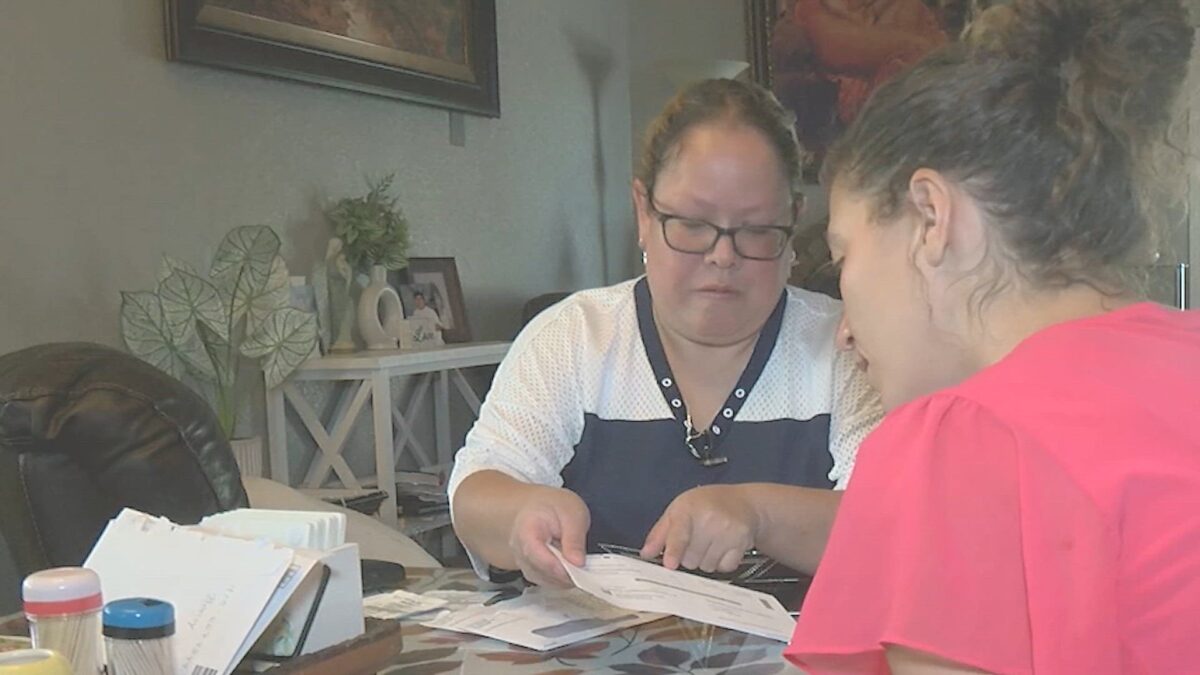
Katherine Laca said she already struggles to balance household expenses while raising her daughter.

“I can’t have enough money to buy her what she needs for school, what she needs because I need to pay the bill,” Laca said.

Laca said her monthly electric bill is usually around $35. But when she opened her latest bill, she found a charge of $182.

“$182, and, well, I want to know what’s going on,” she said.

El Paso Electric said two factors contributed to the increase.

The first is new electric rates that were approved by state regulators and recently took effect. The utility said the rate review process had been underway for more than a year and was needed to recover the cost of replacing aging infrastructure and maintaining reliable service.

“It was approved and implemented,” a company spokesperson said. “The reason that we went for a rate review is because we were trying to recover costs with updating old and outdated infrastructure to ensure reliability across the board because that’s one of our priorities.”

The second factor is seasonal summer pricing, which remains in effect through October.

Customers may notice charges on their bills listed as “Summer 1st Tier” and, for some, a second-tier rate. The utility said the first tier covers electricity use between 0 and 600 kilowatt-hours. Residential customers who use more than 600 kilowatt-hours are billed at a higher rate, with usage above that threshold charged at about 14 cents per kilowatt-hour.

For Laca, the higher bill has added financial pressure.

She said she may have to find look for extra work to cover utility costs and prepare for her daughter’s school expenses.

“Two jobs to find, paying the bills and then get my daughter for her school, things like she needs,” Laca said.

Click here to follow the original article.