ICE arrests woman on probation with crystal meth trafficking conviction: DHS

Gabrielle Lopez

EL PASO, Texas (KVIA) — The Department of Homeland Security said U.S. Immigration and Customs Enforcement (ICE) arrested a convicted meth trafficker from Mexico Wednesday. ICE said Martha Sias, who’s from Mexico and has a green card, is amendable to removal proceedings because of her criminal history. She was on probation at the time of her arrest, according to court documents.

According to documents filed by the El Paso County Sheriff’s Office, Sias was arrested after authorities found crystal meth in her SUV at the Paso Del Norte Port of Entry Jan. 12, 2022.

At the time, a Customs and Border Protection officer conducted operations to identify vehicles or people that may be trying to smuggle illegal items. The officer approached a Ford Expedition with New Mexico registration, which Martha Sias drove, documents said. Her husband, Oscar Ochoa, was also in the Ford.

The officer initiated an x-ray scan of the Ford and found “odd shaped bundles,” according to documents.

During questioning, Sias said they went to Juarez to sign up customers for OMNILIFE supplements she sold, documents said.

When asked if she was bringing in any plants, fruits, meat, alcohol, tobacco, firearms, drugs or anything illegal, Sias said “no.” Documents noted she also said no when asked if anyone paid or threatened her to bring anything illegal into the U.S. or to take anything from the U.S. into Mexico.

Officers noticed the Ford’s doors seemed “unusually heavy” and had difficulty opening them during the inspection, documents said. Officers then sent Sias and Ochoa to a secondary inspection.

During the secondary inspection, Sias drove the Ford through an x-ray, which found “anomalies” in both rear doors, prompting a full vehicle search.

CBP officers found several taped bundles hidden in the rear door panels. In total, officers found 18 bundles, documents said.

The bundles tested positive for methamphetamines with a weight of 20.6 pounds.

Authorities arrested Sias and Ochoa. CBP contacted the El Paso County Sheriff’s Office for state referral and prosecution. At the time, the couple was released form the scene pending further state investigation, documents said.

According to court documents, in October 2025, Sias pleaded guilty to manufacture or delivery of a controlled substance — a second-degree felony. She was sentenced to 10 years of supervised probation.

Friday, a DHS spokesperson said Sias will receive full due process and has an upcoming hearing after her arrest Wednesday.

“Possessing a green card is a privilege, not a right. Under our nation’s laws, our government has the authority to revoke a green card if our laws are broken and abused,” the DHS spokesperson said.

Click here to follow the original article.

The District to hold off on presenting letter for Columbia ‘urban camping ordinance’ until next month

Ryan Shiner

COLUMBIA, Mo. (KMIZ)

A press release from The District states that it will hold off on presenting its letter supporting an “urban camping ordinance” to the Columbia City Council until Aug. 17.

A letter expressing support for the proposed ordinance was signed by nearly 70 downtown business owners and organizations. The District Executive Director Nickie Davis previously stated that it was expected to be presented at the July 20 meeting.

“This decision was made after thoughtful conversations with community partners and supporters. We believe allowing a few additional weeks will provide the best opportunity for this important conversation to receive the attention and consideration it deserves,” the Friday press release says.

The release claims it is being delayed until after the August election because the District “heard concerns that some members of the public may mistakenly connect” the ordinance and a proposed 1% public safety sales tax.

“We want to be clear that this request is not connected to the proposed sales tax and is not an effort to increase policing of homelessness,” the release says.

The length of Monday’s City Council agenda was also cited in the release, though there was no listing for The District or the ordinance on the agenda. It also states it would “like to allow several recently launched safety initiatives… to begin demonstrating their impact before adding another policy discussion to the conversation.”

The proposal has been met with criticism online, with some questioning the effectiveness of similar rules around the country.

A full list of the businesses in support of the ordinance can be viewed in the document below.

Letter of Support – UC SignaturesDownload

The letter can also be viewed below.

Letter of Support – Camping (2)Download

Click here to follow the original article.

Callaway County Presiding Commissioner candidate interview: Larry Robinson

Euphenie Andre

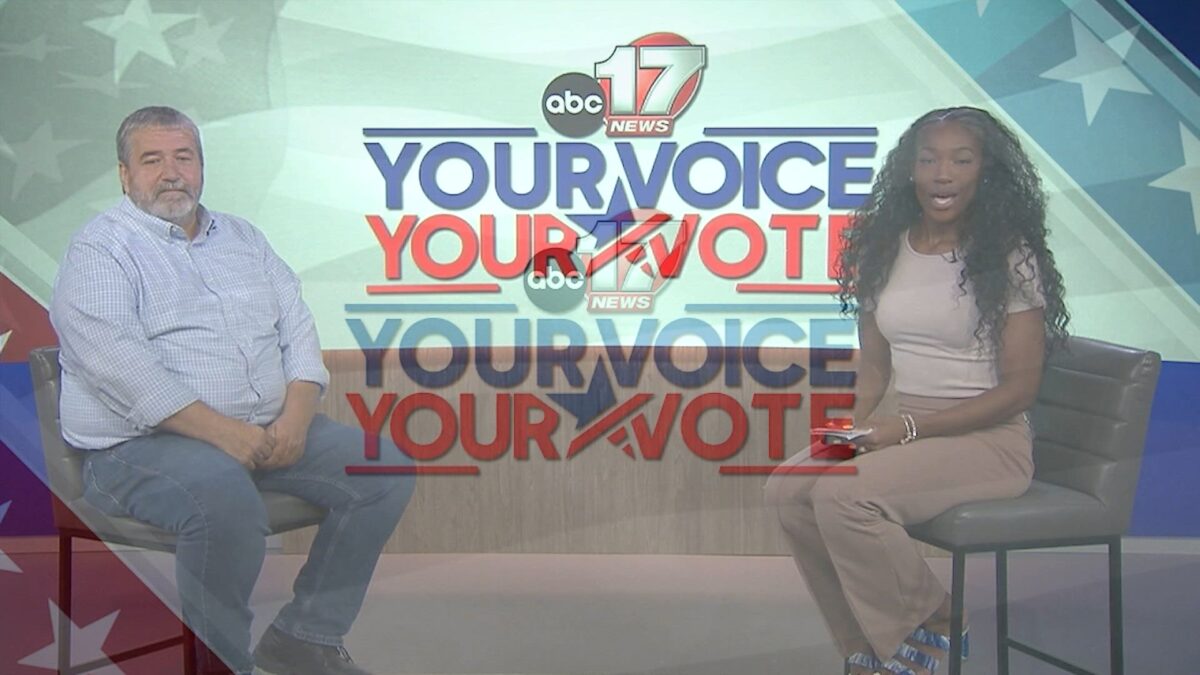
Three Republicans are competing in the August primary for Callaway County Presiding Commissioner. In contention is Rob Barnes, Larry Robinson and former Sheriff Clay Chism. ABC 17 News sat down one-on-one with each candidate to discuss their priorities for the county, the proposed data center in northern Callaway County, planning and zoning, government transparency, and why they believe they are the best choice for voters. Mike Conner is running unopposed in the Democratic primary.

COLUMBIA, Mo. (KMIZ)

EUPHENIE ANDRE: Welcome, everybody, to ABC 17 News’ Your Voice, Your Vote segment for the Voters’ Guide of August 2026. I’m Euphenie Andre, and I’m here with Larry Robinson. Larry, thank you so much for being here today. Can you please start by introducing yourself and what you are running for?

LARRY ROBINSON: My name is Larry Robinson, and I’m running for Callaway County Presiding Commissioner for 2026.

EUPHENIE ANDRE: Sounds good. So you’re trying to go back into office after trying to run for the Western District Commissioner back in 2024? Can you please tell me the different approach, if you made one, from 2024 to this year?

LARRY ROBINSON: Well, I learned a lot during that campaign, but I want to try to do my best, and you learn and you succeed from all that you can. The approach has been I go door-to-door. I still go door-to-door and talk to people.

EUPHENIE ANDRE: So both roles have been commissioner roles. Why is that so important for you to obtain that role?

LARRY ROBINSON: I grew up in Callaway County, and I’ve seen Callaway County at its best and at its worst, and I think that Callaway County can be built stronger for our future, for a younger generation coming up. I’d like to do my best to give back to the community that raised me.

EUPHENIE ANDRE: What are your three-top priorities if you are elected the next Callaway County Presiding Commissioner?

LARRY ROBINSON: I would like to see manufacturing or distribution work come back to Callaway County because we used to have it, and we lost it, and we’re stuck, well, we’re not stuck, but we are in between Cole County and Boone County, and everybody goes to these counties to work, and they spend their money there. If we could get a developer involved to see how we can entice companies to come to Callaway County and build and employ not just a handful of people, but three or four or five hundred people so that they can possibly move to Callaway County, build in Callaway County, live here, raise their family, and support their whole family. I’d say what they spend here also. We got downtown Fulton, and we got different places to go in Callaway County, Holt Summit, Auxvasse.

EUPHENIE ANDRE: What are your other two?

LARRY ROBINSON: A lot of people hasn’t hit this part, but I’m out and about. I have a dump truck business, and I talk to dozens of people every day. Not just one or two. Out in the county, people are worried about the infrastructure of Callaway County. Roads and bridges, and that’s one of my specialties anyway. Excavating and concrete work. The road boss that’s there now, he’s doing a real good job, but I think it could run a little bit smoother if you get people in there that has had experience and maintain stuff like that. Not just fixing it, but maintaining it. That’s a concern to a lot of people out in the rural part of the county, not so much in the towns. Another part is we got to give back to our youth and our communities. They are the future of Callaway County. In 15-to-20 years, it seems like a long way away, but it isn’t, and these children, young adults, a lot of them don’t know the life experience out here.

They got to know the technology that is out here now. They’re in front of their phones and iPads. They don’t leave the house often. They don’t even know what type of birds are in their front yard, and they’re 12- and 13-years-old. My wife is [at] the state-licensed day care in Fulton. I see these children grow up every day, and a lot of times I see, just walking around like in Walmart, parents give their kids, little kids, their phones just so they’ll be quiet. But we need to get something set up for our communities all through Callaway County, not just Fulton, but involve Holt Summit, New Bloomfield, Mokane and work with the schools and volunteers and get the youth out here. Get out of those and experiencing life as a child should. I’m for that because they are our future. They’re the ones that’s going to be taking all this over. So we got to build a Callaway County stronger and better for the future.

EUPHENIE ANDRE: If elected, do you see any similarities or differences from how the current commission is being run to how you would run it, if elected?

LARRY ROBINSON: Gary Jungermann, he’s done a real excellent job in his three terms. The commissioners right now, they’re doing their best. They have fought with the solar farm that came through Kingdom City, and now they’re dealing with the data center. The data center is a big subject in Callaway County right now, and the commissioners really don’t know a lot going on because there is no planning and zoning in Callaway County. They don’t even have to come to the courthouse to turn in a set of blueprints or talk to a commissioner. That’s private landowners selling to a private company. Since there is no planning and zoning, and I’m not for planning and zoning, but if we had some type of restriction set up for X amount, the size of a building being built, that it would have to go through the commissioners to get permits. Like if a business wanted to come in, they build a building, say 30,000 square feet, they need to get a permit through the commissioners and go through engineers’ blueprints so that everybody’s on board with everything.

EUPHENIE ANDRE: But isn’t that planning and zoning?

LARRY ROBINSON: You can keep the restrictions and ordinances away from the planning and zoning, but you’d have to put it out in front of the voters to vote on it. That would keep the planning and zoning part out of it. A lot of people want to say, “Well, that is part of it, planning and zoning.” No, it’s restricted to large buildings. It could be passed as a 50,000 square feet building like these data centers there in Kingdom City. There’s somewhere around 800,000 square feet, but if there was something like that set up, they’d have to go through the commissioners, being transparent so the public would know what’s going on. Nothing’s hidden, and they’re dealing with that right now, but they don’t know a lot going on. I can believe that because I’ve worked in towns and cities that have planning and zoning, and most people are always open about it.

EUPHENIE ANDRE: Why are you against planning and zoning?

LARRY ROBINSON: It’s a rural community and farmers. They’re always having to make a quick fence for cattle, for horses, for whatever livestock they got. Planning and zoning, there was different parts of it, but they’d have to go get a permit before they could set up a fence to keep their livestock if a flood came through and it took out a big section of the fence, or just keep the cost down for people that’s doing repairs on their farm. But that’s what entice a lot of people to come to Callaway County, no planning and zoning.

EUPHENIE ANDRE: Someone would say, with the lack of planning and zoning that Callaway County has, is a reason why the data center is being built there. We’ve seen Boone County has all these restrictions, so it’s not easy to come into Boone County and build a data center.

LARRY ROBINSON: Yes, I will agree to that. If we did have planning and zoning, it would be harder for them to come in, and if you look at the solar farms that came through, like Montgomery City, Callaway County, to me, it feels like it was just a step to see what they could get by with, and since there was restriction, I mean, people fought against a solar panel, but there isn’t nothing they can do about it. It’s an uphill battle, and I’ll be there to the end. If I’m elected, I will fight for the people out here, but it’s going to take more than just going to the county. It’s going to take going to the capital.

EUPHENIE ANDRE: Are you in support of data centers?

LARRY ROBINSON: No, I oppose data centers. Yes, we need them, but on this larger scale and so fast, people don’t know what’s going on, and that’s what’s scaring people. If they had a total understanding of why, we’ve had the center since the 1940s. Here in the last few years, they have just supersized, and they’re eating up all our resources, electric. If we didn’t have electric in the power grid two years ago for the electric cars that were introduced, how can we have all this grid now? It’s coming hard and quick, and people are confused.

EUPHENIE ANDRE: They had their initial stages earlier this week. They had an open house yesterday in Callaway County about the data center, so it’s going to be in progress, and whoever is the next Callaway County presiding commissioner, that is a study that they are going to have to tackle. How can you ensure that you are transparent with the residents of Callaway County of what is going on each step of the way?

LARRY ROBINSON: Well, transparency, I’m open about everything. I think everybody should know what’s going on because you’re working for the people in the county. You’re not just pleasing yourself. You got to talk to communities, and at the courthouse, I know they give you a 24-hour notice when they have a meeting, but I think that needs to be up until like 40 hours so the working people can get up there because sometimes it’s hard to find a babysitter or your employer won’t let you take off. But if you’re given enough ample time, you can get off so you can go up there to listen to what’s going on. Even though it is recorded, you can listen to it and watch on the Internet, but I think it’s more informed if you’re there in person.

EUPHENIE ANDRE: Do you think data centers provide any opportunities for Callaway County at all?

LARRY ROBINSON: Oh yeah, it will for part of the infrastructure and stuff to bring in taxes. The revenue, it could help drastically in different areas in the county that have shortfalls in it, like the emergency personnel, the 911 commission. I mean, stuff like that could be rebuilt, relocated. I don’t know if we could get a new hospital or not there in Fulton that everybody wants, a Callaway hospital, but I don’t know what the revenue would be coming in on it yet. I have to go through the figures when this was all finalized to see what can be done, but it could help Callaway County at the same time.

EUPHENIE ANDRE: The residents that are opposed to it, they say that it will increase electricity bills, that it will waste water, taxes will be upheld on them. Are those the same fears that you have as well?

LARRY ROBINSON: Yes, big, big corporations. Sometimes they tell you what you want to hear and not the truth, like the water usage. This one in Callaway County they’re proposing is smaller than the one in New Florence, and the proposed is 1.4 million gallons of water usage a year. Even though it’s a closed-loop water system, that still scares me with all the big data centers going on around here, and they draw down to our main aquifer. If there’s 10 of them and they’re using millions of gallons of water, it can start draining that and hurting the residential deep wells around here.

EUPHENIE ANDRE: Why should voters choose you over your opposing candidates?

LARRY ROBINSON: I had the experience, not so much in politics because I’m no politician, but I am a blue-collar working person. I get up every morning, go to work, come home every night, talk to the whole community every day, have the experience in the construction field, and work getting permits in different states, in different locations, talking to the public out here before you start a project because the neighbors want to know what’s going on and taking place also, so you got to inform them what you’re doing. So I know how to talk to the people out here and listen to their concerns, and I just want to get back to the community that gave it to me all my life.

Click here to follow the original article.

Callaway County Presiding Commissioner candidate interview: Clay Chism

Euphenie Andre

Three Republicans are competing in the August primary for Callaway County Presiding Commissioner. In contention is Rob Barnes, Larry Robinson and former Sheriff Clay Chism. ABC 17 News sat down one-on-one with each candidate to discuss their priorities for the county, the proposed data center in northern Callaway County, planning and zoning, government transparency, and why they believe they are the best choice for voters. Mike Conner is running unopposed in the Democratic primary.

COLUMBIA, Mo. (KMIZ)

EUPHENIE ANDRE: Welcome, everybody, to ABC 17 News’ Your Voice, Your Vote segment for the Voters’ Guide of August 2026. I’m Euphenie Andre, and I’m here with Clay Chism. Thank you so much for being here tonight.

CLAY CHISM: My honor.

EUPHENIE ANDRE: Can you please introduce yourself and tell me what role you are running for?

CLAY CHISM: Yes, my name is Clay Chism, and I’m a Republican candidate for the August primary in the race for Callaway County Presiding Commissioner.

EUPHENIE ANDRE: Clay, it’s been a couple of years since you’ve been in the public eye. You were the former Callaway County sheriff for eight years. What does it mean to be back, and why have you decided to come back for another leadership role?

CLAY CHISM: My life has been spent in public service. I jokingly, but seriously, tell people that’s all I know. That’s where my heart is. I’ve always believed in giving back to the community. Anyway, decades ago, when I came out of college, I decided instead of going to the private sector, where there’s good money to be made, that I’d rather come back, serve the public, be a part of the community, and try to help the community any way I can.

EUPHENIE ANDRE: You were suspended in 2023 for drinking on duty and pleaded guilty to a DWI charge. Later, your peace officer license was revoked. What do you have to say about your actions during those years?

CLAY CHISM: I made mistakes. I don’t hide from it. I’ll speak kindly to anybody who asks. I have had several face-to-face conversations with people from all walks of life, all over the community. I tried to use my mistakes to better my life, and I’ve also used my mistakes to try to educate and help others in the community. Of course, I don’t publicize that, but I’m actually helping people in the community that struggle with some of the struggles I had.

EUPHENIE ANDRE: Going back to those years, specifically October 6, 2022, can you tell me about your mental state and what you were going through during that time?

CLAY CHISM: I just hit a bad point in my life, and again, mistakes were made. There’s nothing I could say that takes away from what happened. There’s other facts out there that weren’t publicized, but, you know what, I don’t tell those facts because I don’t want anyone to think I’m trying to make an excuse, so I just let it be and say I’m sorry. Mistakes were made, but I believe when you’re down, you get back up. It makes a better person, and I’m back.

EUPHENIE ANDRE: Do you think you have a drinking problem?

CLAY CHISM: I do not have a drinking problem, at all. I have not had a sip in over three years.

EUPHENIE ANDRE: Was it because of what happened back then is why you decided to go sober?

CLAY CHISM: Correct, and what a lot of people do not know, but I also publicly sought treatment. I actually was out of state for a while at a specialized facility, and I made things right.

EUPHENIE ANDRE: What do you say to those that may believe you cannot handle another leadership role?

CLAY CHISM: I understand concerns, but again, I feel like it’s made me a better person. I’ve learned from my mistakes. Fortunately, the City of Auxvasse gave me an opportunity here a couple years ago, and that has blossomed. I have excelled in that. I’ve enjoyed working with the community. I believe I’ve proven myself to many. I know there’s always going to be doubters, and I respect that.

EUPHENIE ANDRE: Turning it over, data centers are another large thing that is happening in Callaway County right now. There is a proposal of a data center going to be built in northern Callaway. What are your thoughts about that?

CLAY CHISM: Like a lot of concerned citizens, I’m trying to differentiate truth from propaganda and maybe false information. To this day, I am trying to figure out what is the truth. What are the facts? I worked in law enforcement for 23 years, where every scene you rolled up into, your mission was to gather the facts, and sometimes that took longer than others, and I’m still trying to gather facts. I’m trying to determine the truth from fiction, but it’s really hard also not having my eyes on whatever this plan is, for lack of better words, and I don’t mean it in a derogatory way towards any current officials. I don’t mean it that way, but this pie has been in the courthouse oven for a while, and they know what the intimate, minor, new details are, but the public doesn’t, and until that plan is actually introduced to where you can see those fine details, it’s really, really hard to gauge your thoughts.

EUPHENIE ANDRE: Would you say that you are in support of data centers?

CLAY CHISM: I understand the concerns, but what I can tell you, and I have been very, very vocal about this for months now, is I do not approve of the major-tax abatements, and there’s no secret. There’s absolutely no secret at all. That’s one of the key elements for the data centers are looking to end up, is where they can get major-tax abatements. I’m not totally against tax incentives for certain programs. There’s been long-standing tax incentives for different types of businesses or industry, but to hear of these data centers pushing 70, 80, 90% tax abatement, that’s a real kick in the gut to a lot of Callaway County citizens, especially small business owners. Callaway County has a lot of small businesses, and a lot are established businesses. They’ve grown their business through blood, sweat, and tears. They weather the bad times, and they try to make the best out of the good times, but never once they got a dime off their tax bill. They never got a penny off, and they never asked either. They just expected to pay their fair share of their tax assessment, so it’s really a kick in the gut to a lot of citizens to hear of a corporation coming in and getting a major, huge tax break. It is not sitting well with a lot of Callaway County residents.

EUPHENIE ANDRE: What are your thoughts of Callaway County’s planning and zoning rules? Because some say, due to the lack thereof, is why they decided to build a data center in the county.

CLAY CHISM: Yes, and I’ve been very clear about this too. Overall, I am not a proponent of planning and zoning, and Callaway County citizens, overall, from corner to corner of the county, continue to this day, I hear every week out on the campaign trail, that they do not want planning and zoning. A lot of people in Callaway County will willingly say we don’t want to turn Callaway County into Boone County, and what a lot of citizens have to understand is living in an area. Let’s just say the area the data center, where all of a sudden there may be, maybe we should have planning and zoning. Well, legally, you cannot pass planning and zoning for one neighborhood, one business, one area. It’s the whole county, and Callaway County is 842 square miles. It’s the fifth-largest land county in the state of Missouri, so to plan and zone one issue that may be occurring in a 2 square mile area, that now affects everyone else in the other 840 square miles, and we have approximately 30,000 citizens who live in rural, unincorporated Callaway County. They don’t want planning and zoning. I hear it every week. They are not in favor. They do not want a Boone County in Callaway County. No disrespect, but I just cannot support planning and zoning, and again, I think it has to be, people just have to realize it’s all or none. You can’t plan and zone one business, one area, one farm, one landowner. It just doesn’t work that way. Planning and zoning one area punishes everybody, literally everybody, in rural Callaway County, and I just can’t support that.

EUPHENIE ANDRE: What solution do you think there is, though, for maybe down the future, people want to create another data center in north Callaway? What would you do?

CLAY CHISM: In what regard?

EUPHENIE ANDRE: Because you’re against planning and zoning, so what if another corporation wants to build another data center because the rules of planning and zoning are still loose? What solution do you think, even though there’s a data center right now, what rules can be set to say, hey, you just can’t come here and build this?

CLAY CHISM: I would revert back to my first statement and my first stance that has not deviated at all. If you can try to cut the snake off at the tail, or you can cut the snake off at the head, and I just do not agree with the 75, 80, 85% tax abatement. So I guess if you say I’m against data centers, that could be observed, but it’s not necessarily that I’m against the infrastructure because I’m still trying to learn what does that infrastructure really consist of, but I just cannot agree with a 75, 80, 90% tax break. But with that said, I am very, very well aware that January 1, when whoever the presiding commissioner may be, that this is already going to be a done deal. So, in all honesty, whoever the new presiding commissioner is, it’s just going to have to embrace whatever decisions have been made. So my thought in life is, if I’m fortunate enough to be the presiding commissioner of Callaway County, whatever decisions have been made, I’m going to have to embrace those decisions and then try to make the best of it and help the county any way I can.

EUPHENIE ANDRE: The county did have an open house yesterday on the data center and informed people of what’s going on, so let’s fast forward. If you were to be elected, how are you going to handle that when it is going to be built?

CLAY CHISM: Handle which?

EUPHENIE ANDRE: The data center is being built. How are you going to reassure citizens of what’s going on and keep it transparent with them?

CLAY CHISM: OK, sorry. I wasn’t sure where you were tracking with that. I think that the issue needs to be made public as soon as it can be. Of course, there are legal standards, and I understand those, but I do think as soon as it can be made public, this could possibly be in the works. Citizens need to be aware and educated, and again, I appreciate the open house last night. I was there. I felt like it went very well. I heard a lot of citizens who were very complimentary, who said whether we agree or disagree, we appreciate the opportunity, the opportunity to learn. So I think we just have to repeat that.

EUPHENIE ANDRE: What opportunities do you believe the county will benefit from having a data center?

CLAY CHISM: Again, I’m trying to figure that out myself. I’ve heard from credible sources that potentially, if Caruso does come to an agreement with the county, they’re going to support some needs of the county, but again, I can’t confirm that because I don’t have my eyes on the plan, and I don’t have my ears in those meetings, so I look forward to learning and being able to make a more educated decision.

EUPHENIE ANDRE: If you are elected, what will be your top three priorities?

CLAY CHISM: The role of the commission is actually very specific, and there’s a lot of misconceptions out there as to what the county commission has control over or is part of. At the end of the day, the No. 1 responsibility of the county commission is the fiscal responsibility of the county. That is the No. 1 every day job. The commission does have direct oversight of some county departments, such as County Road, Bridge, County Health and Joint Communications Center, the Emergency Management. So obviously, being that the commission does have direct control over those offices on a daily basis, I would certainly immediately be working with those administrators to keep a good grasp on what’s working, what’s not, obviously looking for operational efficiencies. I’ve been around government long enough that I know how this works. There’s a trickle down when you have federal cuts, then you have state budget cuts, and then the next thing you know you have local budget cuts, and there is state money coming into local departments. So I can see there being some cuts coming. Being a seasoned veteran government official who dealt with the largest part of the county budget for eight years, I understand that there could be some harder times ahead and that we definitely need to be looking at efficiencies while making sure the citizens are receiving the best service they can.

EUPHENIE ANDRE: What cuts are you seeing?

CLAY CHISM: I don’t see any specific cuts. There is transportation money that comes through grants. There’s health department money, health department grant money, that comes through grants. Anytime you have a trickle down or anytime you have cuts starting up there’s always a trickle down, so again, just being fiscally responsible, which is the everyday number one responsibility of the commission. I just want to get a really good grasp on the budget and the efficiencies and making sure the county stays in a stable position so if there ever is a downfall in money coming from other agencies, or there’s a downfall in tax revenue, or there’s some type of downfall, that the county can get through the struggles.

EUPHENIE ANDRE: Why should voters choose you over your opponents?

CLAY CHISM: Why should voters choose you over your opponents? I revert back to a question. I usually get asked about, you know, why are you the best candidate, and I always say I’m not the best candidate. I think it’s egotistical to say I’m the best. I think every candidate has their pros and cons. I had nothing but respect for Mr. Robinson and Mr. Barnes. We each bring things to the table. I’m not going to say I’m the best. That’s egotistical. I would say that I bring 25 years of government experience, mostly with the county, most recently with the city. I’ve worked in the private sector as well. I actually work two jobs right now, so I work full-time in the private sector, but I’ve had part-time jobs in the private sector throughout the years as well. I understand life from the private sector as well. I believe I bring a lot of experience as far as public and private sector experience to the government or the courthouse, and I just understand the needs of the county. I’ve worked in the trenches of Callaway County for 23 years. I mean, we have 820 miles of county-maintained road. That’s not including state-maintained roads. The county has 120 miles of road in the inventory, and working from corner to corner of the county, I think I have a good understanding of the needs and, more importantly, the wishes of the citizens. I think a lot of elected officials forget is once I get elected, it’s not necessarily what they think. They have to represent the citizens, and I respect the citizens. I mean, again, that goes back to my planning and zoning answer. The citizens continuously make it clear to me, to this day, they do not want planning and zoning, so I respect that.

Click here to follow the original article.

Callaway County Presiding Commissioner candidate interview: Rob Barnes

Euphenie Andre

Three Republicans are competing in the August primary for Callaway County Presiding Commissioner. In contention is Rob Barnes, Larry Robinson and former Sheriff Clay Chism. ABC 17 News sat down one-on-one with each candidate to discuss their priorities for the county, the proposed data center in northern Callaway County, planning and zoning, government transparency, and why they believe they are the best choice for voters. Mike Conner is running unopposed in the Democratic primary.

COLUMBIA, Mo. (KMIZ)

EUPHENIE ANDRE: Welcome, everybody, to the ABC 17 segment of Your Voice Your Vote voters’ guide for August 2026. I’m Euphenie Andre, and thank you for joining us today. I’m here with Callaway County presiding commissioner candidate Rob Barnes. Rob, thank you so much for joining us here today.

ROB BARNES: I appreciate the invitation.

EUPHENIE ANDRE: Please introduce yourself and tell me why you would like to be the next Callaway County presiding commissioner.

ROB BARNES: Certainly. A little bit about myself. Long, longtime resident of Callaway County. Sixty years old, getting to be an old man. Fifty-five years in the county. Always called it home. Can’t see myself anywhere else. Been fortunate, I suppose, in some ways; have had a couple of really good jobs in the county, so I was able to stay close to home, and not everybody can share that same story. So I’ve been blessed in that regard. Currently, I’m heavy into a broadband project, or we’re kind of on the tail-end of a broadband project.

I’m a telecommunications guy. Technology nerd, so to speak. That’s what I’ve done most of my career and, fortunate again, to be able to have done that in Callaway County. So, you know, kind of on the tail-end, I guess I’m not ready to go to pasture, but kind of on the tail-end of a lot of hardwork. And I’ve always been connected to the community through boards, civic organizations, community functions and events. I’ve always had that connection to the community.

As I’m kind of starting to enter a new chapter in my own life, I thought this was a great opportunity to give back in a different way. And that’s really why I stepped forward to run for the presiding commissioner position. What else you want to know about me?

EUPHENIE ANDRE: There is a proposed data center that will be built in northern Callaway County that would take about 14 acres of land in your county. What are your thoughts about that?

ROB BARNES: Well, I mentioned just a second ago, I’m kind of a technical nerd. Maybe I’ve grown out of that phase just a little bit as I’ve evolved into the business world. I rely, I suppose, in my daily life, personally and work functions. You know, data centers are not something new. I rely on them every day as a person, as an employee. And while it’s a bit surprising, I suppose, that a data center would be located in Callaway County. We’ve also seen other counties kind of dealing with the same topic. I guess I would stop short of saying, you know, ‘welcome with open arms.’ It’s certainly something very different, in a very rural part of Missouri. But it is a topic to be dealt with.

There is, as you put it, a proposed data center. We don’t know whether that will come to fruition or whether that’s just chatter at this point. But there’s a good possibility, again, based upon what we’re seeing around us, that could very likely happen. If I can jump in to maybe, thinking as a presiding commissioner, how to handle or deal with that scenario. Unlike Boone County, which does have planning and zoning, and building permits, and land use applications, and a very structured environment, Callaway County, some years ago, formally said through a ballot issue, no, we’re not interested in those sorts of things, and planning and zoning was pretty soundly defeated some 25 years ago or so.

And what’s that really done, I suppose, in some ways, is it kind of set up Callaway County, again, to, I guess, the concept of open arms. We basically say, you know, whatever you want to do in Callaway County, welcome aboard and enjoy. I’m not trying to be flip about this particular scenario because some people are very passionate one way or the other. But it certainly is a tough issue to address when the Callaway County government is, by nature, weak government, and I don’t mean that in a bad way. It’s just the limits in the control, or lack thereof, that the citizens gave to the county, or didn’t give to the county.

In this particular case, just about any business that comes to Callaway County can start construction, do almost anything they want, as long as it’s within the legal confines of state law and federal law. They don’t even have to call the commissioner’s office to say, hey, we’re doing this, because, again, there’s really no planning or permitting process involved. I hope we’ll delve into maybe this topic just a little bit more as we go through this conversation.

EUPHENIE ANDRE: Yeah, we could do that now. Is that something that you are interested in looking into when you take, if you are given that term?

ROB BARNES: Well, I think one thing that I have committed to, for those folks that I have had conversations with, where this is a very disturbing development, sort of, so to speak. It’s a neat, fancy word. It’s neat to see people that still care about others and neighbors and what they do on their land through their property rights, how it might affect others. And that’s clearly, I think, one of the things that those who are not so much in favor of data centers, that’s one of the things they’re very passionate about. And I understand that. I try to be careful of how I might affect my neighbor as well. I think that’s just how you live life, so to speak. The absence of planning and zoning, which, again, has existed in our county for a long, long time, I think is worthy of a conversation.

Are there certain things that can come to a county that simply need to be controlled? I think, while we never fathomed, I don’t think, a data center coming to Callaway County, this might be one of those examples of not having anything. Is that the right thing? And so that’ll get a lot of the property rights people excited when I say that. It’s certainly not something that I would, directly; it’s not part of my campaign platform, but I think it’s worthy of a conversation. Are there certain limits when something reaches a certain scale that you don’t just get to do everything that you want to do? So I’m all for a reasonable conversation relative to planning and zoning, not to make it so restrictive that people can’t build that barn on their property. But I think it’s at least worthy of a good conversation that really hasn’t been discussed. Much like I said, 25-to-30 years. That’s one of the things that I have expressed to folks. I’ll have that conversation. We’ll see where it goes.

EUPHENIE ANDRE: Are you in support of the data centers?

ROB BARNES: I figured that was going to be a question that would be asked, and that’s certainly a tough one to answer, based upon the limits that county government has. It’s hard to say that I’m in opposition to a data center when there’s little that I could do from the presiding commissioner seat to shut that down. If it can’t be one, then I kind of got to be the other. It’s hard. It’s hard to be in the middle. As I sit here today, again, thinking about the limitations on government, it’s likely going to happen. There are some things that can be done to maybe restrict, or control, or add some balance to a development of that size. You may have this question to ask, but that gets into almost another interesting topic, and I choose the word interesting for a reason. It’s a difficult topic, and that’s tax abatement. Many people, they don’t want somebody getting off the hook from paying their fair share.

I understand that. I completely get that. If Callaway County is going to impose any sort of restrictions on a data center, it’s going to be through a tax-abatement arrangement. That’s the only play that the county really has. Because once you open that discussion and enter into a contract on how much tax might be abated, it’s a negotiation process. Well, for this percentage of abatement, we’ll give you, or we want, we being the county, we’re going to want A, B and C, and the county would have the latitude to define what A, B and C are. That could be the ability to inspect property, to validate water usage. It could also be the sort of thing where, and I haven’t heard this talked about anywhere else, but it could be the requirement of a data center. You’re going to have to store water in some sort of a lake, pond, or storage tank.

You’re going to harvest rainwater that comes off of a million-square-foot building. I don’t know how big of a building we’re talking about, for sure, but you certainly start thinking in that realm, and that’s certainly a way to start mitigating or limiting the amount of groundwater that might get consumed by one of these. So that tax abatement conversation, again, not very popular a lot of times, but again, it’s a way for the county to gain some control over a process that they have really no control over. It’ll be interesting to see. I’m sure our current commissioners are already having these sorts of conversations. And exactly what’s being discussed, I’m not fully tuned in, but I would be surprised if these conversations aren’t already going on.

EUPHENIE ANDRE: That definitely flowed into the following questions. Many are not even opposed to it, just have more questions about what the data center has to offer to the county, and that they will waste water, as you mentioned. It will increase electricity bills. Taxes will be taken out for taxpayers to pay for the structure. The loud noises, it will ruin the community and the environment of what they know and love. So, what is your response to those residents that have all those fears?

ROB BARNES: You gave me about eight different things, and I don’t know if I’ll remember all of them. So, keep me honest here. I think, first of all, I don’t know if we know everything that we need to know. One of the commissioners had said so, so I won’t steal his statement. But one data center is not exactly like another data center. There’s a variety of engineering that can go into a development like this, and not all of them follow the same cookie-cutter approach. I believe that, from a water consumption perspective, we’re talking about a closed-loop system, which is massively better than something that’s just using a lot of water and discharging a lot of water. So, it’d be interesting to find out exactly, from a water consumption perspective, what are we talking about?

The noise element. There are state standards that have to be met at the property line. Exactly what are those? I just, I don’t know exactly what the noise level can be leaving the property, but I know there are standards in place that a development would have to follow. And again, it’d be interesting to understand what is projected. That’s a tough thing to undo after the fact. Although, if you’re exceeding noise levels, the developers are going to have to do what’s necessary to comply with the law.

I think citing a location is extremely important. I can’t see a data center right on the edge of an incorporated community. I think that’s difficult. The rumors, as many people have heard, is the northern part of the county, that the development would likely be located pretty squarely in that area where a couple thousand acres of solar are already deployed. Are there homes within certain proximity? From my recollection, if the rumors are correct as to where the location might be, I don’t know of any that are close. And those may be words I have to pedal back because, honestly, I just don’t know. With so much being hypothetical, nothing being firm yet, it’s kind of like we’re talking a lot about things, and we’re trying to answer some questions, but we really don’t know all of the details yet.

I think you probably had something else there that I did not comment on?

EUPHENIE ANDRE: The electricity bills.

ROB BARNES: I really don’t think that we’re going to see an increased cost to consumers for electricity. Now that I’ve said that, I think there are going to be others. I think there’s a particular utility right now that is proposing something like a 13% increase. We have to be careful. Is that directly related to that, to a data center, or is that the cost of improving a network that hasn’t been, let’s say, maybe it hasn’t been maintained to standards for a while? I don’t know. I think that particular entity will have to ask, answer a lot of questions in front of the Public Service Commission, right, in this realm, because I think they’re going to be very interested. Is the rate increase directly attributable to a data center, or is it for some other purpose?

I know since COVID, really before data center development was happening in this area, there was a massive increase in transformer costs, wire, poles. I know, from the electric perspective, there’s just been heavy inflation, probably much more so than we’ve seen in our homes. Some of it could be attributed to that as well. But again, it’s understanding the facts, getting to the facts, and the information that can truly be trusted and verified. Again, some of these questions are kind of hard to respond to. I’m making guesses in some realm based upon what I know.

EUPHENIE ANDRE: Do you see any benefits and opportunities for the county with having a data center?

ROB BARNES: Development will employ lots of people. I don’t think that, at least in Callaway County, and again, I know a little bit about what’s going on in Montgomery County, I would not expect a lot of jobs to come out of a data center development. So, is there a benefit? Yeah. I would think, when you think about our schools being somewhat poorly funded, if I can be so bold to say, at the state level, I don’t know when the last time public schools saw full funding from the state, state dollars, so that leaves the local, so to speak, to pick up the tab. And I think when you start looking at a school district where a data center could be located, I think it’s going to bring a lot of dollars into the school. The side to that equation that we have to remember is: those additional dollars that are flowing into the school, do you have a direct benefit to us as taxpayers? They’re paying school taxes; you might see, we probably would see, your levy go down.

For some folks, that could be saving annually three- or four- or five- six-hundred dollars, all depending. It could be more. I don’t know. It just kind of depends. Everyone’s kind of going to be unique on the amount of school taxes that they’re paying. I guess it’s a benefit. I want you to think that a data center development is just not going to run the county in total. Yes, we’re giving up farmland. I’m not a fan of that. I’m probably less of a fan of having 2,000 acres of solar that is taking up some pretty good farmland. Managing the data center development, I think, is a critical piece, and again, in a county with very little controls, I think it comes back to that whole contractual relationship that you can enter into, that if a development wants to save money through their taxes, again, what are you going to give up? You’re going to give us something, and we expect to have some control over at least a portion of what you’re doing.

EUPHENIE ANDRE: You have mentioned a lack of control that you can really control with this new development if it happens, but what can you say and do to ensure to residents that have fears, or they are going through this process with you, that everything—or what can you tell them, at least, for this major development about this major development?

ROB BARNES: One of the things that come to mind, many of the people that I have visited with seem very cynical, and I think rightfully so, of the information. There’s a great deal of misinformation. I think we just have to go to social media and see a lot of that. Some of it is miss-marked greatly, for those who are concerned. I think, let’s try to do our homework. Let’s try to find the real facts, and I think, ultimately, at least I will be thinking from the presiding commissioner position, is I’m not sure I will not just trust. There always has to be a verification process, and it’s getting those controls in place. I think they’re extremely critical. I would just, and again, it kind of comes back to the whole limit of county government, at least in Callaway County. I go back to the occasional four or five, six years ago, I lose track of time, those confined feeding operations, a very contentious topic of some years past. A lot of people were upset about them. Fortunately, in Callaway County, I only know of one that was ever built. There may be others. I only know one, and I think, as citizens that didn’t particularly love that as a concept, I think we just said, well, it’s nothing that we can do, and we kind of forgot about it. A couple of years go by, and now thousands of acres of farm ground are being consumed with solar, and many forfeited, so to speak. Another topic that really kind of demonstrates the fact that the county government is weak by design or by nature. Development happened, and we fought the fight, and nothing more.

I think if we’re serious about these things that really, we feel like, disturbed our community, and we raise our voice, and maybe we’re heard. I like to think, in the current county administration, I know we’re heard, we’re being heard, but I think conversations got to continue on. Well, it happened. Welp, it happened, and you know, I alluded to that earlier. I’m not a huge fan of planning and zoning in Callaway County, but again, is it a time to have a conversation? I think maybe that’s how I would encourage some folks, that if a data center comes to Callaway County, which it looks like it could very well happen, don’t drop the conversation. And if I’m the presiding commissioner, I’m all ears. I’ll have that conversation again. In 25, 30 years, it may be time to re-ask that question.

I think that would be partially my advice to folks. This is a really disturbing topic. I get the reasons for it, but let’s continue that conversation. Let’s just not say we lost; we couldn’t do anything. Let’s see what’s down the road and continue on discussing it because there will be the next unexpected thing that’ll walk into Callaway County before too long, and we’ll be right where we are today.

EUPHENIE ANDRE: What are your top-three priorities, if elected?

ROB BARNES: Callaway County, I think, is in pretty good shape. Prior commissions have done a phenomenal job. We got a beautiful justice center, a new facility. Part of the commission’s responsibility is to oversee facilities, so from that end, there’s not, to me, a lot of problems. I think the EOC, our 911 Dispatch Center, needs some attention. Those poor folks are asked to do an extremely tough job, and they’re sitting in a basement with no sunlight. It just makes a tough job even harder. That’s a priority. Continuing to support our Sheriff’s Department, I think Sheriff Maylee is doing a good job. I think his deputies are doing a good job. Jail facilities run well. How can I support them? It’s not my job to oversee them, per se, because Sheriff Maylee, that’s his job. I want to support the sheriffs in every way I can, make sure they got the resources, and then, of course, the big topic. It’s what has to be a priority, is those lethal potholes.

We got 800+ miles of gravel road in Callaway County. I somewhat feel for those guys. That’s a lot of work. I don’t know that they ever get done. From a heavy rain season, washout roads, it’s evaluating where we’re at with road and bridge. What do we need to do different? How can I help them? I don’t know if that was a total of three priorities, but those are important things to me. Very boring things, in some ways, but at the core, very, very important to citizens. I’d like to see some more housing in the county.

There’s a few developments that have happened, and that has filled some of the void, but I think we need more. I talk to people quite frequently that they’re lucky to find a job in Callaway County, but they can’t find a place to live, and most of us want to live pretty well where we work. We don’t want to drive 30–45 minutes. Well, in Callaway County, that can be a bit of a problem. I don’t know that it’s a big role for the commission. We’re not going to build houses, but again, if a developer wants to come to the community, what can we do to help them?

Make sure that they know they get the support that they need. Those are some of the things that are important to me. I’m not running on a platform of changing the world. I just want to keep our great county running as it is. We’ll make some improvements along the way.

Click here to follow the original article.

HomeGoods confirmed for former Joann Fabric building in Idaho Falls

News Team

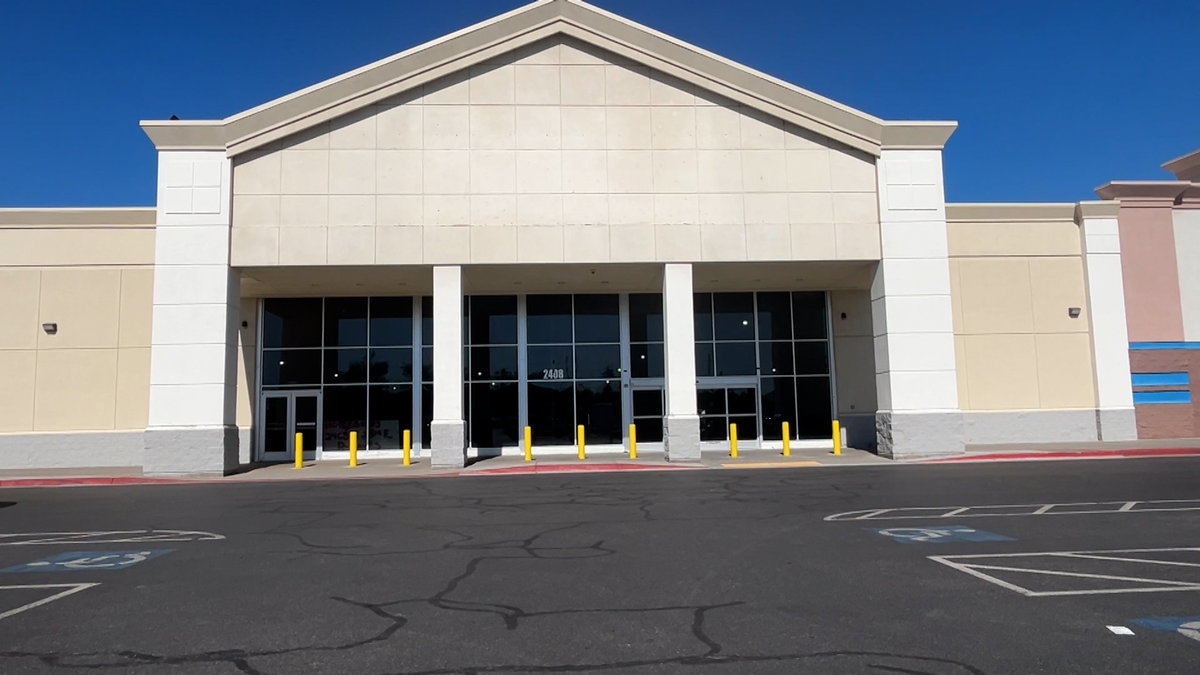
IDAHO FALLS, Idaho (KIFI) — What started as a local rumor has now been officially confirmed: a new HomeGoods store is coming to Idaho Falls, taking over the vacant building where Joann Fabric and Crafts once stood.

Online speculation began circulating after a piece of plywood with the word “HOMEGOODS” spray-painted across it appeared outside the empty storefront. While the DIY sign raised eyebrows, Local News 8 confirmed with the Idaho Falls Planning and Zoning Department, which verified that HomeGoods has officially pulled and been issued a building permit for the site.

The new store will open at 2408 South 25th East, tucked between Ross and PetSmart near the Grand Teton Mall.

Because the interior was left completely bare after Joann’s closed its doors, the company will need to rebuild the store’s interior before welcoming shoppers. While the permit confirms the location is a go, HomeGoods’ corporate office has not yet released an official timeline or an expected opening date.

Click here to follow the original article.

Man arrested after striking two highway workers on I-84 off-ramp

Kelsey Merison

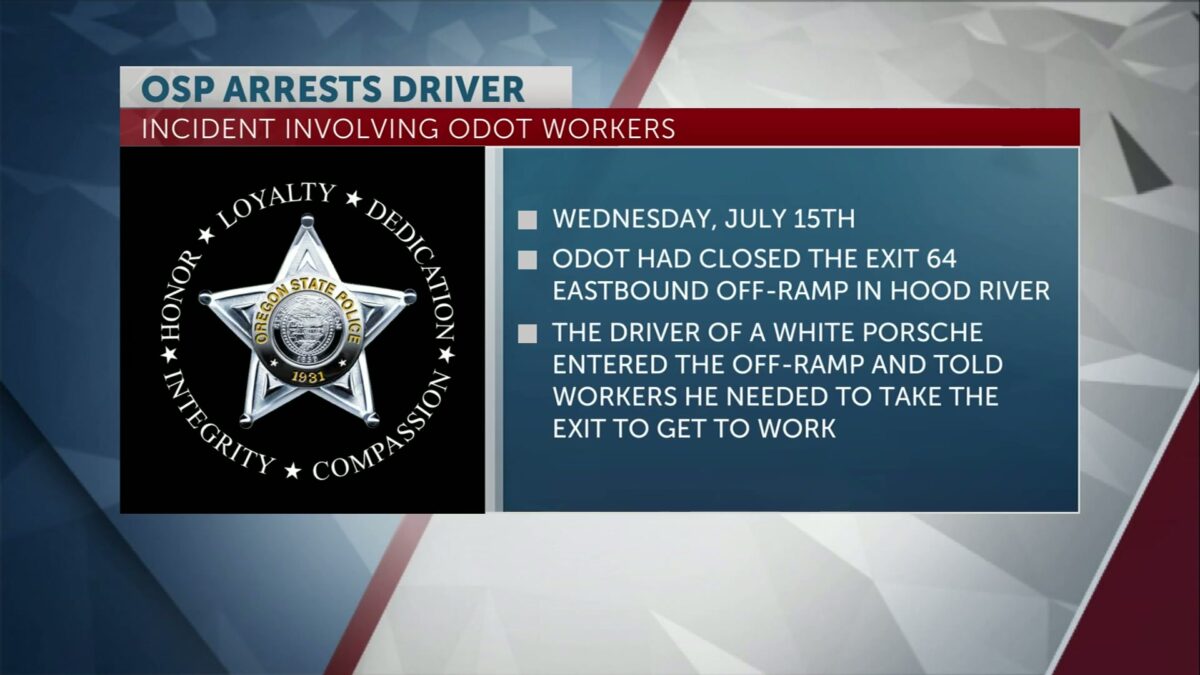
HOOD RIVER, Ore. (KTVZ) — On July 15th, 2026, Oregon State Police arrested Gregory Adam Polanski, 43, after he struck two Oregon Department of Transportation workers on a closed Interstate 84 off-ramp in Hood River and then left the scene. Polanski was booked into the Northern Oregon Regional Correctional Facility (NORCOR) on charges including reckless driving and recklessly endangering highway workers.

The incident occurred on the Exit 64 eastbound off-ramp, which was closed for a commercial motor vehicle crash removal.

At approximately 4:10 a.m., Oregon Department of Transportation (ODOT) crews had closed the Exit 64 eastbound off-ramp in Hood River. Despite the closure, Polanski entered the off-ramp in a white Porsche and told workers he needed to take the exit to get to work.

As the Porsche drove through the closure, it struck two ODOT workers who were staffing the area. Neither worker was injured and both declined medical treatment.

Polanski, a resident of Hood River, left the scene before law enforcement arrived. Oregon State Police (OSP) troopers located Polanski’s vehicle and conducted a traffic stop at approximately 5:46 p.m.

He was arrested and booked into NORCOR on charges of reckless driving, two counts of recklessly endangering another person and recklessly endangering highway workers.

OSP reminds motorists that highway work zones are in place to protect both workers and the traveling public. Drivers are required to obey traffic control devices, road closures and directions from roadway workers.

Click here to follow the original article.

DRIVER ALERT: Part of South Academy Boulevard in Colorado Springs to close for weekend

Scott Harrison

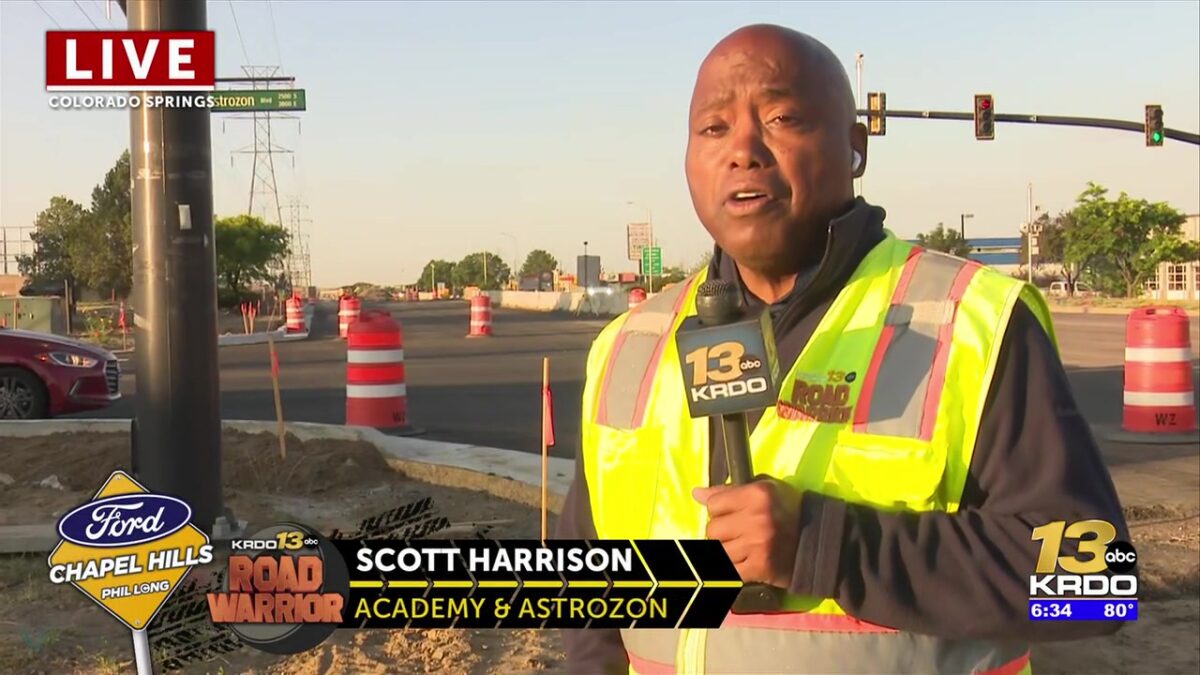
COLORADO SPRINGS, Colo. (KRDO) — The latest phase in the ongoing series of upgrades on South Academy Boulevard will close a half-mile from Friday evening until midday Monday.

The closure begins at 7 p.m. between Astrozon Boulevard and Hancock Expressway, and is scheduled to end at noon Monday.

An hour later, the west side of the South Academy/Astrozon intersection will close for approximately three weeks.

The closures are necessary because crews are installing a water line, and will finish paving and striping.

Businesses and a shopping center front the segment of South Academy to be closed this weekend, but access to the businesses remains open; for more information, visit: https://coloradosprings.gov/AcademyBlvdImprovements.

Much of the utility work has closed the east side of South Academy, squeezing northbound and southbound traffic onto the west side and decreasing lanes from six to four.

The overall improvements project will ultimately stretch from Fountain Boulevard to Jet Wing Drive, just north of Milton E. Proby Parkway; construction began on the south end and has advanced north to El Morro Road.

For many drivers and pedestrians, the project has been inconvenient — coping with occasional lane closures, changes on walking paths and at city bus stops, and significant construction activity.

The project is also an adjustment for adjacent businesses, but the frequent closures are by design because the city wants to avoid the negative impacts experienced during the earlier South Academy project between Bijou Street and Airport Road.

In that project, the city learned that doing the South Academy work in smaller segments would be less impactful than doing it in larger segments with closures lasting weeks or months.

According to the city, the overall project marks the first rebuilding of South Academy since 1969 and is expected to cost more than $100 million.

It’s the boulevard’s first major reconstruction since 1969; it will relocate existing utility lines, install new utility lines, improve intersections, build new curbs, gutters, ramps, and sidewalks, and repave the boulevard.

Workers started the Bijou to Airport phase in early 2023 and finished in late 2024.

Preliminary work on the second phase began during that time but didn’t ramp up until earlier this year, after officials took a break to meet with neighbors about how to avoid the earlier negative impacts.

The project originally was to end this year, but delays due to groundwater infiltration and the break to connect with nearby residents mean it won’t be completed until 2028.

When the city finally does finish the project, most of the south end of the boulevard from Bijou to Interstate 25 will have been upgraded by either the city or El Paso County.

Many citizens hope that completing the project will lead to an economic revitalization along the corridor, which has many vacant storefronts.


Click here to follow the original article.
Good Vibes Only: Father-daughter bond during El Paso Fire’s Summer Youth Academy

Rosemary Garcia

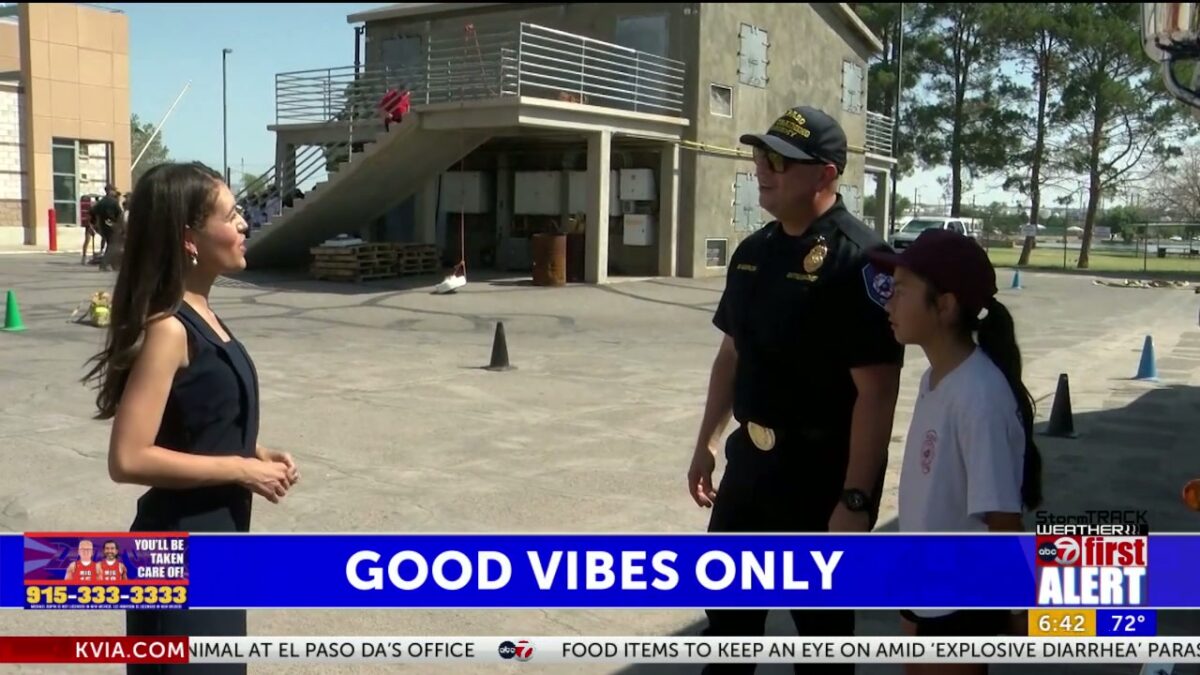
EL PASO, Texas (KVIA)—A local father-daughter duo shared a special bond during the El Paso Fire Department Youth Academy. The camp returned earlier this summer for two weeks of hands-on training.

This year, the academy was split into two sessions tailored by age groups. The camp provides a unique opportunity for Borderland children and teens to dive deep into the world of firefighting. Participants aged 10-17 are able to learn about fire safety, search-and-rescue operations and teamwork.

12-year-old Alyanna Garcia applied and was accepted into this year’s academy.

Her father, Battalion Chief Miguel Garcia, a 20-year veteran at the El Paso Fire Department, first approached her about it and asked if she would be interested.

“She was very excited to participate. So it’s a good opportunity for me to show her what I had to go through in my academy. It’s a small glimpse of what I had to endure,” he said.

Chief Garcia witnessed his daughter participating in several obstacles, including rappelling off a five-story training tower. He was there as she was preparing to descend, coaching her through every step.

“It’s a proud moment for me to see her navigate through those challenges mentally and physically. And it’s a proud moment for me as a father to see her, you know, tough it out and do the small things that, her dad got to do,” Chief Garcia told ABC-7.

He said his daughter has previously expressed interest in a nursing career, so he was excited when she decided to try out the academy.

“It’s a great opportunity, especially with my dad. I wanted to feel how, what my dad went through when he was going through the fire camp,” Alyanna said.

Participants were also able to work on team-building, physical training, and trauma care.

After this week, Alyanna said she is now considering a career in firefighting. Now, she has a new appreciation for the line of her work her father is involved in.

“The work that he does really inspires me to come each day and do the best I can,” she said.

Click here to follow the original article.
Stormy Friday and monsoonal moisture staying on the weekend radar

Danielle Mullenix

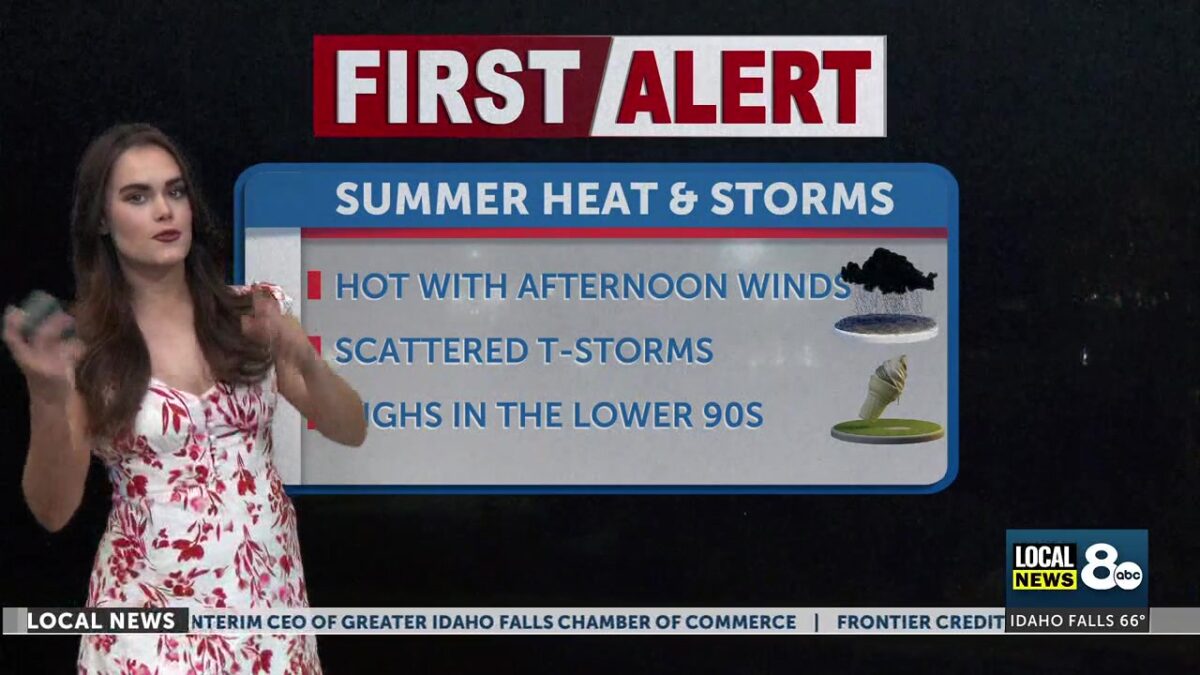
Make sure to pack an umbrella today, as we are expecting rain, lightning showers, thunderstorms, and the possibility of hail across the region this Friday. Monsoon moisture will linger through next week, resulting in daily chances for showers and thunderstorms. Today is the most weather-impactful day of the weekend ahead, with thunderstorms likely to be more widespread across eastern Idaho and western Wyoming.

Thursday overnight hours brought chances of showers and thunderstorms in from the South, with partly cloudy skies and overnight temperatures falling to around 60 degrees across the Snake River Plain. While not everyone will see rain, a few storms could linger into early Friday morning.

A Red Flag Warning is in effect this Friday as storm chances with heavy lightning become more prominent across Eastern Idaho and Western Wyoming. A mix of clouds and moisture will create a more humid atmosphere around the Snake River Plain in the early morning hours. Critical fire conditions are on the rise for the afternoon forecast over the higher elevation areas near Island Park and Salmon. Thunderstorms will begin rotating around the Snake River Plain around 2 pm, then push northward into the evening hours. High temperatures are still relatively high today, with many places at 90 in the late afternoon. Wind gusts will also climb up to

Saturday will still have a threat of heavy local rainfall in the forecast, as monsoonal moisture continues to move into the region from the South. Expect drier conditions to return on Sunday, but we will still have a slight chance of scattered rain and thunderstorms pushing through the more elevated regions. High temperatures are warming slightly over the weekend, with most of Eastern Idaho and Western Wyoming in the lower to mid-90s. Fire restrictions will also be strictly enforced, with weather conditions increasing the risk of wildfires. Plan accordingly. While not everyone will see rainfall… localized downpours, lightning, and gusty winds will remain a possibility through the weekend.

RED FLAG WARNING IN EFFECT FROM NOON TO 9 PM MDT FRIDAY FOR SCATTERED THUNDERSTORMS:

The National Weather Service in Pocatello has issued a Red Flag Warning for scattered thunderstorms, which is in effect from noon to 9 PM MDT Friday.

IMPACTS…Scattered thunderstorms can produce frequent lightningThat may, in turn, produce wildfires that start in receptive fuels.

THUNDERSTORMS…In the Sawtooth NF, which is north of the SnakeRiver, the thunderstorms will be a mixture of wet and drythunderstorms, while south of the Snake River in Zone 427 thethunderstorms should be nearly all dry, less than 0.10 of aninch rainfall accumulation.

Click here to follow the original article.