Housing Bill in limbo as Trump withholds signature, Congressman Ruiz pushes back

Tommy Gallegos
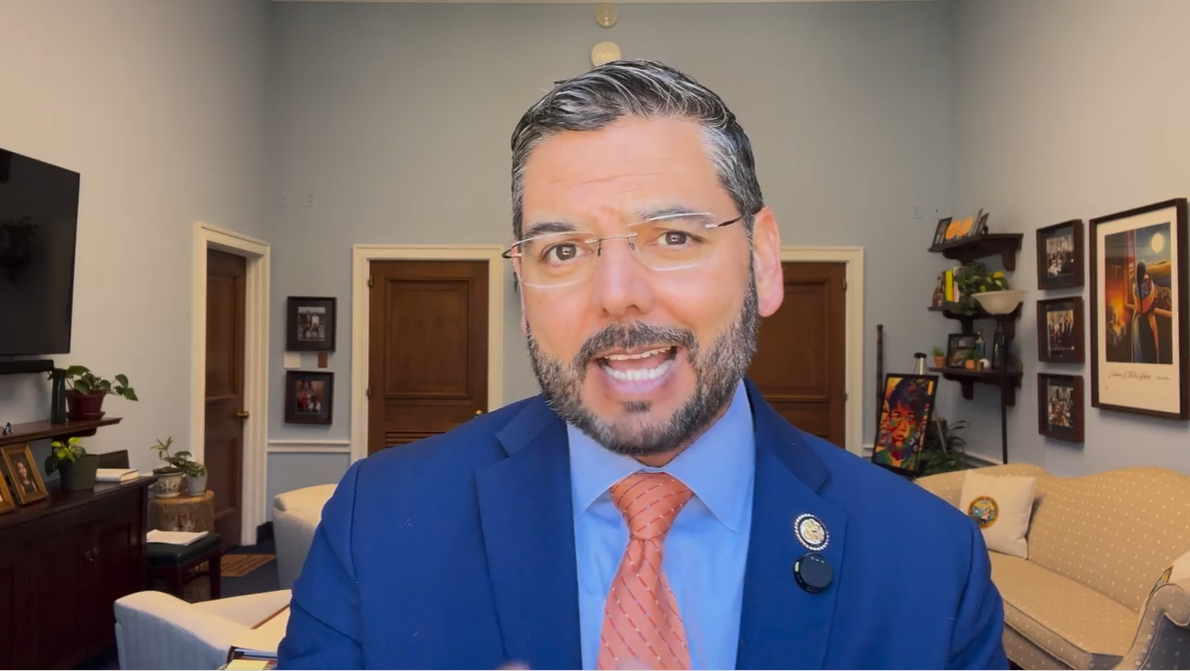
Congressman Raul Ruiz is criticizing President Donald Trump after the president abruptly canceled a planned signing ceremony for the bipartisan 21st Century ROAD to Housing Act.
The housing bill, which passed the House of Representatives by a vote of 358-32 and cleared the Senate with overwhelming bipartisan support, was expected to be signed into law before Trump announced he would withhold his signature until Congress passes the SAVE America Act, an unrelated voter identification measure.
Ruiz condemned the decision, arguing that delaying the housing legislation places political priorities ahead of the needs of millions of Americans struggling with rising housing costs.
“So many families in our communities are struggling to pay their mortgages, watching the cost of housing climb out of reach, and feeling stuck with no end in sight,” Ruiz said in a statement. “Last night, Congress passed, overwhelmingly, the 21st Century Road to Housing Act, which will help lower housing costs for American families. The President’s refusal to sign this bill into law is a slap in the face to Americans who are struggling with the rising cost of living,” said Ruiz.
Yesterday, Congressman Ken Calvert said on Facebook, “High housing costs continue to be one of the biggest challenges for the families I represent in Congress. I just voted to pass The 21st Century ROAD to Housing Act. The bill aims to tackle the root causes of housing affordability by increasing supply, reducing unnecessary regulations, expanding financing options, and delivering more opportunities for families to achieve the American dream of homeownership.”
We have reached out to Congressman Calvert for his reaction to the President withholding his signature on the 21st Century ROAD to Housing Act. We have not heard back from the Congressman or his office.
Trump’s decision to tie the housing bill to the passage of the SAVE America Act has sparked criticism from Democrats and some housing advocates, who contend that the two issues are unrelated and should be considered separately.