Utah Museum and BLM partnership honored for work to recover 100-thousand Indigenous cultural items

By DEANIE WIMMER
Click here for updates on this story
SALT LAKE CITY (KSL, KSL TV) — A major recognition for an Utah partnership working to repair the damage of a widespread looting case.
The Natural History Museum of Utah and the Utah Bureau of Land Management are being honored for their work to recover, preserve, and return more than 100-thousand Indigenous cultural items, some of them finally going back where they belong.
More than 100,000 Indigenous cultural objects, once illegally taken from public land, Tribal land, and burial sites, are now being carefully preserved, cataloged, and returned.
The Natural History Museum of Utah and the Utah Bureau of Land Management are being recognized for their decade-long partnership on what’s known as the ‘Cerberus Project,’ the largest and most archaeologically significant recovery ever made by the federal government.
“The society for American Archeology Award was for the partnership between the BLM Utah and the Natural History Museum of Utah to right some wrongs. This was a really tragic looting case, and we worked hard to return the objects to where they belong,” said Lisbeth Louderback, curator of archaeology at the Natural History Museum of Utah.
After the objects were recovered through a federal undercover operation, BLM partnered with the museum to inventory, research, and determine where each item should go, whether to Tribal nations, or appropriate repositories.
The process takes years.
“It took a lot of time to unpack, repack, making sure things were good for travel,” said Annie Lawlor anthropology collections at the Natural History Museum of Utah. “It was a tremendous amount of time. You just have to make sure that you’re doing really accurate work.”
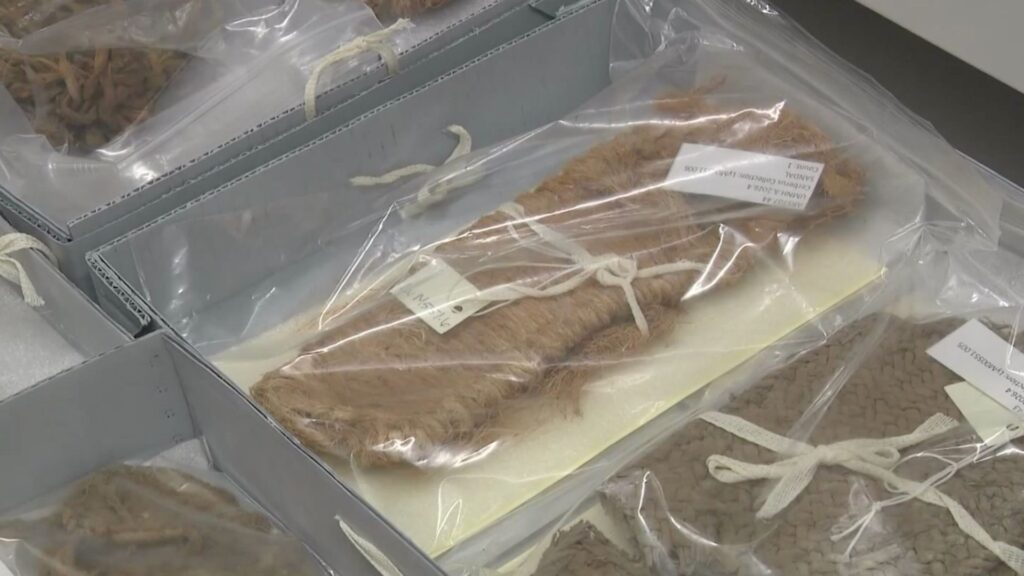
The collection includes stone tools, baskets, sandals, and other organic materials — items rarely found intact in archaeology today.
While much of the collection is still being processed, organizers said the work represents a shift in how archaeology serves the public, focused on responsibility, collaboration, and repair.
“I’m really proud of the fact that the museum we can show the public how the museum isn’t just a building full of exhibits,” said Lawlor. “It’s here to serve the people of Utah.”
Please note: This story was provided to CNN Wire by an affiliate and does not contain original CNN reporting. This content carries a strict local market embargo. If you share the same market as the contributor of this article, you may not use it on any platform.