Route W ramp in Jefferson City to close next week

Ryan Shiner

COLUMBIA, Mo. (KMIZ)

The ramp to Route W from westbound Highway 54 in Jefferson City is scheduled to close for several months beginning on Tuesday, Sept. 22.

Motorists will be directed to use the West Main Street exit to eastbound Highway 54 to access Route W, a Friday press release from the Missouri Department of Transportation says.

The closure is expected to last into May 2027. Crews will also move temporary barriers from the median to the right shoulder and traffic will be shifted into the newly constructed lane, the release says.

The work is part of the project to widen Highway 54 between Highway 63 and the Missouri River Bridge.

Click here to follow the original article.

Missouri AG issues cease-and-desist orders to six prediction markets

Melissa Houston

COLUMBIA, Mo. (KMIZ)

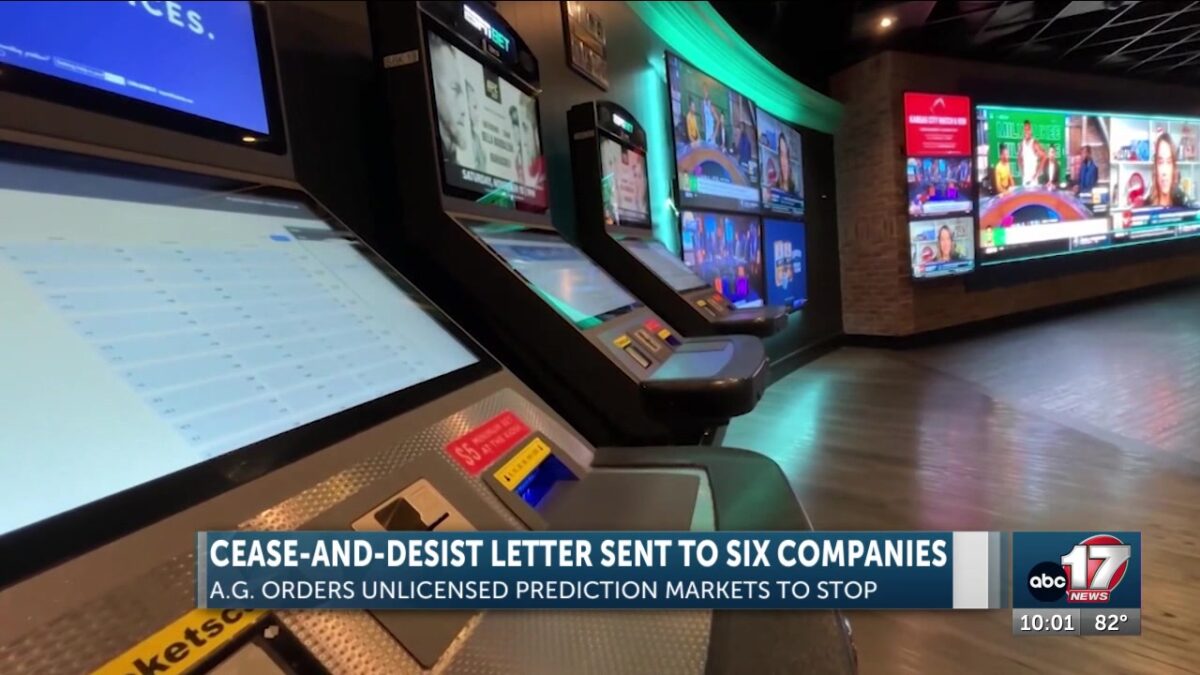
Missouri Attorney General Catherine Hanaway issued cease-and-desist orders to six online prediction market operators, demanding they stop offering sports “event contracts” to state residents without a sports wagering license, according to a Friday press release from her office.

The letters were sent to Polymarket, Kalshi, Crypto.com, Novig, Underdog and Robinhood. The AG’s Office claims that operating sports-related contracts is considered unlicensed sports gambling under Missouri law.

Ryan Butler, a senior news analyst for Covers.com, said prediction market companies are labeling themselves as stock trading companies, comparing their methods of betting to those similar to the stock market.

“The idea in their mind, the prediction markets, is that trading the outcome of that baseball game or a football game or anything like it is no different than trading on what you think a stock will happen,” said Butler. “You can buy or sell trades just like you do for stocks.”

ABC 17 News reported on Thursday the rise in prediction markets could result in significant losses in tax revenue. Previous reporting shows that prediction markets have argued that their event contracts are financial products subject to federal regulation instead of state-regulated sports wagers.

“Missourians voted for a safe, well‑regulated sports wagering market that supports public education and addresses problem gambling,” Hanaway said in the release. “Companies cannot repackage sports bets as ‘event contracts’ to avoid Missouri law. We will enforce the rules voters approved and protect consumers.”

Under Amendment 2, which Missouri voters passed in November 2024, the Missouri Gaming Commission oversees sports wagering. The voter-approved framework imposes a 10% tax on sports betting gross receipts to help fund public education and sets the legal gambling age at 21.

Prediction market platforms let users trade contracts tied to sports game outcomes. The AG’s office cited claims that these platforms either allow underage users to access sports contracts or lack age-verification methods.

Butler said that prediction markets believe that since 18-year-olds can open stock market accounts, their users shouldn’t have to be 21, since they consider themselves similar to a stock company.

“It’s kind of the idea is like, well, so we’re like, an 18-year-old is allowed to open up a stock market account, you know, on Robinhood or through whatever,” Butler said. “And they go, ‘Well, why can’t they do this because it’s just like stock trading?'”

In the letters, the state rejected the claims made that event contracts do not qualify for federal financial regulations or state oversight by stating that online sports wagering platforms remain subject to state gambling laws.

“Federal law does not preempt state law in this area, and sports “event contracts” do not qualify as “swaps” governed by the federal Commodity Exchange Act, as frequently claimed by illegal online sportsbooks,” Hanaway stated in the letters.

Hanaway called on the six companies to comply with state law, or the office indicated that failure to comply will lead to legal action taken.

“Missouri expects all online sports wagering platforms to comply with Missouri’s sports betting laws, and Kalshi is no exception,” Hanaway wrote in her letter to Kalshi. “The only immediate solutions available to Kalshi are to bring its operations into compliance with Missouri law or to stop offering its online sports wagering platform to individuals located in the State of Missouri. Otherwise, the State of Missouri will take legal action against Kalshi.”

Missouri is not the only state to send a letter to prediction markets, and this is the first step in a long journey, according to Butler. He said this matter could make its way to the Supreme Court but it would not be immediate.

“We’re going to have to make a really important decision about a very interesting legal issue. And that decision isn’t for another year or two at least,” Butler said.

ABC 17 News received a statement from the Missouri Gambling Commission on Friday stating that prediction markets are sports betting platforms.

“The MGC will await the outcome of several court cases at the federal and state levels to help determine action or inaction by the agency in the future,” Elizabeth Hoffman, a spokesperson for the Gaming Commission, said. “We do believe there is an impact of prediction markets on sports wagering revenue; however, because they are not regulated, we have no idea what level that would be.”

Click here to follow the original article.

Columbia Police sometimes left to squeeze clues from meager evidence in cold cases

Olivia Hayes

COLUMBIA, Mo. (KMIZ)

Sometimes, minute pieces of evidence can tell investigators a lot of information and, in some cases, lead to a big break in a cold case.

Columbia Police are investigating 17 unsolved homicide cases with 19 victims dating back to 1985.

Investigators have detailed a number of struggles in their search for justice ranging from inconsistent witness statements, a lack of admissible evidence and in some of the older cases little to no video footage.

However, the evidence investigators do have can help to provide some answers, as in the case of 52-year-old James Hundle. Officers found the 52-year-old dead with a gunshot wound in the 4800 block of Marble Cedars Drive on the morning of Oct. 13, 2021. 

Columbia Police Department criminal investigator Lt. Matt Gremore wouldn’t say how many times Hundle was shot or if a gun was recovered. However, he said that evidence showed the deadly shot was not self-inflicted.

In the case of 25-year-old Dominick Roland, bullet holes found on the car he was riding in the night he was killed could allow investigators to understand more about the deadly shooting, like the path the bullets traveled.

“Our evidence techs are great,” Gremore said. “They’ve gone to a lot of training to try to figure that out, to see where someone was standing in relation to where a gun shot was fired. They put a lot of work into that, and it really helps you map out what happened.”

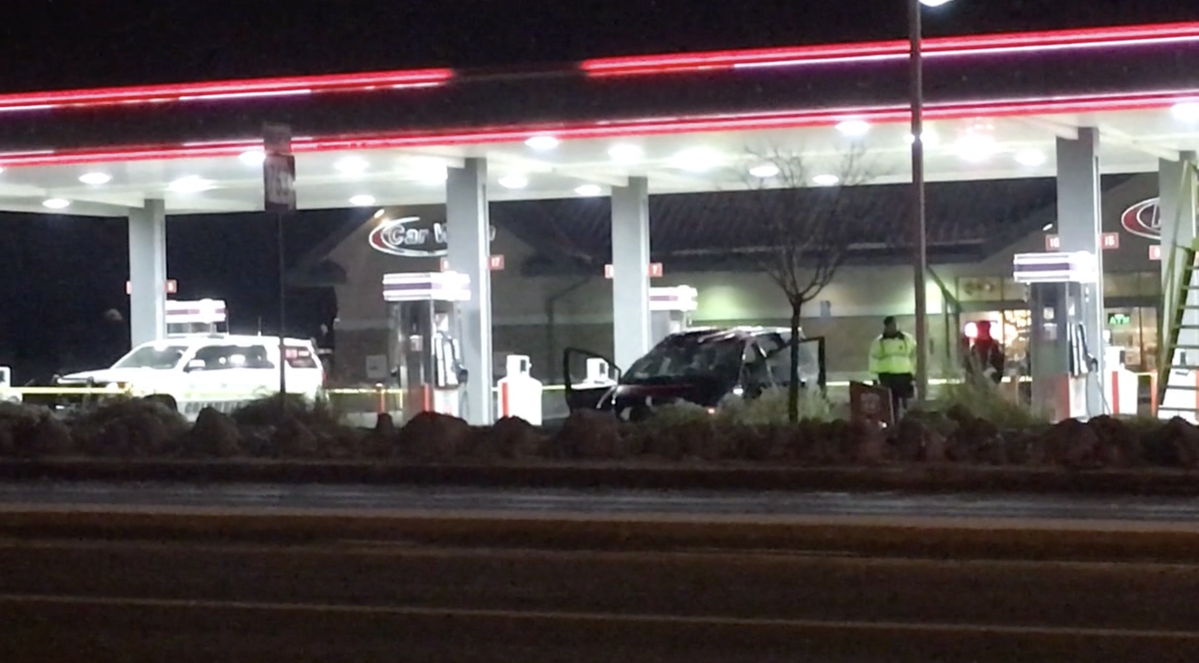
Roland was found with a gunshot wound in a different car that had crashed near a gas station in the 3800 block of Range Line Street around 2:55 a.m. on Jan. 26, 2019. He was being taken to a hospital by his twin brother, Darius, when the crash happened.

Investigators believe Roland was wounded about 15 minutes prior while riding in the back passenger seat of his friend’s car.

Police records obtained by ABC 17 News show “apparent bullet holes, or bullet defects” were later found by police in the front passenger fender, the rear hatchback between the passenger side fender and license plate, and in the rear driver’s side bumper.

Witness statements describe the incident as a drive-by shooting.

Investigators found that one of the three bullets traveled through the rear passenger seat, hitting Roland in his lower left side.

Gremore said any physical evidence in a case, like bullet holes, can also help officers validate witness statements.

“You have an idea of where people were when they give a statement, and if they’re telling the truth, because you can match that with evidence, it’s a phenomenal thing,” Gremore said.

Watch “Mid-Missouri’s Cold Case Files” Monday on ABC 17 News after the game on KMIZ to hear more about the Roland case.

Click here to follow the original article.

Columbia man accused of possessing child porn

Ryan Shiner

COLUMBIA, Mo. (KMIZ)

A Columbia man was charged on Friday in Boone County with two felonies.

Donta Bogan was charged with possessing child sex abuse materials and promoting child sex abuse materials. He is being held in Pettis County for a different warrant.

The probable cause statement says Boone County received a CyberTip on Sept. 3 from the National Center for Missing and Exploited Children about child sex abuse materials being stored on a cloud-based storage system.

The IP address was associated with Bogan’s home address and he allegedly admitted to possessing and distributing videos when law enforcement spoke with him on Thursday.

Bogan is charged with first-degree tampering with a motor vehicle in Pettis County. A hearing was held on Tuesday and cause was set for a preliminary hearing on 1:30 p.m. Tuesday, Sept. 22.

Click here to follow the original article.

Shooting suspect arrested at Columbia apartment complex

Madison Stuerman

COLUMBIA, Mo. (KMIZ)

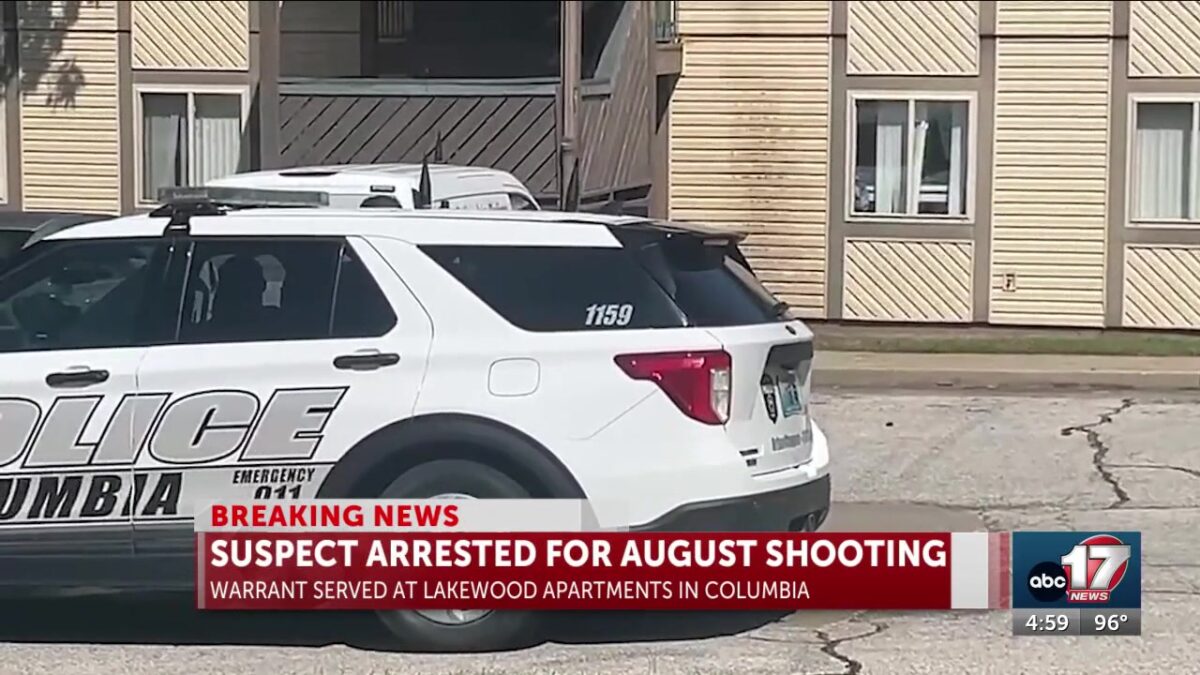
A shooting suspect was among the people arrested as police served a search warrant at an east Columbia apartment complex Friday.

Two people were arrested in east Columbia when police served the search warrant Friday morning, a police officer said at the scene.

Eight Columbia Police officers and a Bearcat armored vehicle were seen at Lakewood Apartments at 204 Old 63.

Lt. Neal Sedgwick of the Columbia Police Department said officers were serving a search warrant at one of the apartments.

CPD later said in a news release that Chase Ricketts, 19, had been arrested in connection with an Aug. 2 shooting on Conley Road. The shooting injured a 26-year-old man.

According to the Boone County Jail roster, Ricketts was arrested on suspicion of first-degree assault causing serious physical injury, unlawful use of a weapon in a shooting death and armed criminal action.

An ABC 17 News reporter saw police arguing with several people in the parking lot.

The scene was cleared just before noon on Friday.

This is a developing story.

Click here to follow the original article.

Mizzou golfers granted eligibility for fifth year after judge approves TRO

Jazsmin Halliburton

COLUMBIA, Mo. (KMIZ)

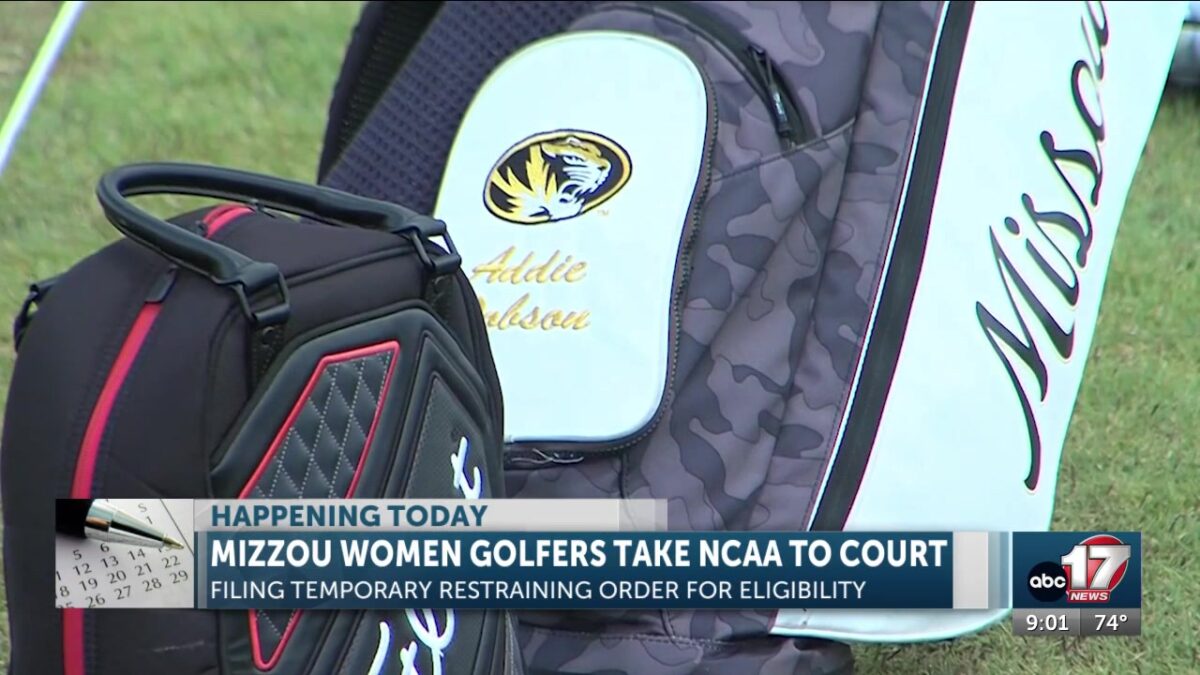
Two golfers from the Mizzou women’s golf team were granted a temporary restraining order on Friday, allowing them to participate in a fifth year.

Addie Dobson and Melanie Walker filed the motion against the NCAA on Sept. 14, and a hearing is scheduled for 12 p.m. at the Boone County Courthouse before Judge Joshua Devine.

Dobson and Walker are asking Devine to grant them another year of eligibility after the NCAA passed its “five seasons in five years” rule this summer. The rule established a five-year period to practice and compete starting at initial full-time enrollment that went into effect on Aug. 1.

The motion describes Dobson as a graduate student and Walker as an undergraduate student who are both enrolled at the university. Both started competing for MU as freshmen in 2022. Dobson and Walker’s lawyers state in the motion that they remain within the five-year eligibility rule. The motion argues the language in the NCAA’s eligibility rule implies that students who enrolled before Aug. 1 and are still within five years can compete.

Dobson and Walker appear on the Mizzou official roster that was submitted to the NCAA. They have also been approved for scholarships and NIL deals, and both players have continued to practice with the team.

Dobson and Walker are seeking to be eligible to compete by their next tournament on Sept. 21.

Several athletes, most notably in football and basketball, have made headlines asking for an extra year after the rule went into effect. Defensive lineman Sterling Webb is listed on the school’s football roster after filing a lawsuit in August for the same reason.

A hearing in the golf case is scheduled for 10:30 a.m. Monday, Sept. 28.

Click here to follow the original article.

Columbia, Boone County to propose plan to buy old animal hospital location

Ryan Shiner

COLUMBIA, Mo. (KMIZ)

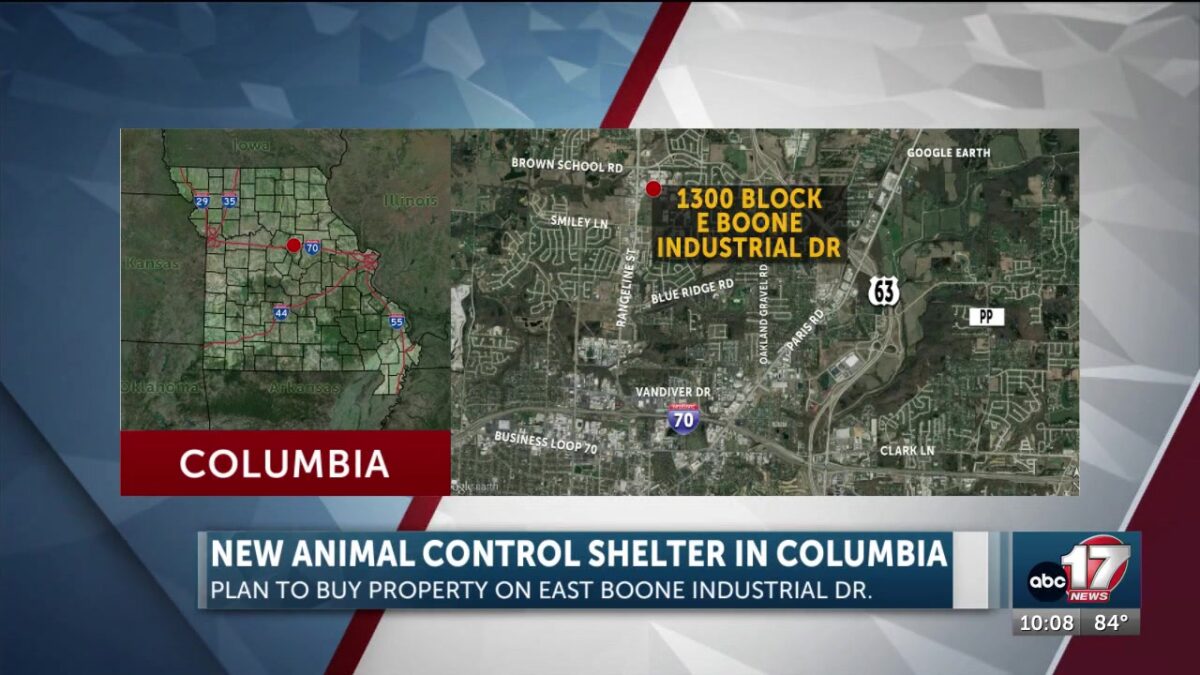
A plan to buy a property of a former animal hospital will be introduced at the next Columbia City Council meeting.

The city and Boone County will propose to buy the former site of Columbia Animal Hospital at 1300 East Boone Industrial Dr. The Columbia Animal Hospital closed in March.

The property costs $995,000, which city documents show the city would put up $595,000 and the county would provide $400,000. It includes a 3,600-square-foot building on a 2-acre lot, city documents show.

City documents say Public Health and Human Services would use the space for an animal shelter for the city and county’s animal control services. Animals that are currently in animal control’s custody are housed at the Central Missouri Humane Society.

The Columbia City Council meets at 7 p.m. Monday.

Click here to follow the original article.

Prediction markets raise questions about Missouri sports betting tax revenue

Mitchell Kaminski

COLUMBIA, Mo. (KMIZ) 

With football season underway, Missouri is poised to collect some of its highest taxable revenue from sports betting.

But the rise of prediction markets could divert some of that wagering activity — and the tax revenue it generates — away from the state.

Missouri launched legal sports wagering in December 2025 after voters approved Amendment 2. The state taxes sports betting revenue at 10%, with proceeds supporting state programs including education. At the same time, prediction markets have rapidly expanded nationwide.

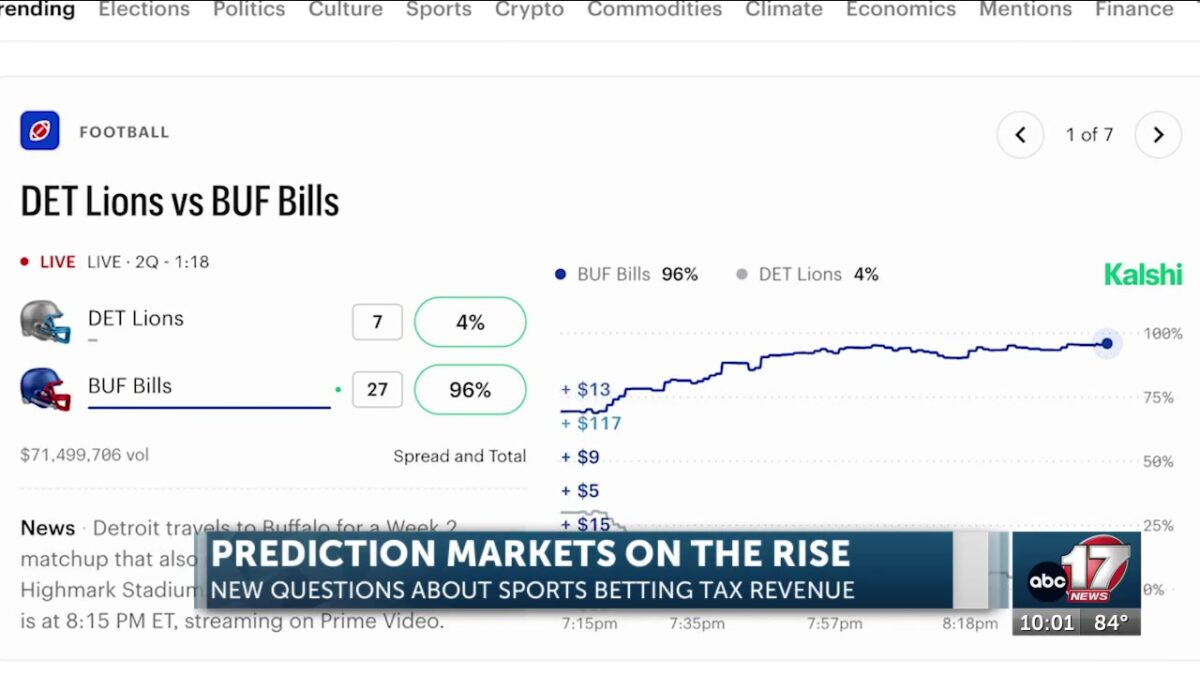
Platforms such as Kalshi and Polymarket allow users to buy and sell contracts tied to the outcome of events. Instead of placing a traditional sports bet with a sportsbook, users trade contracts that can pay a set amount depending on whether an event happens.

Ryan Butler, senior news analyst at Covers.com, said the prices on prediction markets can look a lot like traditional betting odds.

“The prediction markets have to use probabilities or percentages instead of traditional American betting odds. They were using those for a while, and they are almost identical,” Butler said. “So for traders in prediction markets and bettors for sportsbooks, they are almost indistinguishable sides of that percentage.”

The key legal distinction, Butler said, is how the transactions are structured.

“The reason why legally, is that technically, when you trade on an event contract platform, you are trading with someone else,” Butler said. “Now that other person might be a hedge fund or something, but you’re technically trading, and it’s like a stock, just like Microsoft or Coca-Cola or IBM or whatever.”

That distinction has become the center of a growing legal fight between prediction-market companies and state regulators. Butler said the issue could eventually reach the U.S. Supreme Court, and one case in New Jersey did earlier this month with that state asking the high court to shutter prediction markets in its state.

“They found a workaround, a creative way of looking at a law and determining that a trade on the Chiefs game coming up is actually more akin to a stock trade than it is a sports bet,” he said.

A rapidly growing market

According to the Tax Policy Center, a think tank that promotes itself as nonpartisan, trading volume on prediction markets such as Polymarket and Kalshi grew from roughly $9 billion in 2024 to more than $40 billion in 2025.

The growth has made prediction markets an increasingly significant competitor to sports betting. While some states have restrictions, it is now legal in all 50 states. 

In the first week of the NFL season alone, prediction markets generated roughly $3 billion in trading volume. However, Butler cautioned that trading volume and sportsbook handle are not directly comparable.

“A trading volume is hard to even compare to a sports betting handle,” Butler said. “It’s multitudes larger. There’s very big divides about how much you should compare trading volume to handle. It’s five-ten times bigger.”

The distinction matters because prediction-market trading volume can include transactions between buyers and sellers, while sportsbook handle generally refers to the amount wagered with a sportsbook.

Why states are watching

Sportsbooks operate under state gambling laws. They generally must obtain licenses and pay taxes on gambling revenue.

Prediction markets have argued their event contracts are financial products subject to federal regulation rather than state-regulated sports wagers.

That difference could have a direct effect on state budgets if wagering moves from taxed sportsbooks to prediction markets.

According to the Tax Policy Center, New York provides one example of the potential exposure. During the state’s 2026 fiscal year, mobile sportsbooks generated approximately $2.6 billion in gross gambling revenue. With a 51% tax rate, that activity produced roughly $1.3 billion in tax collections dedicated to education, youth programs and problem-gambling services.

The Tax Policy Center examined what could happen if just 1%, 5% or 10% of sportsbook activity shifted to prediction markets. It found that even relatively small shifts could mean significant losses in tax revenue for states with large sports betting markets.

Sports betting revenue is concentrated in a handful of states. The Tax Policy Center said New York accounts for roughly one-third of all state sports betting tax collections, while New York and Illinois together generate nearly half.

For Missouri, the potential impact is different. The state is just beginning to build a track record of sports betting tax collections, meaning there is less historical data to determine how much activity could shift and what that would mean for state revenue.

“States are absolutely concerned. Forty-plus state Attorneys General have filed lawsuits against these platforms and more than a dozen states have specifically taken them to court. There’s a lot of pushback from gaming regulators,” Butler said. “Nevada has, not surprisingly, been a leader. New Jersey has been a leader. There are a lot of states pushing back against this.”

Sportsbooks see a different picture

While state regulators have raised concerns, Butler said sportsbooks themselves do not necessarily view prediction markets as a direct replacement for traditional sports betting.

Some operators, including DraftKings, have launched prediction-market products of their own.

“What’s interesting is that the prediction market platforms, so the ones we can see DraftKings, which has a sportsbook and a prediction market platform, they’re saying that they’re not seeing any overlap, that it’s new customers,” Butler said. “A typical sportsbook has hundreds of different player props available for that, and I can stack them in hundreds of thousands of combinations. If I wanted to do that on a prediction market, I would have to have somebody on the other side who’s willing to buy the opposite of every single one of those ten-leg parlays, which is almost impossible.”

Parlays are important to sportsbooks because they allow bettors to combine multiple wagers into a single bet. Prediction markets generally operate differently, with contracts requiring a buyer and seller on opposite sides of a particular outcome.

Butler said that difference makes it difficult to determine how much traditional sportsbook business is actually moving to prediction markets.

“We’re not seeing a tremendous dent in sportsbook betting revenue by prediction markets, but it’s hard to look at those numbers. It’s hard to compare those numbers. We don’t have the full picture of it,” Butler said. “Overall, gaming regulators just do not like this. They do not like being stepped on. They don’t like circumventing their state laws. They don’t want that and they’re going after it.”

A question for state tax systems

The Tax Policy Center said lawmakers in several states are already considering ways to address prediction markets through licensing, regulation or taxation.

According to the National Conference of State Legislatures, proposals introduced in 2026 range from licensing and regulatory requirements to measures that would explicitly tax prediction-market activity or treat certain contracts similarly to sports wagering.

The debate goes beyond whether prediction markets should be legal. It also raises the question of whether states will continue collecting revenue when people shift some of their wagering from state-regulated sportsbooks to federally regulated prediction markets.

Butler said the legal uncertainty could remain for years. Lawyers he has spoken with are divided over when the Supreme Court could take up the issue, with some expecting a case as soon as 2027 and others saying it could be 2028.

“In the meantime, we are going to have dozens of court battles across the country, and we’re going to have one court rule one way and we’re going to have one court rule another, as we’ve seen. For example, in Nevada the Nevada area appellate court ruled for Nevada against the prediction markets, where the New Jersey area appellate court ruled against the state and for the prediction markets,” Butler told ABC 17 News. 

For states such as Missouri, the outcome could determine whether sports-related prediction contracts become another taxable form of wagering or remain outside state sports betting systems.

ABC 17 News reached out to the Missouri Gaming Commission.

Click here to follow the original article.

Rising diesel prices, extra firetruck prompt Columbia Fire Department’s 33% increase in fuel budget

Ellyse Edwards

COLUMBIA, Mo. (KMIZ)

The Columbia Fire Department received an additional $60,000 for fuel purchases as rising prices and increased consumption put pressure on its budget through the end of the fiscal year.

The Columbia City Council on Aug. 17 approved the one-time appropriation from the city’s General Fund balance. City documents state the money is intended to cover projected fuel consumption and ensure uninterrupted operations for emergency apparatus.

Columbia Deputy Fire Chief John Ambra said the department used about $167,000 in fuel in 2025 and was initially authorized to spend $180,000 this fiscal year. The additional appropriation brings this year’s fuel budget to $240,000, a 33% increase over the original amount.

Ambra said the department’s need for additional funding was caused by a combination of higher diesel prices and increased consumption. The department placed another firetruck into service and opened another fire station, both of which increased fuel use.

The department uses more than 3,000 gallons of fuel per month and approaches 4,000 gallons in some months, Ambra said. It operates 14 firetrucks, including frontline and reserve units.

Most of the department’s trucks hold around 60 gallons of fuel, making a complete fill-up cost at least $300 at current prices. The department also tries to keep each apparatus at least three-quarters full so crews are prepared for extended emergencies or large-scale disasters.

AAA reported Thursday that diesel was averaging $5.997 per gallon in Columbia, up from $5.506 one week ago and $3.447 one year ago. That represents an increase of 49 cents, or nearly 9%, in one week and approximately 74% during the past year.

Regular gasoline in Columbia was averaging $4.136 per gallon Thursday. That was about 10 cents higher than one week ago and approximately 42% higher than last year.

Statewide, Missouri’s diesel average reached $6.07 per gallon, up 47 cents from one week ago and about 78% from last year. Regular gasoline was averaging $4.09 statewide, an increase of 14 cents in one week and about 42% from last year.

The national diesel average reached a record of nearly $6.40 per gallon Thursday, according to AAA. The national average for regular gasoline was about $4.44 per gallon.

Ambra said the department would have to seek more funding if prices continue increasing.

“No, we would definitely need to request more money,” Ambra said. “It’s definitely something that’s scary, I guess, if you will, to watch the prices increase to what they are.”

Ambra said the effects could extend beyond the fuel needed to operate the department’s vehicles. Higher transportation costs could also increase what the department pays for equipment, uniforms, emergency medical supplies and other goods.

“It is concerning to think that we’re going to be hit with rising costs on all those other services and the goods, too, to provide, you know, for our department members and staff to ensure mission-ready,” Ambra said. “So it’s concerning. That’s for sure.”

AAA Missouri spokesperson Carly McKinnis said crude-oil prices on global markets are the largest factor driving the increases. She estimated crude oil accounts for roughly 40% of the cost of a gallon of diesel and at least half the cost of gasoline.

McKinnis said instability overseas is creating concerns about both the transportation and production of oil and fuel.

“What we’re seeing overseas in terms of the Iran war, we’ve got the Strait of Hormuz, which is a pinch point, and the Bab el-Mandeb Strait,” McKinnis said.

Diesel is facing additional pressure from the Russia-Ukraine war. Ukrainian drone attacks have damaged Russian refineries and reduced fuel production. Reuters reported three of Russia’s six largest diesel-producing refineries halted or significantly reduced output during September.

McKinnis said markets also raise prices based on the risk of future disruptions—even before a physical shortage reaches the United States.

She said higher diesel costs could eventually reach consumers through increased transportation and delivery expenses.

“Ultimately, pretty much every part of the economy touches diesel in some way,” McKinnis said. “Agriculture, construction. You’re just talking about civic government in terms of fire trucks and snowplows.”

McKinnis said retailers may initially absorb some of those added costs but could eventually pass them to customers through higher prices for groceries and other goods if elevated diesel prices continue.

Click here to follow the original article.
Boone County man run over by tractor, taken to University Hospital

Ryan Shiner

HARRISBURG, Mo. (KMIZ)

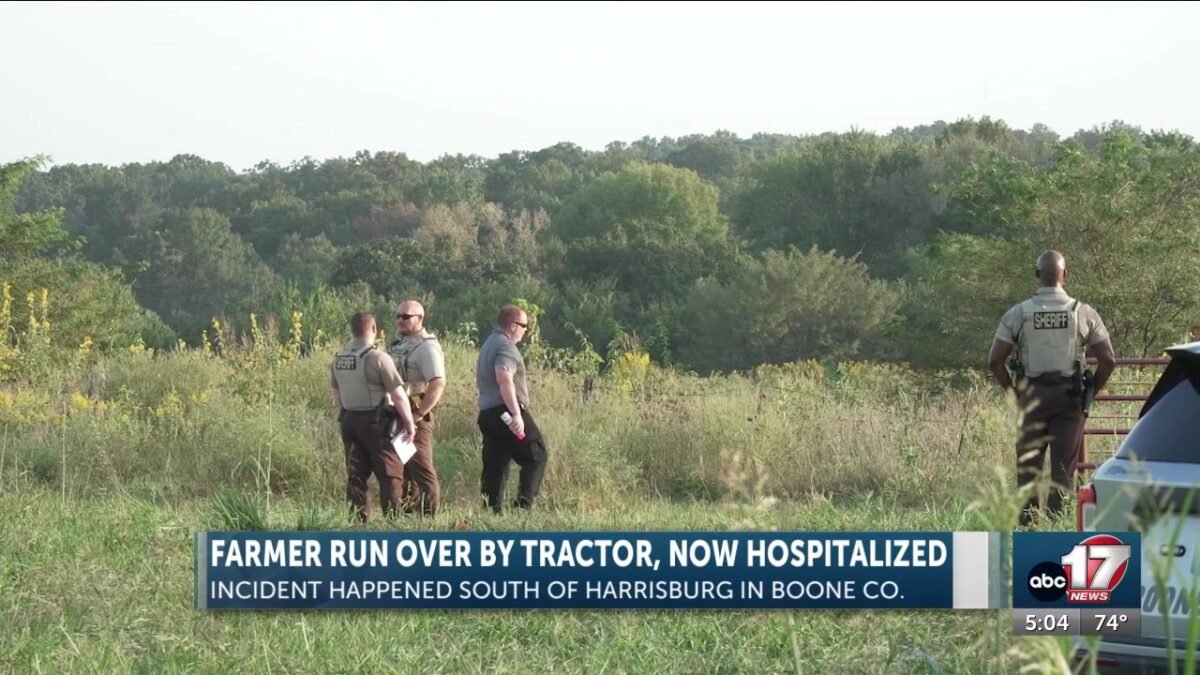
First responders responded to an accident scene on Route J south of Harrisburg on Thursday, according to a news release from the Boone County Fire Protection District. A Boone County deputy at the scene told an ABC 17 News photographer that a man had been run over by a tractor.

The incident happened at around 5:18 p.m. in the 12000 block of Route J. Crews arrived and found a man in a field near the tractor. Firefighters gave him first aid until an ambulance arrived on scene and took him to University Hospital.

The news release said the man had serious injuries.

First responders requested a helicopter during the initial stage of the call. A Missouri State Highway Patrol spokesman told ABC 17 News that an MU Health Care helicopter took off from Cosmo Park in order to get to the scene.

It’s not clear how the accident happened, and the man’s current condition is unavailable.

Click here to follow the original article.