Warm Weekend with changes on the horizon

Danielle Mullenix

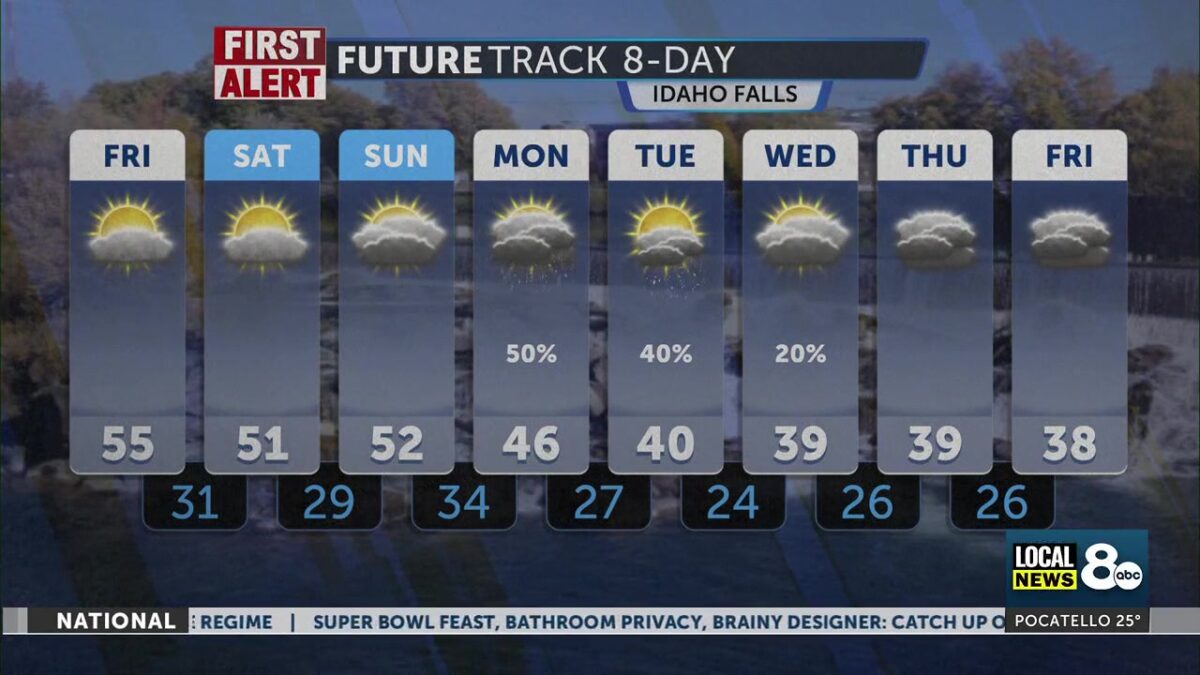
Enjoy the sunshine for the remainder of this weekend, as we will begin to see a shift in the weather starting Sunday night. High pressure around the area will slowly begin to break down, bringing rain and snow to the region by the start of this upcoming week. While this weekend offers plenty of clear skies and warm temperatures, we’ll return to more seasonable conditions within the next few days.

Saturday remains a quiet and pleasant day, with a mixture of sun and clouds and a springlike feel for early February. Highs reach the lower 50s across the Snake River Plain, with south-southwest wind of 5–10 mph. Lows will fall into the upper 20s and low 30s for Saturday evening.

Sunday morning and afternoon will stay abnormally dry and warm as the high-pressure system around us breaks down and slowly weakens the moisture system into our area. Expect partly sunny conditions and a high near 53°, followed by increasing clouds Sunday night and a chance of rain after 11 p.m. with overnight lows around 37°. Winds will begin to pick up, with gusts into the 20 mph range.

Rain showers for the start of Monday, with some snow mixing in later. Most of the snow will favor the higher terrain. No significant accumulation is expected with this snow system. Rain is likely before noon, then a rain/snow mix with scattered mountain snow showers throughout the day. The Snake River Plain tops out near 45° with little or no accumulation expected and precipitation chances around 60%.

AIR STAGNATION ADVISORY REMAINS IN EFFECT UNTIL 11 AM MONDAY

WHAT…Poor air quality will continue. This is due to an inversion and stagnant air near the surface, which will continue to trap pollutants.

WHERE…Franklin/Eastern Oneida Region and Lower Snake River Plain.

WHEN…Until 11 AM MST Monday.

IMPACTS…Periods of air stagnation can lead to the buildup of pollutants near the surface.

Click here to follow the original article.

Gas Feuds: Utah-Idaho conflict simmering over proposed gasoline export tax

David Pace

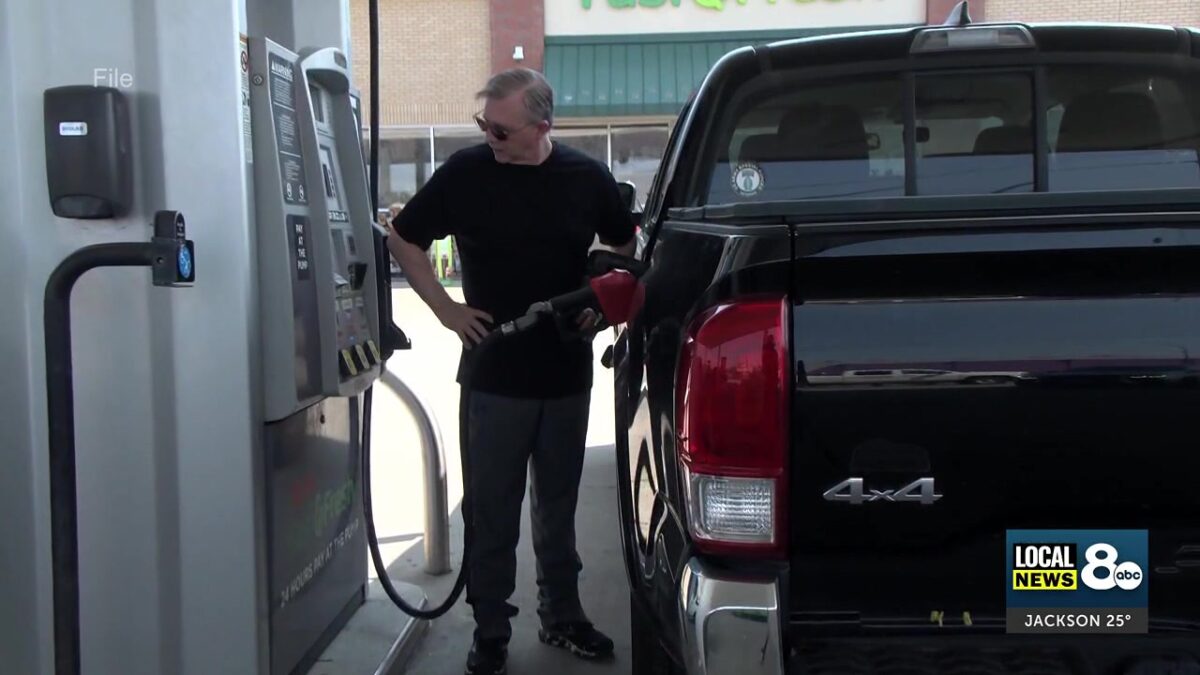
BOISE, Idaho (KIFI) – Idaho and Utah have been having a not-so-quiet feud over a Utah plan to change its gas tax and share its tax burden with Idaho.

Plans by the Utah lawmakers to potentially place an export tax on gasoline shipped from Utah refineries to surrounding states – including Idaho – are drawing continued pushback from Idaho lawmakers.

In an interview with Local News 8 this week in Boise, Idaho Speaker of the House Mike Moyle said Idaho is proactively responding to the threats.

“I think that Utah will find some sanity and pull back. But we’ll see because if they don’t, we in Idaho will find ways to make it miserable for them,” Moyle said. 

Idahoans currently pay $2.90 per gallon of gas on average – 13 cents more than drivers in Utah.

The plan in Utah to impose a new tax on refineries for exported fuel could push Idaho prices at the pump even higher.

“So hopefully they do the right thing and don’t raise our fuel taxes,” Moyle said. “We’ll see though. They have control right because of the refineries. But I think we’re in good shape. I think we’re talking. We’ll find a path.”

The potential restructuring aims to cut Utah’s consumer gas tax up to 50 percent.

Moyle warned that the export tax could increase Idaho’s gas prices by twenty-five cents a gallon. 

About 75 percent of fuel exported from Utah is purchased by Idaho consumers, according to a draft Joint Memorial from the Idaho House of Representatives and Senate.

“I think that, on the front end, they thought it was going to be really easy to come tax Idahoans and make it miserable for us,” Moyle said. “But there’s more to the story, so we’ll see what they do. They’re supposed to introduce a bill. We’ll see what the next rendition is. Once we see that, we’ll know how to respond.”

However, Idaho lawmakers told Local News 8 this week they have a feeling it’s going to be water – or oil – under the bridge soon, and they are going to work things out with Utah.

“We will find a sensible diplomatic path through the conversation,” said Idaho Rep. Josh Wheeler, R-Ammon, whose district includes Bear Lake County, bordering Utah. “There are some slightly, outlandish ideas being bandied about right now – like charging more for lottery tickets in our border towns, or maybe it’s time to tax microchips that come out of Idaho, the same way they’re trying to tax fuel that comes out of Utah’s refineries.”

While the bill to restructure Utah’s gas tax has not been filed yet, Idaho legislators have introduced a joint memorial opposing Utah’s export tax.

The joint memorial states:

 “Idahoans pay Idaho fuel taxes and are not obligated to pay Utah’s fuel taxes except when in Utah;”

“Article I of the United States Constitution prohibits states from imposing ‘ any imports or duties on imports or exports’ without the consent of Congress;

“Imposition of such an export tax would result in hundreds of millions of dollars in annual costs borne by Idaho families, farmers, and businesses.”

The memorial is scheduled for debate after its third reading. 

“In the end, I think they’re going to recognize what they’re trying to do is unconstitutional, and it’s time for them to find solutions that are in their state, rather than trying to inflict damage on our Idaho citizens,” Wheeler said.

Click here to follow the original article.

A ‘dead bill’ and a close shave, local stylists push back against reduced licensing hours

Ariel Jensen

REXBURG, Idaho (KIFI) — A controversial bill meant to eliminate barriers to education for cosmetology licensing is going to have to go back to the drawing board.

The bill would have decreased the mandated minimum education hours from 1,600 to 1,000 and apprenticeship hours from 3,200 to 2,000 required to receive a cosmetology license in Idaho.

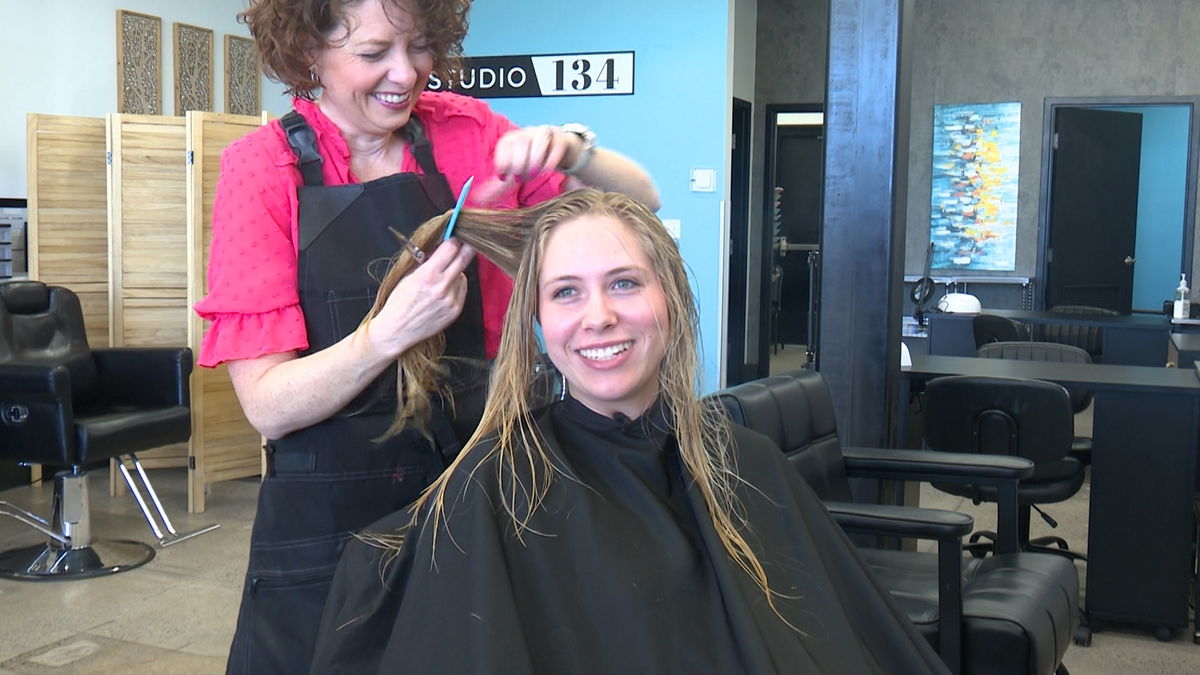
A local cosmetologist and business owner tells Local News 8 why these hours of education are so important. Idaho leaders are learning it’s not as simple as holding a pair of scissors and a few snip, snip, chop, chop motions.

“It’s chemistry, biology, geometry, anatomy, physiology,” said cosmetologist and business owner Tiffany Judd of Studio 134 in Rexburg. She explains beauty licensing is an ongoing list that includes math, science, business education, communication, and cutting practice; so 600 hours to learn these skills would affect more than just the people working in the industry.

“The cost of my services within the salon will have to go up, which the consumer will have to pay for, because I have to pay for somebody to be trained to be here. And then I also have to pay my time to educate them,” said Judd.

Judd’s concerns that House Bill 547 would reduce the required hours for a cosmetology license from 1600 to 1000 were shared by many other salon owners and educators who turned out to testify against the bill in the House Business Committee. Posts were also shared on social media about the time needed to learn about chemical safety, sanitation, and infection control.

“We’re in the industry of taking care of people. And without the knowledge, I see industry professionals coming out of school [with] lower hours and making mistakes,” said Judd.

While the bill is now “effectively dead,” in its current form, according to KTVB’s interview with Representative Brent Crane of Nampa, east Idaho customers are still reflecting on what it’s like to be in the chair.

“I’ve had it happen where my hair has been cut way shorter than I wanted it to, and I wasn’t okay,” said a laughingly reflective Mattie Johnson, a customer at Studio 134. “I’d rather have someone with a little more experience who knows what they’re doing handle my hair.”

Judd wants to continue educating the public on what goes salon chair, and how cutting training hours, even for the cause of making it easier to start in the beauty industry, will impact ultimatley impact customer wallets. To learn more, visit here.

Click here to follow the original article.

Custer County man arrested for grand theft

Hadley Bodell

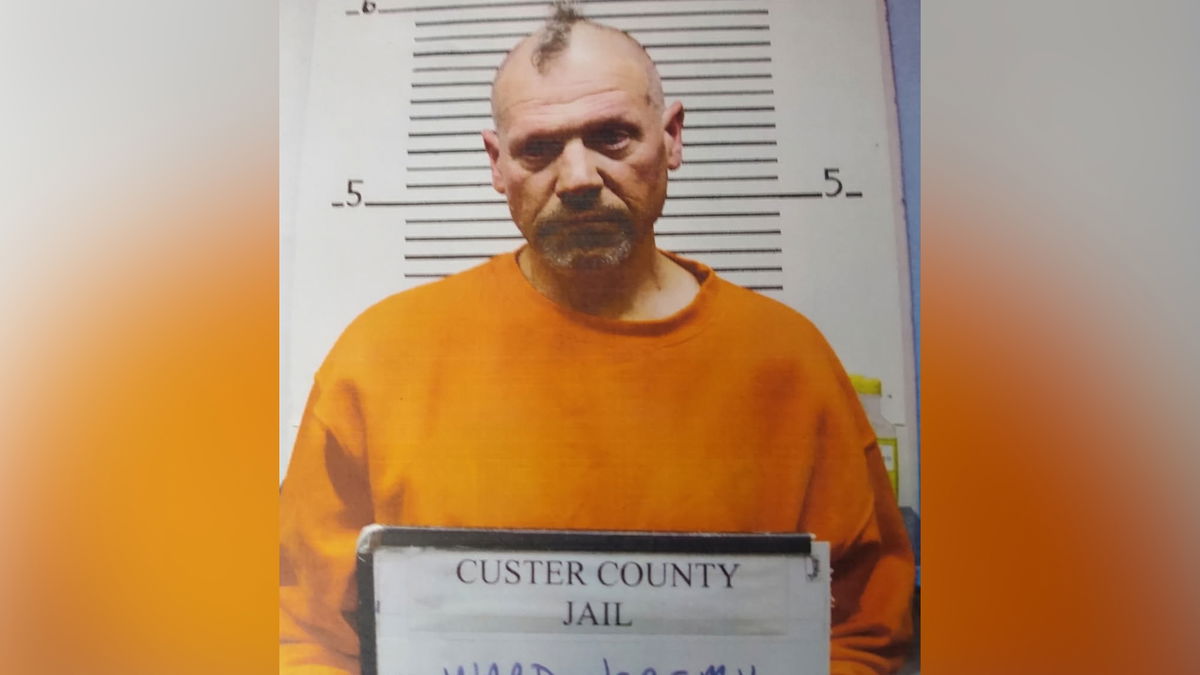
CHALLIS, Idaho (KIFI) – A man in Custer County was arrested early this morning on charges of grand theft, trespassing, and possession of a controlled substance.

According to court documents, Jeremy Ward of Challis was caught on business cameras on three separate occasions over February 1st-6th. Ward was seen taking wiring, a radiator, and other valuable scrap metals from Blue Mountain Refuse in Challis. These thefts, caught on camera, were all in the early hours of the morning.

At approximately 1 am on February 6th, the complainant reported Ward trespassing on the business property again, moving around the area where wiring is kept. Ward loaded the wiring into the back of his truck and drove east on Dump Rd with no headlights on.

An officer stopped Ward on the road and found many bundles of wire from Blue Mountain Refuse in the bed of his truck. The wiring totaled around $250.

Upon further investigation of Ward’s truck, the officer found drug paraphernalia in plain view around the driver’s side of the vehicle. This included torches, broken glass pipes and bowls, and small amounts of methamphetamine.

Ward was arrested for the triple theft of property value totaling over $50, as well as possession of a controlled substance. Both are felonies in Idaho.

A criminal charge is an accusation. All defendants are presumed innocent until and unless proven guilty in a court of law.

Click here to follow the original article.

Bonneville County man arrested on multiple child pornography charges

Seth Ratliff

BONNEVILLE COUNTY, Idaho (KIFI) — A local man is facing multiple felony charges after a multi-agency investigation allegedly uncovered a massive hoard of child pornography on his Google Drive and Photos accounts.

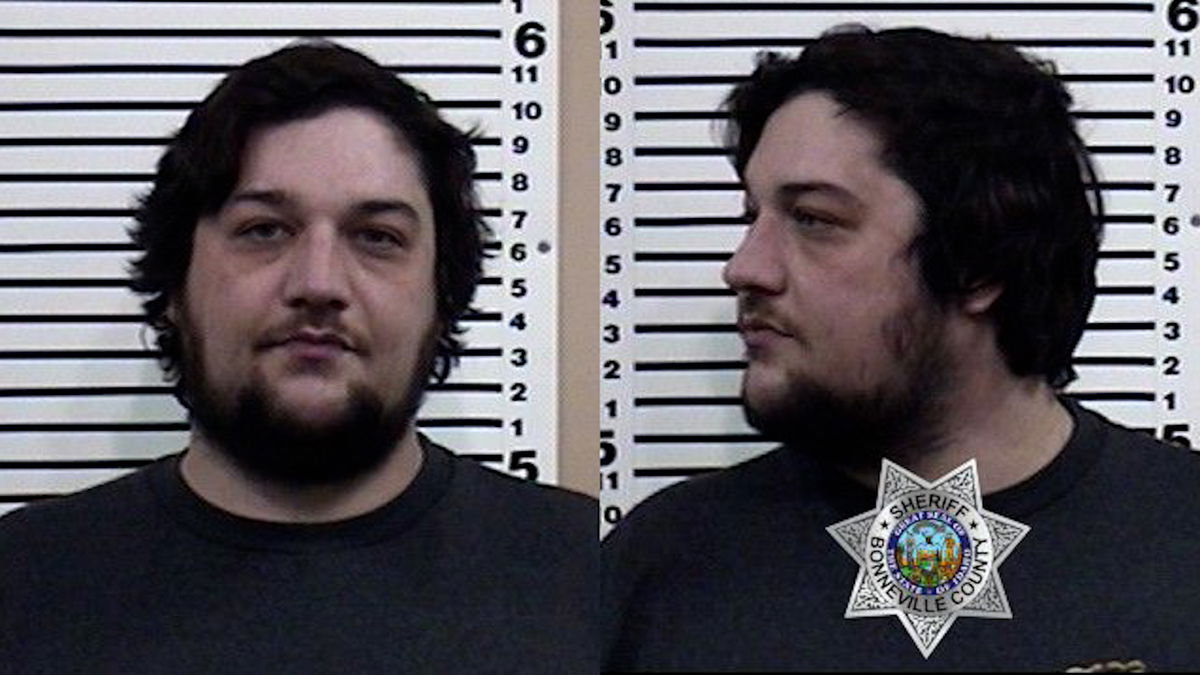
On Wednesday, February 4, authorities arrested Anthony Price, 28, of Bonneville County, Idaho, Attorney General Raúl Labrador announced today. Price faces 1 count of distribution of child sexual exploitation material and 7 counts of possession of child sexual exploitive material.

“Every arrest my ICAC Unit makes removes another threat from Idaho streets and brings us closer to ensuring children can grow up safe from exploitation,” said Attorney General Labrador. “The law enforcement partnerships we’ve built across eastern Idaho make it possible to take swift action when children are at risk, and we’re grateful for every agency that shares our commitment to protecting Idaho’s kids.”

The Investigation

The investigation began on January 6, 2026, after the Idaho Internet Crimes Against Children Task Force received a cyber tip from the National Center for Missing and Exploited Children (NCMEC). The tip flagged suspicious activity on the messaging app Kik, linked to a username and email address registered to Price.

According to court documents, the message in question contained a video file depicting two young boys, around the age of 12, engaging in sex acts.

The investigation expanded in late December when a local man reported receiving illicit content on Telegram from an account with the same username. After obtaining warrants for Price’s Google Drive and Photos accounts, investigators reportedly uncovered 164 files of CSAM, some depicting extreme sexual violence against infants and toddlers.

On February 4, detectives with the Idaho Falls Police Department (IFPD) executed a search warrant at Price’s home. Price was later taken into custody without incident in the Ross parking lot near the Grand Teton Mall.

According to court docs, Price admitted in interviews with police to using various social media platforms to view and distribute the material. He also reportedly told the officers he enjoyed the way it made him feel when people knew he had child pornography.

Price was then booked into the Bonneville County Jail on a $1 million bond. His preliminary hearing has been set for February 18, 2026, at 1:00 PM.

The ICAC Unit was assisted by the Idaho Falls Police Department, the Bonneville County Sheriff’s Office, Homeland Security Investigations, and the Madison County Sheriff’s Office.

Resources and Reporting

If you have information regarding the exploitation of children, contact local police, the Attorney General’s ICAC Unit at 208-947-8700, or the National Center for Missing and Exploited Children at 1-800-843-5678.  For more information and helpful resources, visit the ICAC website, HERE.

A criminal charge is an accusation. All defendants are presumed innocent until and unless proven guilty in a court of law.

Click here to follow the original article.

Idaho lawmakers propose sweeping expansion of bathroom restrictions based on biological sex

Seth Ratliff

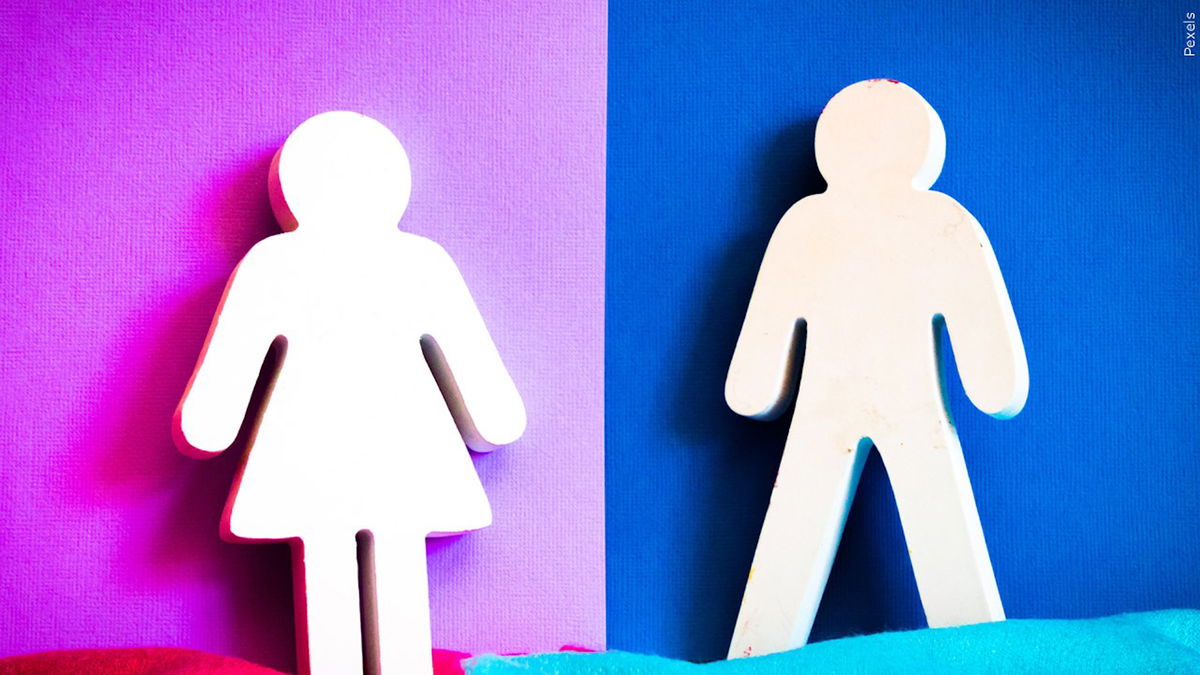
BOISE, Idaho (KIFI) — Idaho lawmakers introduced two bills on Friday aimed at expanding existing restrictions on bathroom and locker room access based on biological sex.

The proposals, introduced in the Friday session of the House State Affairs Committee, seek to build upon Senate Bill 1100, the 2023 law that mandated public schools maintain separate facilities based on biological sex.

Proposed Criminal Penalties

The first bill, sponsored by Rep. Cornel Rasor (R-Sagle), would make it a misdemeanor to “knowingly and willingly” enter a restroom, locker room, or shower that does not align with one’s biological sex. A second offense within five years would lead to a felony charge.

“(This legislation is) faithful to Idaho values,” Rasor stated. “Single-sex facilities have long existed to safeguard female privacy, safety, and bodily autonomy from male presence in vulnerable settings.”

The committee voted 10-3 to move the bill forward. Rep. Stephanie Mickelsen (R-Idaho Falls) broke party lines to join the committee’s two Democrats in opposition. Critics argued that the bill overreaches by criminalizing being in a restroom when no wrongdoing has been done.

“It’s a slippery slope to make laws about people being in a room,” argued Rep. Monica Church, D-Boise. “We have laws…about peeping toms, about assault, about rape, about all those things.”

Rep. Sagle argued the bill includes specific exceptions for custodial staff, emergency medical personnel, and law enforcement officers supervising an arrestee.

Allowing Citizens to Sue Facility Operators

The second piece of legislation, sponsored by Rep. Ted Hill (R-Eagle) and drafted by the Idaho Family Policy Center (IFPC), pivots from criminal law to civil liability. It would allow citizens the right to sue operators of public restrooms that fail to take “reasonable steps” to separate facilities by biological sex.

The legislation comes in response to an incident at the Sandpoint, Idaho, YMCA locker room, where a female lifeguard encountered a biological man, allegedly using the shower and getting dressed in the area frequently used by girls of all ages.

IFPC President Blaine Conzatti signaled that the goal is a total expansion of current school-based restrictions. “We’re ready to finish the work of protecting every woman in all public buildings—ensuring they never feel unsafe as a result of biological men invading their restrooms,” Conzatti said in a Friday release.

Opponents once again raised concerns that both bills criminalize or create legal liabilities for a person being in a space, when no other crime has been committed.

Both bills now move to the Idaho House floor for further debate.

Click here to follow the original article.

Local Charity partners with Police to provide comfort kits for children in emergency situations

Par Kermani

IDAHO FALLS, Idaho (KIFI) — A local nonprofit, Aspire Services Worldwide, is partnering with law enforcement to care for children in crisis by equipping patrol vehicles with specialized comfort kits.

“A lot of us are counselors or counselors in training. And so, we really want to help people in whatever way we can,” said Katie Anderson, LCPC and founder of Aspire Service Worldwide.

After donating toys and meals to orphanages and working on projects providing similar items to communities globally, the Rigby locals set their sights on local projects.

This one in particular was inspired by a similar initiative in Florida called Operation Warm Heart, which provides first responders with tools to ease the emotional distress of children at scenes involving car accidents, arrests, or other tragic incidents.

“When they’re in these circumstances, maybe there’s like a car crash or an arrest or just a tragic accident. The children are very traumatized. And to have first responders be able to give them an item of love and care from a sincere heart does so much to decrease the trauma response and makes them feel like it’s going to be okay.” Anderson said

The kits are housed in reflective hard cases, designed to be visible in the back of a vehicle at night and built to be refilled for long-term use. Each container is packed with a wide variety of items tailored to different age groups and needs.

To address the sensory overload of an emergency scene, the kits include earplugs to muffle sirens and ambulance noise. For physical comfort, the organization included handmade blankets, stuffed animals, and hand warmers. The kits also contain practical necessities such as diapers ranging from newborn to size five, baby bottles, snacks, and electrolyte packets. To help distract children from the surrounding circumstances, volunteers also included coloring books and crayons.

Deputy Chief of Police Jeremy Galbreaith said that officers encounter child victims and witnesses in the field nearly every day.

“That’s a really wonderful gift. Our cars are equipped with some of the state-of-the-art emergency equipment and crime investigation equipment. But having this in our cars as well, that’ll be great.” Galbreaith said.

Beyond immediate comfort, the program is designed to foster a positive relationship between the youth and emergency personnel. Anderson emphasized that it is important for children not to fear police officers or firefighters, as they may need to rely on those professionals for protection later in life.

Click here to follow the original article.

JFAC approves spending cuts, placing higher ed on the chopping block

Kevin Richert

Originally posted on IdahoEdNews.org on February 6, 2026

by Kevin Richert and Ryan Suppe, IdahoEdNews.org

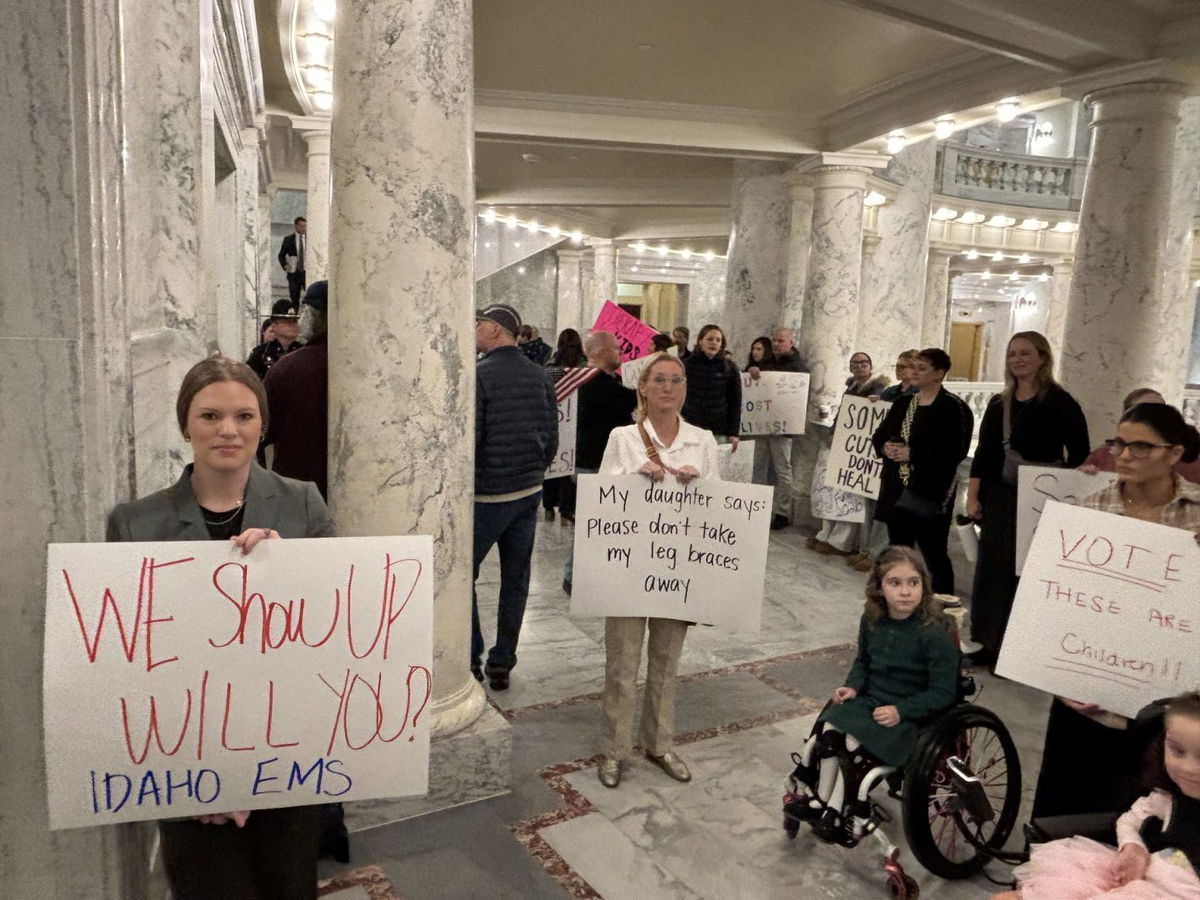
The Joint Finance-Appropriations Committee’s cramped meeting room was filled to capacity Friday, and an overflow crowd stood outside the meeting room to protest possible state budget cuts. (Kevin Richert/Idaho EdNews)

The Legislature’s budget committee Friday endorsed $46.3 million of additional spending cuts for the next two years, which could come largely from higher education budgets.

Several big budgets are exempt from the sweeping proposals — including K-12, which accounts for nearly half of all state spending. But with K-12, Medicaid, prisons and Idaho State Police off the table, a disproportionate share of the cuts could fall to the public colleges and universities.

The Joint Finance-Appropriations Committee’s proposals would further carve into the budget, on top of the midyear, 3% cuts Gov. Brad Little ordered in August. Like JFAC, Little shielded K-12 from his cuts; he also imposed his cuts on higher education.

Eagle Republican Rep. Josh Tanner, JFAC’s House co-chair, conceded the committee will face “a lot of hard decisions,” with several large budgets insulated from the cuts. But JFAC leaders say they are trying to put some cushion into the 2026 and 2027 budgets, while Republican lawmakers race to immediately adopt the tax cuts in President Donald Trump’s One Big Beautiful Bill.

“We’re trying to be very measured here,” said Sen. C. Scott Grow, R-Eagle, JFAC’s Senate co-chair. “It’s a slight tweak to what the governor has already done.”

JFAC’s proposed tweaks work this way:

For the current budget year, which ends June 30, JFAC wants to go along with Little’s 3% cut, and slice another $15.3 million off the budget.

For 2026-27, JFAC would fold Little’s 3% cuts into the budget base, as he called for in September. JFAC would put an additional 2% of cuts into the base, or close to $31 million.

Sen. Kevin Cook argued against the across-the-board approach.

“Months ago, this committee knew that we had a revenue shortfall,” said Cook, R-Idaho Falls, noting that he and fellow budget-writers have spent that time looking for thoughtful spending cuts. “We’re about to lay aside everything we have done. … It is taking a chainsaw to the budget.”

Sen. Melissa Wintrow, D-Boise, said the 2025 Legislature put itself in a bind by approving $453 million in tax cuts and credits, which could force JFAC to undo some of the programs the state has created in recent years. “I just wish we would have made those hard decisions last year.”

Rep. Rod Furniss chided Grow and Tanner for ordering state agencies to spell out their plans for possible 1% and 2% cuts — in letters last week, which went out without JFAC members’ knowledge. “This committee wasn’t advised of that.”

But Furniss, R-Rigby, voted in favor of the proposed budget cuts.

Higher education has the most to lose from the proposed cuts — and it would be out of whack with state higher ed funding.

As things now stand, JFAC’s proposals would cut $13.5 million from the state’s two- and four-year colleges and universities, or nearly 30% of the cuts. Higher education receives 8% of the state general fund.

But it’s unclear whether things will look the same at the end of the legislative session.

JFAC will be able to write up — and propose to the full Legislature — “enhancement” budget bills. These bills would allow committee members to add money back into agency budgets, or make additional budget cuts. Most of that work will be done by JFAC “working groups,” which meet behind closed doors to work on budget legislation.

The cuts passed Friday do not usurp this process, and will not keep JFAC members from making specific spending decisions, Tanner said. Instead, he said, it gives the groups “a fighting chance” to do this job.

“We’re not trying to take anything away from any working group,” he said. “Nor should we.”

From here, a flurry of budget bills will come out of JFAC, and go to the House and Senate floors:

A “2026 Idaho Budget Rescission Act,” a bill to finalize this year’s cuts, could be the first bill out of committee.

JFAC is expected to work next week on so-called “maintenance” budgets — a battery of spending bills that would roll this year’s spending into the next year. K-12 and higher education are usually covered in separate maintenance budgets.

After that would come any enhancement budget bills. But JFAC isn’t required to write an enhancement spending bill for any agency, and the Legislature isn’t obligated to pass such a bill. If that happens, the spending cuts JFAC passed Friday could basically go into effect intact.

Trump tax conformity bill heads to governor

A bill to immediately conform to most tax cuts in the One Big Beautiful Bill Act is heading to the governor’s desk — with a veto-proof majority. 

The Senate approved House Bill 559 nearly along party lines Friday. The fast-tracked legislation would make President Donald Trump’s tax cuts retroactive to the 2025 tax year. This would cost the state an estimated $155 million for this budget year, which ends June 30. The cost could rise to $175 million next year.

“There’s some unknowns here, because this is new,” said sponsoring Sen. Doug Ricks, R-Rexburg.
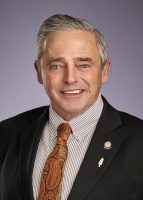
Sen. Jim Guthrie, R-McCammon

Republican Gov. Brad Little proposed implementing the federal changes in 2026. But HB 559 easily cleared the House and Senate, garnering support from all GOP lawmakers but one. 

Sen. Jim Guthrie argued Friday that the bill should go further, fully conforming to the tax changes and avoiding tax filing headaches for corporations and the State Tax Commission. HB 559 would only partially adopt federal changes to research and experimental (R&E) expenditures, and some businesses withheld taxes assuming the state would fully conform.

“We should rip the Band-Aid off now,” said Guthrie, R-McCammon. 

All other Republican senators supported the bill. 

“This conformity bill is about providing relief to Idahoans, working-class Idahoans,” said Sen. Joshua Kohl, R-Twin Falls. 

Democrats, meanwhile, took a rare step in opposition. They demanded a “minority report” be published in the Senate journal.

The report, from Sens. Ali Rabe of Boise and Ron Taylor of Hailey, is a formal dissent from the Senate Local Government and Taxation Committee’s decision to advance HB 559. The letter argues that the state doesn’t have enough revenue to absorb the federal tax changes without cutting services and employees.

“House Bill 559 compounds the detrimental fiscal impact of earlier policy choices, cutting revenue too deeply without a clear plan to stabilize revenues or protect essential services,” Rabe and Taylor wrote. 

Little will have five days (excluding Sunday) to sign the bill, veto it or allow it to become law without his signature.

Click here to follow the original article.

Idaho AG issues urgent warning over new jail bond scam

Seth Ratliff

BOISE, Idaho (KIFI) — The Idaho attorney general’s office is warning families about a new scam targeting people with loved ones in jail.

Idaho Attorney General Raúl Labrador says scammers are pulling names from public jail lists, then calling family members and pretending to be law enforcement or court officials. The scammers make their schemes appear legitimate by faking caller IDs, using official-looking logos, and referencing names of local sheriffs, judges, and court staff.

“These scammers target families at their most vulnerable moments,” said Attorney General Labrador. “They exploit a parent’s or grandparent’s instinct to help by manufacturing fear, creating false urgency, and demanding immediate payment. It’s cruel, deliberate, and wrong. Idaho families deserve to be protected from those who would steal hard-earned money through lies and intimidation.”

The Attorney General’s Consumer Protection Division says it’s almost certainly a scam if the caller:

Demands for immediate payment through gift cards or cryptocurrency

Claims that fees must be paid to the sheriff’s office or court

Pressure tactics, creating urgency, or making you feel guilty for being cautious

Requests to keep the payment confidential or not contact the jail directly

If you get a call like this, hang up and contact the jail directly. To report a scam, click HERE.

Click here to follow the original article.
Sunny Friday bringing warm temperatures around the region

Danielle Mullenix

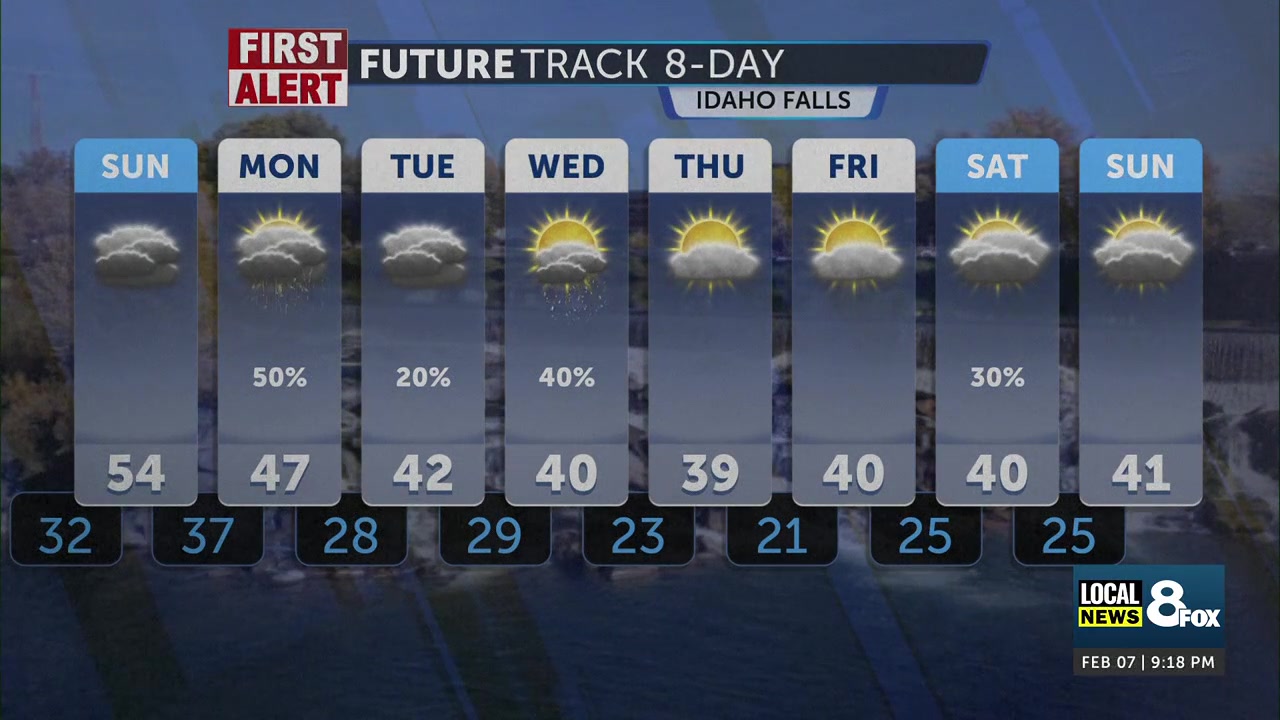
High pressure remains in control this Friday, bringing sunny conditions to the start of the weekend. As this large ridge of high pressure is overhead, it is keeping conditions across the region dry and clear. Precipitation is not expected to return to the area until later Sunday evening and Monday morning.

This Friday, light winds from the northeast are forecast, resulting in a slight breeze. This especially applies to the lower Snake River Plain, where gusts only reach the teens in the afternoon. High temperatures will climb into the upper 40s and mid-50s by this afternoon.

Temperatures today and throughout tomorrow will remain above average, with our lows averaging around 10 degrees above the norm for this time of year. Increasing cloud coverage should start moving into our area by Sunday.

AIR STAGNATION ADVISORY REMAINS IN EFFECT UNTIL 11 AM MONDAY: 

* WHAT…Poor air quality will continue. This is due to an inversion and stagnant air near the surface, which will continue to trap pollutants. 

* WHERE…Franklin/Eastern Oneida Region and Lower Snake River Plain. 

* WHEN…Until 11 AM MST Monday. 

 IMPACTS…Periods of air stagnation can lead to the buildup of pollutants near the surface. 

Inversions are expected to strengthen again, trapping some of the haze closer to the foothills and bench areas. Air stagnation advisories will remain in effect throughout the weekend. This high-pressure system will begin to weaken late in the weekend. With low pressure moving in from the south, there is a possibility of rain and snow early next week. At this time, it seems likely that we will mainly see snow in the mountains when the precipitation begins.

Click here to follow the original article.