Tracy Lehr
CARPINTERIA, Calif. (KEYT) – Following a marathon meeting four Carpinteria Planning Commissioners voted to continue deliberations on the Surfliner Inn until Monday, Oct. 5th.
The decision followed a nearly 5-hour special meeting that lasted until almost midnight.
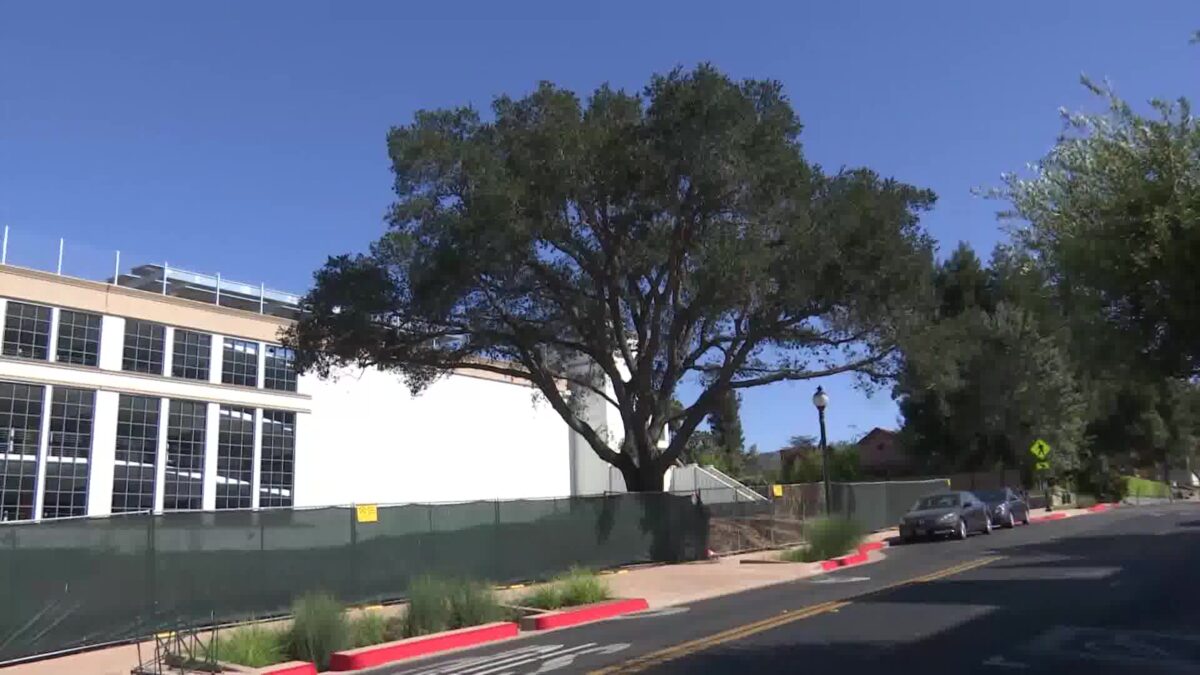
The railroad property West of Linden Ave. is at the center of a local and late night debate.
For more than a decade developers have been eyeing the property.
The latest Surfliner Inn proposal and Final Environmental Impact Report was the subject of a Carpinteria Planning Commission hearing that got underway at 7 p.m.
Carpinteria’s Public Information Officer Juliza Briones encouraged people to attend in person or online and they did.
People filled the meeting and an outdoor overflow area and took turns speaking publicly online and on Zoom.
Briones said public comment may also be submitted in writing to publiccomment@carpinteriaca.gov, said Briones.
Linden Managers LLC’s managing partner Whitt Hollis arrived early and got emotional making a final comments before staff weight in.
Commissioner Alexandra VanAntwerp recused herself before the hearing.
Staff said that happens in an abundance of caution due to potential bias.
Some public speakers said they believe she felt threatened by a lawsuit from the applicant.
That leaves the four remaining commissioners to decide.
If a vote in October is 2-2 no action would be taken and that would be interpreted as a denial.
Ultimately the project will be decided by the Carpinteria City Council.
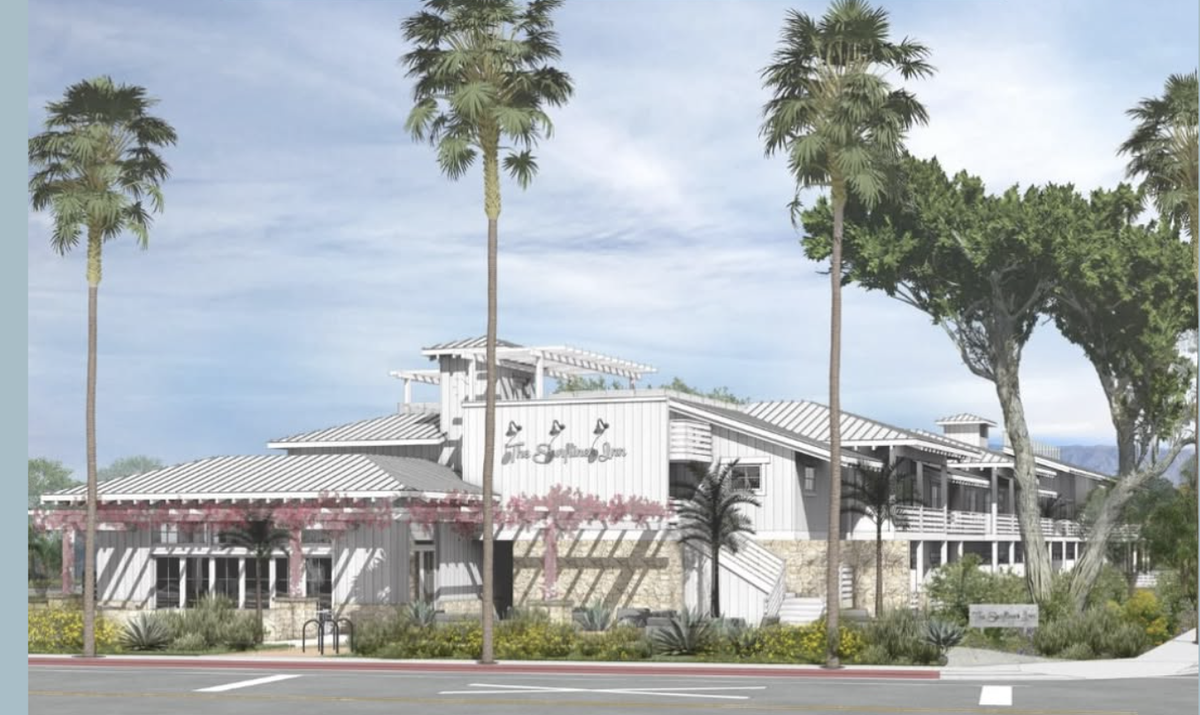
The project proposal includes at least 36 rooms, a rooftop bar and pool and a parking lot.
The location of the parking has led to a number of alternatives.
The ground floor would include public uses including a lobby, cafe and visitors center .
It would also include half the rooms.
Prior to the meeting Hollis said he envisions a project that compliments the downtown area that could break ground in 2028 if the project gets approved.
People spoke out for and against the Surfliner Inn Project throughout the evening.
“The main thing is the EIR is rubber stamping a very questionable process where they lacked baseline data in the draft Environmental Impact Report,” said opponent Giti White.
White said she is concerned about the project blocking views that are not spelled out in the EIR.
“Building a big hotel on a big parking lot is going to block views of the ocean and of the mountains and they are from a very iconic train station,” said White, “Just say that is what we are going to do hat is a class one impact we can’t mitigate it, don’t pretend that is not going to happen.”
Supporter Kimberlee Albers said critics had a chance to change the zoning on a ballot and didn’t a couple years ago.
“I feel like this is the right size, in the right location and the right time, for Carpinteria, we need economic vitality and the Surfliner Inn right near the train station right in the heart of town where you can walk to the beach where you don’t have to a car to come and spend money in Carp, I am just so excited about this project I certainly hope we stop stalling as a community and start building,” said Albets.
The developers bought a full page add in the latest Coastal View News that includes quotes from supporters including a farmer, a business owner and a nonprofit executive.
Pushback led to numerous changes in the proposal.
An alternative parking lot location off Elm Street led to a traffic pattern discussion.
One resident called the change “The Nightmare on Elm Street.”
The Latest Breaking News, Weather Alerts, Sports and More Anytime On Our Mobile Apps. Keep Up With the Latest Articles by Signing Up for the News Channel 3-12 Newsletter.
Click here to follow the original article.